
We evaluated wheatgrass supplements on form type (juice powder vs whole-leaf), organic certification, chlorophyll content, third-party testing, and value per serving. Our top pick is a juice powder concentrate that delivers far more nutrients per gram than standard whole-leaf powders.
Best Wheatgrass Supplements (2026)
Product pricing and availability checked
Methodology: Evidence-ranked evaluation
·
2,600+Clinical Studies Cited
·5Wheatgrass products evaluated
This content is for informational purposes only and does not constitute medical advice. Statements about dietary supplements have not been evaluated by the FDA and are not intended to diagnose, treat, cure, or prevent any disease. Individual results may vary — consult your healthcare provider before starting any supplement. Full disclaimer
As an Amazon Associate, we earn from qualifying purchases. Some links below are affiliate links — this doesn't affect our editorial independence or product ratings. How we evaluate products
Our Verdict
The best wheatgrass supplement is certified organic, grown outdoors (not indoor tray-grown), harvested before jointing, and either freshly juiced-and-frozen or low-heat dried to preserve enzymes and chlorophyll.
Best By Category
The best wheatgrass is organic, outdoor-field-grown, and harvested pre-jointing when chlorophyll and enzyme content...
The best wheatgrass is organic, outdoor-field-grown, and harvested pre-jointing when chlorophyll and enzyme content peak. Low-heat drying (below 115°F) or flash-freezing preserves the active compounds better than hot-air drying. Typical serving is 1 teaspoon powder (~3g) or 1-2 oz fresh juice daily.
How We Chose These Products
Products are ranked using our published scoring methodology — evidence strength, dose adequacy, ingredient form, third-party testing signals, value, and clean-label factors are weighted across the 5 criteria below. Commercial relationships do not determine our editorial rankings.
Juice Powder vs Whole-Leaf
30%Juice powders are made by dehydrating fresh wheatgrass juice, concentrating nutrients up to 25:1. Whole-leaf powders include the fiber but dilute the chlorophyll and enzymes. This is the single biggest quality differentiator.
Organic Certification
20%USDA Organic certification matters for wheatgrass because it is typically consumed as a whole food without extraction. Pesticide residues in non-organic grasses are consumed directly.
Chlorophyll Content
20%Chlorophyll is the key bioactive compound in wheatgrass, comprising up to 70% of dry weight. Higher chlorophyll correlates with antioxidant and anti-inflammatory benefits.
Third-Party Testing
15%Independent lab testing verifies heavy metal levels, microbial safety, and label accuracy. Grass supplements can accumulate contaminants from soil.
Value per Serving
15%Cost per serving adjusted for nutrient density. A 3g juice powder serving delivers more bioactives than an 8g whole-leaf serving, making direct price comparison misleading.
#1 Top Pick
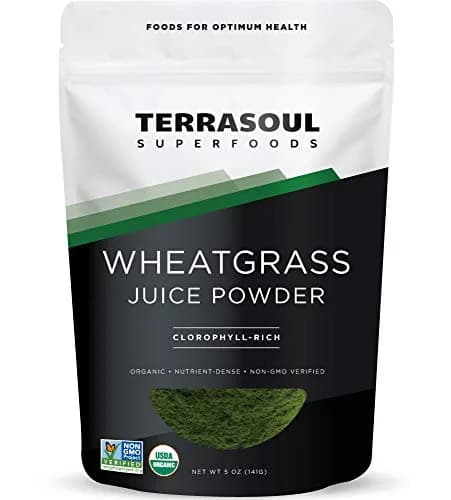
This is a juice powder, not a whole-leaf powder — the critical distinction. Made by juicing fresh wheatgrass and dehydrating the juice, creating a 25:1 concentrate. A 3g serving of juice powder delivers the equivalent nutrients of roughly 75g of fresh wheatgrass. USDA Organic and far more bioavailable than whole-leaf alternatives.
IngredientOrganic Wheatgrass Juice Powder (25:1 concentrate)
Dose3g per serving (1 tsp)
FormJuice Powder
TestingThird-Party Tested
3g per serving (1 tsp)Clinical range: 3-6g powder or 30-60ml juice daily
Therapeutic dose
$3.00 / ounce
Pros
- 25:1 juice concentrate — far more nutrient-dense
- USDA Organic certified
- Only 1 tsp per serving — easy to mix
Cons
- Small 5 oz container size
- More expensive per ounce than whole-leaf powders
VeganGluten-freeUSDA OrganicNon-GMO
Quick Comparison
#1Terrasoul Wheat Grass Juice Powder (5 oz)
9/10
Terrasoul Superfoods
#1 Top Pick
1,750 Amazon reviews
Best for: Maximum nutrient density and chlorophyll content per serving
Organic Wheatgrass Juice Powder (25:1 concentrate) · 3g per serving (1 tsp)
Juice Powder · Third-Party Tested
$14.99
$3.00 / ounce
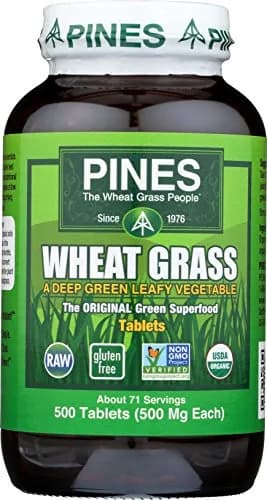
#2Pines International Organic Wheat Grass (500ct)
8/10
Pines
850 Amazon reviews
Best for: Quality-conscious tablet users who value sourcing transparency
Organic Whole-Leaf Wheatgrass · 3.5g per serving (7 tablets)
Tablet · Third-Party Tested
$30.99
$0.06 / count
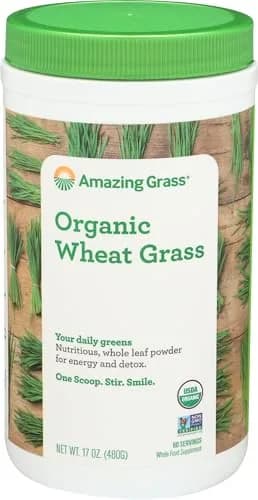
#3Amazing Grass Wheat Grass Powder (60 servings)
7.8/10
Amazing Grass
1,779 Amazon reviews
Best for: Daily greens powder users who want a large serving size
Organic Whole-Leaf Wheatgrass Powder · 8g per serving (1 scoop)
Powder · Third-Party Tested
$24.99
$1.47 / ounce
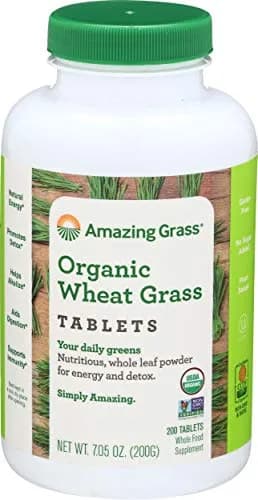
#4Amazing Grass Wheat Grass Tablets (200ct)
7.2/10
Amazing Grass
1,657 Amazon reviews
Best for: Beginners and travelers who want convenience without the taste
Organic Whole-Leaf Wheatgrass Powder · 3g per serving (6 tablets)
Tablet · Third-Party Tested
$6.77
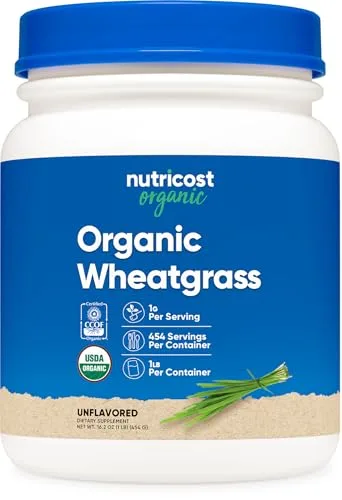
#5Nutricost Wheatgrass Powder (1 lb)
7/10
Nutricost
250 Amazon reviews
Best for: Budget-conscious users who want affordable daily wheatgrass
Wheatgrass Powder · 3g per serving
Powder · ISO-accredited Lab Tested
$21.95
$1.37 / ounce
| # | Product | Best For | Ingredient & Dose | Form & Testing | Price | Rating | |
|---|---|---|---|---|---|---|---|
| 1 | Terrasoul Wheat Grass Juice Powder (5 oz) #1 Top Pick 1,750 Amazon reviews | Maximum nutrient density and chlorophyll content per serving | Organic Wheatgrass Juice Powder (25:1 concentrate) 3g per serving (1 tsp) | Juice Powder Third-Party Tested | $14.99 $3.00 / ounce | 9/10 | |
| 2 | Pines International Organic Wheat Grass (500ct) 850 Amazon reviews | Quality-conscious tablet users who value sourcing transparency | Organic Whole-Leaf Wheatgrass 3.5g per serving (7 tablets) | Tablet 500 Count Third-Party Tested | $30.99 $0.06 / count | 8/10 | |
| 3 | Amazing Grass Wheat Grass Powder (60 servings) 1,779 Amazon reviews | Daily greens powder users who want a large serving size | Organic Whole-Leaf Wheatgrass Powder 8g per serving (1 scoop) | Powder 60 Servings Third-Party Tested | $24.99 $1.47 / ounce | 7.8/10 | |
| 4 | Amazing Grass Wheat Grass Tablets (200ct) 1,657 Amazon reviews | Beginners and travelers who want convenience without the taste | Organic Whole-Leaf Wheatgrass Powder 3g per serving (6 tablets) | Tablet 200 Count Third-Party Tested | $6.77 | 7.2/10 | |
| 5 | Nutricost Wheatgrass Powder (1 lb) 250 Amazon reviews | Budget-conscious users who want affordable daily wheatgrass | Wheatgrass Powder 3g per serving | Powder ISO-accredited Lab Tested | $21.95 $1.37 / ounce | 7/10 |
Detailed Reviews
#1 Top Pick
Terrasoul Superfoods Organic Wheat Grass Juice Powder, 5 Oz, Grown in Utah, Made from Nutrient Concentrated Juice, Revitalize with Green Nutrition: Smoothies, Detox Drinks, and Wellness Shots
Terrasoul Superfoods
1,750 Amazon reviews
9/10
(1,750)
VeganGluten-freeUSDA OrganicNon-GMO
This is a juice powder, not a whole-leaf powder — the critical distinction. Made by juicing fresh wheatgrass and dehydrating the juice, creating a 25:1 concentrate. A 3g serving of juice powder delivers the equivalent nutrients of roughly 75g of fresh wheatgrass. USDA Organic and far more bioavailable than whole-leaf alternatives.
IngredientOrganic Wheatgrass Juice Powder (25:1 concentrate)
Dose3g per serving (1 tsp)
FormJuice Powder
TestingThird-Party Tested
3g per serving (1 tsp)Clinical range: 3-6g powder or 30-60ml juice daily
Therapeutic dose
$3.00 / ounce
Ideal for: Maximum nutrient density and chlorophyll content per serving
Not ideal for: Those on a very tight budget or wanting large bulk containers
Pros
- 25:1 juice concentrate — far more nutrient-dense
- USDA Organic certified
- Only 1 tsp per serving — easy to mix
- Rich in chlorophyll, enzymes, and micronutrients
Cons
- Small 5 oz container size
- More expensive per ounce than whole-leaf powders
- Intense green flavor may need smoothie masking
- Limited serving count (~47 servings)
Pines Organic Wheat Grass, 500 Count Tablets
Pines
850 Amazon reviews
8/10
(850)
VeganGluten-freeUSDA OrganicNon-GMOKosher
Family-owned since 1976, growing wheatgrass on their own Kansas farm. Triple certified: USDA Organic, Non-GMO Project Verified, and Kosher. Harvested at the jointing stage for peak nutrition. The 500-count bottle provides excellent value for a tablet product.
IngredientOrganic Whole-Leaf Wheatgrass
Dose3.5g per serving (7 tablets)
FormTablet
TestingThird-Party Tested
3.5g per serving (7 tablets)Clinical range: 3-6g powder or 30-60ml juice daily
Therapeutic dose
$0.06 / count$30.99 · 500 Count
Ideal for: Quality-conscious tablet users who value sourcing transparency
Not ideal for: Those who prefer powder forms or want juice concentrate potency
Pros
- USDA Organic, Non-GMO, and Kosher certified
- Family farm in Kansas — full supply chain transparency
- 500 tablets = ~71 servings — great tablet value
- Harvested at jointing stage for peak chlorophyll
Cons
- 7 tablets per serving is a high pill burden
- Whole-leaf, not juice concentrate
- Some tablets may be difficult to swallow
- 3.5g serving is moderate, not high-dose
Amazing Grass Wheat Grass Powder: 100% Whole-Leaf Wheat Grass Powder for Energy, Detox & Immunity Support, Chlorophyll Providing Greens, 60 Servings
Amazing Grass
1,779 Amazon reviews
7.8/10
(1,779)
VeganGluten-freeUSDA Organic
Well-established brand with USDA Organic whole-leaf wheatgrass. The generous 8g serving size provides a meaningful dose of fiber and chlorophyll, and it mixes well in smoothies.
IngredientOrganic Whole-Leaf Wheatgrass Powder
Dose8g per serving (1 scoop)
FormPowder
TestingThird-Party Tested
8g per serving (1 scoop)Clinical range: 3-6g powder or 30-60ml juice daily
Clinical dose
$1.47 / ounce$24.99 · 60 Servings
Ideal for: Daily greens powder users who want a large serving size
Not ideal for: Those seeking maximum nutrient density per gram
Pros
- USDA Organic certified
- Generous 8g serving provides substantial fiber
- 60 servings per container — good value
- Well-known, trusted brand in the greens category
Cons
- Whole-leaf powder, not juice concentrate
- Large serving size (1 full scoop) for mixing
- Less chlorophyll per gram than juice powders
- Grassy taste may be strong for some
Amazing Grass Wheat Grass Tablets: 100% Whole-Leaf Wheat Grass Powder for Energy, Detox & Immunity Support, Chlorophyll Providing Greens, 200 Count
Amazing Grass
1,657 Amazon reviews
7.2/10
(1,657)
VeganGluten-freeUSDA Organic
Same USDA Organic wheatgrass as the powder version in a convenient tablet form. Eliminates the grassy taste entirely, making it ideal for people who want wheatgrass benefits without mixing drinks.
IngredientOrganic Whole-Leaf Wheatgrass Powder
Dose3g per serving (6 tablets)
FormTablet
TestingThird-Party Tested
3g per serving (6 tablets)Clinical range: 3-6g powder or 30-60ml juice daily
Therapeutic dose
$6.77 · 200 Count
Ideal for: Beginners and travelers who want convenience without the taste
Not ideal for: Those who dislike swallowing multiple tablets per serving
Pros
- No grassy taste — just swallow tablets
- USDA Organic certified
- Convenient for travel and on-the-go use
- Good entry point for wheatgrass beginners
Cons
- 6 tablets per serving is a high pill burden
- Only 3g per serving (less than powder)
- Higher cost per serving than powder forms
- 200 tablets = only ~33 servings
Nutricost Organic Wheatgrass Powder 1 LB - Non-GMO Superfood
Nutricost
250 Amazon reviews
7/10
(250)
Gluten-free
At roughly $0.16 per serving, Nutricost offers the most affordable way to add wheatgrass to your routine. Manufactured in an ISO-accredited facility with third-party testing for purity. The 8 oz container provides approximately 75 servings.
IngredientWheatgrass Powder
Dose3g per serving
FormPowder
TestingISO-accredited Lab Tested
3g per servingClinical range: 3-6g powder or 30-60ml juice daily
Therapeutic dose
$1.37 / ounce
Ideal for: Budget-conscious users who want affordable daily wheatgrass
Not ideal for: Those seeking organic certification or juice powder potency
Pros
- Lowest cost per serving at ~$0.16
- ISO-accredited lab testing for purity
- 8 oz container provides ~75 servings
- Simple single-ingredient formula
Cons
- Not USDA Organic certified
- Whole-leaf powder, not juice concentrate
- Less sourcing transparency than premium brands
- No additional certifications (Non-GMO, Kosher)
Pairs Well With
Frequently taken together based on complementary benefits
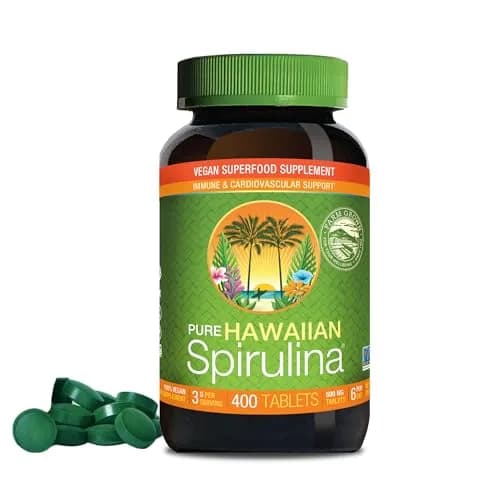
Spirulina
Nutrex Hawaii Pure Hawaiian Spirulina 500mg
3g per serving (6 tablets)
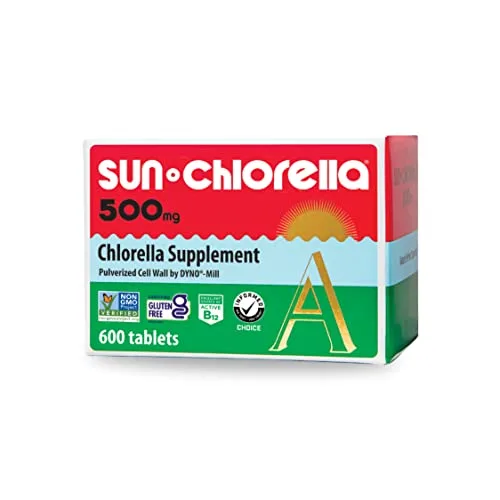
How to Choose
Juice Powder vs Whole-Leaf Powder: The Critical Difference
Wheatgrass juice powder is made by extracting the juice from fresh wheatgrass and spray-drying it, yielding a 25:1 concentrate. This means 3g of juice powder delivers nutrients equivalent to roughly 75g of fresh grass. Whole-leaf powder simply dehydrates and grinds the entire blade, including the cellulose fiber humans cannot digest. If you want maximum chlorophyll and enzymes per serving, juice powder is categorically superior. Whole-leaf powder still provides benefits but at lower concentration.
Why Organic Certification Matters for Wheatgrass
Unlike extracted supplements where processing removes impurities, wheatgrass powder and juice powder are whole-food products consumed directly. Any pesticides, herbicides, or synthetic fertilizers used during growing end up in your serving. USDA Organic certification ensures the wheatgrass was grown without synthetic chemicals. For a daily-use superfood, the organic premium is worth paying.
Dosage Guidance: How Much Wheatgrass to Take
For whole-leaf powder, research and traditional use suggest 3-8g daily (roughly 1-2 teaspoons). For juice powder, 3-6g daily is sufficient due to the concentration factor. Start with a lower dose for the first week to assess tolerance — wheatgrass can cause nausea in sensitive individuals. Taking it with food or blended in a smoothie reduces the chance of digestive discomfort.
Taste Tips: Making Wheatgrass Palatable
Wheatgrass has a strong, grassy, slightly sweet flavor that many people find challenging. Mixing powder into fruit smoothies (especially with banana, pineapple, or mango) effectively masks the taste. Adding citrus juice can also help. If you cannot tolerate the taste at all, tablet forms eliminate the flavor entirely — though you trade convenience for a higher pill burden (6-7 tablets per serving).
Ready to Buy?
Terrasoul Wheat Grass Juice Powder (5 oz)
9/10$3.00 / ounceBest for: Maximum nutrient density and chlorophyll content per serving
The best wheatgrass supplement is certified organic, grown outdoors (not indoor tray-grown), harvested before jointing, and either freshly juiced-and-frozen or low-heat dried to preserve enzymes and chlorophyll.
Evidence:RCT (2007) · n=60 · low confidence[#1]. See full reference list below.Read Our Full Wheatgrass Research Guide
Evidence level, dosage, side effects, and more →
Already taking supplements?
Check how Wheatgrass fits with your current stack — interactions, timing, and optimization →
Related Supplements
SpirulinaModerate
Bottom line: Spirulina is a nutrient-dense algae that lowers LDL cholesterol, fights inflammation, and boosts immune function — backed by meta-analyses.
Top picks →Related Conditions
Frequently Asked Questions
What is the difference between wheatgrass juice powder and wheatgrass powder?
What is the difference between wheatgrass juice powder and wheatgrass powder?
Wheatgrass powder is made by dehydrating and grinding the whole leaf, including the cellulose fiber. Wheatgrass juice powder is made by juicing the fresh grass first, then dehydrating the juice — producing a 25:1 concentrate. Juice powder contains significantly more chlorophyll, enzymes, and micronutrients per gram because the indigestible fiber has been removed.
Does wheatgrass contain gluten?
Does wheatgrass contain gluten?
Wheatgrass harvested before the jointing stage (when the grain kernel forms) is gluten-free, despite coming from the wheat plant. All reputable wheatgrass supplements are harvested at this early growth stage. However, people with celiac disease should look for products that are tested and certified gluten-free to rule out cross-contamination.
What are the proven health benefits of wheatgrass?
What are the proven health benefits of wheatgrass?
Research shows wheatgrass has antioxidant and anti-inflammatory properties (Bar-Sela 2007), may support blood production in thalassemia patients by reducing transfusion needs (Marwaha 2004), and has shown promise for ulcerative colitis symptom relief (Ben-Arye 2002). Some evidence suggests blood sugar regulation benefits (Shakya 2016). The evidence is emerging but encouraging.
Evidence:RCT (2007) · n=60 · low confidence[#1]. See full reference list below.How much wheatgrass should I take daily?
How much wheatgrass should I take daily?
For whole-leaf powder, 3-8g daily is the typical range. For juice powder concentrate, 3-6g daily is sufficient due to the higher nutrient density. This is roughly equivalent to 30-60ml (1-2 oz) of fresh wheatgrass juice. Start with a lower dose and increase gradually over a week to assess tolerance.
Can wheatgrass cause side effects?
Can wheatgrass cause side effects?
Wheatgrass is generally safe, but some people experience nausea, headache, or diarrhea — especially when starting with a high dose. These effects usually resolve within a few days. Taking wheatgrass with food or in a smoothie reduces digestive discomfort. People with grass allergies should use caution, and those on blood-thinning medications should consult their doctor due to wheatgrass's vitamin K content.
Is wheatgrass better as a powder or tablet?
Is wheatgrass better as a powder or tablet?
Powders allow flexible dosing and are more cost-effective per serving. Juice powders specifically offer the highest nutrient concentration. Tablets eliminate the grassy taste entirely but require swallowing 6-7 pills per serving and cost more per serving. If taste is not a concern, powder is the better choice. If taste is a dealbreaker, tablets are a practical alternative.
Is organic wheatgrass worth the extra cost?
Is organic wheatgrass worth the extra cost?
Yes. Wheatgrass is consumed as a whole food without extraction or purification, so any agricultural chemicals used during growing end up directly in your serving. USDA Organic certification ensures no synthetic pesticides or fertilizers were used. The cost difference between organic and conventional wheatgrass is typically small.
Can I take wheatgrass while pregnant or breastfeeding?
Can I take wheatgrass while pregnant or breastfeeding?
There is insufficient research on wheatgrass safety during pregnancy or breastfeeding. While it is a whole food, the concentrated supplement form delivers higher-than-dietary doses of certain compounds. Consult your healthcare provider before using wheatgrass supplements during pregnancy or nursing.
Continue Reading
References
- RCTBar-Sela G, Tsalic M, Fried G, Goldberg H (2007). Wheat grass juice may improve hematological toxicity related to chemotherapy in breast cancer patients: a pilot study. Nutrition and Cancer. DOI PubMed
- Padalia S, Drabu S, Raheja I, Gupta A, Dhamija M (2010). Multitude potential of wheatgrass juice (Green Blood): An overview. Chronicles of Young Scientists. DOI
- Chauhan M (2014). A pilot study on wheat grass juice for its phytochemical, nutritional and therapeutic potential on chronic diseases. International Journal of Chemical Studies.
- Aydos OS, Avci A, Ozkan T, Karadag A, Gurleyik E, Altinok B, Sunguroglu A (2011). Antiproliferative, apoptotic and antioxidant activities of wheatgrass (Triticum aestivum L.) extract on CML (K562) cell line. Turkish Journal of Medical Sciences. DOI