SupplementScience
Collagen Peptides supplement
Amino Acid

Collagen Peptides: Benefits, Dosage, Forms & Research

Amino Acid

This content is for informational purposes only and does not constitute medical advice. Consult your healthcare provider before starting any supplement. Full disclaimer

TL;DR — Quick Answer

Collagen peptides provide the amino acids (glycine, proline, hydroxyproline) needed for skin, joint, and connective tissue repair. At 5-15 g/day, clinical trials show reduced wrinkles, improved joint pain, and enhanced tendon recovery. Type I and III support skin; Type II targets joints.

Key Facts

What it is
Hydrolyzed collagen protein rich in glycine, proline, and hydroxyproline for connective tissue support
Primary benefits
  • Improves skin elasticity and reduces wrinkles
  • Reduces joint pain in osteoarthritis and athletes
  • Supports tendon and ligament health
  • Promotes bone density maintenance
Typical dosage
10-15 g daily
Evidence level
Moderate
Safety profile
Generally Safe

What the Research Says

Collagen peptides have emerged as one of the most well-evidenced beauty and joint supplements. A 2019 meta-analysis of 11 RCTs confirmed benefits for skin hydration and elasticity. For joints, the Clark et al. (2008) study in athletes and multiple osteoarthritis trials show meaningful pain reduction. The Shaw et al. (2017) study on tendon collagen synthesis has changed sports medicine practice — many physiotherapists now recommend 15 g collagen + vitamin C before rehab exercises. Quality varies between products; look for hydrolyzed peptides (2-5 kDa molecular weight).

Benefits of Collagen Peptides

  • Skin health — a 2019 meta-analysis of 11 RCTs (n=805) found collagen peptides significantly improved skin hydration, elasticity, and wrinkles vs placebo (de Miranda et al., International Journal of Dermatology)
  • Joint pain — 10 g/day collagen hydrolysate for 24 weeks reduced activity-related joint pain in athletes (Clark et al., 2008, Current Medical Research and Opinion, n=147)
  • Osteoarthritis — a 2019 systematic review found collagen supplementation reduced osteoarthritis pain and improved joint function (Garcia-Coronado et al., International Orthopaedics)
  • Tendon support — 15 g collagen + 50 mg vitamin C taken before exercise increased collagen synthesis markers in tendons and ligaments (Shaw et al., 2017, American Journal of Clinical Nutrition)
  • Bone density — collagen peptides at 5 g/day for 12 months improved bone mineral density at the femoral neck and spine in postmenopausal women (Konig et al., 2018, Nutrients, n=131)
Did you know?

Collagen peptides have emerged as one of the most well-evidenced beauty and joint supplements.

Forms of Collagen Peptides

FormBioavailabilityBest For
Hydrolyzed Collagen Peptides (Type I & III)HighSkin, hair, nails, and general connective tissue; most versatile
Undenatured Type II Collagen (UC-II)Low (immune-modulating)Joint health via immune modulation; very low dose (40 mg/day)
Marine Collagen (Type I)HighSkin focus; smaller peptide size; pescatarian-friendly
Collagen + Vitamin CHighEnhanced collagen synthesis; vitamin C is required cofactor

Dosage Recommendations

General recommendation: 10-15 g daily, mixed into beverages or food

Timing: For tendons: 30-60 min before exercise with vitamin C. Otherwise: any time of day

Dosage by Condition

ConditionRecommended DoseEvidence
Skin health and anti-aging5-10 g daily for 8+ weeksModerate
Joint pain / osteoarthritis10 g daily for 12-24 weeksModerate
Tendon and ligament support15 g with 50 mg vitamin C, 30-60 min before exerciseModerate
Bone density5 g daily for 12+ monthsModerate

Upper limit: No established upper limit; 30-40 g/day used safely in some studies

Our Top Collagen Peptides Pick

Our recommendations are based on published research, not commission rates. Some links below are affiliate links — we may earn a commission at no extra cost to you. How we evaluate products

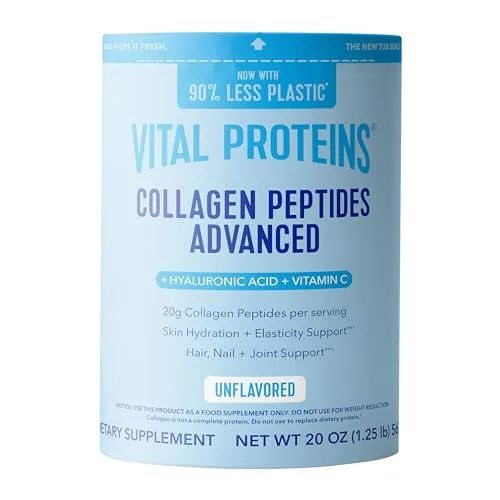
Vital Proteins Collagen Peptides

Vital Proteins Collagen Peptides

Vital Proteins

9.2/10
Overall best collagen peptides$1.50/serving

Side Effects and Safety

Safety profile: Generally Safe

Potential Side Effects

  • Very well tolerated; few side effects reported
  • Mild GI symptoms (bloating, fullness) in some individuals
  • Unpleasant taste in some unflavored products
  • Allergic reactions possible in those with fish or shellfish allergies (marine collagen)

Drug & Supplement Interactions

  • No significant drug interactions reported
  • Calcium supplements — collagen may enhance calcium absorption (complementary for bone health)
  • Vitamin C enhances collagen synthesis — synergistic combination recommended
Check Collagen Peptides interactions with other supplements →
BenefitsDosage GuideSide EffectsTypes & FormsResearchFAQ

Related Conditions

Related Supplements

Frequently Asked Questions

Does collagen actually work for skin or is it just hype?

Clinical evidence supports it. A 2019 meta-analysis of 11 RCTs (805 participants) found collagen peptides significantly improved skin hydration, elasticity, and wrinkles compared to placebo. Benefits appear within 4-8 weeks and increase with continued use. Look for hydrolyzed Type I collagen peptides at 5-10 g daily for best skin results.

What type of collagen should I take?

Type I and III (typically from bovine or marine sources) are best for skin, hair, nails, and tendons. Type II (undenatured, UC-II) at just 40 mg/day works differently — it modulates the immune response in joints and is specifically for joint health. For general wellness, hydrolyzed Type I & III peptides at 10-15 g daily cover most applications.

Should I take collagen with vitamin C?

Yes. Vitamin C is a required cofactor for collagen synthesis — without it, your body cannot properly incorporate collagen building blocks into new tissue. The Shaw et al. (2017) study showed that 15 g collagen + 50 mg vitamin C before exercise doubled collagen synthesis markers in tendons. Even for skin benefits, pairing collagen with at least 50-100 mg vitamin C is recommended.

References

  1. (). Effects of hydrolyzed collagen supplementation on skin aging: a systematic review and meta-analysis. International Journal of Dermatology. DOI
  2. (). Study of the effectiveness of a food ingredient on joint pain in community-dwelling adults. Current Medical Research and Opinion. DOI
  3. (). Vitamin C-enriched gelatin supplementation before intermittent activity augments collagen synthesis. American Journal of Clinical Nutrition. DOI