SupplementScience

Cod Liver Oil — Research Profile

Fish Oil

Reviewed by·PharmD, BCPS

This content is for informational purposes only and does not constitute medical advice. Consult your healthcare provider before starting any supplement. Full disclaimer

Cod liver oil provides a unique combination of omega-3s (EPA/DHA), vitamin A, and vitamin D3 in a single supplement.

Cod liver oil provides a unique combination of omega-3s (EPA/DHA), vitamin A, and vitamin D3 in a single supplement. Strong evidence supports benefits for bone health, moderate evidence for cardiovascular protection and immune function.

Key Facts

What it is
Oil extracted from Atlantic cod (Gadus morhua) liver, providing omega-3 fatty acids with naturally occurring vitamins A and D3
Primary benefits
  • Provides EPA + DHA omega-3s for cardiovascular and anti-inflammatory support
  • Natural source of vitamin D3 for bone health and immune function
  • Preformed vitamin A (retinol) for vision, skin, and immune regulation
  • Synergistic A + D combination supports calcium absorption and bone metabolism
  • Long history of clinical use for rickets prevention and joint inflammation
Typical dosage
1-2 teaspoons (5-10ml) or 1-2 capsules daily
Evidence level
Moderate
Safety profile
Generally Safe

Time to Effect

Hours
Days
Weeks
Months
2-12 weekstypical onset

Anti-inflammatory effects and triglyceride reduction are typically measurable within 4-8 weeks. Vitamin D status improvements are evident on blood tests within 4-6 weeks. Bone health benefits require long-term consistent use over months to years.

What the Research Says

Cod liver oil has one of the longest research histories of any supplement, dating to controlled studies on rickets in the 18th century. The evidence base draws from both cod liver oil-specific studies and the broader omega-3 and vitamin D literature. For bone health, vitamin D's role in calcium absorption and fracture prevention is well-established, with the VITAL study (Manson et al., 2019) being the largest randomized trial. For cardiovascular outcomes, Aung et al. (2018) published a major meta-analysis of 10 trials (77,917 participants) showing omega-3 supplementation reduced coronary heart disease events by 8%. Martineau et al. (2017) meta-analyzed 25 RCTs and found vitamin D supplementation reduced acute respiratory tract infections, particularly in deficient individuals. For joint inflammation, Goldberg & Katz (2007) confirmed fish oil reduces pain and stiffness in rheumatoid arthritis. The Rajakumar (2003) historical review documented cod liver oil's critical role in eliminating rickets as a public health problem. The key distinction from regular fish oil — the vitamin A content — is both an advantage (synergistic immune and bone benefits) and a limitation (toxicity ceiling). Evidence is classified as Moderate because while omega-3 and vitamin D evidence is individually strong, cod liver oil-specific RCTs are fewer than those for purified fish oil or vitamin D alone.
Benefits of Cod Liver Oil

  • Bone health — cod liver oil's vitamin D3 content promotes calcium absorption and bone mineralization, while omega-3s reduce bone resorption. The VITAL study (Manson et al., 2019) and decades of research confirm vitamin D supplementation reduces fracture risk in deficient populations
  • Cardiovascular protection — EPA and DHA from cod liver oil reduce triglycerides, lower blood pressure, and decrease inflammatory markers. A meta-analysis by Aung et al. (2018) of 77,000+ participants found omega-3 supplementation reduced coronary heart disease events
  • Immune function — vitamins A and D are both critical for immune regulation. Vitamin D activates antimicrobial peptides (cathelicidin) while vitamin A maintains mucosal barrier integrity. Martineau et al. (2017) meta-analysis showed vitamin D supplementation reduced respiratory tract infections
  • Anti-inflammatory effects — EPA and DHA are precursors to specialized pro-resolving mediators (resolvins, protectins) that actively resolve inflammation. Goldberg & Katz (2007) meta-analysis found fish oil supplementation significantly reduced joint pain and morning stiffness in rheumatoid arthritis
  • Eye health — DHA is a major structural component of retinal photoreceptors, and vitamin A (retinol) is essential for rhodopsin synthesis. Combined, they support both structural and functional aspects of vision
Did you know?

Cod liver oil has one of the longest research histories of any supplement, dating to controlled studies on rickets in the 18th century.

Forms of Cod Liver Oil

Cod Liver Oil supplement forms compared by bioavailability and best use
FormBioavailabilityBest For
Liquid oilHighMaximum dosing flexibility and absorption — allows precise ml-based dosing; many brands offer flavored versions (lemon, orange) to mask fishy taste
Softgel capsulesHighConvenience and taste avoidance — pre-measured doses with no fishy taste; ideal for daily use; enteric-coated options reduce fish burps
Fermented cod liver oilHighTraditional preparation — cold-extracted via fermentation rather than heat; proponents claim preserved nutrient integrity; stronger flavor and more expensive

Dosage Recommendations

General recommendation: 1-2 teaspoons (5-10ml) liquid or 1-2 capsules daily, providing approximately 1-2g omega-3s with vitamins A and D

Timing: Take with a meal containing fat for optimal absorption of fat-soluble vitamins A and D • Take with food for best absorption.

Dosage by Condition

General health / nutritional support
1 teaspoon (5ml) dailyModerate
Bone health / vitamin D support
1-2 teaspoons daily (target 1000-2000 IU vitamin D)Strong
Cardiovascular / triglyceride support
1-2 teaspoons daily (1-2g EPA+DHA)Moderate
Joint inflammation support
2 teaspoons daily (2g+ EPA+DHA)Moderate
Immune function
1 teaspoon dailyModerate

Upper limit: 2 teaspoons (10ml) daily — higher doses risk vitamin A toxicity (hypervitaminosis A); if more omega-3s are needed, supplement with regular fish oil

Our Top Cod Liver Oil Picks

As an Amazon Associate, we earn from qualifying purchases. Some links below are affiliate links — this doesn't affect our editorial independence or product ratings. How we evaluate products

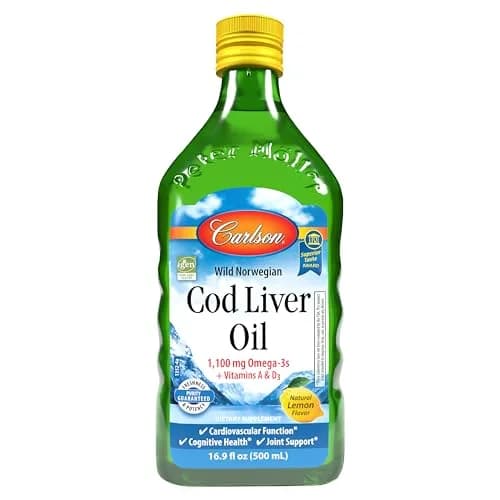
Carlson Cod Liver Oil Liquid Lemon 16.9oz
Carlson
OverallForm: LiquidPrice: $0.28/serving
Buy Now on Amazon
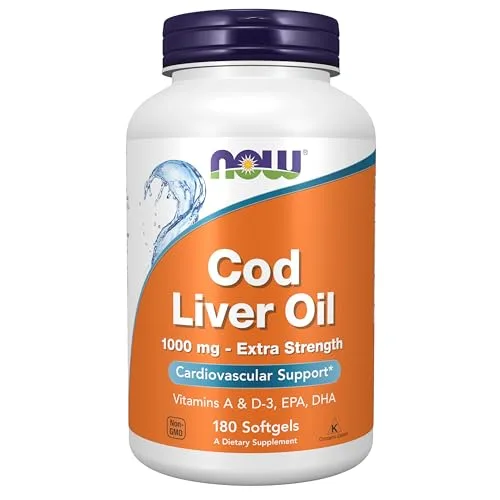
NOW Foods Cod Liver Oil Extra Strength 1000mg 180ct
NOW Foods
BudgetForm: SoftgelPrice: $0.08/serving
Buy Now on Amazon
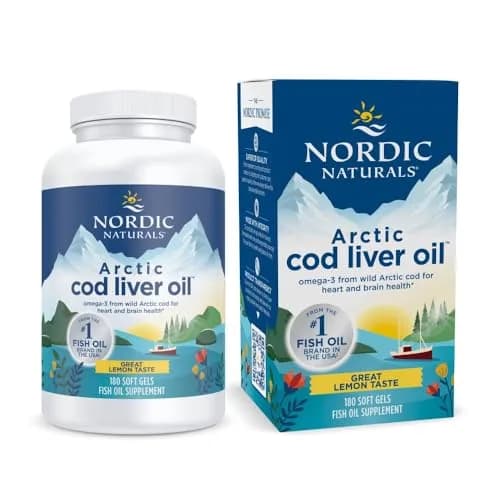
Nordic Naturals Arctic CLO Softgels Lemon 180ct
Nordic Naturals
Best SoftgelsForm: SoftgelPrice: $0.62/serving (3 softgels)
Buy Now on Amazon
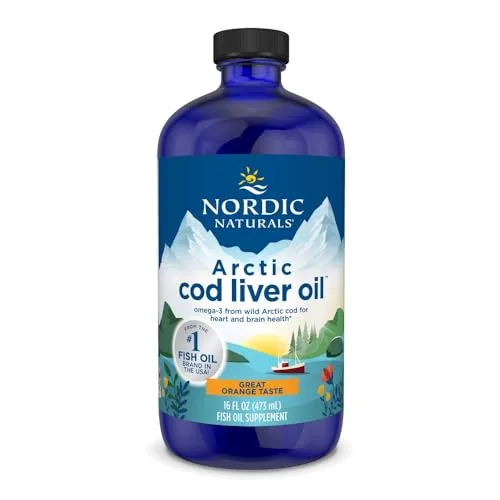
Nordic Naturals Arctic CLO Liquid Orange 16oz
Nordic Naturals
Best TasteForm: LiquidPrice: $0.39/serving
Buy Now on Amazon
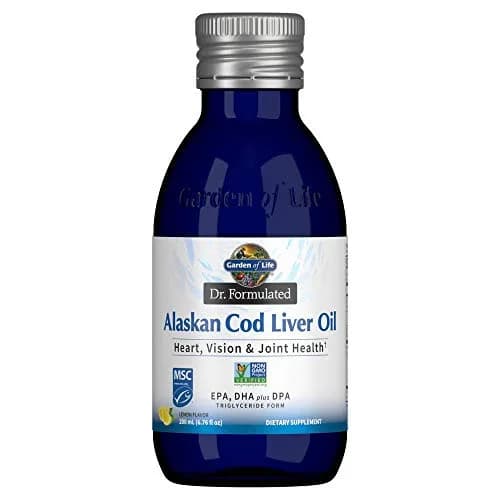
Garden of Life Dr. Formulated Alaskan CLO Liquid 6.76oz
Garden of Life
Sustainably SourcedForm: LiquidPrice: $0.55/serving
Buy Now on Amazon

Medication Interactions & Contraindications

Drug Interactions

Warfarin
moderate
Anticoagulant
Monitor INR closely. Omega-3 fatty acids in cod liver oil inhibit platelet aggregation and may enhance warfarin's anticoagulant effect, increasing bleeding risk.
Isotretinoin (Accutane)
major
Retinoid
Avoid concurrent use. Both cod liver oil and isotretinoin provide vitamin A. Combined intake greatly increases risk of hypervitaminosis A, which can cause liver damage, pseudotumor cerebri, and birth defects.
Cholecalciferol (Vitamin D3 supplements)
moderate
Vitamin supplement
Monitor total vitamin D intake. Cod liver oil provides 400-1000 IU vitamin D per teaspoon. Combined with supplements, total intake should not chronically exceed 4000 IU/day without medical supervision and blood monitoring.
Orlistat
moderate
Lipase inhibitor
Separate doses by at least 2 hours. Orlistat blocks fat absorption and will significantly reduce absorption of fat-soluble vitamins A and D from cod liver oil.

Who Should NOT Take This

Hypervitaminosis A or vitamin A toxicity(absolute)
Cod liver oil provides preformed vitamin A (retinol). In individuals already at risk of or experiencing vitamin A toxicity, additional retinol intake can cause liver damage, increased intracranial pressure, and bone abnormalities.
Pregnancy (high-dose vitamin A concern)(relative)
Preformed vitamin A (retinol) intake above 10,000 IU/day during pregnancy is associated with birth defects. Standard cod liver oil doses (1 tsp) provide ~4500 IU, which is within safe limits, but total dietary vitamin A intake must be monitored. Some prenatal vitamins already contain retinol.
Fish or shellfish allergy(absolute)
Cod liver oil is derived from cod fish. Individuals with fish allergies may experience allergic reactions ranging from mild GI upset to anaphylaxis. Must be avoided.
Bleeding disorders or upcoming surgery(relative)
Omega-3 fatty acids inhibit platelet aggregation and may increase bleeding time. Discontinue 1-2 weeks before elective surgery and use with caution in individuals with bleeding disorders.

This information is for educational purposes only. Always consult your healthcare provider before starting or stopping any supplement, especially if you take prescription medications.

Side Effects and Safety

Safety profile: Generally Safe

Potential Side Effects

  • Fishy aftertaste and burping — the most common complaint; reduced by enteric-coated capsules, taking with meals, or refrigerating liquid oil
  • GI discomfort — nausea, loose stools, or heartburn at higher doses
  • Vitamin A toxicity risk — unlike regular fish oil, cod liver oil contains preformed vitamin A (retinol); chronic intake above 10,000 IU/day can cause liver damage, headache, and bone thinning
  • Mild anticoagulant effect — omega-3s inhibit platelet aggregation; may increase bruising at high doses
  • Fishy body odor at higher doses reported by some users

Drug & Supplement Interactions

  • Anticoagulants (warfarin, heparin, aspirin) — omega-3s inhibit platelet aggregation; additive bleeding risk
  • Retinoid medications (isotretinoin, acitretin) — additive vitamin A toxicity; concurrent use may cause hypervitaminosis A
  • Vitamin D supplements — cod liver oil already provides vitamin D; combined intake may exceed safe upper limits
  • Antihypertensives — omega-3s may modestly lower blood pressure; additive hypotensive effect possible
  • Orlistat — fat-blocking drugs reduce absorption of fat-soluble vitamins A and D from cod liver oil
Check Cod Liver Oil interactions with other supplements →
BenefitsDosage GuideSide EffectsTypes & FormsResearchFAQ

Related Conditions

Related Supplements

Frequently Asked Questions

How is cod liver oil different from regular fish oil?

Regular fish oil is extracted from the body tissue of oily fish and primarily provides EPA and DHA omega-3 fatty acids. Cod liver oil is specifically from cod livers and naturally contains significant amounts of vitamins A (retinol) and D3 in addition to omega-3s. This makes cod liver oil a three-in-one supplement but also means it has a vitamin A toxicity ceiling that regular fish oil does not. If you need high-dose omega-3s (3g+ EPA+DHA), regular fish oil is safer because you avoid excessive vitamin A intake.

Can I take cod liver oil and a multivitamin together?

You can, but check the vitamin A and vitamin D content of both. A typical teaspoon of cod liver oil provides ~4500 IU vitamin A and ~450 IU vitamin D. Many multivitamins also contain these vitamins. Total daily preformed vitamin A (retinol) should stay below 10,000 IU for adults (lower for pregnant women), and vitamin D should not chronically exceed 4000 IU without medical supervision. Add up your total from all sources.

Is fermented cod liver oil better than regular?

Fermented cod liver oil (FCLO) is produced through a cold-extraction fermentation process rather than heat and chemical processing. Proponents claim this preserves heat-sensitive nutrients and provides naturally occurring vitamin K2. However, FCLO is controversial — a 2015 independent analysis found some FCLO products contained rancid oils and inconsistent vitamin levels. There are no head-to-head clinical trials comparing fermented vs. regular cod liver oil. Choose reputable brands with third-party testing regardless of processing method.

Is cod liver oil safe during pregnancy?

In moderation, cod liver oil can be beneficial during pregnancy due to its omega-3 (DHA for fetal brain development) and vitamin D content. However, the vitamin A (retinol) content requires careful monitoring — excessive preformed vitamin A (above 10,000 IU/day) during pregnancy is linked to birth defects. A standard 1-teaspoon dose (~4500 IU vitamin A) is generally considered safe, but total daily retinol from all sources (prenatal vitamins, fortified foods, diet) must be tracked. Consult your OB-GYN.

What should I look for in a quality cod liver oil?

Key quality markers include: third-party testing for heavy metals (mercury, lead, PCBs) and oxidation markers (peroxide and anisidine values), clearly labeled EPA, DHA, vitamin A, and vitamin D content per serving, molecular distillation or equivalent purification process, IFOS (International Fish Oil Standards) certification, and sourcing from wild-caught Atlantic cod. Avoid products that don't disclose their purification method or heavy metal testing results.

Can children take cod liver oil?

Yes, cod liver oil has been given to children for over 200 years and was historically the primary method of preventing rickets. Modern pediatric dosing is typically 1/2 to 1 teaspoon for children, providing vitamin D and omega-3s important for bone growth and brain development. However, the vitamin A content requires age-appropriate dosing — children have lower safe upper limits for vitamin A than adults. Use child-specific cod liver oil products with appropriate vitamin levels, and consult your pediatrician for dosing.

How do I avoid fishy aftertaste from cod liver oil?

Several strategies reduce or eliminate fishy taste and burps: choose flavored liquid oils (lemon and orange are common), take enteric-coated softgels that dissolve in the intestine rather than the stomach, refrigerate or freeze liquid oil before taking, take it at the beginning of a meal rather than on an empty stomach, or start with a lower dose and gradually increase. Some brands use advanced purification that significantly reduces the fishy taste.

Does cod liver oil help with joint pain?

Moderate evidence supports omega-3 fatty acids for inflammatory joint conditions. Goldberg & Katz (2007) meta-analyzed fish oil trials in rheumatoid arthritis and found significant reductions in joint pain intensity and morning stiffness. The anti-inflammatory mechanism involves EPA and DHA being converted to resolvins and protectins that actively resolve inflammation. Cod liver oil provides the added benefit of vitamin D, which also plays a role in inflammatory regulation. For osteoarthritis specifically, the evidence is less robust than for inflammatory arthritis.

Continue Reading

References

  1. Manson JE, Cook NR, Lee IM, Christen W, Bassuk SS, Mora S, Gibson H, Gordon D, Copeland T, D'Agostino D, Friedenberg G, Ridge C, Bubes V, Giovannucci EL, Willett WC, Buring JE (2019). Vitamin D supplements and prevention of cancer and cardiovascular disease. New England Journal of Medicine. DOI PubMed
  2. Aung T, Halsey J, Kromhout D, Gerstein HC, Marchioli R, Tavazzi L, Geleijnse JM, Rauch B, Ness A, Galan P, Chew EY, Bosch J, Collins R, Lewington S, Armitage J, Clarke R (2018). Associations of omega-3 fatty acid supplement use with cardiovascular disease risks: meta-analysis of 10 trials involving 77917 individuals. JAMA Cardiology. DOI PubMed
  3. Martineau AR, Jolliffe DA, Hooper RL, Greenberg L, Aloia JF, Bergman P, Dubnov-Raz G, Esposito S, Ganmaa D, Ginde AA, Goodall EC, Grant CC, Griffiths CJ, Janssens W, Laaksi I, Manaseki-Holland S, Mauger D, Murdoch DR, Neale R, Rees JR, Simpson S, Stelmach I, Kumar GT, Urashima M, Camargo CA (2017). Vitamin D supplementation to prevent acute respiratory tract infections: systematic review and meta-analysis of individual participant data. BMJ. DOI PubMed
  4. Goldberg RJ, Katz J (2007). A meta-analysis of the analgesic effects of omega-3 polyunsaturated fatty acid supplementation for inflammatory joint pain. Pain. DOI PubMed
  5. Rajakumar K (2003). Vitamin D, cod-liver oil, sunlight, and rickets: a historical perspective. Pediatrics. DOI PubMed
  6. Gruenwald J, Graubaum HJ, Harde A (2002). Effect of cod liver oil on symptoms of rheumatoid arthritis. Advances in Therapy. DOI PubMed