Supplement ScienceSupplementScience
Eye Health

Best Supplements for Eye Health

Prevalence: 12 million Americans aged 40+ have vision impairment (NEI/CDC)

·

This content is for informational purposes only and does not constitute medical advice. Statements about dietary supplements have not been evaluated by the FDA and are not intended to diagnose, treat, cure, or prevent any disease. Individual results may vary — consult your healthcare provider before starting any supplement. Full disclaimer

Lutein (10mg) and zeaxanthin (2mg) daily are the most evidence-backed eye supplements, shown to reduce AMD progression...

Lutein (10mg) and zeaxanthin (2mg) daily are the most evidence-backed eye supplements, shown to reduce AMD progression by 18% in the AREDS2 trial. Omega-3 fatty acids (1-2g EPA/DHA) support retinal health and dry eye symptoms. Vitamin A (700-900mcg RAE) is essential for night vision and corneal integrity.

Get the free evidence-based Eye Health guide — delivered in 60 seconds.

No spam. Unsubscribe anytime.

Overview

Vision impairment affects over 12 million Americans aged 40 and older, with age-related macular degeneration (AMD) and cataracts being the most common causes. The landmark AREDS2 trial established that specific nutrient supplementation can slow progression of AMD, and additional research supports several supplements for overall eye health.
Understanding Eye Health

Age-related eye conditions — particularly macular degeneration (AMD) and cataracts — are among the most supplement-responsive chronic diseases, with the AREDS and AREDS2 trials providing some of the strongest evidence in all of nutritional science. The macula (the central retina responsible for sharp vision) is extremely vulnerable to oxidative damage due to constant light exposure and high metabolic activity. It protects itself using macular pigment, composed primarily of two carotenoids: lutein and zeaxanthin. These pigments absorb damaging blue light and neutralize free radicals. As we age, macular pigment density declines, increasing vulnerability to AMD. Supplementation can restore macular pigment density and dramatically slow disease progression.

What the Research Shows

The AREDS2 trial (2013, n=4,203) is the gold standard — a large-scale, multi-center RCT sponsored by the National Eye Institute. It found that a specific combination of lutein (10mg), zeaxanthin (2mg), vitamin C (500mg), vitamin E (400 IU), zinc (80mg as oxide), and copper (2mg) reduced progression to advanced AMD by 25% over 5 years. AREDS2 replaced beta-carotene (used in AREDS1) with lutein/zeaxanthin due to increased lung cancer risk with beta-carotene in smokers. Lutein and zeaxanthin are the primary macular pigment carotenoids. A 2017 meta-analysis by Ma et al. confirmed that lutein supplementation (10-20mg daily) significantly increased macular pigment optical density and improved visual function, particularly contrast sensitivity. Omega-3 fatty acids were included in the AREDS2 trial but did not show additional benefit beyond the AREDS2 formula. However, observational data consistently links higher omega-3 intake with lower AMD risk, and DHA is a major structural component of retinal photoreceptor cell membranes.

What to Look For in Supplements

For AMD prevention or management, use the exact AREDS2 formula: lutein 10mg + zeaxanthin 2mg + vitamin C 500mg + vitamin E 400 IU + zinc 80mg + copper 2mg. PreserVision AREDS 2 (Bausch + Lomb) is the branded version, but generic equivalents matching the formula are equally effective. For general eye health, lutein 10-20mg + zeaxanthin 2-4mg daily from marigold extract. Take with a fat-containing meal — lutein and zeaxanthin are fat-soluble carotenoids with significantly higher absorption when taken with dietary fat.

What Doesn't Work (And Why)

Bilberry extract, despite a long marketing history based on WWII-era RAF pilot anecdotes, has inconsistent evidence from modern clinical trials — a 2012 systematic review found insufficient evidence to recommend bilberry for any eye condition. Eye-specific proprietary blends that deviate from the AREDS2 formula may underdose key ingredients. Ginkgo biloba for glaucoma has shown mixed results in small trials. Blue light blocking supplements are marketed aggressively but lutein/zeaxanthin already filter blue light naturally within the macula.

Combination Protocol

For AMD risk reduction (age 50+ or family history): use the AREDS2 formula daily — lutein 10mg, zeaxanthin 2mg, vitamin C 500mg, vitamin E 400 IU, zinc 80mg, copper 2mg. This is the single most evidence-backed supplement protocol in ophthalmology. For general eye health maintenance: lutein 10mg + zeaxanthin 2mg daily with a fat-containing meal. Add omega-3 EPA+DHA 2g daily for general anti-inflammatory retinal support. Note: the zinc dose in AREDS2 (80mg) is well above the tolerable upper limit (40mg) — this is an intentional clinical dose studied under medical supervision. Discuss with your ophthalmologist.

When to See a Doctor

Eye-health supplements address long-term risk factors (AMD, dry eye nutrition); they do not treat acute vision loss, eye injury, or infection. Call 911 or go to the emergency department for sudden loss of vision in one or both eyes (possible retinal artery occlusion, retinal detachment, or stroke), severe eye pain with nausea and a fixed dilated pupil (possible acute angle-closure glaucoma), flashes of light with a curtain or shadow over vision, sudden double vision with headache or weakness, chemical exposure, or penetrating eye injury. Book urgent ophthalmology for new floaters or flashes, persistent redness with vision change, light sensitivity with headache, or a painful red eye with contact-lens use (keratitis rule-out). Regular dilated exams remain the cornerstone of eye-health care; lutein, zeaxanthin, AREDS2 nutrients, and omega-3s are evidence-backed adjuncts for AMD and dry eye specifically — not general prevention.

Top Evidence-Based Supplements for Eye Health

#SupplementTypical DoseEvidence
1Lutein & Zeaxanthin10mg lutein + 2mg zeaxanthin dailyStrong
See top lutein & zeaxanthin picks →
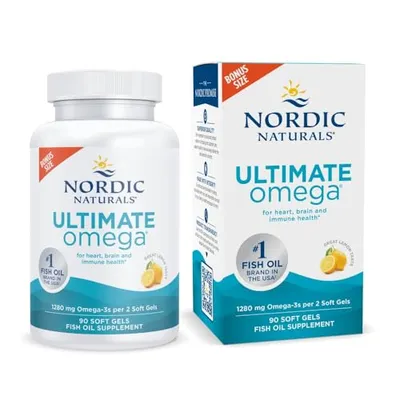
2Omega-3 Fatty Acids (DHA)1-2g EPA/DHA dailyModerate
See top omega-3 fatty acids (dha) picks →
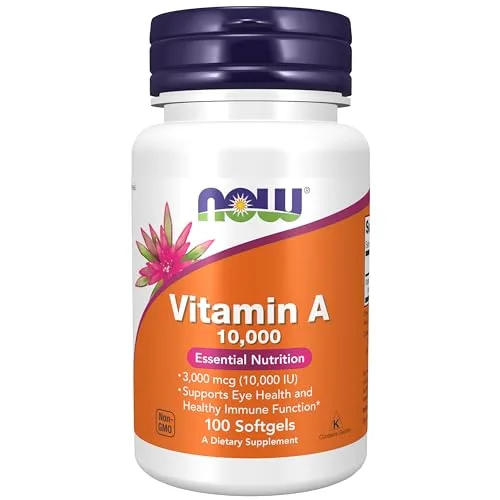
3Vitamin A700-900mcg RAE dailyStrong
See top vitamin a picks →

Top Product Picks

As an Amazon Associate, we earn from qualifying purchases. Some links below are affiliate links — this doesn't affect our editorial independence or product ratings. How we evaluate products

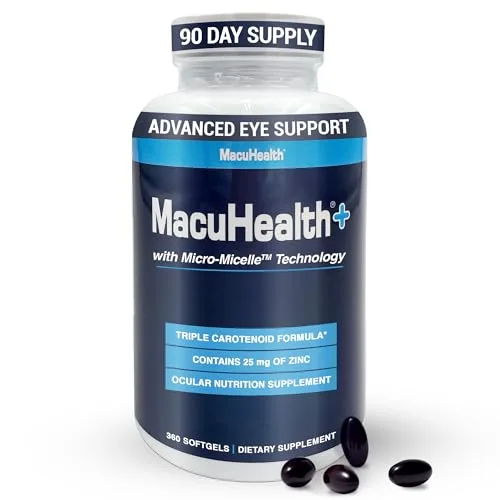
MacuHealth Plus+

MacuHealth Plus+

Macuhealth

9.4/10
Best overall triple-carotenoid macular support$1.05/serving
Sports Research Triple Strength Omega-3

Sports Research Triple Strength Omega-3

Sports Research

9.1/10
Heart health / EPA-predominant$0.31/serving
Nordic Naturals Vitamin A + D3

Nordic Naturals Vitamin A + D3

Nordic Naturals

8.9/10
Best vitamin A + D combination$0.14/serving

Detailed Ingredient Guides

Lutein
Carotenoid
Lutein is a carotenoid that accumulates in the macula and protects against blue light damage and oxidative stress. The AREDS2 trial showed 10 mg/day lutein (with 2 mg zeaxanthin) reduced the risk of advanced AMD progression. Most eye health experts recommend 10-20 mg daily.
Omega-3
Essential Fatty Acid
Omega-3 fatty acids (EPA + DHA) reduce inflammation, support heart and brain health, and may improve mood. The REDUCE-IT trial showed high-dose EPA (4g/day) reduced cardiovascular events by 25%. Most adults benefit from 1,000-2,000mg combined EPA+DHA daily.
Vitamin A
Fat-Soluble Vitamin
Vitamin A is essential for vision, immune function, and skin health. Preformed retinol (from animal sources) is the most bioavailable form, while beta-carotene from plants must be converted. Most adults need 700-900 mcg RAE daily. Deficiency impairs night vision and immune defense.
AREDS2 Formula
Multi-Nutrient Formula
The AREDS2 formula is the gold standard for AMD supplementation, clinically proven in a trial of 4,203 participants to reduce progression to advanced AMD by approximately 25%. It replaced beta-carotene with lutein/zeaxanthin for improved safety. Recommended for those with intermediate AMD or advanced AMD in one eye.
Astaxanthin (Eye Health)
Carotenoid
Astaxanthin is a powerful carotenoid antioxidant that crosses the blood-retinal barrier. Clinical studies show 6-12 mg daily reduces eye fatigue, improves accommodative function, and increases retinal capillary blood flow. It is 6,000 times stronger than vitamin C as a singlet oxygen quencher.
Bilberry
Herbal Extract
Bilberry extract is rich in anthocyanins that support retinal microcirculation and may reduce eye fatigue from screen use. Clinical evidence is moderate for eye fatigue and retinal health. Typical doses are 160-480 mg standardized extract (25-36% anthocyanins) daily.
Meso-Zeaxanthin
Carotenoid
Meso-zeaxanthin is the third macular carotenoid, found at the very center of the fovea. Studies show 10 mg meso-zeaxanthin (combined with lutein and zeaxanthin) increases macular pigment density more effectively than lutein/zeaxanthin alone. It is rarely present in typical Western diets.
Saffron (Macular Health)
Herbal Extract
Saffron contains crocin and crocetin, carotenoids that protect retinal cells and improve macular function. Multiple RCTs show 20 mg/day improves visual acuity in early AMD within 3 months. It is one of the most promising emerging treatments for age-related macular degeneration.
Vitamin B2 (Riboflavin)
Water-Soluble Vitamin
Vitamin B2 (riboflavin) is essential for energy metabolism and has strong evidence for migraine prevention at 400 mg daily. A key RCT found it reduced migraine frequency by 50%. Most adults need just 1.1-1.3 mg daily for basic needs.
Vitamin E
Fat-Soluble Vitamin
Vitamin E is a fat-soluble antioxidant that protects cell membranes from oxidative damage. While essential for immunity and skin health, high-dose supplements (≥400 IU/day) may increase mortality risk. Most adults should get 15 mg (22 IU) daily, preferably from food sources.
Zeaxanthin
Carotenoid
Zeaxanthin works with lutein to form the protective macular pigment that shields the fovea from blue light and oxidative stress. The AREDS2 trial used 2 mg zeaxanthin with 10 mg lutein to reduce AMD progression. Most supplements pair it with lutein at a 1:5 ratio.
Cod Liver Oil
Fish Oil
Cod liver oil provides a unique combination of omega-3s (EPA/DHA), vitamin A, and vitamin D3 in a single supplement. Strong evidence supports benefits for bone health, moderate evidence for cardiovascular protection and immune function.

Related Conditions

Related Research

Learn More

Frequently Asked Questions

What supplements are best for eye health?

The most evidence-backed eye supplements are lutein (10mg) and zeaxanthin (2mg), which are the only carotenoids found in the macula and lens. The AREDS2 trial, one of the largest eye supplement studies ever conducted, showed this combination reduced AMD progression by 18%. Omega-3s (DHA especially) support retinal cell membranes, and vitamin A is essential for night vision.

Evidence:RCT (2013) · n=4,203 · high confidence[#1]. See full reference list below.

Can supplements prevent macular degeneration?

While supplements cannot cure AMD, the AREDS2 trial demonstrated that a specific formula containing lutein (10mg), zeaxanthin (2mg), vitamin C (500mg), vitamin E (400 IU), zinc (80mg), and copper (2mg) slowed progression of intermediate AMD to advanced AMD. These supplements are recommended by ophthalmologists for patients at risk of or with early-stage AMD.

Does lutein really help your eyes?

Yes. Lutein and zeaxanthin are macular pigments that filter harmful blue light and act as antioxidants in the retina. The AREDS2 trial involving 4,203 participants showed significant benefits. Additionally, observational studies consistently show higher dietary lutein intake is associated with lower risk of cataracts and AMD. Good food sources include kale, spinach, and egg yolks.

Continue Reading

References

  1. RCTAge-Related Eye Disease Study 2 Research Group (2013). Lutein + zeaxanthin and omega-3 fatty acids for age-related macular degeneration: the AREDS2 randomized clinical trial. JAMA. DOI PubMed
  2. Meta-analysisChong EW, Kreis AJ, Wong TY, et al. (2008). Dietary omega-3 fatty acid and fish intake in the primary prevention of age-related macular degeneration. Archives of Ophthalmology. DOI PubMed