Supplement ScienceSupplementScience
Heart Health

Best Supplements for Heart Health

Prevalence: ~697,000 US deaths per year from heart disease (CDC, leading cause of death)

·

This content is for informational purposes only and does not constitute medical advice. Statements about dietary supplements have not been evaluated by the FDA and are not intended to diagnose, treat, cure, or prevent any disease. Individual results may vary — consult your healthcare provider before starting any supplement. Full disclaimer

CoQ10 (100-300mg/day) lowers blood pressure and improves heart failure outcomes.

CoQ10 (100-300mg/day) lowers blood pressure and improves heart failure outcomes. Omega-3 fatty acids (2-4g EPA/DHA) reduce triglycerides by 20-30%. Magnesium (300-400mg/day) supports healthy blood pressure and heart rhythm. All three have strong evidence from randomized controlled trials.

Get the free evidence-based Heart Health guide — delivered in 60 seconds.

No spam. Unsubscribe anytime.

Overview

Heart disease is the leading cause of death in the United States, claiming roughly 697,000 lives each year. Alongside lifestyle modifications like exercise and diet, several supplements have demonstrated cardiovascular benefits in large-scale clinical trials, including reductions in triglycerides, blood pressure, and markers of oxidative stress.
Understanding Heart Health

Heart disease kills more Americans than all cancers combined, yet the supplement industry focuses disproportionately on trendy categories like gut health and brain fog while cardiovascular support is undertreated. The root mechanisms of cardiovascular disease are well understood: atherosclerosis (plaque buildup driven by oxidized LDL and chronic inflammation), endothelial dysfunction (impaired blood vessel dilation), dyslipidemia (especially elevated triglycerides and small dense LDL), and cardiac energy deficiency (the heart is the most metabolically active organ, beating 100,000 times daily). Statins address one piece — LDL cholesterol — but they deplete CoQ10 (the heart's primary energy cofactor), do not address triglycerides effectively, and leave residual cardiovascular risk. Blood pressure medications manage symptoms without addressing the magnesium deficiency that contributes to vascular tension in millions of Americans. The three supplements with the strongest cardiovascular evidence — CoQ10, omega-3 fatty acids, and magnesium — each address distinct mechanisms that pharmaceutical interventions miss or even worsen. This is not about replacing medications but about filling therapeutic gaps that medications leave open.

What the Research Shows

CoQ10 (coenzyme Q10) is essential for mitochondrial energy production in every cell, but the heart — which cannot rest or reduce its workload — is uniquely vulnerable to CoQ10 depletion. The landmark Q-SYMBIO trial by Mortensen et al. (2014), published in JACC: Heart Failure, randomized 420 patients with moderate-to-severe heart failure to either 100mg CoQ10 three times daily or placebo for 2 years. The results were striking: CoQ10 reduced major adverse cardiovascular events (MACE) by 43% and cardiovascular mortality by 43%. This was a rigorous, multicenter, double-blind trial — the gold standard of evidence. For blood pressure, a meta-analysis by Rosenfeldt et al. (2007) of 12 clinical trials found CoQ10 reduced systolic blood pressure by up to 17 mmHg and diastolic by up to 10 mmHg. CoQ10 is particularly important for statin users: statins inhibit the mevalonate pathway, which produces both cholesterol and CoQ10. Studies show statin therapy reduces circulating CoQ10 by 40%, contributing to the muscle pain and fatigue that cause 10-25% of patients to discontinue treatment. Omega-3 fatty acids have the largest evidence base of any cardiovascular supplement. The REDUCE-IT trial by Bhatt et al. (2019), published in the New England Journal of Medicine, demonstrated that 4g/day of icosapent ethyl (purified EPA) reduced cardiovascular events by 25% in statin-treated patients with elevated triglycerides. This was a massive trial with 8,179 patients followed for a median of 4.9 years. At more typical supplemental doses (2-4g EPA+DHA), omega-3s consistently reduce triglycerides by 20-30% — an effect size comparable to fibrate medications. The American Heart Association formally recommends omega-3 supplementation for patients with coronary heart disease (1g/day) and for triglyceride reduction (2-4g/day). Beyond lipid effects, omega-3s reduce resting heart rate, lower blood pressure modestly, decrease platelet aggregation, and reduce inflammatory markers associated with plaque instability. Magnesium affects cardiovascular health through multiple mechanisms: it regulates vascular smooth muscle tone (deficiency causes vasoconstriction and elevated blood pressure), maintains cardiac electrical stability (deficiency increases arrhythmia risk), and modulates inflammatory pathways. A meta-analysis by Zhang et al. (2012) of 34 RCTs found magnesium supplementation reduced systolic blood pressure by 2.00 mmHg and diastolic by 1.78 mmHg — modest individually but clinically significant at a population level. More importantly, Dibaba et al. (2017) published a dose-response meta-analysis showing that each 100mg/day increase in dietary magnesium was associated with a 22% lower risk of heart failure and an 8% lower risk of stroke.

What to Look For in Supplements

For CoQ10, the ubiquinol form (reduced CoQ10) is 2-8x better absorbed than ubiquinone (oxidized CoQ10), especially in people over 40 whose ability to convert ubiquinone to the active ubiquinol form declines. Kaneka QH is the most validated ubiquinol source. Always take CoQ10 with a fat-containing meal — as a fat-soluble compound, absorption increases 3-fold with dietary fat. For omega-3, purity and EPA+DHA concentration are the key metrics. Products should carry IFOS 5-star certification (testing for oxidation, PCBs, dioxins, and mercury). Triglyceride-form fish oil has better absorption than ethyl ester form. For cardiovascular benefits, aim for products delivering 2+ grams of combined EPA+DHA per serving. For magnesium, taurate and glycinate are the preferred forms for heart health — taurine itself has cardiovascular benefits, making magnesium taurate a two-for-one compound.

What Doesn't Work (And Why)

Red yeast rice is frequently promoted as a "natural statin alternative," but it carries the same risks as prescription statins (muscle pain, liver toxicity, CoQ10 depletion) because its active ingredient is literally monacolin K — chemically identical to lovastatin. Worse, red yeast rice products have wildly variable monacolin K content and may contain the nephrotoxin citrinin. If you need a statin, a pharmaceutical statin with known dosing and quality control is safer. Garlic supplements for cholesterol reduction have disappointing evidence — a meta-analysis by Ried et al. (2013) found only marginal LDL reductions of 5-8%, far less than statins or even plant sterols. Nattokinase is promoted as a blood thinner, but its fibrinolytic effects demonstrated in vitro have not been convincingly replicated in well-designed human trials, and it may interact dangerously with anticoagulant medications. Niacin (vitamin B3) was once used for HDL raising, but the AIM-HIGH trial (2011) and HPS2-THRIVE trial (2014) both showed that niacin added to statin therapy provided no additional cardiovascular benefit while increasing serious side effects. Plant sterols reduce LDL by 5-15% but have no evidence for reducing actual cardiovascular events.

Combination Protocol

The evidence-based cardiovascular support stack combines CoQ10 (200-300mg ubiquinol daily, taken with the largest fat-containing meal), omega-3 fish oil (2-4g combined EPA+DHA, split into two daily doses with meals), and magnesium taurate or glycinate (300-400mg elemental, taken with dinner). CoQ10 supports cardiac energy production and is essential for statin users. Omega-3s reduce triglycerides, lower inflammation, and decrease cardiovascular event risk. Magnesium supports blood pressure regulation and cardiac electrical stability. This stack addresses three independent cardiovascular risk mechanisms and all three supplements have safety data supporting long-term use. If on blood thinners, consult your physician before starting omega-3s at doses above 2g/day, as high-dose EPA+DHA may enhance anticoagulant effects.

When to See a Doctor

Heart-health supplements support population-level risk factors (LDL, blood pressure, inflammation); they do not treat symptomatic coronary disease. Call 911 or emergency services immediately for chest pain or pressure lasting more than a few minutes (especially if radiating to the arm, jaw, or back); sudden shortness of breath or cold sweat; fainting; racing or irregular heartbeat with chest discomfort; sudden severe headache with neurologic symptoms; or sudden severe leg pain and swelling (possible deep-vein thrombosis). Book same-week cardiology or primary-care follow-up for any new exertional chest pain, unexplained palpitations, persistent fatigue with shortness of breath, ankle swelling, or a strong family history of early cardiac events. Statin therapy, blood-pressure medication, and antiplatelet agents (when indicated) remain first-line; omega-3s, CoQ10, berberine, and magnesium are adjuncts evaluated alongside those therapies.

Top Evidence-Based Supplements for Heart Health

#SupplementTypical DoseEvidence
1Coenzyme Q10 (CoQ10)100-300mg dailyStrong
See top coenzyme q10 (coq10) picks →
2Omega-3 Fatty Acids (EPA/DHA)2-4g EPA/DHA dailyStrong
See top omega-3 fatty acids (epa/dha) picks →
3Magnesium300-400mg dailyStrong
See top magnesium picks →

Top Product Picks

As an Amazon Associate, we earn from qualifying purchases. Some links below are affiliate links — this doesn't affect our editorial independence or product ratings. How we evaluate products

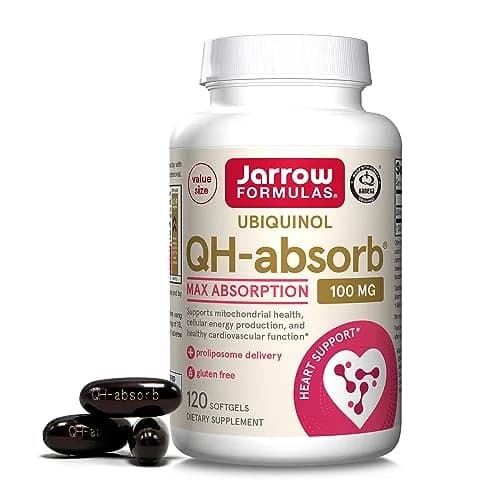
Jarrow Formulas QH-Absorb Ubiquinol 100mg

Jarrow Formulas QH-Absorb Ubiquinol 100mg

Jarrow Formulas

9.3/10
Overall best ubiquinol CoQ10$0.81/serving
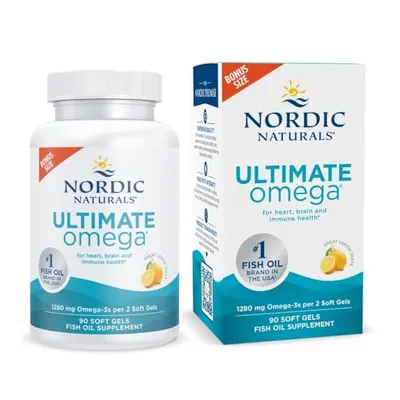
Sports Research Triple Strength Omega-3

Sports Research Triple Strength Omega-3

Sports Research

9.1/10
Heart health / EPA-predominant$0.31/serving
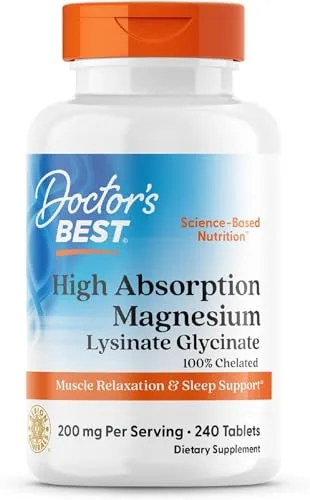
Doctor's Best High Absorption Magnesium Glycinate

Doctor's Best High Absorption Magnesium Glycinate

Doctor's BEST

9.2/10
Overall / Sleep support$0.17/serving

Detailed Ingredient Guides

Coenzyme Q10 (CoQ10)
Coenzyme / Antioxidant
CoQ10 is a mitochondrial coenzyme essential for cellular energy production and a powerful antioxidant. The landmark Q-SYMBIO trial (2014) showed CoQ10 reduced major cardiovascular events by 43% in heart failure patients. Standard dose is 100-300mg daily, with ubiquinol being approximately 2x more bioavailable than ubiquinone.
Omega-3
Essential Fatty Acid
Omega-3 fatty acids (EPA + DHA) reduce inflammation, support heart and brain health, and may improve mood. The REDUCE-IT trial showed high-dose EPA (4g/day) reduced cardiovascular events by 25%. Most adults benefit from 1,000-2,000mg combined EPA+DHA daily.
Magnesium
Mineral Supplement
Magnesium is an essential mineral that supports muscle function, sleep quality, and stress management. Most adults benefit from 200-400mg daily, with magnesium glycinate being the best-absorbed form for general use.
Krill Oil
Omega-3 Supplement
Krill oil provides phospholipid-bound omega-3s (EPA and DHA) with up to 68% better cell membrane incorporation than fish oil triglycerides. At 1-3g daily, it supports heart health, reduces inflammation, lowers triglycerides, and relieves PMS symptoms. Natural astaxanthin prevents rancidity.
Bergamot (Citrus Bergamot)
Citrus Polyphenol Extract
Bergamot extract can lower LDL cholesterol by 20-30% and triglycerides by 20-25% in clinical studies, rivaling low-dose statin therapy. Its polyphenols also improve HDL function and blood glucose. Standard dosing is 500-1000mg bergamot polyphenolic fraction daily.
Beta-Sitosterol
Plant Sterol
Beta-sitosterol is a plant sterol best known for improving BPH urinary symptoms (increased flow rate, reduced residual volume) and lowering LDL cholesterol. Standard dosing is 60-130mg daily for prostate health or 800mg-2g daily as part of a plant sterol blend for cholesterol.
L-Carnitine
Amino Acid Derivative / Fat Metabolism
L-carnitine transports fatty acids into mitochondria for energy production, but supplementation does not enhance fat loss in healthy individuals (Villani et al., 2000). L-carnitine L-tartrate (LCLT) at 2 g/day reduces exercise-induced muscle damage and improves recovery markers (Spiering et al., 2007). Acetyl-L-carnitine (ALCAR) supports cognitive function, particularly in elderly populations.
Coenzyme Q10 (CoQ10)
Antioxidant / Energy Metabolism
CoQ10 (100-300 mg/day) is essential for mitochondrial ATP production and is a powerful antioxidant. The Q-SYMBIO trial (2014) showed 100 mg three times daily reduced cardiovascular mortality by 43% in heart failure patients. For exercise, benefits are modest and mainly observed in older or untrained individuals. Ubiquinol is the preferred form for supplementation due to superior absorption.
D-Ribose
Sugar / Energy Metabolism
D-ribose at 5-15 g/day is a structural precursor to ATP and may accelerate ATP recovery after intense exercise or ischemia. Evidence for athletic performance enhancement is limited and mixed. The strongest evidence is in cardiac patients with heart failure or ischemic heart disease, where ribose improved diastolic function and exercise tolerance (Omran et al., 2003). For healthy athletes, benefits are unproven.
Dong Quai
Traditional Herbal Medicine
Dong quai is a foundational herb in Traditional Chinese Medicine for menstrual health and blood circulation. As a standalone supplement, Western clinical evidence is limited — the one rigorous RCT (Hirata et al., 1997) found no benefit for menopausal symptoms when used alone. It is traditionally combined with other herbs in TCM formulas.
Vitamin B9 (Folate)
Water-Soluble Vitamin
Folate is essential for DNA synthesis and is critical during pregnancy to prevent neural tube defects. U.S. food fortification reduced NTDs by 28%. Methylfolate (5-MTHF) is the active form and is preferred for the 5-15% of people with MTHFR polymorphisms who cannot efficiently convert folic acid.
Garlic Extract (Aged / Allicin)
Herbal Extract
Garlic extract can lower systolic blood pressure by 5-8 mmHg and modestly reduce total and LDL cholesterol. Aged garlic extract (AGE) is the most studied form, with benefits for blood pressure, arterial stiffness, and immune function. Typical dosing is 600-1200mg AGE or 180mg allicin daily.
Grape Seed Extract
Polyphenol Extract
Grape seed extract is a potent antioxidant that can lower blood pressure by 5-8 mmHg systolic, improve endothelial function, and reduce oxidative stress markers. Its OPCs are 20x more potent than vitamin C as antioxidants. Standard dosing is 100-300mg standardized GSE daily.
Hawthorn Berry
Herbal Extract
Hawthorn berry extract improves symptoms of mild heart failure including exercise tolerance, fatigue, and shortness of breath. It works by enhancing cardiac output and dilating blood vessels. Standard dosing is 160-900mg standardized extract daily.
L-Citrulline
Amino Acid
L-Citrulline at 3-6 g/day (or 6-8 g citrulline malate) is more effective than L-arginine at raising blood arginine and nitric oxide levels. It improves exercise performance, reduces fatigue, and enhances blood flow. A 2019 meta-analysis confirmed significant improvements in high-intensity exercise performance.
Natto / Vitamin K2 (for Arteries)
Enzyme / Vitamin
Vitamin K2 (MK-7) activates proteins that prevent calcium from depositing in arteries, while nattokinase is a fibrinolytic enzyme that supports healthy blood flow. Together, they address arterial calcification and blood viscosity. Standard dosing is 100-200mcg K2 (MK-7) and/or 2000 FU nattokinase daily.
Omega-3 Fish Oil
Essential Fatty Acid
Omega-3 fish oil (EPA + DHA) at 2-4g daily reduces inflammatory markers like CRP by 15-30% and triglycerides by 15-25%. EPA is the primary anti-inflammatory component. Choose a product providing at least 1g combined EPA/DHA per serving for meaningful benefits.
Omega-7 (Sea Buckthorn)
Fatty Acid
Omega-7 (palmitoleic acid) from sea buckthorn oil may improve cardiovascular markers by lowering triglycerides, reducing CRP inflammation, and improving insulin sensitivity. It acts as a lipid-signaling molecule between fat tissue and the liver. Typical dosing is 210-420mg purified palmitoleic acid daily.
Pine Bark Extract (Pycnogenol)
Polyphenol / Antioxidant
Pycnogenol (pine bark extract) at 100-200mg daily enhances nitric oxide production, improving blood flow, cardiovascular health, and erectile function. The Prelox combination with L-arginine has strong evidence for mild-to-moderate ED. Also benefits blood pressure, blood sugar, and skin health.
Plant Sterols / Stanols
Lipid-Lowering Agent
Plant sterols and stanols reliably lower LDL cholesterol by 6-15% when consumed at 2-3g per day. They work by blocking cholesterol absorption in the gut. They are endorsed by the American Heart Association and carry an FDA-authorized health claim for reducing heart disease risk.
Policosanol
Long-Chain Fatty Alcohol
Policosanol is a sugar cane wax extract that Cuban studies claimed lowers LDL cholesterol by 20-30%. However, multiple independent replication studies have failed to confirm these dramatic effects, with most showing only modest or no cholesterol reduction. Evidence remains controversial — dosing is typically 10-20mg daily.
Potassium
Essential Macromineral
Potassium is essential for blood pressure regulation, muscle function, and heart rhythm. Most people fall short of the 2,600-3,400mg daily recommendation. Food sources (bananas, potatoes, spinach) are preferred. Supplements are typically limited to 99mg per pill by FDA regulation.
Red Yeast Rice
Fermented Supplement
Red yeast rice contains monacolin K (identical to lovastatin) and can lower LDL cholesterol by 15-25% in clinical studies. It is a popular natural alternative for people who cannot tolerate prescription statins. Standard dosing provides 10mg monacolin K daily.
Taurine
Amino Acid
Taurine at 1-3 g/day has broad physiological benefits including cardiovascular protection, exercise performance, and anti-aging effects. A 2023 Science paper showed taurine supplementation extended lifespan in mice and improved healthspan markers. It is also one of the best-studied amino acids for heart health.
Vitamin B3 (Niacin)
Water-Soluble Vitamin
Vitamin B3 exists as niacin, niacinamide, and nicotinamide riboside — all precursors to NAD+, essential for 400+ metabolic reactions. Niacin raises HDL cholesterol but causes flushing. Niacinamide supports skin health without flushing. NR is a newer NAD+ booster studied for aging.
Vitamin K2 (MK-7)
Fat-Soluble Vitamin
Vitamin K2 (especially MK-7) directs calcium to bones and away from arteries by activating osteocalcin and matrix Gla protein. MK-7 has a longer half-life than MK-4 and only needs once-daily dosing. Most adults benefit from 100-200 mcg MK-7 daily, especially when supplementing vitamin D and calcium.
Cod Liver Oil
Fish Oil
Cod liver oil provides a unique combination of omega-3s (EPA/DHA), vitamin A, and vitamin D3 in a single supplement. Strong evidence supports benefits for bone health, moderate evidence for cardiovascular protection and immune function.
Flaxseed Oil
Plant Oil
Flaxseed oil provides 7.3g ALA omega-3 per tablespoon, the richest plant source. At 1-2 tablespoons daily, it modestly reduces blood pressure, improves cholesterol ratios, supports skin hydration, and lowers inflammatory markers — though conversion to EPA/DHA is limited to 5-10%.
Hemp Seed Oil
Plant Oil
Hemp seed oil provides an optimal 3:1 omega-6 to omega-3 ratio with anti-inflammatory gamma-linolenic acid (GLA). At 1-2 tablespoons daily, it supports skin health, reduces eczema symptoms, lowers inflammatory markers, and provides cardiovascular benefits — all without THC or CBD.
Fish Oil
Omega-3 Supplement
Fish oil provides preformed EPA and DHA omega-3s — the gold standard for cardiovascular, brain, and anti-inflammatory support. At 1-3g combined EPA+DHA daily, it reduces triglycerides by 15-30%, lowers inflammation, supports cognitive function, and improves joint pain. High-dose EPA reduces cardiovascular events by 25%.

Related Conditions

Related Research

Learn More

Frequently Asked Questions

What is the best supplement for heart health?

Based on clinical evidence, omega-3 fatty acids (EPA/DHA) have the most robust data for cardiovascular risk reduction. The REDUCE-IT trial [2] showed a 25% reduction in cardiovascular events with high-dose EPA. CoQ10 is particularly beneficial for those on statins or with heart failure, while magnesium supports healthy blood pressure and cardiac rhythm.

Evidence:RCT (2019) · high confidence[#2]. See full reference list below.

Does CoQ10 help with heart disease?

Yes. The landmark Q-SYMBIO trial found that 300mg/day of CoQ10 reduced major adverse cardiovascular events by 43% in heart failure patients. CoQ10 is also important for those taking statins, as statins deplete natural CoQ10 levels. Typical doses range from 100-300mg daily in ubiquinol form for best absorption.

How much omega-3 should I take for heart health?

For general cardiovascular support, 1-2g of combined EPA/DHA daily is commonly recommended. For elevated triglycerides, clinical trials have used 2-4g/day with significant reductions of 20-30%. The American Heart Association supports omega-3 supplementation for patients with coronary heart disease. Always choose products tested for purity and heavy metals.

Can magnesium improve heart health?

Yes. Magnesium plays a critical role in cardiac electrical function and vascular tone. A meta-analysis of 34 randomized controlled trials found that magnesium supplementation significantly reduced blood pressure. Additionally, studies show magnesium deficiency is associated with increased risk of atrial fibrillation and other arrhythmias. Magnesium glycinate or taurate forms are preferred for cardiovascular support.

Built from 2,400+ clinical studies. Join the weekly research brief.

No spam. Unsubscribe anytime.

Continue Reading

References

  1. RCTMortensen SA, Rosenfeldt F, Kumar A, et al. (2014). The effect of coenzyme Q10 on morbidity and mortality in chronic heart failure: results from Q-SYMBIO. JACC: Heart Failure. DOI PubMed
  2. RCTBhatt DL, Steg PG, Miller M, et al. (2019). Cardiovascular Risk Reduction with Icosapent Ethyl for Hypertriglyceridemia (REDUCE-IT). New England Journal of Medicine. DOI PubMed