SupplementScience
Red Yeast Rice supplement
Fermented Supplement

Red Yeast Rice: Benefits, Dosage, Forms & Research

Fermented Supplement

This content is for informational purposes only and does not constitute medical advice. Consult your healthcare provider before starting any supplement. Full disclaimer

TL;DR — Quick Answer

Red yeast rice contains monacolin K (identical to lovastatin) and can lower LDL cholesterol by 15-25% in clinical studies. It is a popular natural alternative for people who cannot tolerate prescription statins. Standard dosing provides 10mg monacolin K daily.

Key Facts

What it is
A fermented rice product containing monacolin K, chemically identical to lovastatin
Primary benefits
  • Reduces LDL cholesterol by 15-25%
  • Lowers total cholesterol
  • May reduce triglycerides modestly
  • Supports cardiovascular risk reduction
  • Anti-inflammatory effects via mevalonate pathway
Typical dosage
1200-2400mg red yeast rice (providing 10mg monacolin K) daily
Evidence level
Strong
Safety profile
Safe with Caution

What the Research Says

Red yeast rice is one of the best-studied natural cholesterol-lowering supplements. The CCSPS trial (Lu et al., 2008) remains the largest cardiovascular outcomes study of any supplement, demonstrating significant reductions in cardiac events and mortality. Li et al. (2014) conducted a comprehensive meta-analysis confirming LDL reductions of 1.02 mmol/L across 13 randomized controlled trials. Becker et al. (2009) established its efficacy specifically in statin-intolerant patients. Key concerns include product variability — some brands contain citrinin (a nephrotoxic contaminant) — making third-party tested, standardized products essential.

Benefits of Red Yeast Rice

  • LDL cholesterol reduction — a 2014 meta-analysis in Atherosclerosis (13 RCTs, n=804) found red yeast rice reduced LDL-C by an average of 1.02 mmol/L (~39 mg/dL), comparable to low-dose statin therapy.
  • Total cholesterol improvement — the same meta-analysis reported significant total cholesterol reductions averaging 0.97 mmol/L across studies, with benefits appearing within 4-8 weeks.
  • Statin-intolerant patients — Becker et al. (2009) in Annals of Internal Medicine showed that red yeast rice 1800mg twice daily lowered LDL by 21.3% in patients who had discontinued statins due to myalgia, with minimal side effects.
  • Cardiovascular event reduction — the landmark CCSPS trial (n=4,870) demonstrated a 45% reduction in recurrent cardiac events over 4.5 years in post-MI patients taking a purified red yeast rice extract (Xuezhikang).
Did you know?

Red yeast rice is one of the best-studied natural cholesterol-lowering supplements.

Forms of Red Yeast Rice

FormBioavailabilityBest For
Standardized Extract CapsulesModerateMost reliable — verified monacolin K content per capsule ensures consistent dosing
Whole Powder CapsulesVariableTraditional use — contains full spectrum of monacolins but variable potency between brands
Xuezhikang (purified extract)HighClinical-grade — the specific extract used in the CCSPS trial with strongest evidence base

Dosage Recommendations

General recommendation: 1200-2400mg red yeast rice daily (standardized to ~10mg monacolin K)

Timing: Evening dosing preferred, as cholesterol synthesis peaks overnight • Take with food for best absorption.

Dosage by Condition

ConditionRecommended DoseEvidence
Elevated LDL cholesterol1200mg twice daily (providing 10mg monacolin K)Strong
Statin intolerance alternative1800mg twice dailyStrong
General cardiovascular maintenance1200mg dailyModerate

Upper limit: 4800mg/day (higher doses increase risk of statin-like side effects)

Our Top Red Yeast Rice Pick

Our recommendations are based on published research, not commission rates. Some links below are affiliate links — we may earn a commission at no extra cost to you. How we evaluate products

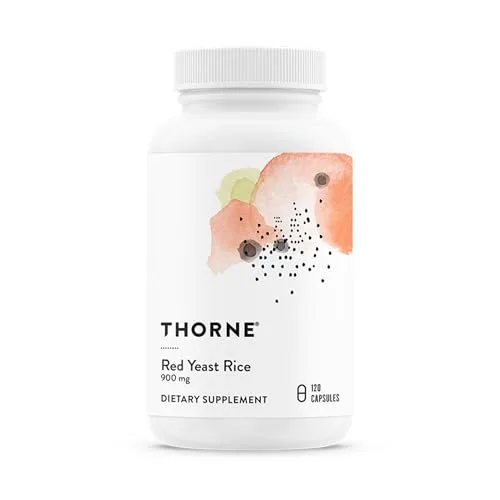
Thorne Choleast

Thorne Choleast

Thorne

9.2/10
Overall best red yeast rice for cholesterol support$0.50/serving

Side Effects and Safety

Safety profile: Safe with Caution

Potential Side Effects

  • GI discomfort (bloating, gas, heartburn) in 5-10% of users
  • Muscle pain or weakness (myalgia) — same mechanism as statins
  • Elevated liver enzymes at high doses — periodic monitoring recommended
  • Headache and dizziness (uncommon)

Drug & Supplement Interactions

  • Statin drugs — do not combine, as monacolin K is identical to lovastatin and effects are additive
  • CYP3A4 inhibitors (grapefruit, ketoconazole, erythromycin) — may increase monacolin K levels
  • Fibrates and niacin — increased myopathy risk when combined
  • Cyclosporine — significantly increases monacolin K blood levels
Check Red Yeast Rice interactions with other supplements →
BenefitsDosage GuideSide EffectsTypes & FormsResearchFAQ

Related Conditions

Related Supplements

Frequently Asked Questions

Is red yeast rice really the same as a statin drug?

The active compound monacolin K in red yeast rice is chemically identical to lovastatin (Mevacor). It inhibits HMG-CoA reductase, the same enzyme targeted by all statin drugs. However, red yeast rice also contains other monacolins, sterols, and isoflavones that may contribute additional benefits. Products vary widely in monacolin K content, so always choose a brand that discloses the monacolin K amount per capsule.

Can I take red yeast rice instead of my prescribed statin?

You should never stop a prescribed statin without consulting your doctor. While red yeast rice can lower LDL similarly to low-dose statins, it may not provide the same level of reduction as moderate- or high-intensity statin therapy. It is most commonly used for people with mildly elevated cholesterol who prefer a natural approach, or for those who experienced muscle pain on statins and want to try an alternative under medical supervision.

How do I choose a safe red yeast rice product?

Look for products that (1) disclose monacolin K content per serving, (2) are third-party tested for citrinin contamination (a toxic mold byproduct), and (3) carry a USP, NSF, or ConsumerLab verification seal. Avoid products that do not list monacolin K amounts, as they may contain very little active compound or dangerous levels of citrinin.

References

  1. (). Effect of Xuezhikang, an extract from red yeast Chinese rice, on coronary events in a Chinese population with previous myocardial infarction. American Journal of Cardiology. DOI
  2. (). A meta-analysis of red yeast rice: an effective and relatively safe alternative approach for dyslipidemia. PLoS ONE. DOI
  3. (). Red yeast rice for dyslipidemia in statin-intolerant patients: a randomized trial. Annals of Internal Medicine. DOI