SupplementScience
High Cholesterol

Best Supplements for High Cholesterol

Prevalence: 86 million US adults have total cholesterol above 200 mg/dL

This content is for informational purposes only and does not constitute medical advice. Consult your healthcare provider before starting any supplement. Full disclaimer

TL;DR — Quick Answer

Red yeast rice (1,200–2,400 mg daily containing monacolin K) can lower LDL by 15–25%. Omega-3 fatty acids (2–4 g daily) primarily reduce triglycerides by 15–30%. Berberine (500 mg twice daily) has shown LDL reductions of 20–25% in meta-analyses.

Overview

Elevated LDL cholesterol is a major risk factor for cardiovascular disease. While statins remain first-line therapy, several supplements have demonstrated clinically meaningful LDL reductions in randomized trials and may serve as adjuncts or alternatives for those with mild elevations or statin intolerance.

Top Evidence-Based Supplements for High Cholesterol

#SupplementTypical DoseEvidence
1Red Yeast Rice1,200–2,400 mg daily (standardized to monacolin K)Strong
2Omega-3 Fatty Acids2–4 g EPA/DHA dailyStrong
3Berberine500 mg two to three times dailyStrong

Top Product Picks

Our recommendations are based on published research, not commission rates. Some links below are affiliate links — we may earn a commission at no extra cost to you. How we evaluate products

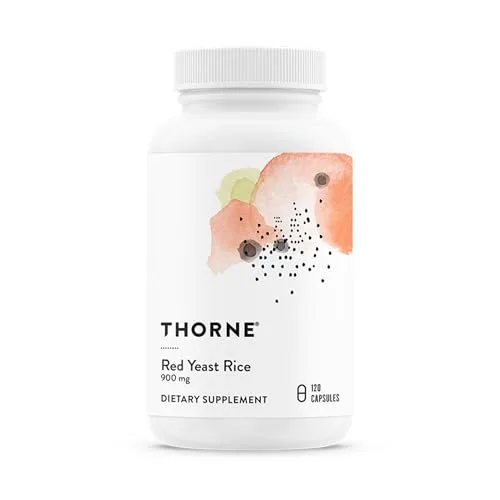
Thorne Choleast

Thorne Choleast

Thorne

9.2/10
Overall best red yeast rice for cholesterol support$0.50/serving
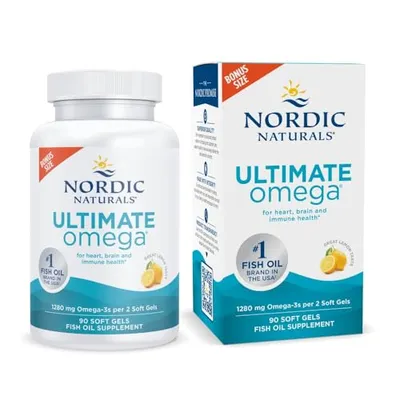
Nordic Naturals Ultimate Omega

Nordic Naturals Ultimate Omega

Nordic Naturals

9.4/10
Overall / General health$0.28/serving
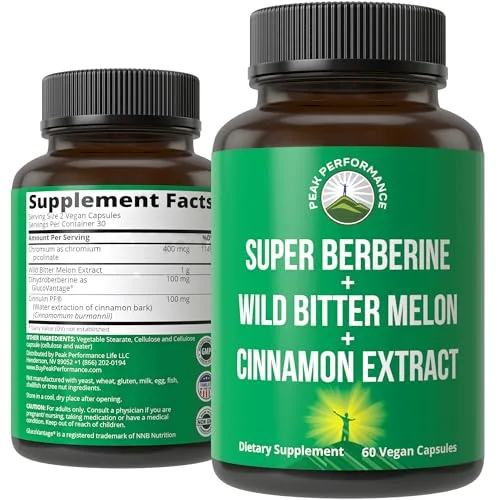
Peak Performance Super Berberine + Wild Bitter Melon

Peak Performance Super Berberine + Wild Bitter Melon

Peak Performance

9.3/10
Enhanced blood sugar support with dual-action formula~$0.65/serving

Frequently Asked Questions

Can supplements replace statins for high cholesterol?

For mild cholesterol elevations (total 200–240 mg/dL) without other cardiovascular risk factors, supplements like red yeast rice and berberine may be sufficient alongside diet and exercise. For established heart disease or LDL above 190 mg/dL, statins remain the gold standard. Red yeast rice contains the same active compound (monacolin K/lovastatin) as a prescription statin.

Is red yeast rice safe if I had statin side effects?

Red yeast rice contains monacolin K, chemically identical to lovastatin. Some statin-intolerant patients tolerate it well, possibly due to lower doses or other compounds in the extract. However, muscle pain and liver enzyme elevation can still occur. Start low and monitor symptoms. Use products standardized for monacolin K content and tested for citrinin contamination.

How long does it take for cholesterol supplements to lower LDL?

Red yeast rice and berberine typically show measurable LDL reductions within 4–8 weeks, similar to statins. Omega-3 effects on triglycerides can appear within 2–4 weeks. Get a lipid panel at baseline and repeat after 8–12 weeks of supplementation.

Can I take berberine and red yeast rice together?

Some studies have found additive lipid-lowering effects with the combination. However, both can affect liver enzymes, so liver function should be monitored. Consult your physician before combining, especially if you take any other medications.

References

  1. (). Red yeast rice for dyslipidemia in statin-intolerant patients: a randomized trial. Annals of Internal Medicine. DOI
  2. (). Berberine in the treatment of type 2 diabetes mellitus: a systemic review and meta-analysis. Evidence-Based Complementary and Alternative Medicine. DOI