Supplement ScienceSupplementScience
Glucomannan supplement
Fiber

Glucomannan — Research Profile

Evidence:Strong
·

This content is for informational purposes only and does not constitute medical advice. Statements about dietary supplements have not been evaluated by the FDA and are not intended to diagnose, treat, cure, or prevent any disease. Individual results may vary — consult your healthcare provider before starting any supplement. Full disclaimer

Glucomannan at 3 g/day (1 g before each meal) has EFSA-approved health claims for weight loss when combined with a...

Glucomannan at 3 g/day (1 g before each meal) has EFSA-approved health claims for weight loss when combined with a calorie-restricted diet. A 2005 meta-analysis found it significantly reduced body weight. It works by expanding in the stomach to increase fullness and reduce calorie intake.

Bottom line: Glucomannan 3 g/day is one of the few fibers with EFSA-approved weight loss claims — effective for satiety and modest fat loss.

Evidence:Meta-analysis (2014) · 8 RCTs · high confidence[#7]. See full reference list below.

Key Facts

What it is
A viscous soluble fiber from konjac root that absorbs water to promote fullness
Primary benefits
  • Promotes satiety and reduces calorie intake
  • EFSA-approved health claim for weight loss
  • Lowers LDL cholesterol and triglycerides
  • Improves blood sugar control
Typical dosage
3 g daily (1 g before each main meal)
Evidence level
Strong
Safety profile
Generally Safe

Get the free evidence-based Glucomannan guide — delivered in 60 seconds.

No spam. Unsubscribe anytime.

What the Research Says

Glucomannan is a soluble dietary fiber derived from konjac root, offering potential health benefits. The European Food Safety Authority (EFSA) has approved its use in weight management, noting its ability to promote satiety and reduce calorie intake when consumed before meals with water (EFSA Panel on Dietetic Products, Nutrition and Allergies, 2010). However, evidence supporting glucomannan's effectiveness for weight loss is inconsistent. A systematic review by Onakpoya et al. (2014) found no statistically significant weight loss effect compared to placebo (-0.22 kg; 95% CI, -0.62, 0.19), while other studies suggest modest benefits under specific conditions.

Glucomannan has demonstrated beneficial effects on lipid profiles. A systematic review and meta-analysis by Haijun et al. (2025) involving 18 studies with 1,234 adults showed significant reductions in total cholesterol (TC) and low-density lipoprotein cholesterol (LDL-C). Similarly, Musazadeh et al. (2024) reported significant decreases in TC and LDL-C levels in adults following glucomannan supplementation. These findings align with earlier work by Ho et al. (2017), who found that konjac glucomannan significantly reduced LDL cholesterol (-0.35 mmol/L, p<0.001) and non-HDL cholesterol (-0.32 mmol/L, p<0.001).

Regarding digestive health, Han et al. (2017) conducted a systematic review and meta-analysis of three RCTs involving 122 children, concluding that glucomannan modestly increased defecation frequency but did not improve stool consistency or treatment success rates for functional constipation.

Overall, glucomannan appears to offer benefits for cholesterol management and may support weight management under specific conditions, though its effects on body weight are not universally significant.
Benefits of Glucomannan

  • Weight loss — a meta-analysis (Keithley & Swanson, 2005, 5 RCTs) found glucomannan significantly reduced body weight vs placebo, with mean loss of ~0.8 kg over 5 weeks
  • EFSA health claim — the European Food Safety Authority approved the claim that glucomannan contributes to weight loss in the context of an energy-restricted diet (3 g/day)
  • Cholesterol reduction — glucomannan reduces total and LDL cholesterol by 7-10% through bile acid binding (Sood et al., 2008)
  • Blood sugar control — the viscous gel slows carbohydrate absorption, reducing postprandial glucose spikes (Vuksan et al., 2000)

Our Top Glucomannan Picks

As an Amazon Associate, we earn from qualifying purchases. Some links below are affiliate links — this doesn't affect our editorial independence or product ratings. How we evaluate products

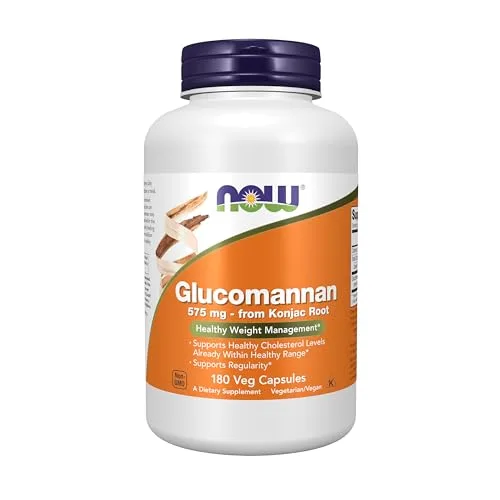
NOW Foods Glucomannan 575mg
NOW Foods
#1 Top Pick
Best OverallForm: CapsulePrice: $0.28/serving
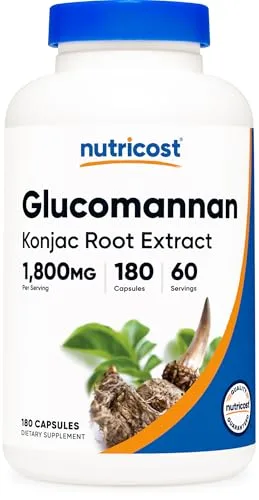
Nutricost Glucomannan 1,800mg
Nutricost
Best ValueForm: CapsulePrice: $0.28/serving
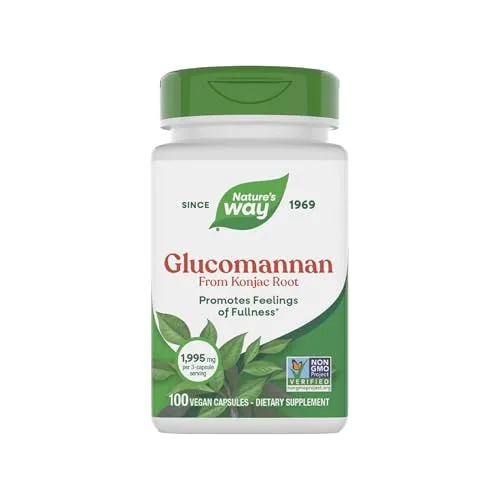
Nature's Way Glucomannan from Konjac Root
Nature's Way
Best Brand RecognitionForm: CapsulePrice: $0.21/serving
Did you know?

Glucomannan is a soluble dietary fiber derived from konjac root, offering potential health benefits.

Forms of Glucomannan

Glucomannan supplement forms compared by bioavailability and best use
FormBioavailabilityBest For
Glucomannan CapsulesN/A (acts in GI tract)Convenient dosing — take with large glass of water before meals
Konjac PowderN/ACan be mixed into beverages or used to thicken foods
Shirataki NoodlesN/AFood-form — very low calorie noodles made from konjac; lower dose than supplements

Dosage Recommendations

General recommendation: 1 g three times daily, 30 minutes before each main meal with a full glass of water

Timing: Take 30-60 minutes before meals with at least 250 mL (8 oz) of water

Dosage by Condition

Weight loss
3 g/day (1 g before each meal)Strong
Cholesterol reduction
3-4 g/dayModerate
Blood sugar control
3-4 g/day with mealsModerate

Upper limit: 4 g/day; excessive intake may cause GI obstruction if taken without adequate water

Side Effects and Safety

Safety profile: Generally Safe

Potential Side Effects

  • Bloating, gas, and abdominal discomfort (especially when starting)
  • Risk of esophageal or GI obstruction if taken without adequate water — ALWAYS take with a full glass of water
  • Loose stools or diarrhea at higher doses

Drug & Supplement Interactions

  • All oral medications — glucomannan may reduce absorption; take medications 1 hour before or 4 hours after glucomannan
  • Diabetes medications — may enhance blood sugar lowering
  • Choking hazard — never take dry or without water; tablet forms have been banned in some countries
Check Glucomannan interactions with other supplements →
BenefitsDosage GuideSide EffectsTypes & FormsResearchFAQ

Related Conditions

Commonly Taken Together

Form Comparisons

Related Supplements

Learn More

Looking for the best glucomannan supplement?

We analyzed and ranked the top products based on form, dosage, third-party testing, and value.

See Our Top Picks

Frequently Asked Questions

How much weight can I lose with glucomannan?

Clinical trials show modest weight loss of 0.8–1.5 kg over 5–8 weeks vs placebo when combined with a calorie-restricted diet [1][7]. Glucomannan is not a magic pill — it works by helping you eat less by increasing fullness. Combined with proper diet and exercise, it can meaningfully support weight management [10].

Evidence:Meta-analysis (2014) · 8 RCTs · high confidence[#7]. See full reference list below.

Is glucomannan safe to take?

Yes, when taken properly with adequate water. The main safety concern is choking or GI obstruction if taken as dry tablets without water. Always use capsules or powder with a full glass of water (250+ mL). Tablet forms have been restricted in some countries. Start with a lower dose and increase gradually to minimize bloating.

When should I take glucomannan for best results?

Take 1 g (about 2 capsules) with a full glass of water 30-60 minutes before each main meal. This timing allows the fiber to absorb water and expand in your stomach before you eat, maximizing the satiety effect. Do not skip the water — it is essential for both safety and effectiveness.

What is the best form of Glucomannan to take?

The best form of glucomannan depends on your specific health goals, absorption needs, and tolerance. Chelated and standardized extract forms generally offer higher bioavailability than raw or unstandardized versions. Check the product label for third-party testing to ensure potency and purity.

What are the proven benefits of Glucomannan?

Glucomannan has been studied for multiple health applications with varying levels of clinical evidence. The strongest evidence typically comes from randomized controlled trials and meta-analyses published in peer-reviewed journals. Individual responses can vary based on baseline status, dosage, and duration of use.

How much Glucomannan should I take per day?

Glucomannan dosage depends on the specific form, your health goals, and individual factors such as body weight and baseline nutrient status. Following the dose used in clinical trials is generally the most evidence-based approach. Starting at the lower end of the recommended range and adjusting upward is advisable.

When is the best time to take Glucomannan?

Glucomannan timing depends on whether it is fat-soluble or water-soluble and whether it causes digestive sensitivity. Consistency in timing is more important than the specific hour of the day. Taking supplements at the same time daily helps maintain steady levels.

What are the side effects of Glucomannan?

Glucomannan is generally well tolerated at recommended doses, with gastrointestinal discomfort being the most commonly reported side effect. Side effects are typically mild and dose-dependent, resolving with dose reduction or taking with food. Serious adverse effects are rare at standard supplemental doses.

Does Glucomannan interact with any medications?

Glucomannan may interact with certain prescription medications by affecting absorption, metabolism, or pharmacological effects. Always inform your healthcare provider about all supplements you take, especially before surgery or when starting new medications. Spacing supplements and medications by 2 hours reduces most absorption interactions.

Who should consider taking Glucomannan?

Glucomannan is most appropriate for individuals with confirmed deficiency, suboptimal levels, or specific health conditions supported by clinical evidence. People in higher-risk demographics, including older adults and those with restricted diets, may benefit most. Testing baseline levels before supplementing provides the best guidance.

How long does Glucomannan take to show results?

Glucomannan effects vary by the specific health outcome being targeted, with some benefits appearing within days and others requiring weeks to months of consistent daily use. Correcting a deficiency typically shows improvement within 2-4 weeks. A minimum 8-12 week trial at the recommended dose is advisable before evaluating effectiveness.

Is Glucomannan safe for long-term daily use?

Glucomannan is considered safe for long-term use at recommended doses based on available clinical data. Staying within established upper intake limits minimizes the risk of adverse effects over time. Periodic reassessment with a healthcare provider is recommended, especially if health conditions change.

Can you take too much Glucomannan?

Exceeding the recommended dose of glucomannan increases the risk of adverse effects without providing additional benefit. Toxicity risk varies by form and individual factors such as kidney and liver function. Mega-dosing is not supported by clinical evidence and should be avoided.

Can I combine Glucomannan with other supplements?

Glucomannan can generally be combined with complementary supplements, though some combinations may affect absorption or create additive effects. Spacing different supplements by 1-2 hours can reduce absorption competition. Consulting a healthcare professional is advisable when combining multiple supplements targeting the same health pathway.

What should I look for when buying a Glucomannan supplement?

Third-party testing from USP, NSF, or ConsumerLab is the most important quality indicator when purchasing glucomannan supplements. Look for products that clearly state the specific form, dose per serving, and any relevant standardization percentages. Avoid proprietary blends that hide individual ingredient amounts.

Continue Reading

References

  1. ReviewKeithley J, Swanson B (2005). Glucomannan and obesity: a critical review. Alternative Therapies in Health and Medicine. PubMed
  2. ReviewEFSA Panel on Dietetic Products, Nutrition and Allergies (2010). Scientific Opinion on the substantiation of health claims related to konjac mannan (glucomannan) and reduction of body weight. EFSA Journal. DOI
  3. Meta-analysisHaijun Z, Ke Z, Dawei Z, Haedi AR, et al. (2025). Does glucomannan supplementation exert profitable effects on serum lipid profile in adults? A systematic review and meta-analysis.. Prostaglandins & other lipid mediators. DOI PubMed
  4. Meta-analysisMusazadeh V, Rostami RY, Moridpour AH, Hosseini ZB, et al. (2024). The effect of glucomannan supplementation on lipid profile in adults: a GRADE-assessed systematic review and meta-analysis.. BMC cardiovascular disorders. DOI PubMed
  5. Meta-analysisZhang Z, Zhang Y, Tao X, Wang Y, et al. (2023). Effects of Glucomannan Supplementation on Type II Diabetes Mellitus in Humans: A Meta-Analysis.. Nutrients. DOI PubMed
  6. Meta-analysisHo HVT, Jovanovski E, Zurbau A, Blanco Mejia S, et al. (2017). A systematic review and meta-analysis of randomized controlled trials of the effect of konjac glucomannan, a viscous soluble fiber, on LDL cholesterol and the new lipid targets non-HDL cholesterol and apolipoprotein B.. The American journal of clinical nutrition. DOI PubMed
  7. Meta-analysisOnakpoya I, Posadzki P, Ernst E (2014). The efficacy of glucomannan supplementation in overweight and obesity: a systematic review and meta-analysis of randomized clinical trials.. Journal of the American College of Nutrition. DOI PubMed
Show 5 more references
  1. Meta-analysisSood N, Baker WL, Coleman CI (2008). Effect of glucomannan on plasma lipid and glucose concentrations, body weight, and blood pressure: systematic review and meta-analysis.. The American journal of clinical nutrition. DOI PubMed
  2. Meta-analysisHan Y, Zhang L, Liu XQ, Zhao ZJ, et al. (2017). Effect of glucomannan on functional constipation in children: a systematic review and meta-analysis of randomised controlled trials.. Asia Pacific journal of clinical nutrition. DOI PubMed
  3. Meta-analysisZalewski BM, Chmielewska A, Szajewska H (2015). The effect of glucomannan on body weight in overweight or obese children and adults: a systematic review of randomized controlled trials.. Nutrition (Burbank, Los Angeles County, Calif.). DOI PubMed
  4. RCTZhu Y, Chen X, Song G (2025). Effects of konjac glucomannan on gastrointestinal symptoms and gut microbiota in athletes with functional constipation: a double-blind randomized controlled trial.. European journal of nutrition. DOI PubMed
  5. RCTAsghari P, Afshari A, Sadeghi T, Jafarzadeh Esfehani A, et al. (2025). The effects of a newly developed beverage powder supplement on anthropometric measures, body composition, metabolic syndrome components, and appetite in obese or overweight adults: a protocol for a randomized clinical trial study.. Trials. DOI PubMed