Supplement ScienceSupplementScience
Weight Loss

Best Supplements for Weight Loss

Prevalence: 42.4% of US adults are obese (CDC NHANES data)

·

This content is for informational purposes only and does not constitute medical advice. Statements about dietary supplements have not been evaluated by the FDA and are not intended to diagnose, treat, cure, or prevent any disease. Individual results may vary — consult your healthcare provider before starting any supplement. Full disclaimer

Berberine (500mg 2-3x/day) improves insulin sensitivity and reduces body weight by 2-3kg over 12 weeks.

Berberine (500mg 2-3x/day) improves insulin sensitivity and reduces body weight by 2-3kg over 12 weeks. Green tea extract (500-1000mg/day with EGCG) modestly increases fat oxidation. Glucomannan fiber (1g before meals) promotes satiety and reduces caloric intake. All work best alongside diet and exercise.

Get the free evidence-based Weight Loss guide — delivered in 60 seconds.

No spam. Unsubscribe anytime.

Overview

Obesity affects 42.4% of US adults and is a major risk factor for type 2 diabetes, cardiovascular disease, and certain cancers. While no supplement replaces caloric deficit and exercise, several compounds have demonstrated modest but statistically significant effects on body weight, fat mass, and metabolic markers in clinical trials.
Understanding Weight Loss

No supplement will cause meaningful weight loss on its own — this must be stated plainly because the weight loss supplement market is the most fraud-prone segment of the entire industry. What certain supplements can do is address specific metabolic bottlenecks that make weight loss more difficult: insulin resistance (which impairs fat oxidation), low protein intake (which accelerates muscle loss during caloric restriction), poor sleep quality (which increases ghrelin and reduces leptin), and micronutrient deficiencies that impair metabolic rate. The most evidence-backed supplements for weight management work by supporting metabolic health rather than directly burning fat — berberine for insulin sensitivity, protein supplements for muscle preservation, and fiber for satiety. They complement, not replace, a caloric deficit achieved through diet and exercise.

What the Research Shows

Berberine has the strongest evidence for metabolic weight loss support. Multiple RCTs show that berberine 500mg three times daily reduces visceral fat, improves insulin sensitivity, and lowers fasting glucose — addressing the insulin resistance that makes fat loss physiologically difficult. A 2020 meta-analysis by Ilyas et al. found significant reductions in BMI and waist circumference across 12 RCTs. Protein supplementation during caloric restriction preserves lean muscle mass, which maintains metabolic rate. A 2018 meta-analysis by Hudson et al. in Advances in Nutrition found that high-protein diets (1.2-1.6g/kg/day) during weight loss preserved significantly more lean mass than standard protein intake, resulting in a metabolic advantage of 50-100 calories/day. Psyllium fiber at 10-15g daily increases satiety and reduces caloric intake by an average of 100-200 calories/day, per a 2020 meta-analysis. Green tea extract (EGCG) has modest evidence — a meta-analysis by Jurgens et al. found an average additional weight loss of 1.3kg over 12 weeks, a statistically significant but clinically modest effect driven by catechin-mediated thermogenesis.

What to Look For in Supplements

For berberine, 500mg three times daily with meals (standard protocol). Dihydroberberine at 100-200mg offers equivalent efficacy with fewer GI side effects. For protein, whey isolate or plant-based blends providing 20-40g per serving. For fiber, psyllium husk (Metamucil or plain powder) at 5g with water before meals. For green tea extract, standardized to 50% EGCG at 500mg daily — avoid on empty stomach (rare hepatotoxicity reports with fasted high-dose EGCG).

What Doesn't Work (And Why)

The vast majority of weight loss supplements are ineffective or dangerous. Garcinia cambogia showed zero benefit over placebo in a 2011 meta-analysis. Raspberry ketones have no human clinical trials. Forskolin has one small positive study and multiple negative replications. CLA (conjugated linoleic acid) produces trivial fat loss (~0.1kg/week) with potential liver safety concerns. Detox teas and cleanses are laxatives marketed as fat burners. Prescription-grade stimulants (ephedrine, DMAA) sold as supplements have caused deaths and are banned by the FDA. If a supplement promises rapid weight loss, it is either lying or dangerous.

Combination Protocol

The metabolic support stack for weight management combines berberine 500mg with each meal (1,500mg daily total), psyllium husk 5g in water before lunch and dinner, and a quality protein supplement to hit 1.2-1.6g/kg/day total protein. If insulin resistance is a factor (fasting glucose >100 or waist circumference >40" men / >35" women), prioritize berberine. If muscle preservation during caloric restriction is the goal, prioritize protein timing (20-40g within 2 hours of resistance training). These supplements enhance the effectiveness of diet and exercise — they do not replace them. Expect gradual, sustainable fat loss of 0.5-1% body weight per week.

Top Evidence-Based Supplements for Weight Loss

#SupplementTypical DoseEvidence
1Berberine500mg two to three times dailyStrong
See top berberine picks →
2Green Tea Extract (EGCG)500-1000mg daily (standardized to EGCG)Moderate
See top green tea extract (egcg) picks →
3Glucomannan (Konjac Fiber)1g three times daily before mealsModerate
See top glucomannan (konjac fiber) picks →

Top Product Picks

As an Amazon Associate, we earn from qualifying purchases. Some links below are affiliate links — this doesn't affect our editorial independence or product ratings. How we evaluate products

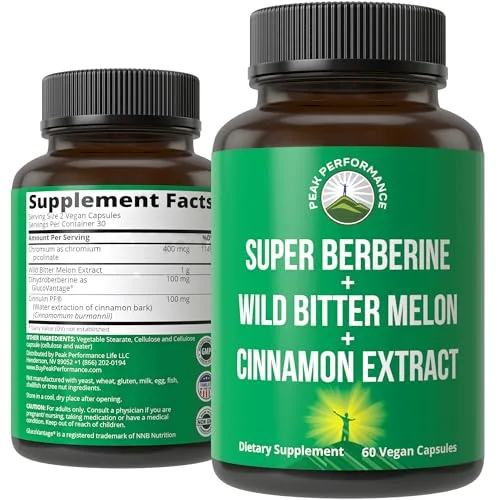
Peak Performance Super Berberine + Wild Bitter Melon

Peak Performance Super Berberine + Wild Bitter Melon

Peak Performance

9.3/10
Enhanced blood sugar support with dual-action formula$0.50/serving
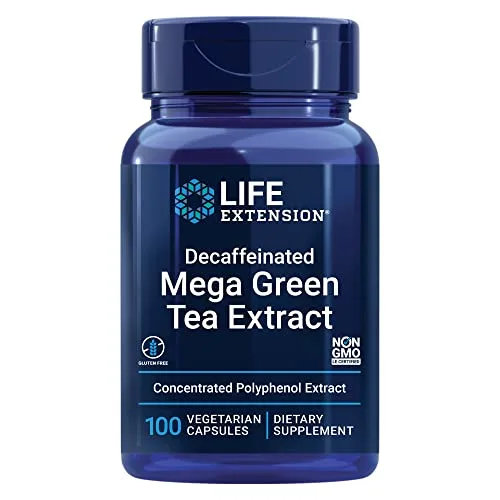
Life Extension Mega Green Tea Extract (Decaffeinated)

Life Extension Mega Green Tea Extract (Decaffeinated)

Life Extension

9.2/10
Best high-dose decaffeinated green tea extract$0.23/serving
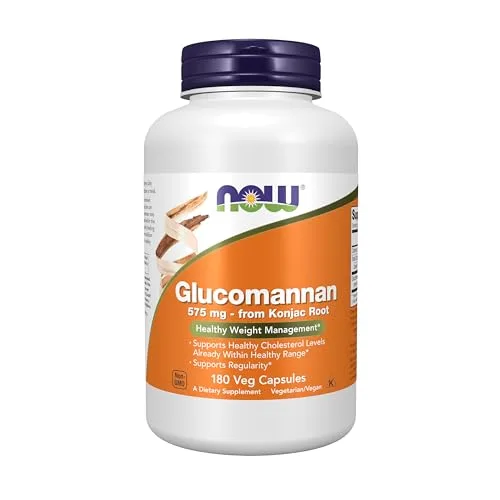
NOW Foods Glucomannan 575mg

NOW Foods Glucomannan 575mg

NOW Foods

9/10
Clinical-dose konjac glucomannan for appetite and regularity$0.28/serving

Detailed Ingredient Guides

Berberine
Plant Alkaloid
Berberine is a plant alkaloid that lowers blood sugar with efficacy comparable to metformin in several head-to-head trials. It activates AMPK, reduces HbA1c by 0.5-0.9%, and lowers LDL cholesterol and triglycerides. The standard dose is 500mg 2-3x daily with meals (1000-1500mg total).
Green Tea Extract
Polyphenol
Green tea extract (250-500mg EGCG daily) reduces CRP, IL-6, and oxidative stress markers. EGCG inhibits NF-kB and COX-2 while boosting antioxidant defenses. Also supports fat oxidation and metabolic health. Choose decaffeinated extracts if caffeine-sensitive.
Glucomannan
Fiber
Glucomannan at 3 g/day (1 g before each meal) has EFSA-approved health claims for weight loss when combined with a calorie-restricted diet. A 2005 meta-analysis found it significantly reduced body weight. It works by expanding in the stomach to increase fullness and reduce calorie intake.
MCT Oil
Fatty Acid Supplement
MCT oil rapidly converts to ketones for fast energy and mental clarity, with moderate evidence for weight management and emerging evidence for cognitive support. Take 1-2 tablespoons (15-30ml) daily, starting with 1 teaspoon to assess tolerance.
7-Keto DHEA
Hormone Metabolite
7-Keto DHEA at 200 mg/day showed significant weight and body fat loss in two small RCTs when combined with exercise and calorie restriction. Zenk et al. (2007, n=33) found 7-Keto groups lost 2.88 kg more than placebo over 8 weeks. However, the evidence base is very small and industry-funded.
Berberine (Weight Management)
Plant Alkaloid
Berberine at 900-1,500 mg/day activates AMPK and has demonstrated significant effects on blood sugar, insulin resistance, and lipid profiles comparable to metformin. For weight specifically, a 2020 meta-analysis found berberine reduced BMI by 0.47 and waist circumference. Most effective in metabolically unhealthy individuals.
Bitter Orange (Synephrine)
Stimulant
Synephrine (bitter orange) at 25-50 mg/day modestly increases metabolic rate and fat oxidation, primarily through beta-3 adrenergic receptor activation. Stohs et al. (2012) reviewed 30+ studies and concluded synephrine alone does not raise blood pressure or heart rate at standard doses. Evidence for weight loss is limited but the thermogenic mechanism is established.
Caffeine (Weight Management)
Stimulant
Caffeine at 100-400 mg/day increases metabolic rate by 3-11% and fat oxidation by 10-29%. A 2019 meta-analysis confirmed caffeine intake is associated with reduced body weight, BMI, and fat mass. Tolerance develops over time, but the metabolic effects persist to some degree with regular use.
Capsaicin / Cayenne
Thermogenic Compound
Capsaicin at 2-6 mg/day increases energy expenditure by ~50 kcal/day and enhances fat oxidation through TRPV1 receptor activation. A 2012 meta-analysis confirmed capsaicinoids increase energy expenditure and decrease appetite. Non-pungent capsinoids offer similar benefits without GI discomfort.
Caralluma Fimbriata
Herbal Extract
Caralluma fimbriata at 500-1,000 mg/day has shown modest appetite suppression and waist circumference reduction in a few small RCTs. Kuriyan et al. (2007, n=50) found significant reductions in waist circumference and hunger. Evidence is limited but the appetite-suppressing mechanism is plausible.
Chromium Picolinate (Weight Management)
Mineral
Chromium picolinate at 200-1,000 mcg/day has shown modest effects on body weight and composition. A 2013 meta-analysis found chromium reduced body weight by ~0.5 kg and body fat by ~0.46% vs placebo. Effects are small but may be more pronounced in overweight individuals with insulin resistance.
Conjugated Linoleic Acid (CLA)
Fatty Acid
CLA at 3.2-6.4 g/day has shown modest fat loss (~0.05 kg/week) in a 2007 meta-analysis of 18 RCTs. Effects are small but consistent over 6-12 months. The t10,c12 isomer drives fat reduction. CLA does not typically reduce total body weight significantly but may shift body composition.
Epigallocatechin Gallate (EGCG)
Polyphenol / Catechin
EGCG is the key catechin in green tea responsible for its health benefits. A 2019 meta-analysis of 41 RCTs confirmed EGCG reduces body weight, LDL cholesterol, and fasting glucose. It activates AMPK, inhibits mTOR, and promotes autophagy. Standard dose is 200-500mg EGCG daily.
Forskolin
Herbal Extract
Forskolin increases cAMP to promote fat breakdown. Godard et al. (2005, n=30) found forskolin 250 mg (10% extract) twice daily significantly reduced body fat and increased lean mass in overweight men. However, evidence is limited to one main trial, and effects in women and larger populations are unknown.
Garcinia Cambogia
Herbal Extract
Garcinia cambogia (HCA) was heavily promoted for weight loss but evidence is disappointing. A 2011 meta-analysis found a small, non-significant weight loss effect. The largest RCT (Heymsfield, 1998, n=135) found no benefit vs placebo. It may have modest effects but should not be relied upon as a primary weight loss strategy.
Green Tea Extract (EGCG)
Polyphenol
Green tea extract (EGCG) at 400-500 mg/day modestly increases metabolic rate and fat oxidation. A Cochrane review found green tea catechins reduced body weight by ~1.3 kg over 12 weeks. Effects are modest but consistent. Caffeine-containing formulations show stronger effects.
Protein (Whey & Casein)
Protein / Macronutrient
Whey protein is the gold standard for post-workout recovery, stimulating muscle protein synthesis more rapidly than any other protein source due to its fast digestion and high leucine content. A 2018 meta-analysis (Morton et al.) of 49 studies found protein supplementation increased lean mass by 0.3 kg and strength (1RM) during resistance training. Total daily protein intake (1.6-2.2 g/kg) matters more than source or timing.
Whey Protein
Protein Supplement
Whey protein is the gold standard protein supplement for muscle building and recovery, with the highest leucine content of any protein source. A 2018 meta-analysis of 49 studies confirmed protein supplementation adds 0.3kg lean mass over resistance training alone. Standard dosing is 20-40g per serving, 1-3 times daily.
White Kidney Bean Extract
Enzyme Inhibitor
White kidney bean extract (Phase 2) at 500-3,000 mg/day before carb-heavy meals blocks starch digestion by inhibiting alpha-amylase. A 2011 meta-analysis found it significantly reduced body fat but not body weight. Most effective when taken before starchy meals.
Coconut Oil
Plant Oil
Coconut oil provides medium-chain triglycerides (MCTs) that convert rapidly to ketones for brain fuel, plus lauric acid with antimicrobial properties. At 1-2 tablespoons daily, it may support cognitive function and energy, though its effect on LDL cholesterol remains controversial.

Related Conditions

Related Research

Learn More

Frequently Asked Questions

What is the most effective supplement for weight loss?

Berberine has the strongest evidence among natural supplements for weight loss [1], with studies showing 2-3kg of additional weight loss over 12 weeks. It works primarily by improving insulin sensitivity and activating AMPK, a key metabolic enzyme. However, no supplement produces dramatic weight loss alone — they are most effective combined with caloric deficit and regular exercise.

Evidence:Observational (2012) · moderate confidence[#1]. See full reference list below.

Does green tea extract help burn fat?

Yes, modestly. A meta-analysis of 11 randomized controlled trials found that green tea catechins (particularly EGCG) increased fat oxidation and reduced body weight by an average of 1.31kg. Effects are greater in people who consume less caffeine habitually. Look for extracts standardized to contain at least 45% EGCG and take with meals to reduce liver strain.

How does glucomannan work for weight loss?

Glucomannan is a soluble fiber from konjac root that expands in the stomach, promoting feelings of fullness and reducing caloric intake. Taken as 1g with water 30 minutes before meals, it can reduce overall food consumption. A systematic review found an average weight loss of 0.79kg over 4-8 weeks versus placebo. It also helps lower LDL cholesterol.

Continue Reading

References

  1. ObservationalHu Y, Ehli EA, Kittelsrud J, et al. (2012). Lipid-lowering effect of berberine in human subjects and rats. Phytomedicine. DOI PubMed
  2. ReviewJurgens TM, Whelan AM, Killian L, et al. (2012). Green tea for weight loss and weight maintenance in overweight or obese adults. Cochrane Database of Systematic Reviews. DOI PubMed