SupplementScience

Moringa — Research Profile

Herbal Supplement

Reviewed by·PharmD, BCPS

This content is for informational purposes only and does not constitute medical advice. Consult your healthcare provider before starting any supplement. Full disclaimer

Moringa is a nutrient-dense plant with emerging evidence for reducing inflammation, lowering blood sugar, and...

Moringa is a nutrient-dense plant with emerging evidence for reducing inflammation, lowering blood sugar, and supporting immune function. Take 3-5g of leaf powder or 150-500mg of standardized extract daily. Results typically appear within 2-4 weeks for blood sugar effects.

Key Facts

What it is
A nutrient-dense tropical tree (Moringa oleifera) whose leaves are rich in isothiocyanates, quercetin, and chlorogenic acid
Primary benefits
  • Reduces chronic inflammation via NF-κB suppression
  • Lowers fasting blood glucose in type 2 diabetes
  • Provides dense micronutrient profile (vitamins A, C, iron, calcium)
  • Supports immune function through antioxidant activity
  • May reduce LDL cholesterol and total cholesterol
Typical dosage
3-5g leaf powder or 150-500mg extract daily
Evidence level
Emerging
Safety profile
Generally Safe

Time to Effect

Hours
Days
Weeks
Months
2-4 weekstypical onset

Blood sugar and cholesterol effects may appear within 2-4 weeks of consistent dosing. Anti-inflammatory and energy benefits often require 4-8 weeks. Nutritional effects (improved micronutrient status) begin immediately but accumulate over time.

What the Research Says

Moringa oleifera has attracted growing research interest since the 2010s, with over 1,300 published studies — though the majority remain preclinical (in vitro or animal models). The strongest human evidence exists for blood glucose regulation: a 2016 clinical trial showed 4g of moringa leaf powder daily reduced fasting glucose by 28% over 40 days. Anti-inflammatory mechanisms are well-characterized in lab settings, with isothiocyanates (particularly moringin) demonstrating potent NF-κB inhibition. Cholesterol-lowering effects have been observed in several small trials, but large-scale RCTs are still needed. The plant's exceptional micronutrient density is well-documented, making it valuable for populations with nutritional deficiencies. Key limitations include small sample sizes, short study durations, and limited standardization of extracts across trials.

Benefits of Moringa

  • Anti-inflammatory activity — isothiocyanates (moringin) inhibit NF-κB signaling, reducing production of pro-inflammatory cytokines TNF-α and IL-6
  • Blood sugar regulation — a 2016 trial found 4g moringa leaf powder daily reduced fasting blood glucose by 28% over 40 days in type 2 diabetics
  • Antioxidant defense — quercetin and chlorogenic acid in moringa leaves neutralize free radicals, with ORAC values comparable to matcha and açaí
  • Cholesterol reduction — preliminary studies show moringa leaf extract can lower total cholesterol by 6-14% and LDL cholesterol in hyperlipidemic subjects
  • Nutritional density — provides 7x the vitamin C of oranges, 4x the calcium of milk, 25x the iron of spinach, and all 9 essential amino acids
Did you know?

Moringa oleifera has attracted growing research interest since the 2010s, with over 1,300 published studies — though the majority remain preclinical (in vitro or animal models).

Forms of Moringa

Moringa supplement forms compared by bioavailability and best use
FormBioavailabilityBest For
Leaf PowderModerateNutritional supplementation, smoothies, and general daily use — the most studied form
Capsules (Leaf Powder)ModerateConvenience and precise dosing without the taste
Standardized ExtractHighTargeted anti-inflammatory and blood sugar benefits — concentrated bioactives
Moringa TeaLowMild antioxidant support and hydration — lower potency than powder or extract

Dosage Recommendations

General recommendation: 3-5g (1-2 teaspoons) leaf powder daily, or 150-500mg standardized extract

Timing: Take with meals to improve absorption and reduce mild GI discomfort • Take with food for best absorption.

Dosage by Condition

Blood sugar management
4g leaf powder daily or 250mg extractEmerging
Inflammation
3-5g leaf powder or 200-500mg extract dailyEmerging
Cholesterol reduction
4-8g leaf powder dailyPreliminary
General nutrition
3g (1 tsp) leaf powder dailyModerate

Upper limit: 8g leaf powder daily (higher doses not well-studied in humans)

Our Top Moringa Picks

As an Amazon Associate, we earn from qualifying purchases. Some links below are affiliate links — this doesn't affect our editorial independence or product ratings. How we evaluate products

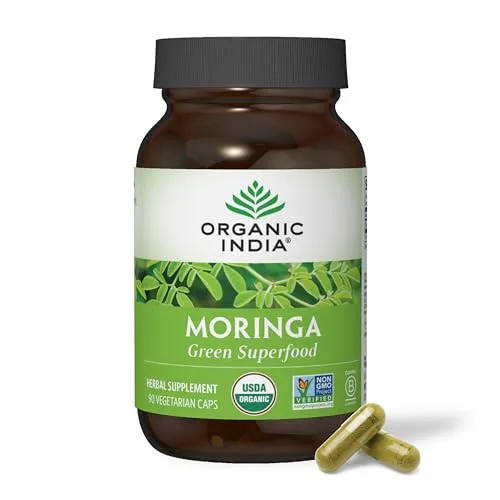
Organic India Moringa (90 Caps)
Organic India
OverallForm: CapsulePrice: $0.44/serving
Buy Now on Amazon
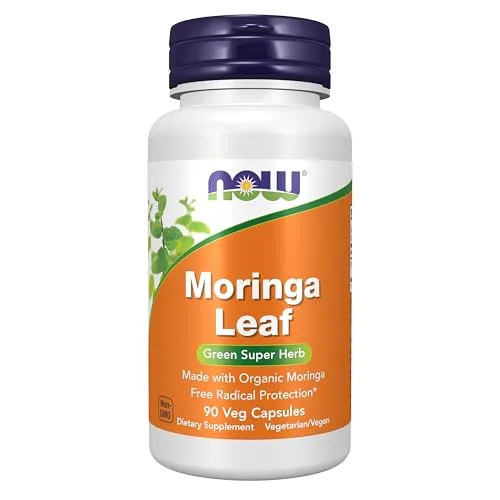
NOW Foods Moringa Leaf (90 Veg Caps)
NOW Foods
BudgetForm: Veg CapsulePrice: $0.31/serving
Buy Now on Amazon
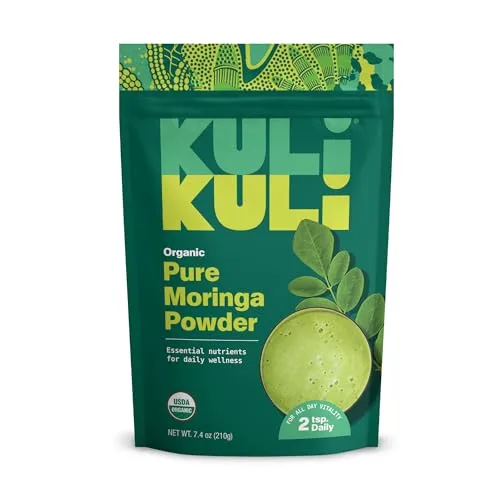
Kuli Kuli Moringa Powder (7.4 oz)
Kuli Kuli
Best PowderForm: PowderPrice: $0.38/serving
Buy Now on Amazon
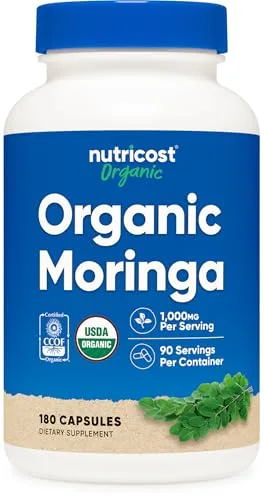
Nutricost Moringa 500mg (180 Caps)
Nutricost
Best ValueForm: CapsulePrice: $0.16/serving
Buy Now on Amazon
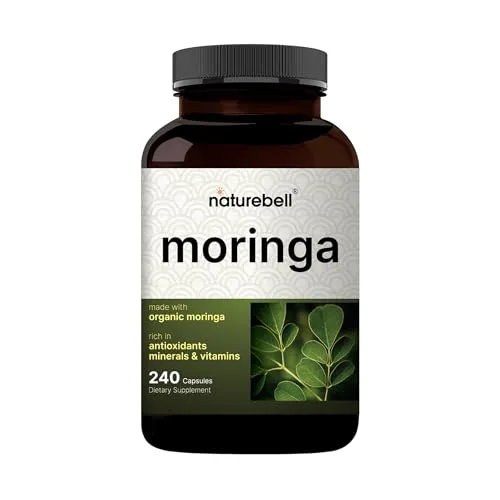
NatureBell Moringa (240 Caps)
NatureBell
Best SupplyForm: CapsulePrice: $0.15/serving
Buy Now on Amazon

Medication Interactions & Contraindications

Drug Interactions

Levothyroxine (Synthroid)
moderate
Thyroid Medications
Moringa contains goitrogenic compounds that may interfere with thyroid hormone synthesis. Monitor TSH levels and consult your endocrinologist before combining.
Metformin
moderate
Diabetes Medications
Moringa can lower blood glucose independently. Combining with metformin or other antidiabetic drugs may cause additive hypoglycemia. Monitor blood sugar closely and adjust doses under medical supervision.
Lisinopril / Amlodipine
minor
Antihypertensives
Moringa has mild blood-pressure-lowering effects. Combining with antihypertensives may increase the risk of hypotension. Monitor blood pressure regularly.
Warfarin
minor
Anticoagulants
Moringa is high in vitamin K, which can interfere with warfarin's anticoagulant effect. Maintain consistent intake and monitor INR if combining.

Who Should NOT Take This

Pregnancy(absolute)
Moringa root and bark contain compounds that may stimulate uterine contractions. While leaf preparations are generally considered safer, avoid all moringa during pregnancy due to insufficient safety data.
Hypothyroidism / Hashimoto's(relative)
Goitrogenic compounds in moringa may impair thyroid hormone production. Use only under medical supervision if you have a thyroid condition or are taking thyroid medication.
Hypoglycemia(relative)
Moringa can lower blood sugar significantly. People prone to hypoglycemia or on insulin/oral hypoglycemics should monitor glucose closely.

This information is for educational purposes only. Always consult your healthcare provider before starting or stopping any supplement, especially if you take prescription medications.

Side Effects and Safety

Safety profile: Generally Safe

Potential Side Effects

  • Mild digestive upset (bloating, diarrhea) at higher doses
  • Possible thyroid interference from goitrogenic compounds at very high doses
  • Mild laxative effect in some individuals
  • Rarely: allergic reactions in people sensitive to Moringaceae family

Drug & Supplement Interactions

  • May potentiate effects of thyroid medications due to goitrogenic compounds
  • May enhance blood-sugar-lowering effects of diabetes medications (additive hypoglycemia risk)
  • May increase effects of blood pressure medications (additive hypotension)
  • Avoid moringa root and bark — only the leaf is well-studied for safety
Check Moringa interactions with other supplements →
BenefitsDosage GuideSide EffectsTypes & FormsResearchFAQ

Related Conditions

Related Supplements

Frequently Asked Questions

Is moringa safe to take every day?

Moringa leaf powder and capsules are generally considered safe for daily use at doses of 3-5g. Clinical trials lasting up to 3 months have not reported serious adverse effects at these doses. However, long-term safety data beyond 3 months is limited. Stick to leaf-based products — moringa root and bark contain potentially harmful alkaloids and should be avoided.

Can moringa help lower blood sugar?

Emerging evidence suggests yes. A clinical trial in type 2 diabetics found that 4g of moringa leaf powder daily reduced fasting blood glucose by 28% over 40 days. The mechanism involves chlorogenic acid slowing glucose absorption and isothiocyanates improving insulin sensitivity. However, moringa is not a substitute for diabetes medication — always consult your doctor before adding it to your regimen.

What is the best form of moringa to take?

Leaf powder is the most studied form and offers a broad nutritional profile. For targeted benefits like blood sugar or inflammation, a standardized extract (150-500mg) provides more concentrated bioactives. Capsules offer convenience if you dislike the taste. Moringa tea is the least potent option but still provides antioxidants. Avoid products made from moringa root or bark.

Does moringa interact with thyroid medication?

Moringa contains goitrogenic compounds that can interfere with thyroid hormone production and may reduce the effectiveness of medications like levothyroxine. If you have hypothyroidism, Hashimoto's, or take thyroid medication, consult your endocrinologist before using moringa. Monitor TSH levels if you decide to take it.

How long does moringa take to work?

Blood sugar and cholesterol effects may become measurable within 2-4 weeks of consistent daily use. Anti-inflammatory benefits and energy improvements typically take 4-8 weeks. Nutritional benefits (improved vitamin and mineral status) begin accumulating from the first dose but may take weeks to produce noticeable effects.

Is moringa actually as nutritious as claimed?

The nutrient density claims are based on dried moringa leaf powder compared gram-for-gram to fresh produce. Per 100g of dry powder, moringa does contain significantly more vitamin C than oranges, more calcium than milk, and more iron than spinach. However, a typical daily serving (3-5g) provides a fraction of these amounts. It is nutrient-dense but not a meal replacement.

Can I take moringa while pregnant or breastfeeding?

Moringa root and bark should be strictly avoided during pregnancy as they may stimulate uterine contractions. While moringa leaf is traditionally used to support lactation in some cultures, there is insufficient clinical safety data to recommend it during pregnancy or breastfeeding. Consult your healthcare provider before using any moringa product.

Continue Reading

References

  1. Stohs SJ, Hartman MJ (2015). Review of the Safety and Efficacy of Moringa oleifera. Phytotherapy Research. DOI PubMed
  2. Mbikay M (2012). Therapeutic Potential of Moringa oleifera Leaves in Chronic Hyperglycemia and Dyslipidemia: A Review. Frontiers in Pharmacology. DOI PubMed
  3. Jaiswal D, Kumar Rai P, Kumar A, Mehta S, Watal G (2009). Effect of Moringa oleifera Lam. leaves aqueous extract therapy on hyperglycemic rats. Journal of Ethnopharmacology. DOI PubMed
  4. Waterman C, Cheng DM, Rojas-Silva P, et al. (2015). Isothiocyanate-rich Moringa oleifera extract reduces weight gain, insulin resistance, and hepatic gluconeogenesis in mice. Molecular Nutrition & Food Research. DOI PubMed
  5. Leone A, Spada A, Battezzati A, Schiraldi A, Aristil J, Bertoli S (2015). Cultivation, Genetic, Ethnopharmacology, Phytochemistry and Pharmacology of Moringa oleifera Leaves: An Overview. International Journal of Molecular Sciences. DOI PubMed
  6. Taweerutchana R, Lumlerdkij N, Vannasaeng S, Akarasereenont P, Sriwijitkamol A (2017). Effect of Moringa oleifera Leaf Capsules on Glycemic Control in Therapy-Naïve Type 2 Diabetes Patients: A Randomized Placebo Controlled Study. Evidence-Based Complementary and Alternative Medicine. PubMed
  7. Vergara-Jimenez M, Almatrafi MM, Fernandez ML (2017). Bioactive Components in Moringa Oleifera Leaves Protect against Chronic Disease. Antioxidants. DOI PubMed