SupplementScience

Hemp Seed Oil — Research Profile

Plant Oil

Reviewed by·PharmD, BCPS

This content is for informational purposes only and does not constitute medical advice. Consult your healthcare provider before starting any supplement. Full disclaimer

Hemp seed oil provides an optimal 3:1 omega-6 to omega-3 ratio with anti-inflammatory gamma-linolenic acid (GLA).

Hemp seed oil provides an optimal 3:1 omega-6 to omega-3 ratio with anti-inflammatory gamma-linolenic acid (GLA). At 1-2 tablespoons daily, it supports skin health, reduces eczema symptoms, lowers inflammatory markers, and provides cardiovascular benefits — all without THC or CBD.

Key Facts

What it is
A cold-pressed oil from Cannabis sativa seeds providing omega-6 (including GLA), omega-3 (ALA), and omega-9 fatty acids in an optimal 3:1 ratio, with no THC or CBD
Primary benefits
  • Optimal 3:1 omega-6 to omega-3 ratio — closest to ideal among common plant oils
  • Contains gamma-linolenic acid (GLA) — an anti-inflammatory omega-6
  • Improves atopic dermatitis (eczema) symptoms and skin barrier function
  • Supports cardiovascular health via balanced fatty acid profile
  • Modulates immune function through prostaglandin pathway regulation
Typical dosage
1-2 tablespoons (15-30 mL) daily or 1-3g softgels
Evidence level
Emerging
Safety profile
Generally Safe

Time to Effect

Hours
Days
Weeks
Months
4-20 weekstypical onset

Skin improvements (eczema, dryness) typically require 8-20 weeks of consistent daily use. Fatty acid profile changes in plasma appear within 4-8 weeks. Anti-inflammatory effects accumulate gradually as GLA metabolites shift prostaglandin balance. Topical application may show faster local results (2-4 weeks).

What the Research Says

Hemp seed oil research focuses on its unique fatty acid profile — particularly the 3:1 omega-6 to omega-3 ratio and GLA content. Callaway et al. (2005) published the most cited clinical trial in the Journal of Dermatological Treatment, a 20-week crossover RCT showing dietary hemp seed oil significantly improved atopic dermatitis symptoms including dryness, itchiness, and need for medication, compared to olive oil control. The mechanism involves GLA conversion to DGLA, which competes with arachidonic acid in COX/LOX pathways. Schwab et al. (2006) demonstrated favorable changes in plasma fatty acid profiles and cholesterol ratios with hemp seed oil supplementation. Deferne & Pate (1996) characterized the complete fatty acid profile of hemp seed oil, establishing its optimal omega-6:omega-3 ratio and GLA content. The evidence base is smaller than for fish oil or flaxseed oil, with most studies being small-scale. However, the unique combination of balanced omega ratios, GLA, and complete amino acid content makes hemp seed oil a distinctive plant oil worthy of further clinical investigation, particularly for dermatological conditions.

Benefits of Hemp Seed Oil

  • Eczema and atopic dermatitis relief — Callaway et al. (2005) published a crossover RCT in the Journal of Dermatological Treatment showing 20 weeks of dietary hemp seed oil significantly reduced symptoms of atopic dermatitis, improved skin dryness, itchiness, and reduced the need for topical medications compared to olive oil placebo
  • Anti-inflammatory fatty acid profile — Hemp seed oil's GLA content (2-4% of total fatty acids) is converted to dihomo-gamma-linolenic acid (DGLA), which competes with pro-inflammatory arachidonic acid for COX and LOX enzymes, shifting prostaglandin production from inflammatory PGE2 toward anti-inflammatory PGE1
  • Cardiovascular support — Schwab et al. (2006) demonstrated that hemp seed oil supplementation favorably altered plasma fatty acid profiles and reduced total cholesterol-to-HDL ratios in healthy volunteers, attributed to the balanced omega-6/omega-3 ratio and GLA content
  • Skin barrier improvement — The balanced essential fatty acid composition supports ceramide synthesis in the stratum corneum, the outermost skin layer; deficiency in essential fatty acids is a well-established cause of impaired skin barrier function and transepidermal water loss
  • Immune modulation — Richard et al. (2008) reviewed the immunomodulatory effects of GLA-rich oils, showing that GLA supplementation reduced T-cell proliferation and pro-inflammatory cytokine production in multiple clinical settings, suggesting broad immune-balancing properties
Did you know?

Hemp seed oil research focuses on its unique fatty acid profile — particularly the 3:1 omega-6 to omega-3 ratio and GLA content.

Forms of Hemp Seed Oil

Hemp Seed Oil supplement forms compared by bioavailability and best use
FormBioavailabilityBest For
Cold-Pressed Liquid OilHighMaximum GLA and ALA delivery — full fatty acid spectrum preserved; must be refrigerated and never heated; nutty flavor suits salads and smoothies
Softgel CapsulesHighConvenience and precise dosing — no taste issues; typically 1g per capsule, so 3-6 capsules needed for therapeutic doses
Topical Hemp Seed OilModerate (local)Direct skin application for eczema and dry skin — non-comedogenic, absorbs well; provides local fatty acid delivery to skin barrier

Dosage Recommendations

General recommendation: 1-2 tablespoons (15-30 mL) daily with food, or 2-6g in capsule form

Timing: With meals for optimal fatty acid absorption; can be divided into two doses (morning and evening) for GI tolerance • Take with food for best absorption.

Dosage by Condition

Atopic dermatitis / eczema
2 tablespoons (30 mL) daily for 20+ weeksEmerging
General skin health and hydration
1 tablespoon (15 mL) dailyEmerging
Cardiovascular support
1-2 tablespoons dailyEmerging
Systemic inflammation
1-2 tablespoons daily (providing ~1-2g GLA)Preliminary

Upper limit: 4 tablespoons/day (60 mL); higher doses may cause loose stools without additional benefit

Our Top Hemp Seed Oil Picks

As an Amazon Associate, we earn from qualifying purchases. Some links below are affiliate links — this doesn't affect our editorial independence or product ratings. How we evaluate products

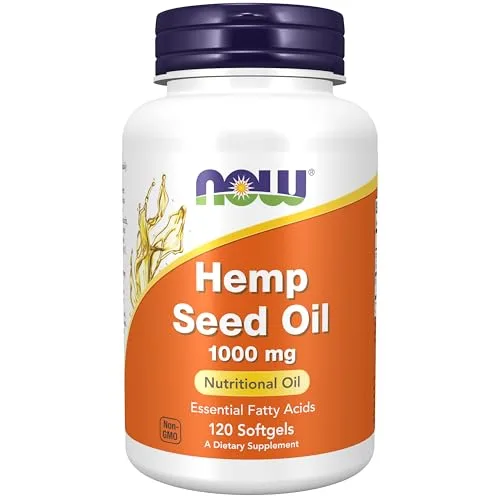
NOW Foods Hemp Seed Oil 1000mg
NOW Foods
OverallForm: SoftgelPrice: $0.12/softgel
Buy Now on Amazon
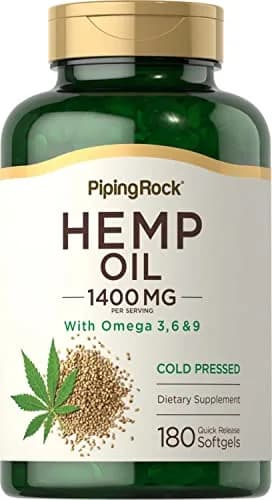
Piping Rock Hemp Seed Oil 1400mg
Piping Rock
BudgetForm: SoftgelPrice: $0.07/softgel
Buy Now on Amazon
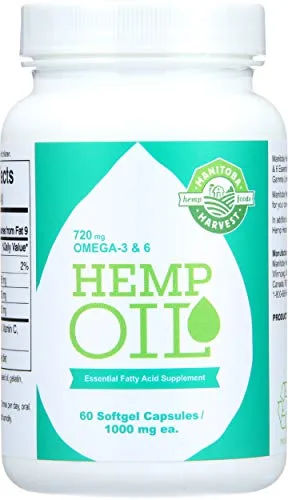
Manitoba Harvest Hemp Seed Oil Capsules 1000mg
Manitoba Harvest
Best BrandForm: SoftgelPrice: $0.20/softgel
Buy Now on Amazon
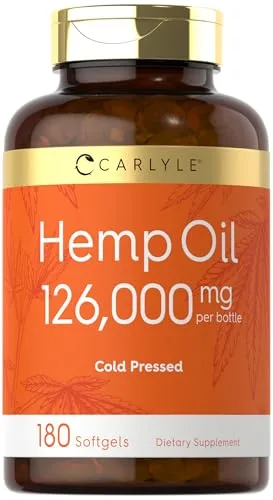
Carlyle Hemp Oil Capsules 1400mg
Carlyle
Best ValueForm: SoftgelPrice: $0.08/softgel
Buy Now on Amazon
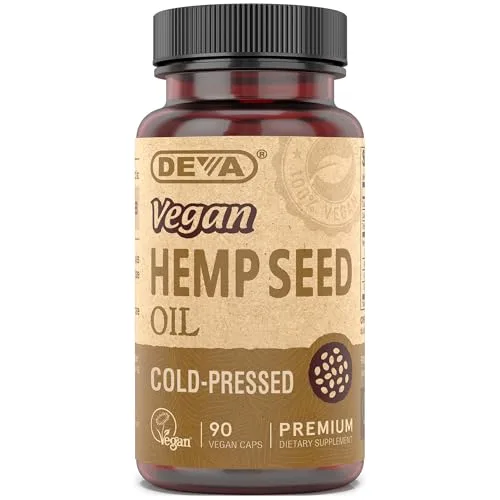
DEVA Vegan Virgin Hemp Seed Oil Capsules
DEVA
VeganForm: Capsule (vegan plant cellulose)Price: $0.12/capsule
Buy Now on Amazon

Medication Interactions & Contraindications

Drug Interactions

Warfarin
minor
Anticoagulant
Hemp seed oil's omega-3 content has mild antiplatelet activity. At standard doses (1-2 tablespoons), the interaction is minimal. Monitor INR if using high doses and report unusual bruising to your physician.
Aspirin / Clopidogrel
minor
Antiplatelet
Additive antiplatelet effects are theoretically possible but unlikely to be clinically significant at standard hemp seed oil doses. No dose adjustment typically required.
Cyclosporine / Tacrolimus
minor
Immunosuppressant
GLA in hemp seed oil modulates immune function via prostaglandin pathways. While no clinical interactions are documented, inform your transplant team if you begin hemp seed oil supplementation.
Evening Primrose Oil / Borage Oil
minor
GLA Supplement
These supplements also provide GLA. Calculate total GLA intake from all sources to avoid excessive prostaglandin modulation. Total GLA intake above 3g/day is unnecessary.

Who Should NOT Take This

Hemp seed allergy(absolute)
Individuals with confirmed hemp seed allergy must avoid hemp seed oil. Cross-reactivity with other Cannabis sativa products is possible. Symptoms may include hives, GI distress, or anaphylaxis in severe cases.
Upcoming surgery (within 1 week)(relative)
Consider discontinuing hemp seed oil 1 week before scheduled surgery due to mild antiplatelet effects from omega-3 content. The risk is lower than with fish oil but caution is prudent.
Active immunosuppressive therapy(relative)
GLA modulates immune function through prostaglandin pathways. Use under medical supervision in organ transplant recipients or patients on immunosuppressive protocols.

This information is for educational purposes only. Always consult your healthcare provider before starting or stopping any supplement, especially if you take prescription medications.

Side Effects and Safety

Safety profile: Generally Safe

Potential Side Effects

  • Mild GI discomfort (loose stools, bloating) — most common at higher doses; usually resolves with dose reduction
  • Nausea — uncommon, typically when taken on an empty stomach
  • Mild anticoagulant effect at high doses — due to omega-3 content; clinically insignificant at standard doses
  • Allergic reactions — rare; hemp seed allergies exist but are uncommon
  • Potential false positive on THC drug tests — extremely rare with reputable brands that test for THC, but trace contamination is theoretically possible from manufacturing

Drug & Supplement Interactions

  • Anticoagulants and antiplatelets (warfarin, aspirin) — omega-3 content may mildly increase bleeding risk at high doses
  • Anticonvulsants — theoretical interaction via fatty acid metabolism; no clinical reports but monitor when combining
  • Immunosuppressants — GLA modulates immune function; could theoretically alter immunosuppressive drug efficacy
  • Other GLA supplements (evening primrose oil, borage oil) — additive GLA intake; calculate total GLA from all sources
Check Hemp Seed Oil interactions with other supplements →
BenefitsDosage GuideSide EffectsTypes & FormsResearchFAQ

Related Conditions

Related Supplements

Frequently Asked Questions

Does hemp seed oil contain THC or CBD?

No. Hemp seed oil is pressed from the seeds of Cannabis sativa, which contain negligible THC and CBD. The psychoactive compounds and cannabinoids are concentrated in the flowers, leaves, and stalks — not the seeds. Reputable hemp seed oil brands test for and certify the absence of THC and CBD. Hemp seed oil will not cause psychoactive effects and is legal everywhere. Do not confuse it with hemp extract, CBD oil, or cannabis oil, which are entirely different products.

What makes hemp seed oil's fatty acid ratio special?

Hemp seed oil has an omega-6 to omega-3 ratio of approximately 3:1, which many nutritional scientists consider optimal for human health. Modern Western diets typically have ratios of 15:1 to 20:1 (heavily skewed toward omega-6), which promotes chronic inflammation. By providing balanced omega-6 and omega-3, plus the anti-inflammatory GLA, hemp seed oil helps correct this imbalance without eliminating omega-6 entirely.

Can hemp seed oil help with eczema?

Yes. The best clinical evidence for hemp seed oil comes from a 20-week crossover RCT by Callaway et al. (2005) showing dietary hemp seed oil significantly improved atopic dermatitis symptoms — reduced dryness, itchiness, and need for topical medications. The benefit comes from GLA (which reduces inflammatory prostaglandins) and the balanced essential fatty acids (which support skin barrier ceramide synthesis). Both oral and topical application may help.

How does hemp seed oil compare to evening primrose oil?

Both provide GLA, but they differ in fatty acid balance. Evening primrose oil is about 8-10% GLA with a high omega-6 content and minimal omega-3. Hemp seed oil has 2-4% GLA but provides it within a balanced 3:1 omega-6:omega-3 framework, plus ALA omega-3. For pure GLA supplementation, evening primrose oil delivers more per serving. For overall fatty acid balance and broader nutritional value, hemp seed oil is superior.

Will hemp seed oil show up on a drug test?

Properly processed hemp seed oil should not trigger a positive drug test for THC. However, trace contamination from the manufacturing process is theoretically possible with low-quality brands. Choose products that are third-party tested and certified THC-free. At standard supplemental doses of reputable brands, false positives are extremely rare.

How should I store hemp seed oil?

Refrigerate hemp seed oil after opening and use within 8-12 weeks. Like flaxseed oil, its polyunsaturated fatty acids are susceptible to oxidation from heat, light, and air. Store in a dark glass bottle with a tight cap. Never cook with hemp seed oil — use it cold in salads, smoothies, or drizzled over prepared food. Capsule forms have longer shelf life due to sealed encapsulation.

Can I use hemp seed oil on my skin directly?

Yes. Hemp seed oil is non-comedogenic (won't clog pores) and absorbs well into skin. Topical application delivers essential fatty acids directly to the skin barrier, supporting ceramide production and reducing transepidermal water loss. It's particularly useful for eczema-prone or dry skin. Apply a thin layer to damp skin after bathing for best absorption. Topical use can complement oral supplementation.

Continue Reading

References

  1. Callaway J, Schwab U, Harvima I, Halonen P, Mykkanen O, Hyvonen P, Jarvinen T (2005). Efficacy of dietary hempseed oil in patients with atopic dermatitis. Journal of Dermatological Treatment. DOI PubMed
  2. Schwab US, Callaway JC, Erkkila AT, Gynther J, Uusitupa MI, Jarvinen T (2006). Effects of hempseed and flaxseed oils on the profile of serum lipids, serum total and lipoprotein lipid concentrations and haemostatic factors. European Journal of Nutrition. DOI PubMed
  3. Deferne JL, Pate DW (1996). Hemp seed oil: A source of valuable essential fatty acids. Journal of the International Hemp Association.
  4. Richard D, Kefi K, Barbe U, Bausero P, Visioli F (2008). Polyunsaturated fatty acids as antioxidants. Pharmacological Research. DOI PubMed
  5. Montserrat-de la Paz S, Marin-Aguilar F, Garcia-Gimenez MD, Fernandez-Arche MA (2014). Hemp (Cannabis sativa L.) seed oil: analytical and phytochemical characterization of the unsaponifiable fraction. Journal of Agricultural and Food Chemistry. DOI PubMed