
We evaluated 5 hemp seed oil supplements on omega-6:omega-3 ratio, GLA content, cold-pressed extraction, third-party testing, and value per serving. Our top pick is NOW Foods Hemp Seed Oil 1000mg.
Best Hemp Seed Oil Supplements (2026)
Product pricing and availability checked
Methodology: Evidence-ranked evaluation
·
2,600+Clinical Studies Cited
·5Hemp Seed Oil products evaluated
This content is for informational purposes only and does not constitute medical advice. Statements about dietary supplements have not been evaluated by the FDA and are not intended to diagnose, treat, cure, or prevent any disease. Individual results may vary — consult your healthcare provider before starting any supplement. Full disclaimer
As an Amazon Associate, we earn from qualifying purchases. Some links below are affiliate links — this doesn't affect our editorial independence or product ratings. How we evaluate products
Our Verdict
The best hemp seed oil supplement is cold-pressed organic hemp seed oil delivering a natural 3:1 omega-6-to-omega-3 ratio, with zero THC and GMP-verified manufacturing.
Best By Category
The best hemp seed oil is cold-pressed organic oil from non-GMO hemp seeds with a naturally balanced 3:1 ratio of...
The best hemp seed oil is cold-pressed organic oil from non-GMO hemp seeds with a naturally balanced 3:1 ratio of linoleic acid (LA) to alpha-linolenic acid (ALA) and GLA (gamma-linolenic acid). Confirm zero-THC certificates of analysis — this is the oil, not CBD.
How We Chose These Products
Products are ranked using our published scoring methodology — evidence strength, dose adequacy, ingredient form, third-party testing signals, value, and clean-label factors are weighted across the 5 criteria below. Commercial relationships do not determine our editorial rankings.
Omega-6:Omega-3 Ratio
25%Hemp seed oil's signature benefit is its approximately 3:1 omega-6 to omega-3 ratio, considered optimal for human health. Products maintaining this ratio through gentle extraction score highest.
GLA Content
25%Gamma-linolenic acid (GLA) is the key anti-inflammatory omega-6 in hemp seed oil. GLA converts to DGLA, which competes with arachidonic acid to reduce inflammatory eicosanoids.
Cold-Pressed / Organic Quality
20%Cold-pressing preserves heat-sensitive fatty acids and prevents oxidation. Hexane-free extraction avoids solvent residues. Organic sourcing reduces pesticide exposure.
Third-Party Testing
15%Independent testing verifies fatty acid profile, absence of heavy metals, and confirms no THC/CBD contamination. GMP certification ensures manufacturing quality.
Value per Serving
15%Cost per softgel adjusted for dose and count. Higher-dose products (1400mg) and larger counts (180ct) offer better long-term value.
#1 Top Pick
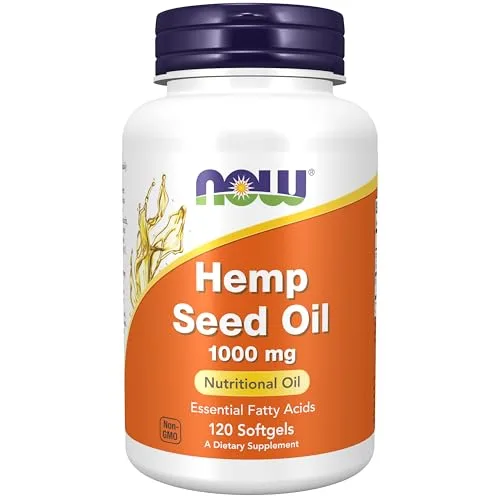
Cold-pressed and hexane-free with a verified 3:1 omega-6:omega-3 ratio and meaningful GLA content. NOW Foods holds NPA A-rated GMP certification, making this the most quality-assured option. Keto-friendly and Non-GMO verified.
IngredientCold-pressed hemp seed oil (Cannabis sativa)
Dose1000mg (1 softgel)
FormSoftgel
TestingNPA A-rated GMP
1000mg (1 softgel)Clinical range: 1-2 tablespoons (15-30 mL) daily or 1-3g softgels
Therapeutic dose
$0.14 / count$17.37 · 120 Softgels
Pros
- Cold-pressed, hexane-free extraction
- NPA A-rated GMP facility
- Optimal 3:1 omega-6:omega-3 ratio
Cons
- 1000mg dose vs. 1400mg competitors
- 120ct smaller than 180ct budget options
Non-GMOKeto Friendly
Quick Comparison
#1NOW Foods Hemp Seed Oil 1000mg
9.2/10
NOW
#1 Top Pick
707 Amazon reviews
Best for: Overall quality and omega balance
Cold-pressed hemp seed oil (Cannabis sativa) · 1000mg (1 softgel)
Softgel · NPA A-rated GMP
$17.37
$0.14 / count
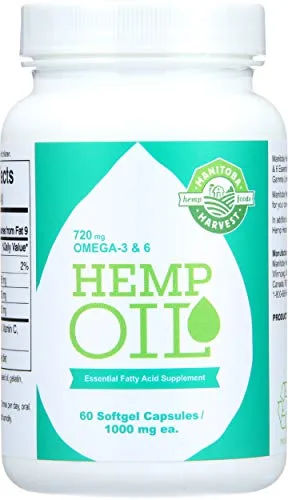
#2Manitoba Harvest Hemp Seed Oil Capsules 1000mg
8.8/10
Manitoba Harvest
556 Amazon reviews
Best for: Brand trust and Canadian-sourced hemp
Cold-pressed Canadian hemp seed oil · 1000mg (1 softgel) providing 780mg omegas 3 & 6
Softgel · None listed
$17.07
$17.07 / count
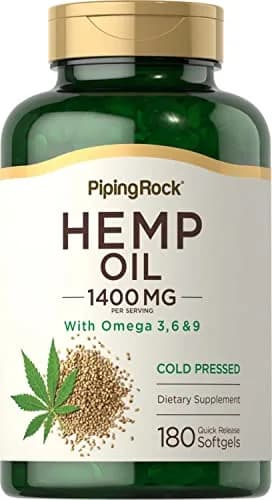
#3Piping Rock Hemp Seed Oil 1400mg
8.6/10
Piping Rock
222 Amazon reviews
Best for: Budget buyers wanting cold-pressed quality
Cold-pressed hemp seed oil with omega 3/6/9 · 1400mg (1 softgel)
Softgel · GMP facility
$14.99
$0.08 / count
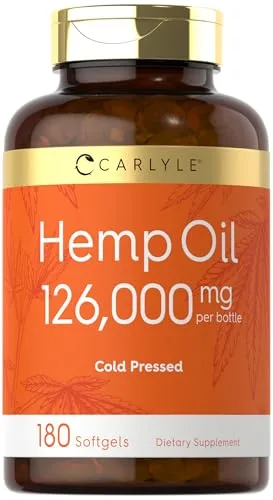
#4Carlyle Hemp Oil Capsules 1400mg
8.4/10
Carlyle
2,925 Amazon reviews
Best for: value with highest dose and largest count
Hemp seed oil (Cannabis sativa) · 1400mg (1 softgel)
Softgel · Lab Tested
$15.99
$0.09 / count
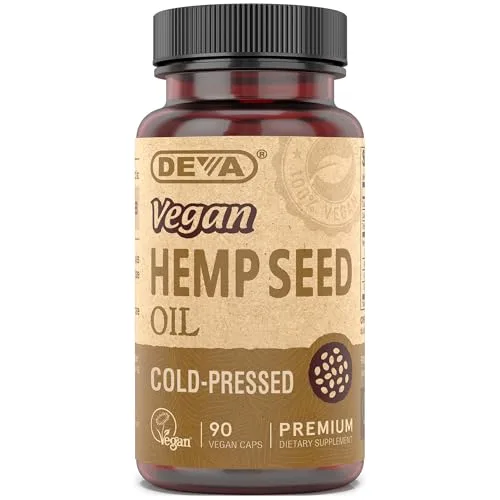
#5DEVA Vegan Virgin Hemp Seed Oil Capsules
8.2/10
DEVA
652 Amazon reviews
Best for: Strict vegans and those wanting organic unrefined oil
Organic cold-pressed unrefined virgin hemp seed oil · ~1000mg (1 capsule)
Capsule (vegan plant cellulose) · None listed
$9.99
$0.11 / count
| # | Product | Best For | Ingredient & Dose | Form & Testing | Price | Rating | |
|---|---|---|---|---|---|---|---|
| 1 | NOW Foods Hemp Seed Oil 1000mg #1 Top Pick 707 Amazon reviews | Overall quality and omega balance | Cold-pressed hemp seed oil (Cannabis sativa) 1000mg (1 softgel) | Softgel 120 Softgels NPA A-rated GMP | $17.37 $0.14 / count | 9.2/10 | |
| 2 | Manitoba Harvest Hemp Seed Oil Capsules 1000mg 556 Amazon reviews | Brand trust and Canadian-sourced hemp | Cold-pressed Canadian hemp seed oil 1000mg (1 softgel) providing 780mg omegas 3 & 6 | Softgel 60 count None listed | $17.07 $17.07 / count | 8.8/10 | |
| 3 | Piping Rock Hemp Seed Oil 1400mg 222 Amazon reviews | Budget buyers wanting cold-pressed quality | Cold-pressed hemp seed oil with omega 3/6/9 1400mg (1 softgel) | Softgel 180 Softgels GMP facility | $14.99 $0.08 / count | 8.6/10 | |
| 4 | Carlyle Hemp Oil Capsules 1400mg 2,925 Amazon reviews | value with highest dose and largest count | Hemp seed oil (Cannabis sativa) 1400mg (1 softgel) | Softgel 180 Softgels Lab Tested | $15.99 $0.09 / count | 8.4/10 | |
| 5 | DEVA Vegan Virgin Hemp Seed Oil Capsules 652 Amazon reviews | Strict vegans and those wanting organic unrefined oil | Organic cold-pressed unrefined virgin hemp seed oil ~1000mg (1 capsule) | Capsule (vegan plant cellulose) 90 Count None listed | $9.99 $0.11 / count | 8.2/10 |
Detailed Reviews
#1 Top Pick
NOW Foods Supplements, Hemp Seed Oil 1,000 mg, Essential Fatty Acids, Nutritional Oil, 120 Softgels
NOW
707 Amazon reviews
9.2/10
(707)
Non-GMOKeto Friendly
Cold-pressed and hexane-free with a verified 3:1 omega-6:omega-3 ratio and meaningful GLA content. NOW Foods holds NPA A-rated GMP certification, making this the most quality-assured option. Keto-friendly and Non-GMO verified.
IngredientCold-pressed hemp seed oil (Cannabis sativa)
Dose1000mg (1 softgel)
FormSoftgel
TestingNPA A-rated GMP
1000mg (1 softgel)Clinical range: 1-2 tablespoons (15-30 mL) daily or 1-3g softgels
Therapeutic dose
$0.14 / count$17.37 · 120 Softgels
Ideal for: Overall quality and omega balance
Not ideal for: Those wanting the highest per-capsule dose.
Pros
- Cold-pressed, hexane-free extraction
- NPA A-rated GMP facility
- Optimal 3:1 omega-6:omega-3 ratio
- Contains GLA (anti-inflammatory omega-6)
- Keto Friendly, Non-GMO
Cons
- 1000mg dose vs. 1400mg competitors
- 120ct smaller than 180ct budget options
Manitoba Harvest Hemp Seed Oil Capsules - 60 count (pack of 1) 1000mg ea.
Manitoba Harvest
556 Amazon reviews
8.8/10
(556)
Non-GMO
Canada's number-one hemp food brand with decades of hemp expertise. Sustainably farmed Canadian hemp provides 780mg of omegas per softgel, including both GLA and the rarer stearidonic acid (SDA). Manitoba Harvest is a hemp-focused company, not a generic supplement maker.
IngredientCold-pressed Canadian hemp seed oil
Dose1000mg (1 softgel) providing 780mg omegas 3 & 6
FormSoftgel
TestingNone listed
1000mg (1 softgel) providing 780mg omegas 3 & 6Clinical range: 1-2 tablespoons (15-30 mL) daily or 1-3g softgels
Therapeutic dose
$17.07 / count$17.07 · 60 count
Ideal for: Brand trust and Canadian-sourced hemp
Not ideal for: Budget buyers seeking maximum count per dollar.
Pros
- Canada's #1 hemp food brand
- Sustainably farmed Canadian hemp
- Contains both GLA and SDA
- 780mg omegas per softgel
- Hemp-specialized company
Cons
- Only 60 softgels per bottle
- Higher per-serving cost ($0.20)
- No listed third-party testing
Piping Rock Hemp Oil Capsules 1400mg | 180 Softgels | Omega 3 6 9 | Cold Pressed | Gluten Free Supplements, Non-GMO
Piping Rock
222 Amazon reviews
8.6/10
(222)
Non-GMO
Combines cold-pressed extraction with the higher 1400mg dose and a full 180-count bottle, all at the lowest per-serving cost in this roundup. Manufactured in a GMP facility and provides omega 3, 6, and 9 fatty acids. Hard to beat on value.
IngredientCold-pressed hemp seed oil with omega 3/6/9
Dose1400mg (1 softgel)
FormSoftgel
TestingGMP facility
1400mg (1 softgel)Clinical range: 1-2 tablespoons (15-30 mL) daily or 1-3g softgels
Therapeutic dose
$0.08 / count$14.99 · 180 Softgels
Ideal for: Budget buyers wanting cold-pressed quality
Not ideal for: Those who need strict third-party certifications like USP or NSF.
Pros
- Cold-pressed extraction at 1400mg dose
- 180-count (6-month supply)
- Lowest cost per serving (~$0.07)
- Omega 3/6/9 fatty acid profile
- GMP facility
Cons
- Discount brand, less brand recognition
- No independent third-party certification
- Limited transparency on sourcing
Carlyle Hemp Oil Capsules | 126,000 mg | 180 Softgels | Non-GMO, Gluten Free
Carlyle
2,925 Amazon reviews
8.4/10
(2,925)
Non-GMOGluten-free
Highest per-softgel dose at 1400mg in a massive 180-count bottle, providing a full 6-month supply. Lab-tested for quality and one of the lowest cost-per-serving options available. Excellent choice for daily long-term supplementation.
IngredientHemp seed oil (Cannabis sativa)
Dose1400mg (1 softgel)
FormSoftgel
TestingLab Tested
1400mg (1 softgel)Clinical range: 1-2 tablespoons (15-30 mL) daily or 1-3g softgels
Therapeutic dose
$0.09 / count$15.99 · 180 Softgels
Ideal for: value with highest dose and largest count
Not ideal for: Those prioritizing premium extraction or organic certification.
Pros
- Highest dose at 1400mg per softgel
- 180-count (6-month supply)
- Lab tested for quality
- Excellent value at ~$0.08/softgel
Cons
- Not specified as cold-pressed
- Budget brand without hemp-specific heritage
- No organic certification
DEVA Vegan Virgin Hemp Seed Oil Capsules – Cold-Pressed, Unrefined, 90 Count
DEVA
652 Amazon reviews
8.2/10
(652)
VeganNon-GMOOrganic
The only truly vegan option using a plant cellulose capsule instead of gelatin softgels. Organic, cold-pressed, and unrefined virgin hemp seed oil preserves the full fatty acid and micronutrient profile. DEVA is a respected vegan supplement brand.
IngredientOrganic cold-pressed unrefined virgin hemp seed oil
Dose~1000mg (1 capsule)
FormCapsule (vegan plant cellulose)
TestingNone listed
~1000mg (1 capsule)Clinical range: 1-2 tablespoons (15-30 mL) daily or 1-3g softgels
Therapeutic dose
$0.11 / count$9.99 · 90 Count
Ideal for: Strict vegans and those wanting organic unrefined oil
Not ideal for: Those wanting the cheapest option or highest dose per capsule.
Pros
- 100% vegan plant cellulose capsule
- Organic cold-pressed unrefined oil
- Virgin quality preserves nutrients
- Respected vegan supplement brand
Cons
- Only 90 capsules per bottle
- No third-party testing listed
- Vegan capsule may absorb slightly slower than softgel
Pairs Well With
Frequently taken together based on complementary benefits
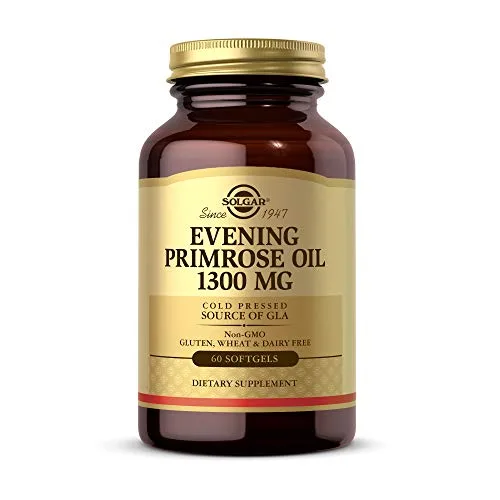
Evening Primrose Oil
Solgar Evening Primrose Oil 1300mg
1300mg evening primrose oil (156mg GLA) per softgel
How to Choose
Hemp Seed Oil vs. CBD Oil: A Critical Distinction
Hemp seed oil and CBD oil are completely different products despite both coming from the Cannabis sativa plant. Hemp seed oil is pressed from the seeds and contains NO cannabinoids (no THC, no CBD). It is a nutritional oil valued for its fatty acid profile. CBD oil is extracted from the flowers, leaves, and stalks of hemp and contains cannabidiol. If you are looking for anti-inflammatory omega fatty acids and GLA, you want hemp seed oil. If you are looking for cannabinoid therapy, you want a different product entirely. Every product in this comparison is pure hemp seed oil with zero cannabinoid content.
Why the Omega-6:Omega-3 Ratio Matters
Most Western diets have an omega-6 to omega-3 ratio between 15:1 and 20:1, which promotes chronic inflammation. Hemp seed oil naturally provides approximately a 3:1 ratio, which researchers consider close to optimal for human health. This balanced ratio means hemp seed oil delivers omega-6 without the inflammatory excess found in corn, soybean, or sunflower oils. Look for products that specify cold-pressed extraction, as heat processing can damage these delicate fatty acids and alter the ratio.
GLA: The Anti-Inflammatory Omega-6
Gamma-linolenic acid (GLA) is what makes hemp seed oil special among plant oils. Unlike the pro-inflammatory omega-6s in most seed oils, GLA converts to DGLA (dihomo-gamma-linolenic acid), which competes with arachidonic acid and produces anti-inflammatory prostaglandins. Hemp seed oil typically contains 2-4% GLA by weight. A 2005 randomized controlled trial by Callaway et al. showed hemp seed oil significantly improved eczema symptoms, likely through this GLA pathway. Products from Manitoba Harvest also contain stearidonic acid (SDA), another beneficial fatty acid.
Cold-Pressed vs. Refined: Quality Indicators
Cold-pressed hemp seed oil retains its full fatty acid profile, natural vitamin E, and chlorophyll. Heat extraction or solvent (hexane) processing can degrade GLA and oxidize omega-3s. Look for 'cold-pressed,' 'hexane-free,' or 'virgin/unrefined' on the label. NOW Foods and DEVA both specify cold-pressed hexane-free processes. Piping Rock also uses cold-pressing despite its budget positioning. If a product does not specify its extraction method, it may use heat or solvent processing.
Dose and Serving Size
Clinical studies typically use 15-30mL (1-2 tablespoons) of liquid hemp seed oil daily, which translates to roughly 1000-3000mg in capsule form. Most products offer 1000-1400mg per softgel. At one softgel daily, you get a maintenance dose. For therapeutic purposes like eczema management (as in the Callaway 2005 study, which used 30mL daily), you may need 2-3 softgels. The 1400mg options from Carlyle and Piping Rock get you closer to therapeutic doses in fewer capsules.
Storage and Freshness
Hemp seed oil is rich in polyunsaturated fats that are susceptible to oxidation. Store softgels in a cool, dark place and use them within the expiration date. Softgels offer better oxidation protection than liquid hemp oil because the gelatin or cellulose shell limits air exposure. If your softgels develop an off smell or taste, they may have gone rancid. Refrigeration can extend shelf life, especially in warmer climates.
Ready to Buy?
NOW Foods Hemp Seed Oil 1000mg
9.2/10$0.14 / countBest for: Overall quality and omega balance
The best hemp seed oil supplement is cold-pressed organic hemp seed oil delivering a natural 3:1 omega-6-to-omega-3 ratio, with zero THC and GMP-verified manufacturing.
Evidence:RCT (2005) · n=20 · high confidence[#1]. See full reference list below.Read Our Full Hemp Seed Oil Research Guide
Evidence level, dosage, side effects, and more →
Already taking supplements?
Check how Hemp Seed Oil fits with your current stack — interactions, timing, and optimization →
Related Supplements
Evening Primrose OilModerate
Bottom line: EPO at 2-6 g daily provides anti-inflammatory GLA for skin barrier support, with mixed evidence for eczema but consistent benefits for skin hydration.
Top picks →Omega-3Strong
Bottom line: Omega-3s have strong evidence for heart, brain, and joint health. Take 1,000-2,000mg EPA+DHA daily — choose triglyceride form fish oil or algal oil for vegans.
Top picks →Related Conditions
Frequently Asked Questions
Is hemp seed oil the same as CBD oil?
Is hemp seed oil the same as CBD oil?
No, they are completely different products. Hemp seed oil is cold-pressed from hemp seeds and contains zero cannabinoids, meaning no THC and no CBD. It is a nutritional oil valued for its omega fatty acids and GLA. CBD oil is extracted from hemp flowers, leaves, and stalks and contains cannabidiol. All products in this comparison are pure hemp seed oil with no cannabinoid content.
Will hemp seed oil show up on a drug test?
Will hemp seed oil show up on a drug test?
No. Hemp seed oil contains no THC (the psychoactive cannabinoid that drug tests detect) and no other cannabinoids. It is a food-grade oil pressed from seeds only. Drug test concerns apply to full-spectrum CBD products, not hemp seed oil. However, always buy from reputable manufacturers to ensure no cross-contamination during processing.
What is GLA and why does it matter in hemp seed oil?
What is GLA and why does it matter in hemp seed oil?
GLA (gamma-linolenic acid) is an omega-6 fatty acid that, unlike most omega-6s, has anti-inflammatory properties. Your body converts GLA into DGLA, which produces anti-inflammatory prostaglandins. Hemp seed oil typically contains 2-4% GLA. A 2005 randomized controlled trial found that dietary hemp seed oil improved eczema symptoms, likely through this GLA pathway [1]. Few common plant oils contain meaningful GLA amounts, making hemp seed oil unique.
Evidence:RCT (2005) · n=20 · high confidence[#1]. See full reference list below.What is the ideal omega-6 to omega-3 ratio?
What is the ideal omega-6 to omega-3 ratio?
Research suggests a ratio between 2:1 and 4:1 is optimal for reducing inflammation and supporting cardiovascular health. Hemp seed oil naturally provides approximately a 3:1 ratio, which falls right in this optimal range. For comparison, the typical Western diet has a ratio of 15:1 to 20:1, which promotes chronic inflammation. This naturally balanced ratio is one of hemp seed oil's primary nutritional advantages.
How much hemp seed oil should I take daily?
How much hemp seed oil should I take daily?
For general nutritional support, 1000-2000mg daily (1-2 softgels) is a standard maintenance dose. The Callaway 2005 eczema study used approximately 30mL of liquid hemp seed oil daily, which translates to roughly 2-3 softgels of a 1400mg product. Start with one softgel daily and increase gradually. Hemp seed oil is a food oil with a strong safety profile, so higher doses are generally well tolerated.
Should I choose softgels or liquid hemp seed oil?
Should I choose softgels or liquid hemp seed oil?
Softgels offer better protection against oxidation (the sealed capsule limits air exposure), precise dosing, and convenience. Liquid hemp seed oil is more economical per gram and allows higher daily doses more easily, but it must be refrigerated after opening and used within weeks. For supplementation purposes, softgels are generally more practical. For cooking or adding to smoothies, liquid oil is better.
Can vegans take hemp seed oil supplements?
Can vegans take hemp seed oil supplements?
Most hemp seed oil supplements use gelatin softgels, which are not vegan. The DEVA Vegan Virgin Hemp Seed Oil Capsules in this comparison use a plant cellulose capsule shell, making them suitable for strict vegans. Alternatively, liquid hemp seed oil (sold in bottles) is inherently vegan. Always check the capsule material if vegan compliance matters to you.
Does cold-pressed really matter for hemp seed oil?
Does cold-pressed really matter for hemp seed oil?
Yes, significantly. Hemp seed oil's key fatty acids (omega-3 ALA, GLA, and SDA) are polyunsaturated and sensitive to heat. Cold-pressing preserves these delicate fats, along with natural vitamin E and other micronutrients. Heat extraction or hexane-solvent processing can oxidize omega-3s and destroy GLA. Products labeled 'cold-pressed' and 'hexane-free' (like NOW Foods and DEVA) retain the full nutritional profile that makes hemp seed oil beneficial.
Continue Reading
References
- RCTCallaway J, Schwab U, Harvima I, et al. (2005). Efficacy of dietary hempseed oil in patients with atopic dermatitis. Journal of Dermatological Treatment. DOI PubMed
- Deferne JL, Pate DW (1996). Hemp seed oil: a source of valuable essential fatty acids. Journal of the International Hemp Association.
- ReviewSimopoulos AP (2002). The importance of the ratio of omega-6/omega-3 essential fatty acids. Biomedicine & Pharmacotherapy. DOI PubMed
- Leizer C, Ribnicky D, Poulev A, et al. (2000). The composition of hemp seed oil and its potential as an important source of nutrition. Journal of Nutraceuticals, Functional & Medical Foods. DOI
- Kriese U, Schumann E, Weber WE, et al. (2004). Oil content, tocopherol composition and fatty acid patterns of the seeds of 51 Cannabis sativa L. genotypes. Euphytica. DOI
- ObservationalOomah BD, Busson M, Godfrey DV, Drover JCG (2002). Characteristics of hemp (Cannabis sativa L.) seed oil. Food Chemistry. DOI
- ObservationalTeh SS, Birch J (2013). Physicochemical and quality characteristics of cold-pressed hemp, flax and canola seed oils. Journal of Food Composition and Analysis. DOI