
We evaluated cod liver oil supplements on EPA+DHA content, Vitamin A and D levels, purity testing, freshness, and value per serving. Our recommendations prioritize third-party tested products from sustainable cod sources with transparent oxidation values.
Best Cod Liver Oil Supplements (2026)
Product pricing and availability checked
Methodology: Evidence-ranked evaluation
·
2,600+Clinical Studies Cited
·6Cod Liver Oil products evaluated
This content is for informational purposes only and does not constitute medical advice. Statements about dietary supplements have not been evaluated by the FDA and are not intended to diagnose, treat, cure, or prevent any disease. Individual results may vary — consult your healthcare provider before starting any supplement. Full disclaimer
As an Amazon Associate, we earn from qualifying purchases. Some links below are affiliate links — this doesn't affect our editorial independence or product ratings. How we evaluate products
Our Verdict
The best cod liver oil supplement delivers 500-1000mg combined EPA+DHA per serving alongside naturally occurring vitamins A and D, with IFOS/IGEN purity certification.
Best By Category
The best cod liver oil provides 500-1000mg combined EPA+DHA per daily dose plus naturally present vitamins A and D,...
The best cod liver oil provides 500-1000mg combined EPA+DHA per daily dose plus naturally present vitamins A and D, ideally in a fresh-pressed liquid or softgel. IFOS 5-star certification is the gold standard for peroxide value, heavy metals, and PCBs.
How We Chose These Products
Products are ranked using our published scoring methodology — evidence strength, dose adequacy, ingredient form, third-party testing signals, value, and clean-label factors are weighted across the 5 criteria below. Commercial relationships do not determine our editorial rankings.
EPA+DHA Content
30%Total omega-3 fatty acids per serving, specifically EPA and DHA. Higher combined doses provide greater cardiovascular and anti-inflammatory benefits per the Aung 2018 meta-analysis.
Vitamin A & D Content
20%Cod liver oil's unique advantage is providing preformed retinol (vitamin A) and vitamin D3 alongside omega-3s. We evaluate whether levels are meaningful without exceeding safe upper limits.
Purity Testing (IFOS/Third-Party)
25%IFOS five-star certification is the gold standard for fish oil purity, testing for heavy metals, PCBs, dioxins, and oxidation markers. Third-party testing from other labs is acceptable but less rigorous.
Freshness/Oxidation
15%Oxidized fish oil may reduce benefits and cause fishy burps. We prioritize products with published totox (total oxidation) values below industry standards and nitrogen-flushed packaging.
Value per Serving
10%Cost per serving adjusted for omega-3 content and vitamin levels. A $0.30/serving product with 1100mg omega-3s delivers better value than a $0.15/serving product with 170mg.
#1 Top Pick
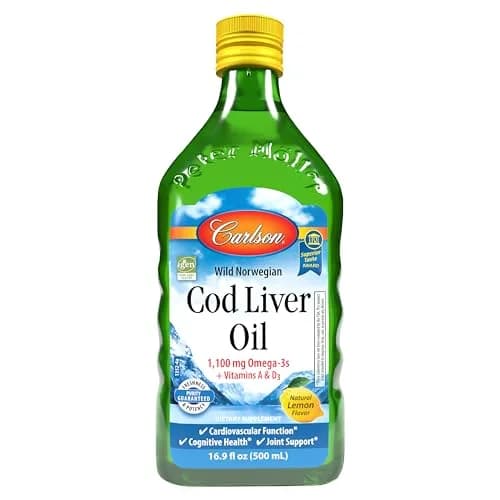
Delivers the highest EPA+DHA content (1100mg) of any cod liver oil tested, sourced from Norwegian Arctic cod and verified by IFOS five-star certification. The lemon flavor effectively masks fishiness, and nitrogen-flushed bottles maintain freshness. Provides meaningful vitamin A (850 IU) and D3 (400 IU) without approaching upper limits.
IngredientNorwegian Arctic Cod Liver Oil
Dose1100mg omega-3s per tsp (EPA 460mg + DHA 500mg) + Vitamin A 850 IU + Vitamin D3 400 IU
FormLiquid
TestingIFOS Certified, IGEN Non-GMO
1100mg omega-3s per tsp (EPA 460mg + DHA 500mg) + Vitamin A 850 IU + Vitamin D3 400 IUClinical range: 1-2 teaspoons (5-10ml) or 1-2 capsules daily
Blend formula
$4.28 / fluid ounce
Pros
- Highest omega-3 content (1100mg EPA+DHA per tsp)
- IFOS five-star certified for purity
- Pleasant lemon flavor
Cons
- Liquid requires refrigeration after opening
- Less travel-friendly than softgels
Gluten-freeNon-GMO (IGEN verified)No artificial preservatives
Quick Comparison
#1Carlson Cod Liver Oil Liquid Lemon 16.9oz
9.6/10
Carlson
#1 Top Pick
11,899 Amazon reviews
Best for: Overall best cod liver oil — highest omega-3 dose with gold-standard purity testing
Norwegian Arctic Cod Liver Oil · 1100mg omega-3s per tsp (EPA 460mg + DHA 500mg) + Vitamin A 850 IU + Vitamin D3 400 IU
Liquid · IFOS Certified, IGEN Non-GMO
$72.25
$4.28 / fluid ounce
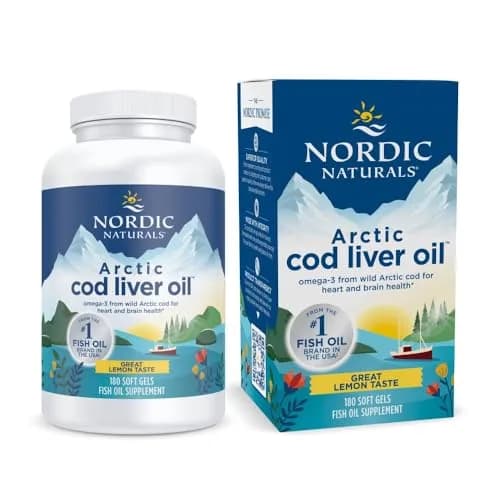
#2Nordic Naturals Arctic CLO Softgels Lemon 180ct
9/10
Nordic Naturals
2,802 Amazon reviews
Best for: softgel option — convenient format from the gold-standard fish oil brand
Arctic Cod Liver Oil (Triglyceride Form) · 750mg omega-3s per 3 softgels + Vitamin A 750-1500 IU + Vitamin D 0-300 IU
Softgel · Third-Party Tested (Certificate of Analysis available)
$42.46
$0.24 / count
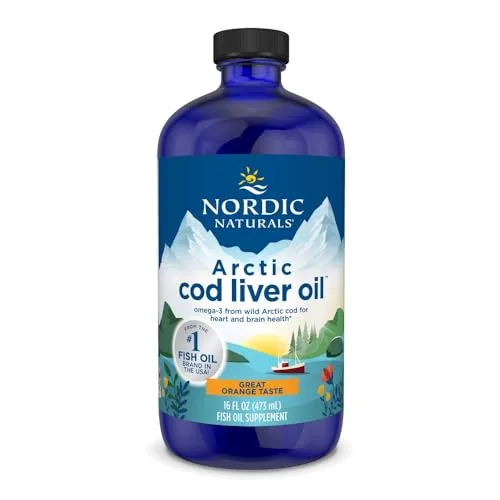
#3Nordic Naturals Arctic CLO Liquid Orange 16oz
8.6/10
Nordic Naturals
2,945 Amazon reviews
Best for: Best-tasting liquid cod liver oil — orange flavor appeals to adults and children alike
Arctic Cod Liver Oil (Triglyceride Form) · 1060mg omega-3s per tsp + Vitamin A 750-1500 IU + Vitamin D 0-300 IU
Liquid · Third-Party Tested (Certificate of Analysis available)
$50.11
$3.13 / fluid ounce
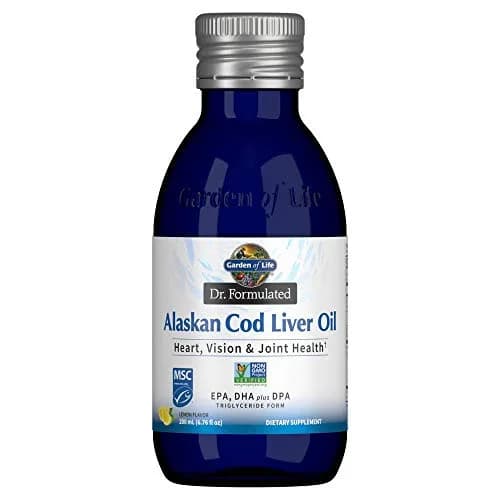
#4Garden of Life Dr. Formulated Alaskan CLO Liquid 6.76oz
8.4/10
Garden of Life
70 Amazon reviews
Best for: sustainably sourced — line-caught Alaskan cod with DPA bonus
Line-Caught Alaskan Cod Liver Oil · 1000mg omega-3s per tsp (EPA + DHA + DPA) + Vitamin A + Vitamin D
Liquid · Non-GMO Project Verified
$29.76
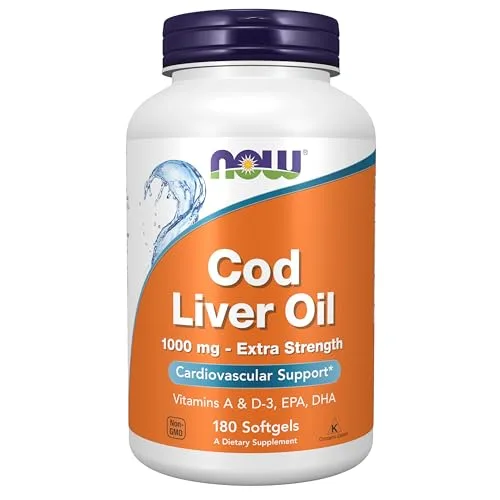
#5NOW Foods Cod Liver Oil Extra Strength 1000mg 180ct
7.8/10
NOW
6,022 Amazon reviews
Best for: Budget option — lowest cost per serving with GMP quality assurance
Molecularly Distilled Cod Liver Oil · 1000mg CLO per softgel (EPA 70mg + DHA 100mg) + Vitamin A + Vitamin D3
Softgel · GMP Certified, Third-Party Tested
$18.36
$0.10 / count
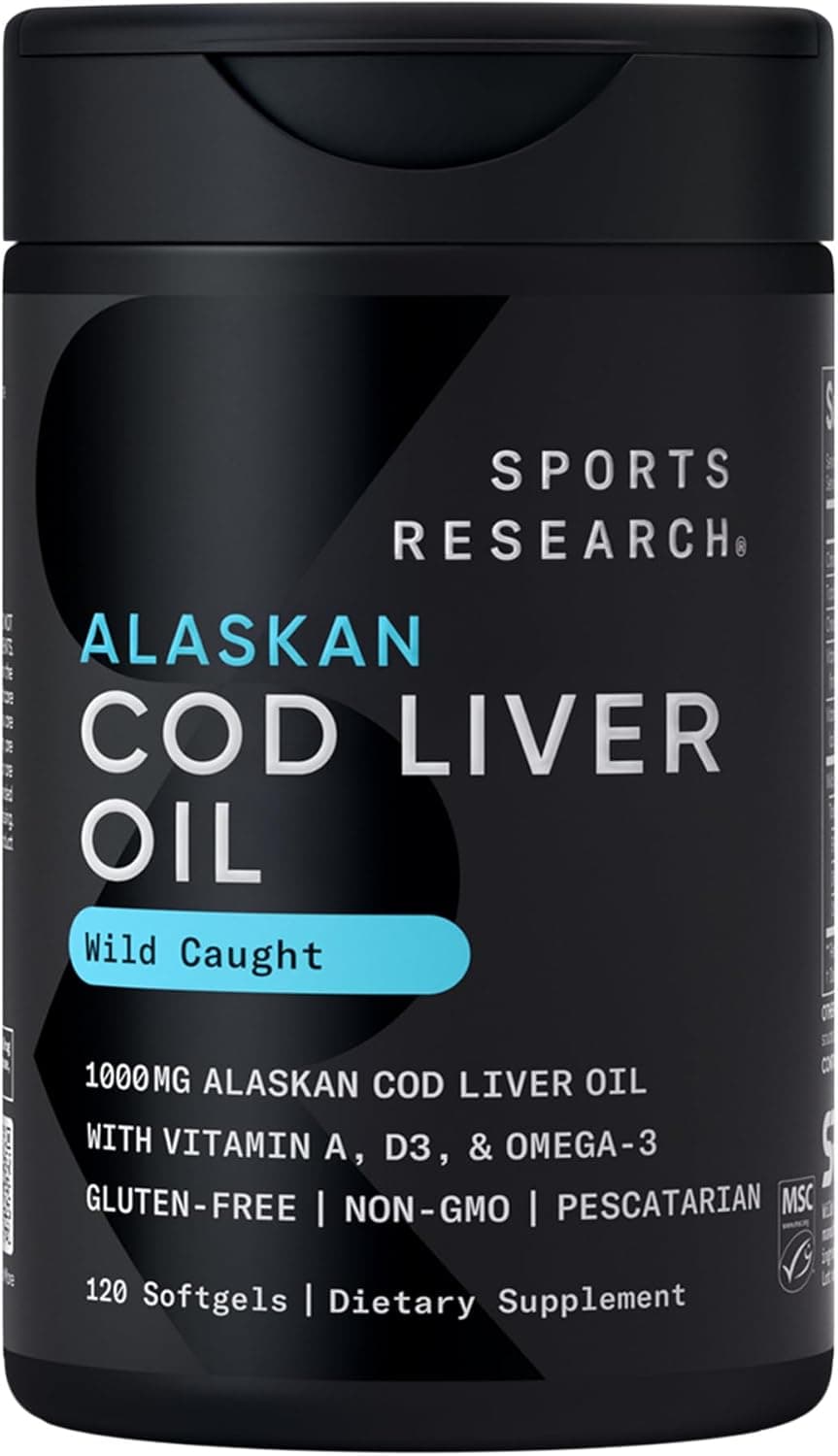
#6Sports Research Cod Liver Oil 1000mg with Vitamins A & D3
7.8/10
Sports Research
228 Amazon reviews
Best for: Pescatarians wanting a traditional cod liver oil with added Vitamins A and D3 in a burpless, MSC-certified softgel
Wild Alaskan Cod Liver Oil with Vitamins A & D3 · 1000mg cod liver oil (165mg Omega-3, 300mcg Vitamin A, 10mcg D3) per softgel; up to 3 softgels/day
Softgel · IFOS Certified, IGEN Non-GMO Tested, MSC Certified Sustainable
$24.95
$0.21 / count
| # | Product | Best For | Ingredient & Dose | Form & Testing | Price | Rating | |
|---|---|---|---|---|---|---|---|
| 1 | Carlson Cod Liver Oil Liquid Lemon 16.9oz #1 Top Pick 11,899 Amazon reviews | Overall best cod liver oil — highest omega-3 dose with gold-standard purity testing | Norwegian Arctic Cod Liver Oil 1100mg omega-3s per tsp (EPA 460mg + DHA 500mg) + Vitamin A 850 IU + Vitamin D3 400 IU | Liquid IFOS Certified, IGEN Non-GMO | $72.25 $4.28 / fluid ounce | 9.6/10 | |
| 2 | Nordic Naturals Arctic CLO Softgels Lemon 180ct 2,802 Amazon reviews | softgel option — convenient format from the gold-standard fish oil brand | Arctic Cod Liver Oil (Triglyceride Form) 750mg omega-3s per 3 softgels + Vitamin A 750-1500 IU + Vitamin D 0-300 IU | Softgel 60 Servings Third-Party Tested (Certificate of Analysis available) | $42.46 $0.24 / count | 9/10 | |
| 3 | Nordic Naturals Arctic CLO Liquid Orange 16oz 2,945 Amazon reviews | Best-tasting liquid cod liver oil — orange flavor appeals to adults and children alike | Arctic Cod Liver Oil (Triglyceride Form) 1060mg omega-3s per tsp + Vitamin A 750-1500 IU + Vitamin D 0-300 IU | Liquid 96 Servings Third-Party Tested (Certificate of Analysis available) | $50.11 $3.13 / fluid ounce | 8.6/10 | |
| 4 | Garden of Life Dr. Formulated Alaskan CLO Liquid 6.76oz 70 Amazon reviews | sustainably sourced — line-caught Alaskan cod with DPA bonus | Line-Caught Alaskan Cod Liver Oil 1000mg omega-3s per tsp (EPA + DHA + DPA) + Vitamin A + Vitamin D | Liquid Non-GMO Project Verified | $29.76 | 8.4/10 | |
| 5 | NOW Foods Cod Liver Oil Extra Strength 1000mg 180ct 6,022 Amazon reviews | Budget option — lowest cost per serving with GMP quality assurance | Molecularly Distilled Cod Liver Oil 1000mg CLO per softgel (EPA 70mg + DHA 100mg) + Vitamin A + Vitamin D3 | Softgel 180 Softgels GMP Certified, Third-Party Tested | $18.36 $0.10 / count | 7.8/10 | |
| 6 | Sports Research Cod Liver Oil 1000mg with Vitamins A & D3 228 Amazon reviews | Pescatarians wanting a traditional cod liver oil with added Vitamins A and D3 in a burpless, MSC-certified softgel | Wild Alaskan Cod Liver Oil with Vitamins A & D3 1000mg cod liver oil (165mg Omega-3, 300mcg Vitamin A, 10mcg D3) per softgel; up to 3 softgels/day | Softgel 120.00 Count IFOS Certified, IGEN Non-GMO Tested, MSC Certified Sustainable | $24.95 $0.21 / count | 7.8/10 |
Detailed Reviews
#1 Top Pick
Carlson - Cod Liver Oil 1100 mg Omega-3s Plus Vitamins A & D3, Wild Caught Norwegian Arctic, Sustainably Sourced Nordic Fish Oil Liquid, Lemon, 500 mL (16.9 Fl Oz)
Carlson
11,899 Amazon reviews
9.6/10
(11,899)
Gluten-freeNon-GMO (IGEN verified)No artificial preservatives
Delivers the highest EPA+DHA content (1100mg) of any cod liver oil tested, sourced from Norwegian Arctic cod and verified by IFOS five-star certification. The lemon flavor effectively masks fishiness, and nitrogen-flushed bottles maintain freshness. Provides meaningful vitamin A (850 IU) and D3 (400 IU) without approaching upper limits.
IngredientNorwegian Arctic Cod Liver Oil
Dose1100mg omega-3s per tsp (EPA 460mg + DHA 500mg) + Vitamin A 850 IU + Vitamin D3 400 IU
FormLiquid
TestingIFOS Certified, IGEN Non-GMO
1100mg omega-3s per tsp (EPA 460mg + DHA 500mg) + Vitamin A 850 IU + Vitamin D3 400 IUClinical range: 1-2 teaspoons (5-10ml) or 1-2 capsules daily
Blend formula
$4.28 / fluid ounce
Ideal for: Overall best cod liver oil — highest omega-3 dose with gold-standard purity testing
Not ideal for: Those who cannot tolerate liquid fish oil or need a travel-friendly format.
Pros
- Highest omega-3 content (1100mg EPA+DHA per tsp)
- IFOS five-star certified for purity
- Pleasant lemon flavor
- Norwegian Arctic cod source
- Balanced vitamin A and D3 levels
Cons
- Liquid requires refrigeration after opening
- Less travel-friendly than softgels
- Must be used within ~90 days of opening
Nordic Naturals Arctic Cod Liver Oil, Lemon - 180 Soft Gels - 750 mg Total Omega-3s with EPA & DHA - Heart & Brain Health, Healthy Immunity, Overall Wellness - Non-GMO - 60 Servings
Nordic Naturals
2,802 Amazon reviews
9/10
(2,802)
Gluten-freeNo artificial colors or flavorsNon-GMO
Nordic Naturals is the gold-standard brand in omega-3 supplements, and their Arctic CLO softgels deliver 750mg omega-3s per 3-softgel serving in triglyceride form for superior absorption. Every batch is third-party tested for purity. Lemon-flavored softgels minimize fishy aftertaste.
IngredientArctic Cod Liver Oil (Triglyceride Form)
Dose750mg omega-3s per 3 softgels + Vitamin A 750-1500 IU + Vitamin D 0-300 IU
FormSoftgel
TestingThird-Party Tested (Certificate of Analysis available)
750mg omega-3s per 3 softgels + Vitamin A 750-1500 IU + Vitamin D 0-300 IUClinical range: 1-2 teaspoons (5-10ml) or 1-2 capsules daily
Blend formula
$0.24 / count$42.46 · 60 Servings
Ideal for: softgel option — convenient format from the gold-standard fish oil brand
Not ideal for: Budget-conscious buyers or those who prefer higher omega-3 doses per serving.
Pros
- Gold-standard brand reputation
- Triglyceride form for better absorption
- No fishy aftertaste (lemon flavor)
- Convenient softgel format
- Third-party tested every batch
Cons
- Requires 3 softgels per serving
- Lower omega-3s per serving than liquids
- Premium price point
Nordic Naturals Arctic Cod Liver Oil, Orange - 16 oz - 1060 mg Total Omega-3s with EPA & DHA - Heart & Brain Health, Healthy Immunity, Overall Wellness - Non-GMO - 96 Servings
Nordic Naturals
2,945 Amazon reviews
8.6/10
(2,945)
Gluten-freeNon-GMONo artificial colors or preservatives
The orange flavor is a standout for palatability, making this the easiest liquid CLO to take daily. Delivers 1060mg omega-3s per teaspoon in bioavailable triglyceride form. With 96 servings per bottle, the value is strong despite the premium brand price.
IngredientArctic Cod Liver Oil (Triglyceride Form)
Dose1060mg omega-3s per tsp + Vitamin A 750-1500 IU + Vitamin D 0-300 IU
FormLiquid
TestingThird-Party Tested (Certificate of Analysis available)
1060mg omega-3s per tsp + Vitamin A 750-1500 IU + Vitamin D 0-300 IUClinical range: 1-2 teaspoons (5-10ml) or 1-2 capsules daily
Blend formula
$3.13 / fluid ounce$50.11 · 96 Servings
Ideal for: Best-tasting liquid cod liver oil — orange flavor appeals to adults and children alike
Not ideal for: Those who prefer softgels or need the highest omega-3 dose available.
Pros
- Excellent orange flavor for palatability
- 1060mg omega-3s per teaspoon
- Triglyceride form for absorption
- 96 servings per bottle
- Third-party tested
Cons
- No IFOS certification
- Requires refrigeration
- Slightly lower omega-3s than Carlson
Garden of Life Dr. Formulated Alaskan Cod Liver Oil 1000 mg Omega 3s (EPA, DHA & DPA) + Vitamins A & D, Non-GMO, Sustainably Sourced & Line Caught, Lemon, 6.76 Fl Oz
Garden of Life
70 Amazon reviews
8.4/10
(70)
Non-GMO Project VerifiedGluten-freeNo artificial flavors
The only cod liver oil on our list from line-caught Alaskan cod, offering full traceability and sustainable sourcing. Uniquely includes DPA (docosapentaenoic acid), an emerging omega-3 with anti-inflammatory and vascular repair properties. Non-GMO Project Verified with a clean ingredient profile.
IngredientLine-Caught Alaskan Cod Liver Oil
Dose1000mg omega-3s per tsp (EPA + DHA + DPA) + Vitamin A + Vitamin D
FormLiquid
TestingNon-GMO Project Verified
1000mg omega-3s per tsp (EPA + DHA + DPA) + Vitamin A + Vitamin DClinical range: 1-2 teaspoons (5-10ml) or 1-2 capsules daily
Blend formula
Ideal for: sustainably sourced — line-caught Alaskan cod with DPA bonus
Not ideal for: Those seeking the absolute highest omega-3 dose or lowest price per serving.
Pros
- Line-caught Alaskan cod (sustainable)
- Includes DPA alongside EPA and DHA
- Non-GMO Project Verified
- Dr. Formulated line (clinical credibility)
- Clean ingredient profile
Cons
- Smaller bottle (fewer servings)
- Higher cost per serving
- Newer product with less track record
NOW Foods Supplements, Cod Liver Oil, Extra Strength 1,000 mg with Vitamins A & D-3, EPA, DHA, 180 Softgels
NOW
6,022 Amazon reviews
7.8/10
(6,022)
GMP Quality AssuredMolecularly Distilled
At roughly $0.08 per serving, NOW Foods delivers molecularly distilled cod liver oil with vitamins A and D3 at a fraction of the cost of premium brands. GMP-certified facility and third-party testing provide baseline quality assurance. The 180-count bottle lasts six months.
IngredientMolecularly Distilled Cod Liver Oil
Dose1000mg CLO per softgel (EPA 70mg + DHA 100mg) + Vitamin A + Vitamin D3
FormSoftgel
TestingGMP Certified, Third-Party Tested
1000mg CLO per softgel (EPA 70mg + DHA 100mg) + Vitamin A + Vitamin D3Clinical range: 1-2 teaspoons (5-10ml) or 1-2 capsules daily
Blend formula
$0.10 / count$18.36 · 180 Softgels
Ideal for: Budget option — lowest cost per serving with GMP quality assurance
Not ideal for: Those seeking high EPA+DHA doses per capsule or IFOS-level purity testing.
Pros
- Extremely affordable ($0.08/serving)
- Molecularly distilled for purity
- GMP-certified manufacturing
- 180-count bottle (6-month supply)
- Easy one-softgel serving
Cons
- Very low EPA+DHA per softgel (170mg combined)
- No IFOS certification
- Would need many capsules to match liquid doses
Sports Research® Omega-3 Wild Alaskan Cod Liver Oil 1000mg with Vitamins A (1000 IU) & D3 (400 IU) - Burpless, Bovine Free, Non-GMO, & MSC Certified Sustainable - 120 Softgels
Sports Research
228 Amazon reviews
7.8/10
(228)
Fish (Cod)
Sports Research's triple certification stack (IFOS + MSC + IGEN) is unusually thorough for a cod liver oil, and the burpless softgel eliminates the classic objection to fish oil supplementation. Ideal for users who want the traditional vitamin A + D3 + omega combo in a clean, sustainable format.
IngredientWild Alaskan Cod Liver Oil with Vitamins A & D3
Dose1000mg cod liver oil (165mg Omega-3, 300mcg Vitamin A, 10mcg D3) per softgel; up to 3 softgels/day
FormSoftgel
TestingIFOS Certified, IGEN Non-GMO Tested, MSC Certified Sustainable
1000mg cod liver oil (165mg Omega-3, 300mcg Vitamin A, 10mcg D3) per softgel; up to 3 softgels/dayClinical range: 1-2 teaspoons (5-10ml) or 1-2 capsules daily
Blend formula
$0.21 / count$24.95 · 120.00 Count
Ideal for: Pescatarians wanting a traditional cod liver oil with added Vitamins A and D3 in a burpless, MSC-certified softgel
Not ideal for: Buyers seeking high-concentration EPA/DHA fish oil — at 165mg Omega-3 per softgel, potency is modest compared to dedicated fish oil products
Pros
- Triple certification: IFOS (purity/potency), MSC (sustainable fishing), IGEN Non-GMO tested
- A + D3 co-delivery in one softgel — traditional synergistic cod liver oil formula
- Burpless and bovine-free — no fish aftertaste and gelatin from non-bovine source
- Up to 3 softgels/day allows flexible dosing up to 495mg Omega-3 + 900mcg Vitamin A + 30mcg D3
Cons
- Only 165mg Omega-3 per softgel — low vs dedicated fish oil concentrates (1250mg–2500mg products)
- Modest review count (228) relative to Sports Research's flagship omega products
- Vitamin A at 300mcg/softgel (3 softgels = 900mcg) approaches the tolerable upper limit (3000mcg) if combined with other A-containing products
Pairs Well With
Frequently taken together based on complementary benefits
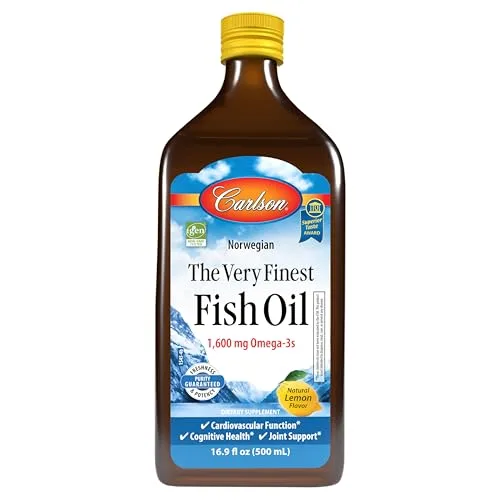
Fish Oil
Carlson The Very Finest Fish Oil Liquid
Staff Pick
1,600mg omega-3s per tsp (EPA 800mg + DHA 600mg + DPA 70mg)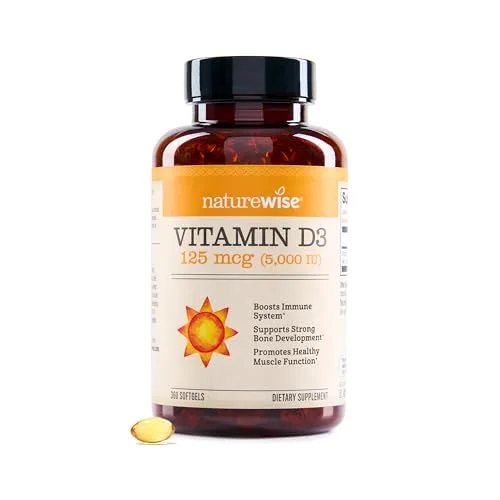
How to Choose
Liquid vs Softgels
Liquid cod liver oil delivers 5-6x more omega-3s per serving than softgels. One teaspoon of Carlson liquid provides 1100mg omega-3s, while a single NOW Foods softgel provides just 170mg. If your goal is therapeutic omega-3 intake (1000mg+ EPA+DHA daily), liquid is far more practical. Softgels are better for convenience, travel, and those who cannot tolerate the taste of liquid oil.
Vitamin A Safety
Cod liver oil contains preformed vitamin A (retinol), which is well-absorbed but has a tolerable upper intake level of 10,000 IU per day for adults. At 1-2 teaspoons daily, most cod liver oils deliver 850-3000 IU vitamin A — well within safe limits. However, if you also take a multivitamin with vitamin A or eat liver regularly, calculate your total intake. Pregnant women should be especially cautious, as excess preformed vitamin A (above 10,000 IU/day) is associated with birth defects.
Freshness and Oxidation Markers
Oxidized fish oil tastes bad and may reduce health benefits. Look for products that publish their totox (total oxidation) values — IFOS-certified products are required to meet strict oxidation limits. Nitrogen-flushed bottles, dark glass packaging, and antioxidant additions (like vitamin E or rosemary extract) all help preserve freshness. Always refrigerate liquid cod liver oil after opening and use within 90 days.
Cod Source Matters
Wild-caught Arctic cod (from Norway or Alaska) is the standard for quality cod liver oil. Norwegian Arctic cod has a long track record and established supply chains. Alaskan cod offers full traceability with line-caught methods. Avoid products that do not disclose their cod source, as they may use farmed fish or less regulated fisheries. Look for Friend of the Sea or MSC certification as additional sustainability assurance.
Ready to Buy?
Carlson Cod Liver Oil Liquid Lemon 16.9oz
9.6/10$4.28 / fluid ounceBest for: Overall best cod liver oil — highest omega-3 dose with gold-standard purity testing
The best cod liver oil supplement delivers 500-1000mg combined EPA+DHA per serving alongside naturally occurring vitamins A and D, with IFOS/IGEN purity certification.
Evidence:Meta-analysis (2018) · high confidence[#2]. See full reference list below.Read Our Full Cod Liver Oil Research Guide
Evidence level, dosage, side effects, and more →
Already taking supplements?
Check how Cod Liver Oil fits with your current stack — interactions, timing, and optimization →
Related Supplements
Fish OilStrong
Bottom line: Fish oil is the omega-3 gold standard — proven to cut triglycerides, reduce inflammation, support brain health, and lower cardiovascular risk.
Top picks →Vitamin D3Strong
Bottom line: Most adults need vitamin D3 supplements — 42% are deficient. Take 1,000-4,000 IU daily with a fatty meal for immune, bone, and mood support.
Top picks →Related Conditions
Frequently Asked Questions
What is the difference between cod liver oil and regular fish oil?
What is the difference between cod liver oil and regular fish oil?
Cod liver oil comes specifically from the liver of Atlantic or Pacific cod and naturally contains vitamins A and D alongside omega-3 fatty acids. Regular fish oil is extracted from the body tissue of oily fish (sardines, anchovies, mackerel) and contains only omega-3s without significant vitamin A or D. This makes cod liver oil a three-in-one supplement, though it typically provides lower EPA+DHA per serving than concentrated fish oil.
How much cod liver oil should I take per day?
How much cod liver oil should I take per day?
Most adults benefit from 1 teaspoon (5ml) of liquid cod liver oil or 1-3 softgels daily, which provides roughly 800-1100mg omega-3s, 850-1500 IU vitamin A, and 400 IU vitamin D [2]. The American Heart Association recommends at least 500mg combined EPA+DHA daily for general heart health. Do not exceed 2 tablespoons of cod liver oil daily to stay within safe vitamin A limits.
Evidence:Meta-analysis (2018) · high confidence[#2]. See full reference list below.Can I take cod liver oil if I already take vitamin D?
Can I take cod liver oil if I already take vitamin D?
Yes, but calculate your total vitamin D intake. One teaspoon of cod liver oil typically provides 400 IU vitamin D3. If you also take a standalone vitamin D supplement (commonly 1000-5000 IU), your combined intake should stay below 4000 IU daily for most adults unless directed otherwise by a healthcare provider. The Endocrine Society considers up to 10,000 IU daily safe for short-term use.
Is cod liver oil safe during pregnancy?
Is cod liver oil safe during pregnancy?
Cod liver oil can be beneficial during pregnancy for fetal brain development (DHA) and immune support (vitamin D), but the vitamin A content requires caution. Pregnant women should not exceed 10,000 IU of preformed vitamin A (retinol) daily due to teratogenicity risk. One teaspoon of most cod liver oils provides 850-1500 IU vitamin A, which is safe. Avoid combining with other vitamin A supplements or prenatal vitamins containing retinol without medical guidance.
What does IFOS certification mean for fish oil?
What does IFOS certification mean for fish oil?
IFOS (International Fish Oil Standards) is the most rigorous third-party testing program for omega-3 supplements. IFOS tests for heavy metals (mercury, lead, arsenic), PCBs, dioxins, and oxidation levels. Products earning five-star IFOS certification meet or exceed all international safety standards. Among our picks, only Carlson holds IFOS certification. Nordic Naturals uses their own third-party testing program with published certificates of analysis.
Does cod liver oil go bad? How should I store it?
Does cod liver oil go bad? How should I store it?
Liquid cod liver oil oxidizes over time, especially after opening. Store unopened bottles in a cool, dark place. After opening, refrigerate and use within 90 days. Softgels are more shelf-stable and can be stored at room temperature. Signs of rancidity include a strong fishy smell, bitter taste, or cloudy appearance. Antioxidants like vitamin E in the formula help slow oxidation but do not prevent it indefinitely.
Why is cod liver oil lower in omega-3s than concentrated fish oil?
Why is cod liver oil lower in omega-3s than concentrated fish oil?
Cod liver oil is minimally processed to preserve its natural vitamin A and D content, whereas concentrated fish oils undergo molecular distillation or ethyl ester conversion to boost EPA+DHA levels. A teaspoon of cod liver oil provides roughly 1000mg omega-3s, while a concentrated fish oil capsule can provide 1000mg+ in a single softgel. The trade-off is that cod liver oil delivers vitamins alongside omega-3s, making it more of a whole-food supplement.
Can children take cod liver oil?
Can children take cod liver oil?
Yes, cod liver oil has been given to children for generations and is generally considered safe. Dosing depends on age: children aged 1-3 typically take 1/4 teaspoon, ages 4-8 take 1/2 teaspoon, and ages 9-13 take 1 teaspoon. Flavored liquid options (lemon or orange) improve palatability. Adjust vitamin A intake to stay within age-appropriate upper limits (2000 IU for ages 1-3, 3000 IU for ages 4-8). Consult a pediatrician before starting.
Continue Reading
References
- RCTManson JE, Cook NR, Lee IM, et al. (2019). Vitamin D Supplements and Prevention of Cancer and Cardiovascular Disease. New England Journal of Medicine. DOI PubMed
- Meta-analysisAung T, Halsey J, Kromhout D, et al. (2018). Associations of Omega-3 Fatty Acid Supplement Use With Cardiovascular Disease Risks. JAMA Cardiology. DOI PubMed
- Meta-analysisMartineau AR, Jolliffe DA, Hooper RL, et al. (2017). Vitamin D supplementation to prevent acute respiratory tract infections: systematic review and meta-analysis of individual participant data. BMJ. DOI PubMed
- Meta-analysisGoldberg RJ, Katz J (2007). A meta-analysis of the analgesic effects of omega-3 polyunsaturated fatty acid supplementation for inflammatory joint pain. Pain. DOI PubMed
- ReviewCalder PC (2017). Omega-3 fatty acids and inflammatory processes: from molecules to man. Biochemical Society Transactions. DOI PubMed
- ObservationalAlbert BB, Cameron-Smith D, Robinson PH, et al. (2015). Fish oil supplements in New Zealand are highly oxidised and do not meet label content of n-3 PUFA. Scientific Reports. DOI PubMed
- RCTBhatt DL, Steg PG, Miller M, et al. (2019). Cardiovascular Risk Reduction with Icosapent Ethyl for Hypertriglyceridemia. New England Journal of Medicine. DOI PubMed