
We evaluated krill oil supplements on phospholipid-bound omega-3 content, astaxanthin levels, purity testing, sustainability certifications, and value per serving. Our recommendations are evidence-based and include non-affiliate options.
Best Krill Oil Supplements (2026)
Product pricing and availability checked
Methodology: Evidence-ranked evaluation
·
2,600+Clinical Studies Cited
·6Krill Oil products evaluated
This content is for informational purposes only and does not constitute medical advice. Statements about dietary supplements have not been evaluated by the FDA and are not intended to diagnose, treat, cure, or prevent any disease. Individual results may vary — consult your healthcare provider before starting any supplement. Full disclaimer
As an Amazon Associate, we earn from qualifying purchases. Some links below are affiliate links — this doesn't affect our editorial independence or product ratings. How we evaluate products
Our Verdict
Sports Research Antarctic Krill Oil 1000mg is our top pick for its Superba2 extract, MSC certification, IFOS 5-Star purity rating, and strong omega-3 profile.
Best By Category
The best krill oil supplement delivers at least 200-300mg combined EPA+DHA per serving as phospholipid-bound omega-3s...
The best krill oil supplement delivers at least 200-300mg combined EPA+DHA per serving as phospholipid-bound omega-3s (not triglyceride), with 400mcg of astaxanthin. MSC certification verifies sustainable sourcing from Antarctic Euphausia superba; IFOS 5-star confirms oxidation and heavy-metal safety.
How We Chose These Products
Products are ranked using our published scoring methodology — evidence strength, dose adequacy, ingredient form, third-party testing signals, value, and clean-label factors are weighted across the 5 criteria below. Commercial relationships do not determine our editorial rankings.
Phospholipid/Omega-3 Content
30%The primary active component of krill oil. Higher EPA+DHA content in phospholipid form means better cell membrane incorporation. Branded extracts like Superba2 and Neptune NKO ensure standardized phospholipid levels.
Astaxanthin Content
20%Natural astaxanthin from krill prevents omega-3 oxidation and provides independent antioxidant benefits. Higher astaxanthin content indicates less processing and better stability. Clinically relevant doses start around 1mg.
Purity Testing
20%Third-party testing (IFOS 5-Star, ConsumerLab, independent lab) verifies omega-3 content, heavy metal levels, and absence of contaminants. Antarctic krill is naturally low in heavy metals, but testing confirms label accuracy.
Sustainability Certification
15%MSC (Marine Stewardship Council) certification ensures sustainable harvesting from Antarctic waters. Krill is a keystone species in the Southern Ocean ecosystem — responsible sourcing is critical for long-term viability.
Value per Serving
15%Cost per softgel adjusted for omega-3 content and quality. A higher-dose product with branded krill extract may deliver better value than a cheaper low-dose alternative requiring multiple softgels.
#1 Top Pick
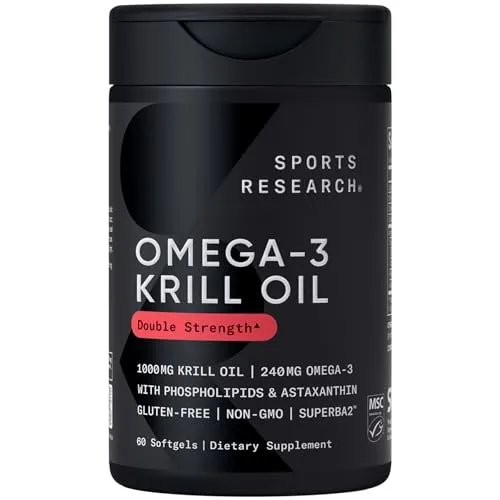
Uses Superba2 branded krill extract from Aker BioMarine with full MSC sustainability certification and IFOS 5-Star purity rating. The 1000mg dose delivers clinically meaningful phospholipid-bound EPA+DHA in a single softgel. Over 11,000 Amazon reviews confirm consistent quality.
IngredientSuperba2 Antarctic Krill Oil
Dose1000mg krill oil (EPA 136mg + DHA 60mg, astaxanthin ~500mcg)
FormSoftgel
TestingIFOS 5-Star
1000mg krill oil (EPA 136mg + DHA 60mg, astaxanthin ~500mcg)Clinical range: 1-3g daily (providing 250-500mg combined EPA+DHA)
Therapeutic dose
$0.52 / count$30.95 · 60 Softgel
Pros
- Superba2 branded krill extract (gold standard)
- IFOS 5-Star certified purity
- MSC certified sustainable harvesting
Cons
- Lower astaxanthin than some competitors
- Mid-range price point
Shellfish (krill)Non-GMOGluten-free
Quick Comparison
#1Sports Research Antarctic Krill Oil 1000mg
9.4/10
Sports Research
#1 Top Pick
11,872 Amazon reviews
Best for: Overall best krill oil with top-tier purity and sustainability
Superba2 Antarctic Krill Oil · 1000mg krill oil (EPA 136mg + DHA 60mg, astaxanthin ~500mcg)
Softgel · IFOS 5-Star
$30.95
$0.52 / count
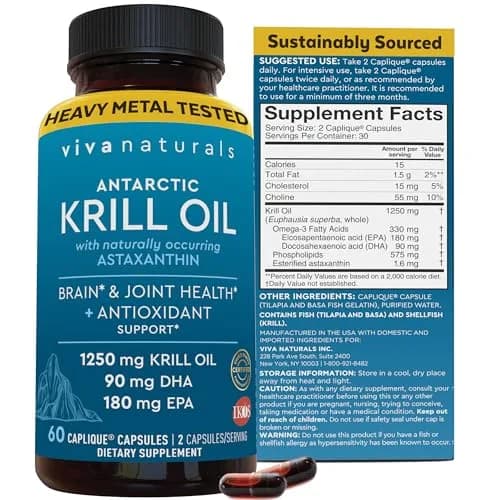
#2Viva Naturals Antarctic Krill Oil 1250mg
8.8/10
Viva Naturals
7,146 Amazon reviews
Best for: Highest astaxanthin content and strongest omega-3 dose per softgel
Antarctic Krill Oil · 1250mg krill oil (EPA 165mg + DHA 90mg, astaxanthin 1600mcg)
Softgel · Third-Party Tested
$29.93
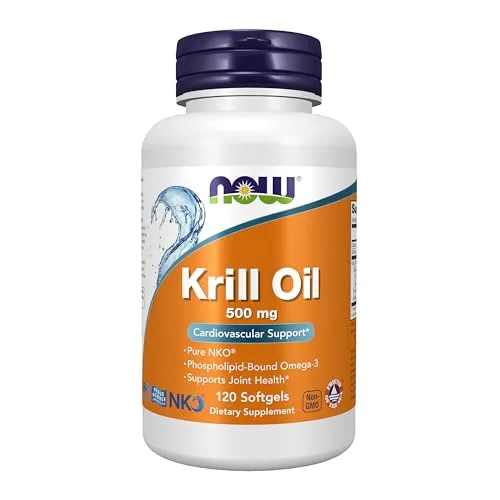
#3NOW Supplements Neptune Krill Oil 500mg
8.6/10
NOW
1,248 Amazon reviews
Best for: value — 120 softgels with branded NKO krill at the lowest cost per serving
Neptune NKO Krill Oil · 500mg NKO krill oil per softgel
Softgel · Third-Party Tested
$32.95
$0.27 / count
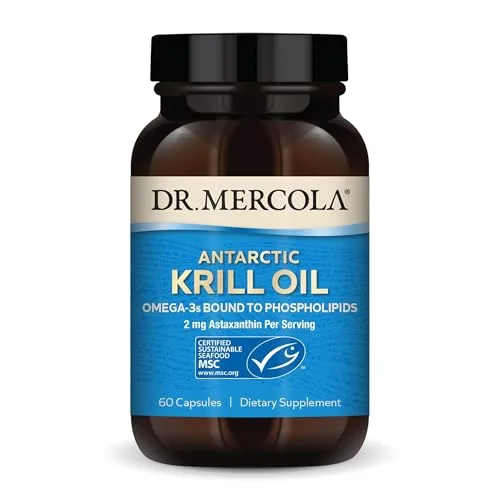
#4Dr. Mercola Antarctic Krill Oil 1000mg
8.4/10
Dr. Mercola
1,412 Amazon reviews
Best for: Sustainability-focused consumers and those wanting smaller capsule sizes
Antarctic Krill Oil (MSC Certified) · 1000mg krill oil per 2 capsules
Capsule · Third-Party Tested
$31.99
$0.53 / count
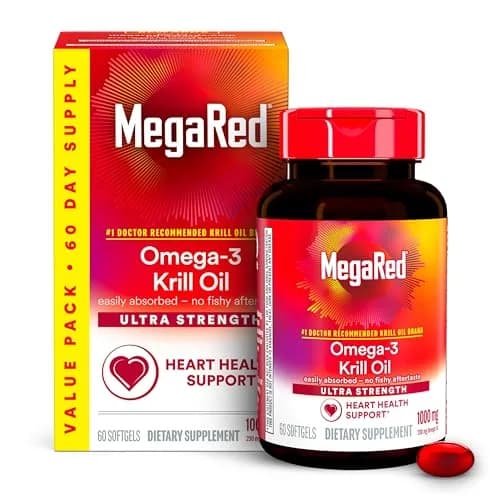
#5MegaRed Ultra Strength Krill Oil 1000mg
8.2/10
MegaRed
4,995 Amazon reviews
Best for: Those who want a widely recognized, doctor-recommended brand with easy-to-swallow softgels
Antarctic Krill Oil · 1000mg krill oil per softgel
Softgel · Third-Party Tested
$29.97
$0.50 / count
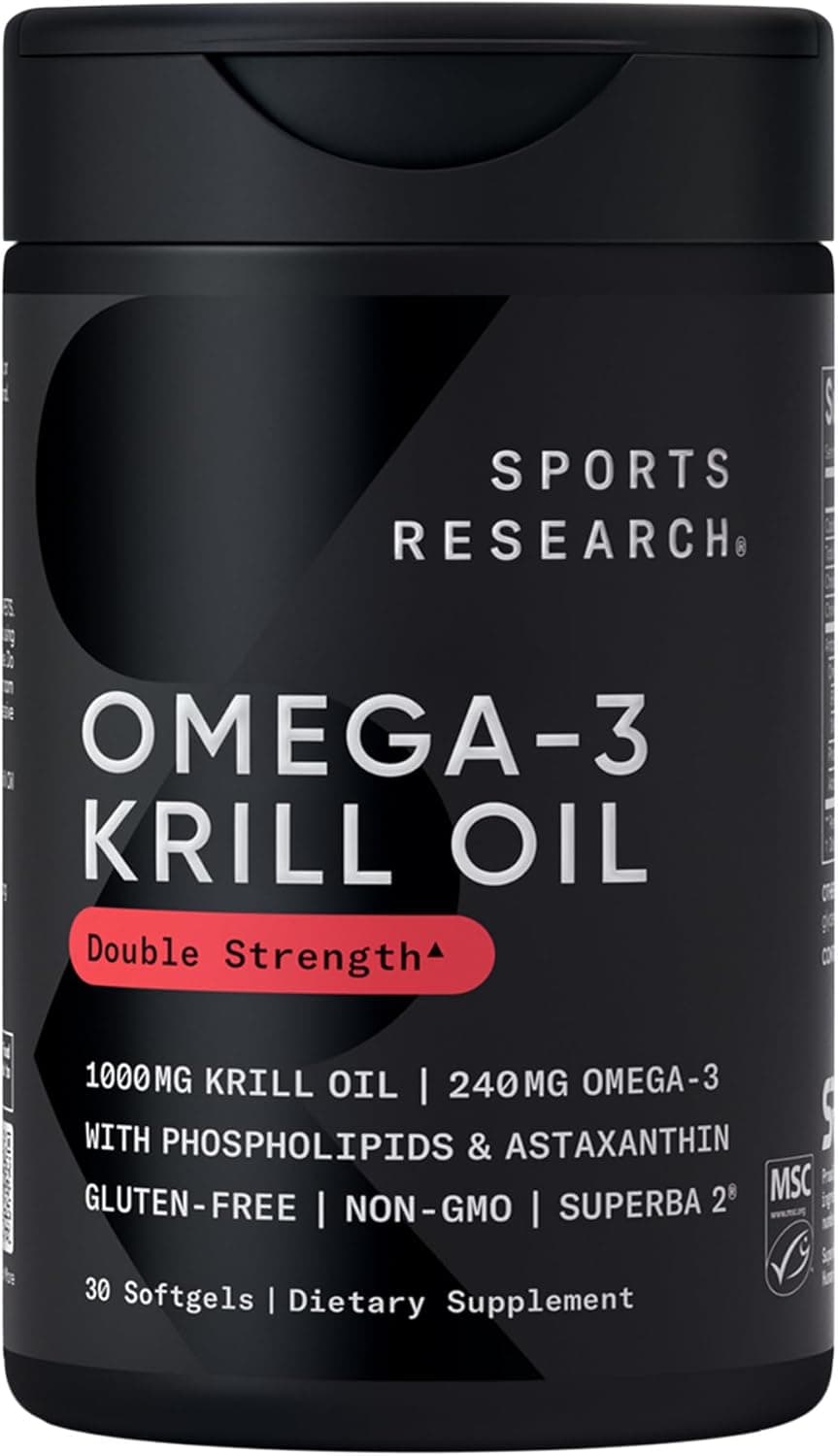
#6Sports Research Krill Oil 1000mg (Superba 2)
7.7/10
Sports Research
283 Amazon reviews
Best for: Those wanting the highest-bioavailability phospholipid-bound omega-3 with built-in astaxanthin and choline from krill
Antarctic Krill Oil (Superba 2) 1000mg — EPA+DHA (phospholipid-bound), Astaxanthin, Choline · 1000mg krill oil per softgel; EPA+DHA in phospholipid form
Softgel · Yes — Superba 2 krill oil is MSC-certified and undergoes independent quality testing
$21.95
$0.73 / count
| # | Product | Best For | Ingredient & Dose | Form & Testing | Price | Rating | |
|---|---|---|---|---|---|---|---|
| 1 | Sports Research Antarctic Krill Oil 1000mg #1 Top Pick 11,872 Amazon reviews | Overall best krill oil with top-tier purity and sustainability | Superba2 Antarctic Krill Oil 1000mg krill oil (EPA 136mg + DHA 60mg, astaxanthin ~500mcg) | Softgel 60 Softgel IFOS 5-Star | $30.95 $0.52 / count | 9.4/10 | |
| 2 | Viva Naturals Antarctic Krill Oil 1250mg 7,146 Amazon reviews | Highest astaxanthin content and strongest omega-3 dose per softgel | Antarctic Krill Oil 1250mg krill oil (EPA 165mg + DHA 90mg, astaxanthin 1600mcg) | Softgel Third-Party Tested | $29.93 | 8.8/10 | |
| 3 | NOW Supplements Neptune Krill Oil 500mg 1,248 Amazon reviews | value — 120 softgels with branded NKO krill at the lowest cost per serving | Neptune NKO Krill Oil 500mg NKO krill oil per softgel | Softgel 120 Softgels Third-Party Tested | $32.95 $0.27 / count | 8.6/10 | |
| 4 | Dr. Mercola Antarctic Krill Oil 1000mg 1,412 Amazon reviews | Sustainability-focused consumers and those wanting smaller capsule sizes | Antarctic Krill Oil (MSC Certified) 1000mg krill oil per 2 capsules | Capsule 60 Capsules Third-Party Tested | $31.99 $0.53 / count | 8.4/10 | |
| 5 | MegaRed Ultra Strength Krill Oil 1000mg 4,995 Amazon reviews | Those who want a widely recognized, doctor-recommended brand with easy-to-swallow softgels | Antarctic Krill Oil 1000mg krill oil per softgel | Softgel 60 Count Third-Party Tested | $29.97 $0.50 / count | 8.2/10 | |
| 6 | Sports Research Krill Oil 1000mg (Superba 2) 283 Amazon reviews | Those wanting the highest-bioavailability phospholipid-bound omega-3 with built-in astaxanthin and choline from krill | Antarctic Krill Oil (Superba 2) 1000mg — EPA+DHA (phospholipid-bound), Astaxanthin, Choline 1000mg krill oil per softgel; EPA+DHA in phospholipid form | Softgel 30.0 Count Yes — Superba 2 krill oil is MSC-certified and undergoes independent quality testing | $21.95 $0.73 / count | 7.7/10 |
Detailed Reviews
#1 Top Pick
Sports Research Krill Oil Supplement with EPA & DHA Omega 3, Phospholipids & Astaxanthin from Antarctic Krill - Highest Concentration of Krill Oil for Men & Women - 1000mg, 60 Softgel Capsules
#2 Best Sellerin Krill Oil NutritionalSports Research
11,872 Amazon reviews
9.4/10
(11,872)
Shellfish (krill)Non-GMOGluten-free
Uses Superba2 branded krill extract from Aker BioMarine with full MSC sustainability certification and IFOS 5-Star purity rating. The 1000mg dose delivers clinically meaningful phospholipid-bound EPA+DHA in a single softgel. Over 11,000 Amazon reviews confirm consistent quality.
IngredientSuperba2 Antarctic Krill Oil
Dose1000mg krill oil (EPA 136mg + DHA 60mg, astaxanthin ~500mcg)
FormSoftgel
TestingIFOS 5-Star
1000mg krill oil (EPA 136mg + DHA 60mg, astaxanthin ~500mcg)Clinical range: 1-3g daily (providing 250-500mg combined EPA+DHA)
Therapeutic dose
$0.52 / count$30.95 · 60 Softgel
Ideal for: Overall best krill oil with top-tier purity and sustainability
Not ideal for: Those wanting high astaxanthin or the lowest price per serving.
Pros
- Superba2 branded krill extract (gold standard)
- IFOS 5-Star certified purity
- MSC certified sustainable harvesting
- Non-GMO Project Verified
- 11,000+ positive reviews
Cons
- Lower astaxanthin than some competitors
- Mid-range price point
Viva Naturals Antarctic Krill Oil Omega 3 Supplements 1250 mg - DHA EPA Omega-3 & Astaxanthin Concentration for Joint Health, No Fish Burp - 60 Krill Oil Capsules
Viva Naturals
7,146 Amazon reviews
8.8/10
(7,146)
Shellfish (krill)Gluten-free
Delivers the highest dose per softgel (1250mg) with industry-leading 1600mcg astaxanthin — over 3x more than most competitors. The 255mg combined EPA+DHA per softgel is the strongest in this roundup. Third-party tested for purity and potency.
IngredientAntarctic Krill Oil
Dose1250mg krill oil (EPA 165mg + DHA 90mg, astaxanthin 1600mcg)
FormSoftgel
TestingThird-Party Tested
1250mg krill oil (EPA 165mg + DHA 90mg, astaxanthin 1600mcg)Clinical range: 1-3g daily (providing 250-500mg combined EPA+DHA)
Therapeutic dose
Ideal for: Highest astaxanthin content and strongest omega-3 dose per softgel
Not ideal for: Those who prefer branded extracts like Superba2 or NKO.
Pros
- Highest astaxanthin content (1600mcg)
- Strongest EPA+DHA per softgel (255mg combined)
- 1250mg krill oil per softgel
- Third-party tested for purity
Cons
- No branded extract certification
- No MSC sustainability certification
- Larger softgel may be harder to swallow
NOW Supplements, Krill Oil 500 mg, Phospholipid-Bound Omega-3, Cardiovascular Support*, 120 Softgels
NOW
1,248 Amazon reviews
8.6/10
(1,248)
Shellfish (krill)Soy-freeNon-GMO
Uses Neptune Technologies' NKO branded krill oil — one of the original clinically studied krill extracts. The 120-count bottle offers the best value per serving at just $0.25. NOW Foods' GMP certification and third-party testing ensure consistent quality. Flexible dosing: take 1-2 softgels daily.
IngredientNeptune NKO Krill Oil
Dose500mg NKO krill oil per softgel
FormSoftgel
TestingThird-Party Tested
500mg NKO krill oil per softgelClinical range: 1-3g daily (providing 250-500mg combined EPA+DHA)
Below clinical dose
$0.27 / count$32.95 · 120 Softgels
Ideal for: value — 120 softgels with branded NKO krill at the lowest cost per serving
Not ideal for: Those wanting a high-dose single softgel without doubling up.
Pros
- Neptune NKO branded krill extract
- Best value at $0.25/serving
- 120-count bottle (2-4 month supply)
- GMP certified facility
- Flexible 500mg dosing
Cons
- May need 2 softgels for full clinical dose
- Lower EPA+DHA per individual softgel
Dr. Mercola Antarctic Krill Oil - 1,000 mg - Omega-3 Supplement with EPA & DHA - Supports Brain, Heart, Joint & Immune Health - GMO-Free, Gluten-Free & Soy-Free - 60 Capsules (30 Servings)
Dr. Mercola
1,412 Amazon reviews
8.4/10
(1,412)
Shellfish (krill)Soy-free
MSC certified sustainable krill from Antarctic waters. Dr. Mercola is a pioneer in krill oil supplementation and uses stringent quality controls. The 2-capsule serving size means smaller, easier-to-swallow capsules compared to single large softgels.
IngredientAntarctic Krill Oil (MSC Certified)
Dose1000mg krill oil per 2 capsules
FormCapsule
TestingThird-Party Tested
1000mg krill oil per 2 capsulesClinical range: 1-3g daily (providing 250-500mg combined EPA+DHA)
Therapeutic dose
$0.53 / count$31.99 · 60 Capsules
Ideal for: Sustainability-focused consumers and those wanting smaller capsule sizes
Not ideal for: Budget-conscious buyers or those who dislike multi-capsule servings.
Pros
- MSC certified sustainable harvesting
- Smaller capsule size (2-cap serving)
- Established brand in krill supplementation
- Stringent quality testing
Cons
- Requires 2 capsules per serving
- Highest price per serving in roundup
- Less specific omega-3 breakdown on label
MegaRed Ultra Strength 1000mg Omega-3 Krill Oil Supplement with EPA/DHA, Astaxanthin & Phospholipids, No Fish Oil Aftertaste Supports Heart, Brain, Joint and Eye Health, 60 Count Softgels.
#1 Best Sellerin Krill Oil NutritionalMegaRed
4,995 Amazon reviews
8.2/10
(4,995)
Shellfish (krill)Soy-free
MegaRed is the #1 doctor-recommended krill oil brand in the US. Their Ultra Strength softgels are notably smaller than competitors despite the 1000mg dose, making them easy to swallow. Widely available in retail pharmacies for convenient repurchasing.
IngredientAntarctic Krill Oil
Dose1000mg krill oil per softgel
FormSoftgel
TestingThird-Party Tested
1000mg krill oil per softgelClinical range: 1-3g daily (providing 250-500mg combined EPA+DHA)
Therapeutic dose
$0.50 / count$29.97 · 60 Count
Ideal for: Those who want a widely recognized, doctor-recommended brand with easy-to-swallow softgels
Not ideal for: Value-seekers or those who prefer branded krill extracts with published certifications.
Pros
- #1 doctor-recommended krill oil brand
- Small softgel size despite 1000mg dose
- Widely available in retail pharmacies
- Third-party tested for purity
Cons
- Premium price for brand recognition
- No IFOS or MSC certification
- Less specific ingredient transparency
Sports Research Krill Oil Supplement with EPA & DHA Omega 3, Phospholipids & Astaxanthin from Antarctic Krill - Highest Concentration of Krill Oil for Men & Women - 1000mg, 30 Softgel Capsules
#2 Best Sellerin Krill Oil NutritionalSports Research
283 Amazon reviews
7.7/10
(283)
Contains shellfish (Antarctic Krill)Free from fish, gluten, soy
Superba 2 is the gold standard in krill oil and the brand used in the majority of published krill oil clinical research. The phospholipid-bound omega-3 delivery system offers genuine bioavailability advantages over standard fish oil triglycerides — particularly for brain health applications where DHA incorporation into neural membranes is the goal. The built-in astaxanthin and choline make this a more complete omega-3 product than simple fish oil.
IngredientAntarctic Krill Oil (Superba 2) 1000mg — EPA+DHA (phospholipid-bound), Astaxanthin, Choline
Dose1000mg krill oil per softgel; EPA+DHA in phospholipid form
FormSoftgel
TestingYes — Superba 2 krill oil is MSC-certified and undergoes independent quality testing
1000mg krill oil per softgel; EPA+DHA in phospholipid formClinical range: 1-3g daily (providing 250-500mg combined EPA+DHA)
Therapeutic dose
$0.73 / count$21.95 · 30.0 Count
Ideal for: Those wanting the highest-bioavailability phospholipid-bound omega-3 with built-in astaxanthin and choline from krill
Not ideal for: Those allergic to shellfish or seeking the most economical per-mg omega-3 supplementation
Pros
- Superba 2 krill oil — the most clinically validated krill brand from Aker BioMarine with MSC sustainability certification
- Phospholipid-bound omega-3s are more bioavailable than fish oil triglycerides and absorb without dietary fat
- Natural astaxanthin provides antioxidant protection of the omega-3s in the body
- Choline provides additional benefit for muscle function and liver health
Cons
- Contains shellfish (krill) — a major allergen that excludes shellfish-allergic individuals
- 283 reviews is a small validation base compared to SR's flagship omega-3 products
- 30-count bottle requires monthly reorder at the 1 softgel daily dose
Pairs Well With
Frequently taken together based on complementary benefits
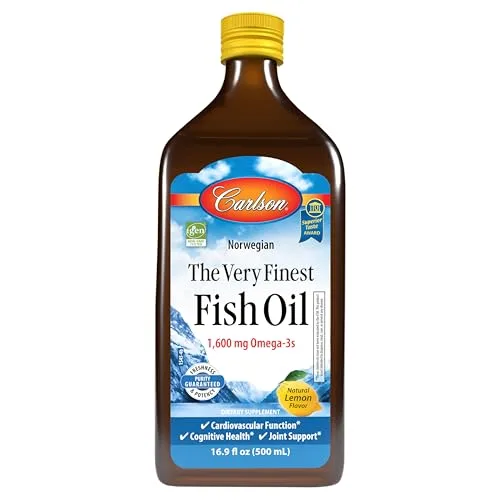
Fish Oil
Carlson The Very Finest Fish Oil Liquid
Staff Pick
1,600mg omega-3s per tsp (EPA 800mg + DHA 600mg + DPA 70mg)
How to Choose
Krill Oil vs Fish Oil: The Phospholipid Advantage
The key difference is bioavailability. Krill oil omega-3s are bound to phospholipids, which are the same molecules that make up your cell membranes. This means your body absorbs and incorporates them more efficiently than the triglyceride-bound omega-3s in fish oil. A 2011 study by Ulven et al. found that krill oil achieved comparable omega-3 blood levels to fish oil at a lower dose. You also avoid the fishy burps common with fish oil because phospholipids are water-soluble and mix with stomach contents rather than floating on top.
Why Astaxanthin Matters
Astaxanthin is a carotenoid pigment that gives krill their red color. It serves a dual purpose in krill oil: it prevents the omega-3 fatty acids from oxidizing (rancidity), and it provides independent antioxidant and anti-inflammatory benefits. Products with higher astaxanthin content (1000mcg+) offer better oxidative stability and additional health value. Viva Naturals leads this roundup with 1600mcg per softgel.
Branded Extracts: Superba2 vs Neptune NKO
Superba2 (Aker BioMarine) and Neptune NKO are the two most established branded krill oil extracts. Superba2 holds MSC certification for sustainable harvesting and uses a patented Eco-Harvesting technology that reduces bycatch. Neptune NKO was the original commercially available krill oil and has been used in several clinical trials. Both guarantee standardized phospholipid and astaxanthin content — a significant advantage over generic krill oil.
Sustainability: Why MSC Certification Matters
Antarctic krill (Euphausia superba) is a keystone species in the Southern Ocean ecosystem — whales, penguins, and seals depend on it. MSC (Marine Stewardship Council) certification ensures that krill harvesting is managed sustainably with strict catch limits. Only about 1% of the estimated krill biomass is harvested annually, but MSC-certified products provide the strongest assurance of responsible sourcing. Look for the blue MSC label.
Ready to Buy?
Sports Research Antarctic Krill Oil 1000mg
9.4/10$0.52 / countBest for: Overall best krill oil with top-tier purity and sustainability
Sports Research Antarctic Krill Oil 1000mg is our top pick for its Superba2 extract, MSC certification, IFOS 5-Star purity rating, and strong omega-3 profile.
Evidence:RCT (2004) · n=120 · moderate confidence[#2]. See full reference list below.Read Our Full Krill Oil Research Guide
Evidence level, dosage, side effects, and more →
Already taking supplements?
Check how Krill Oil fits with your current stack — interactions, timing, and optimization →
Related Supplements
Fish OilStrong
Bottom line: Fish oil is the omega-3 gold standard — proven to cut triglycerides, reduce inflammation, support brain health, and lower cardiovascular risk.
Top picks →Omega-3Strong
Bottom line: Omega-3s have strong evidence for heart, brain, and joint health. Take 1,000-2,000mg EPA+DHA daily — choose triglyceride form fish oil or algal oil for vegans.
Top picks →AstaxanthinModerate
Bottom line: Astaxanthin is nature's most potent antioxidant — protecting cells from oxidative damage without pro-oxidant risk. Take 4-12mg daily for skin, exercise, and longevity.
Top picks →Related Conditions
Frequently Asked Questions
Is krill oil better than fish oil?
Is krill oil better than fish oil?
Krill oil omega-3s are bound to phospholipids, which are absorbed more efficiently than the triglycerides in fish oil. A 2011 study by Ulven et al. found comparable blood omega-3 levels from krill oil at lower doses. Krill oil also contains natural astaxanthin and causes fewer fishy burps. However, fish oil delivers more total EPA+DHA per capsule and costs less. Krill oil is better for absorption; fish oil is better for high-dose protocols.
How much krill oil should I take daily?
How much krill oil should I take daily?
Most clinical studies use 1-3 grams of krill oil daily, providing approximately 250-500mg combined EPA+DHA. For general cardiovascular support, 1000mg daily is a common effective dose. The American Heart Association recommends 250-500mg combined EPA+DHA daily for heart health, which 1-2 krill oil softgels can provide depending on the product.
Can I take krill oil if I have a shellfish allergy?
Can I take krill oil if I have a shellfish allergy?
Krill is a crustacean, so krill oil contains shellfish proteins. If you have a confirmed shellfish allergy, avoid krill oil and choose a high-quality fish oil or algal omega-3 supplement instead. Some people with mild shellfish sensitivities tolerate krill oil, but this should only be tested under medical supervision.
Does krill oil help with joint pain?
Does krill oil help with joint pain?
Yes. A 2007 study by Deutsch found that 300mg krill oil daily reduced CRP (an inflammatory marker) by 30% and significantly improved joint pain, stiffness, and functional impairment in arthritis patients after just 7-14 days. The combination of phospholipid-bound omega-3s and natural astaxanthin provides anti-inflammatory effects from two different mechanisms.
Does krill oil lower cholesterol?
Does krill oil lower cholesterol?
A 2004 RCT by Bunea et al. (n=120) found that 1–3g krill oil daily significantly reduced LDL cholesterol (by 32–39%), triglycerides (by 11–27%), and increased HDL cholesterol (by 43–60%) compared to placebo [2]. These effects were dose-dependent and exceeded results seen with fish oil in the same study. A 2017 meta-analysis of 7 RCTs (n=662) confirmed significant LDL and triglyceride reductions, though the magnitude was more modest than the 2004 trial [8].
Evidence:RCT (2004) · n=120 · moderate confidence[#2]. See full reference list below.Can krill oil help with PMS symptoms?
Can krill oil help with PMS symptoms?
A 2003 randomized controlled trial by Sampalis et al. found that krill oil (2g daily) significantly reduced PMS symptoms including emotional, physical, and behavioral symptoms compared to fish oil. Participants reported reduced bloating, breast tenderness, joint pain, and mood changes. The phospholipid-bound omega-3s may be particularly effective because they cross cell membranes more easily.
What is the difference between Superba2 and generic krill oil?
What is the difference between Superba2 and generic krill oil?
Superba2 is a branded krill oil extract from Aker BioMarine that guarantees standardized phospholipid content, uses patented Eco-Harvesting technology to reduce bycatch, and holds MSC sustainability certification. Generic krill oil may vary in phospholipid and astaxanthin content between batches. Superba2 costs more but offers verified consistency and sustainability.
Does krill oil go rancid like fish oil?
Does krill oil go rancid like fish oil?
Krill oil is significantly more resistant to oxidation than fish oil due to its natural astaxanthin content, which acts as a built-in antioxidant. Studies show krill oil maintains stability far longer than fish oil under the same storage conditions. However, you should still store krill oil in a cool, dark place and check for off smells. Products with higher astaxanthin (like Viva Naturals at 1600mcg) have the best oxidative stability.
Continue Reading
References
- RCTBunea R, El Farrah K, Deutsch L (2004). Evaluation of the effects of Neptune Krill Oil on the clinical course of hyperlipidemia. Alternative Medicine Review. PubMed
- RCTSampalis F, Bunea R, Pelland MF, Kowalski O, Duguet N, Dupuis S (2003). Evaluation of the effects of Neptune Krill Oil on the management of premenstrual syndrome and dysmenorrhea. Alternative Medicine Review. PubMed
- RCTDeutsch L (2007). Evaluation of the effect of Neptune Krill Oil on chronic inflammation and arthritic symptoms. Journal of the American College of Nutrition. DOI PubMed
- RCTRamprasath VR, Eyal I, Zchut S, Jones PJ (2013). Enhanced increase of omega-3 index in healthy individuals with response to 4-week n-3 fatty acid supplementation from krill oil versus fish oil. Lipids in Health and Disease. DOI PubMed
- Meta-analysisUrsoniu S, Sahebkar A, Serban MC, Antal D, Mikhailidis DP, Cicero A, Athyros V, Rizzo M, Rysz J, Banach M (2017). Lipid-modifying effects of krill oil in humans: systematic review and meta-analysis of randomized controlled trials. Nutrition Reviews. DOI PubMed