Supplement ScienceSupplementScience
Premenstrual Syndrome (PMS)

Best Supplements for Premenstrual Syndrome (PMS)

Prevalence: Up to 75% of menstruating women experience PMS symptoms; 20-40% have moderate-to-severe symptoms

·

This content is for informational purposes only and does not constitute medical advice. Statements about dietary supplements have not been evaluated by the FDA and are not intended to diagnose, treat, cure, or prevent any disease. Individual results may vary — consult your healthcare provider before starting any supplement. Full disclaimer

Vitex agnus-castus (20-40mg daily) is the most evidence-backed supplement for PMS, with multiple RCTs showing 50-60%...

Vitex agnus-castus (20-40mg daily) is the most evidence-backed supplement for PMS, with multiple RCTs showing 50-60% symptom improvement. Calcium (1,000-1,200mg/day) and magnesium (200-400mg/day) also have strong supporting evidence.

Get the free evidence-based Premenstrual Syndrome (PMS) guide — delivered in 60 seconds.

No spam. Unsubscribe anytime.

Overview

PMS affects up to 75% of menstruating women, with 20-40% experiencing moderate-to-severe symptoms including mood changes, bloating, breast tenderness, and cramping. Several supplements have demonstrated clinically meaningful reductions in PMS symptoms in randomized controlled trials.
Understanding Premenstrual Syndrome (PMS)

Premenstrual syndrome (PMS) affects 75–85% of menstruating women, with 3–8% experiencing severe symptoms classified as premenstrual dysphoric disorder (PMDD). PMS is driven by the cyclical fluctuation of estrogen and progesterone during the luteal phase (days 14–28), which modulates serotonergic neurotransmission, GABA activity, and inflammatory mediator production. The precipitous drop in progesterone (and its neurosteroid metabolite allopregnanolone, a potent GABA-A receptor modulator) before menstruation triggers mood disturbances, irritability, and anxiety. Simultaneously, prostaglandin overproduction causes cramping, breast tenderness, bloating, and headaches. Aldosterone-mediated fluid retention causes the characteristic bloating and weight gain. The condition is not purely hormonal — women with PMS have normal hormone levels but appear to have abnormal central nervous system sensitivity to these normal fluctuations. Supplement strategies target serotonin precursors, calcium and magnesium repletion (both deplete premenstrually), anti-inflammatory pathways, and hormonal modulation.

What the Research Shows

Calcium supplementation has the strongest and most surprising evidence for PMS. Thys-Jacobs et al. (1998) conducted a landmark multicenter RCT with 497 women and found that calcium carbonate (1,200 mg daily) reduced overall PMS symptom scores by 48% compared to placebo over 3 menstrual cycles — with improvements in mood swings, food cravings, water retention, and pain. A meta-analysis by Shobeiri et al. (2017) confirmed that calcium supplementation significantly reduces PMS severity. The mechanism likely involves calcium's role in regulating neurotransmitter release and its relationship with parathyroid hormone fluctuations during the menstrual cycle. Vitex agnus-castus (chasteberry) modulates prolactin levels and may improve the estrogen-progesterone ratio. Schellenberg (2001) randomized 170 women to vitex extract (Ze 440, 20 mg daily) or placebo and found a 52% reduction in PMS symptoms versus 24% for placebo. A systematic review by Cerqueira et al. (2022) analyzed 14 RCTs and concluded vitex significantly reduces total PMS symptoms, particularly breast pain, irritability, and mood changes. Magnesium addresses the depletion that occurs premenstrually. Facchinetti et al. (1991) demonstrated that magnesium (360 mg daily during the luteal phase) significantly reduced PMS mood symptoms compared to placebo. Walker et al. (1998) found that 200 mg magnesium daily reduced PMS-related fluid retention. Magnesium combined with vitamin B6 may be more effective than either alone — De Souza et al. (2000) found that the combination (200 mg magnesium + 50 mg B6) reduced PMS anxiety symptoms more than magnesium alone. Vitamin B6 supports serotonin synthesis as a cofactor for aromatic amino acid decarboxylase. A systematic review by Wyatt et al. (1999) of 9 RCTs found that vitamin B6 at 50–100 mg daily significantly improved PMS symptoms, with the strongest effects on mood. Evening primrose oil (providing GLA) addresses prostaglandin imbalance — Khoo et al. (1990) found that 3 g EPO daily improved cyclical breast pain, though its effects on other PMS symptoms are less consistent.

What to Look For in Supplements

For calcium, standard calcium carbonate or calcium citrate at 1,200 mg daily (split into 600 mg twice daily for better absorption) is the studied formulation. Take with food for carbonate, with or without food for citrate. For vitex, choose standardized extracts providing 20–40 mg daily of fruit extract standardized to 0.5% agnuside content — this matches the clinical trial preparations. Take in the morning as vitex acts on the pituitary gland, which has peak activity in the early morning. For magnesium, glycinate form at 200–360 mg daily, which also provides the calming amino acid glycine. For B6, do not exceed 100 mg daily to avoid the risk of peripheral neuropathy — 50 mg daily is the optimal risk-benefit dose. For evening primrose oil, 2–3 g daily providing 200–300 mg GLA is the studied range. These supplements can generally be taken throughout the cycle, though some practitioners recommend luteal-phase-only supplementation (days 14–28).

What Doesn't Work (And Why)

Wild yam cream, marketed as a "natural progesterone," cannot convert diosgenin to progesterone in the human body — this conversion requires laboratory synthesis. Komesaroff et al. (2001) confirmed no hormonal or symptomatic effects. Dong quai, a traditional Chinese remedy for menstrual issues, showed no benefit over placebo in a well-designed trial by Hirata et al. (1997). Saffron has been promoted for PMS mood symptoms, but the few positive trials are small, short-term, and predominantly from a single Iranian research group — independent replication is needed. Black cohosh, while useful for menopausal vasomotor symptoms, has not demonstrated significant PMS-specific benefits. "Hormone-balancing" supplement blends containing sub-therapeutic doses of multiple ingredients are unlikely to provide the effects seen with adequately dosed individual compounds. Diuretic herbs (dandelion, parsley) are sometimes used for PMS bloating but have no controlled evidence for this indication and can cause electrolyte imbalances.

Combination Protocol

For PMS management: calcium (600 mg twice daily with meals), magnesium glycinate (200 mg with dinner and 200 mg before bed), vitamin B6 (50 mg daily with breakfast), and vitex agnus-castus (20 mg standardized extract each morning on an empty stomach). This combination targets calcium-dependent neurotransmitter regulation, magnesium repletion, serotonin synthesis support, and prolactin/hormonal modulation. Add evening primrose oil (2 g daily) if cyclical breast pain is a primary complaint. Begin all supplements consistently throughout the cycle and assess response over 3 full menstrual cycles — symptom improvements are gradual. For severe PMS/PMDD that does not respond to supplements, SSRIs (particularly luteal-phase dosing) are the most effective pharmacological intervention. See /stacks/sleep-optimization if PMS disrupts sleep patterns.

Top Evidence-Based Supplements for Premenstrual Syndrome (PMS)

#SupplementTypical DoseEvidence
1Vitex Agnus-Castus (Chasteberry)20-40mg daily (standardized extract)Strong
See vitex agnus-castus (chasteberry) research →
2Magnesium200-400mg daily (glycinate or citrate)Moderate
See top magnesium picks →
3Calcium1,000-1,200mg dailyStrong
See top calcium picks →
4Vitamin B6 (Pyridoxine)50-100mg dailyModerate
Top picks for Nausea →
5Evening Primrose Oil1-3g dailyPreliminary
See top evening primrose oil picks →

Top Product Picks

As an Amazon Associate, we earn from qualifying purchases. Some links below are affiliate links — this doesn't affect our editorial independence or product ratings. How we evaluate products

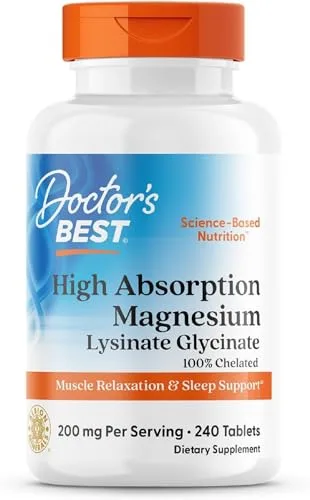
Doctor's Best High Absorption Magnesium Glycinate

Doctor's Best High Absorption Magnesium Glycinate

Doctor's BEST

9.2/10
Overall / Sleep support$0.17/serving
Garden of Life Raw Calcium

Garden of Life Raw Calcium

Garden of Life

9.1/10
Best overall plant-based calcium with full cofactors$1.24/serving
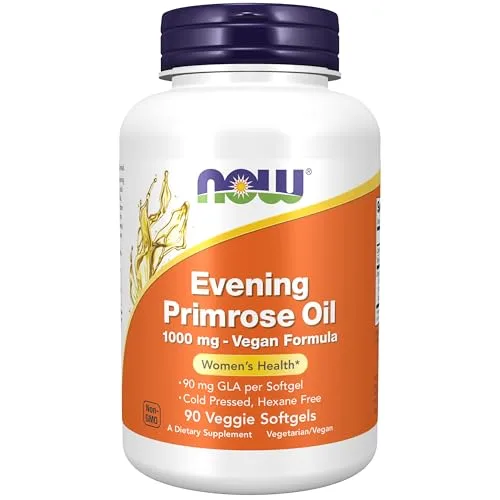
NOW Foods Evening Primrose Oil 1000mg

NOW Foods Evening Primrose Oil 1000mg

NOW Foods

9/10
Best overall value and quality EPO$0.19/serving

Detailed Ingredient Guides

Vitex (Chasteberry)
Herbal Extract
Vitex (chasteberry) is a well-studied herbal remedy for PMS and menstrual irregularities. It works by lowering prolactin levels, which helps normalize progesterone and the luteal phase. Clinical trials show significant improvement in PMS symptoms at 20-40mg daily of standardized extract. Benefits typically take 2-3 menstrual cycles to manifest.
Magnesium
Mineral Supplement
Magnesium is an essential mineral that supports muscle function, sleep quality, and stress management. Most adults benefit from 200-400mg daily, with magnesium glycinate being the best-absorbed form for general use.
Calcium
Essential Macromineral
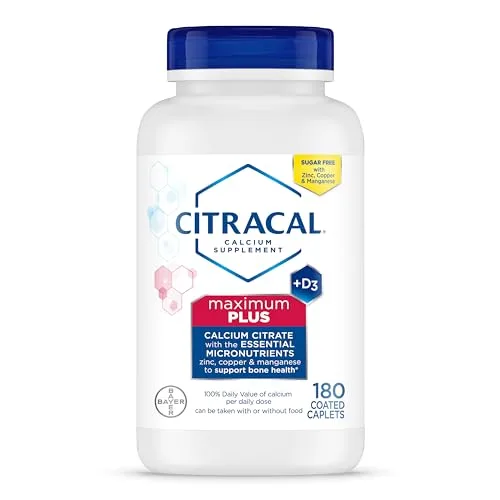
Calcium is essential for bone strength and muscle function. Adults need 1,000-1,200mg daily from food and supplements combined. Calcium citrate is better absorbed than carbonate, especially on an empty stomach. Always pair with vitamin D and K2 for optimal bone benefit.
Vitamin B6 (Pyridoxine)
Water-Soluble Vitamin
Vitamin B6 is involved in 150+ enzyme reactions including neurotransmitter and amino acid metabolism. P-5-P is the active form. It helps with morning sickness (evidence level: Strong), PMS symptoms, and homocysteine reduction. Most adults need 1.3-2.0 mg daily.
Evening Primrose Oil
Essential Fatty Acid
Evening primrose oil provides gamma-linolenic acid (GLA), an anti-inflammatory omega-6 fatty acid that supports skin barrier function. Research shows mixed but promising results for eczema and dry skin at doses of 2-6 g daily (providing 160-480 mg GLA). Benefits are most notable in individuals with confirmed GLA deficiency or atopic skin conditions.
Krill Oil
Omega-3 Supplement
Krill oil provides phospholipid-bound omega-3s (EPA and DHA) with up to 68% better cell membrane incorporation than fish oil triglycerides. At 1-3g daily, it supports heart health, reduces inflammation, lowers triglycerides, and relieves PMS symptoms. Natural astaxanthin prevents rancidity.
Dong Quai
Traditional Herbal Medicine
Dong quai is a foundational herb in Traditional Chinese Medicine for menstrual health and blood circulation. As a standalone supplement, Western clinical evidence is limited — the one rigorous RCT (Hirata et al., 1997) found no benefit for menopausal symptoms when used alone. It is traditionally combined with other herbs in TCM formulas.

Related Conditions

Related Research

Learn More

Frequently Asked Questions

What is the best supplement for PMS?

Vitex agnus-castus (chasteberry) at 20-40mg daily has the strongest evidence, with a meta-analysis of 8 RCTs showing 50-60% PMS symptom improvement. Calcium (1,200mg/day) is a close second, supported by a large RCT showing 48% symptom reduction. Both work through different mechanisms and can be safely combined for comprehensive PMS relief.

Evidence:Meta-analysis (2017) · 8 RCTs · high confidence[#1]. See full reference list below.

Does magnesium help with PMS cramps?

Yes. Multiple RCTs show magnesium (200-400mg as glycinate or citrate) significantly reduces menstrual cramps, bloating, and mood symptoms associated with PMS. Magnesium helps by relaxing uterine smooth muscle, reducing prostaglandin production, and supporting serotonin synthesis. Starting supplementation on day 15 of the cycle and continuing through menstruation is a common protocol.

How long does vitex take to work for PMS?

Vitex agnus-castus typically requires 2-3 menstrual cycles (2-3 months) of daily use before full benefits are apparent. Some women notice improvements in the first cycle. Vitex works by modulating dopamine receptors in the pituitary gland, which helps regulate prolactin and progesterone levels. Consistency is important for best results.

Can calcium reduce PMS symptoms?

Strong evidence supports calcium for PMS. A landmark double-blind RCT with 466 women found that 1,200mg of calcium daily reduced overall PMS symptoms by 48% after three cycles. Calcium appears to help because PMS symptoms overlap with hypocalcemia symptoms, and women with PMS often have lower calcium levels during the luteal phase.

Continue Reading

References

  1. Meta-analysisVerkaik S, Moll AC, Worber GS, et al. (2017). The treatment of premenstrual syndrome with preparations of Vitex agnus castus: a systematic review and meta-analysis. American Journal of Obstetrics and Gynecology. DOI PubMed
  2. RCTThys-Jacobs S, Starkey P, Bernstein D, Tian J (1998). Calcium carbonate and the premenstrual syndrome: effects on premenstrual and menstrual symptoms. American Journal of Obstetrics and Gynecology. DOI PubMed
  3. RCTFathizadeh N, Ebrahimi E, Valiani M, et al. (2010). Evaluating the effect of magnesium and magnesium plus vitamin B6 supplement on the severity of premenstrual syndrome. Iranian Journal of Nursing and Midwifery Research. PubMed
  4. ReviewWyatt KM, Dimmock PW, Jones PW, Shaughn O'Brien PM (1999). Efficacy of vitamin B6 in the treatment of premenstrual syndrome: systematic review. BMJ. DOI PubMed