SupplementScience

Best Supplements for Dehydration

Prevalence: Up to 75% of Americans may be chronically mildly dehydrated — surveys estimate 43% drink fewer than 4 cups of water daily

This content is for informational purposes only and does not constitute medical advice. Consult your healthcare provider before starting any supplement. Full disclaimer

TL;DR — Quick Answer

The most important supplements for dehydration are electrolyte formulas (containing sodium, potassium, and magnesium in balanced ratios), magnesium (200-400mg daily, as it is the most commonly depleted intracellular electrolyte), and potassium (200-400mg supplemental, alongside dietary sources).

Overview

Dehydration occurs when fluid and electrolyte losses exceed intake, impairing cellular function, cardiovascular performance, and cognitive ability. It affects up to 75% of Americans chronically at subclinical levels, with athletes, elderly adults, and those in hot climates at highest risk. Electrolyte supplementation plays a key role in both prevention and recovery.

Top Evidence-Based Supplements for Dehydration

#SupplementTypical DoseEvidence
1Electrolyte FormulasBalanced formula with sodium (500-1000mg), potassium (200-400mg), magnesium (50-100mg) per servingStrong
2Magnesium200-400mg daily (glycinate or citrate)Moderate
3Potassium200-400mg supplemental daily (alongside dietary intake)Moderate

Top Product Picks

Our recommendations are based on published research, not commission rates. Some links below are affiliate links — we may earn a commission at no extra cost to you. How we evaluate products

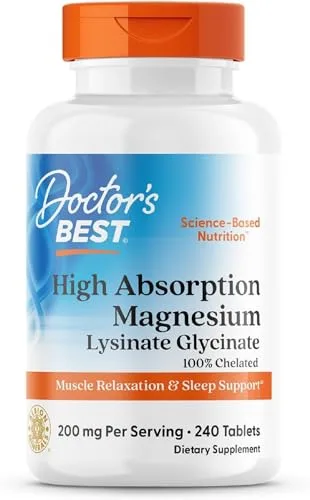
Doctor's Best High Absorption Magnesium Glycinate

Doctor's Best High Absorption Magnesium Glycinate

Doctor's Best

9.2/10
Overall / Sleep support$0.14/serving

Frequently Asked Questions

What electrolytes do you lose when dehydrated?

The primary electrolytes lost through sweat, urine, and gastrointestinal losses are sodium, potassium, chloride, and magnesium. Sodium is lost in the highest concentration in sweat (typically 500-1500mg per liter), followed by potassium and magnesium. Effective rehydration requires replacing both water and these lost electrolytes in balanced proportions, which is why plain water alone is insufficient for significant dehydration.

Are electrolyte supplements better than sports drinks?

Dedicated electrolyte supplements (powders or tablets) typically provide more electrolytes with less sugar than traditional sports drinks. The WHO oral rehydration solution formula uses a precise ratio of sodium, potassium, and glucose to maximize intestinal water absorption. Many commercial sports drinks contain excess sugar and insufficient sodium for true rehydration. Look for formulas with 500-1000mg sodium, 200-400mg potassium, and minimal added sugar.

How does magnesium relate to hydration?

Magnesium is the second most abundant intracellular cation and is critical for maintaining cellular hydration through its role in sodium-potassium ATPase pump function. It is lost through sweat and is further depleted by caffeine, alcohol, and stress. Deficiency impairs fluid balance, causes muscle cramping, and reduces exercise performance. Supplementing 200-400mg of magnesium glycinate or citrate daily supports optimal hydration status.

When should I use electrolyte supplements?

Electrolyte supplementation is most beneficial during and after intense exercise (especially in heat), during illness with vomiting or diarrhea, in high-altitude environments, and for those on low-carbohydrate or ketogenic diets (which increase sodium and potassium excretion). Elderly adults and those taking diuretics should also consider daily electrolyte support, as they are at higher risk of chronic mild dehydration.

References

  1. (). Fluid and electrolyte needs for training, competition, and recovery. Journal of Sports Sciences. DOI
  2. (). American College of Sports Medicine position stand: exercise and fluid replacement. Medicine and Science in Sports and Exercise. DOI
  3. (). Associations of urinary sodium excretion with cardiovascular events in individuals with and without hypertension. The Lancet. DOI
  4. (). Update on the relationship between magnesium and exercise. Magnesium Research. DOI