SupplementScience
Electrolytes supplement
Mineral / Hydration

Electrolytes: Benefits, Dosage, Forms & Research

Mineral / Hydration

This content is for informational purposes only and does not constitute medical advice. Consult your healthcare provider before starting any supplement. Full disclaimer

TL;DR — Quick Answer

Electrolyte replacement during exercise lasting >60 minutes significantly improves performance and prevents hyponatremia. Sodium is the primary electrolyte lost in sweat (0.5-2 g/L). ACSM recommends 300-600 mg sodium per hour during prolonged exercise. Modern electrolyte formulas typically combine sodium, potassium, magnesium, and calcium.

Key Facts

What it is
Essential charged minerals (Na, K, Mg, Ca) that regulate fluid balance, nerve function, and muscle contraction
Primary benefits
  • Maintains fluid balance and hydration status
  • Prevents exercise-associated muscle cramps
  • Sustains endurance performance in heat and prolonged exercise
  • Prevents exercise-associated hyponatremia
Typical dosage
300-600 mg sodium per hour during prolonged exercise
Evidence level
Strong
Safety profile
Generally Safe

What the Research Says

Electrolyte replacement during prolonged exercise is one of the most well-established practices in sports science. The American College of Sports Medicine (ACSM), International Olympic Committee (IOC), and National Athletic Trainers Association (NATA) all recommend sodium-containing beverages for exercise >60 minutes. Evidence clearly shows that electrolyte beverages outperform plain water for hydration maintenance, endurance performance, and safety (hyponatremia prevention). Individual sweat rates and sodium concentrations vary widely (0.5-2 g/L), making personalized strategies optimal for serious athletes.

Benefits of Electrolytes

  • Hydration maintenance — sodium-containing beverages maintain plasma volume and promote fluid retention better than water alone during prolonged exercise (Shirreffs & Sawka, 2011)
  • Endurance performance — a meta-analysis (Holland et al., 2017) confirmed that electrolyte beverages improve endurance performance compared to water in events >60 minutes
  • Cramp prevention — while the mechanism is debated (dehydration vs neuromuscular), sodium replacement reduces the incidence of exercise-associated muscle cramps (Bergeron, 2008)
  • Hyponatremia prevention — inadequate sodium with excessive water intake causes exercise-associated hyponatremia (EAH), a potentially fatal condition; electrolyte supplementation is the primary prevention strategy
Did you know?

Electrolyte replacement during prolonged exercise is one of the most well-established practices in sports science.

Forms of Electrolytes

FormBioavailabilityBest For
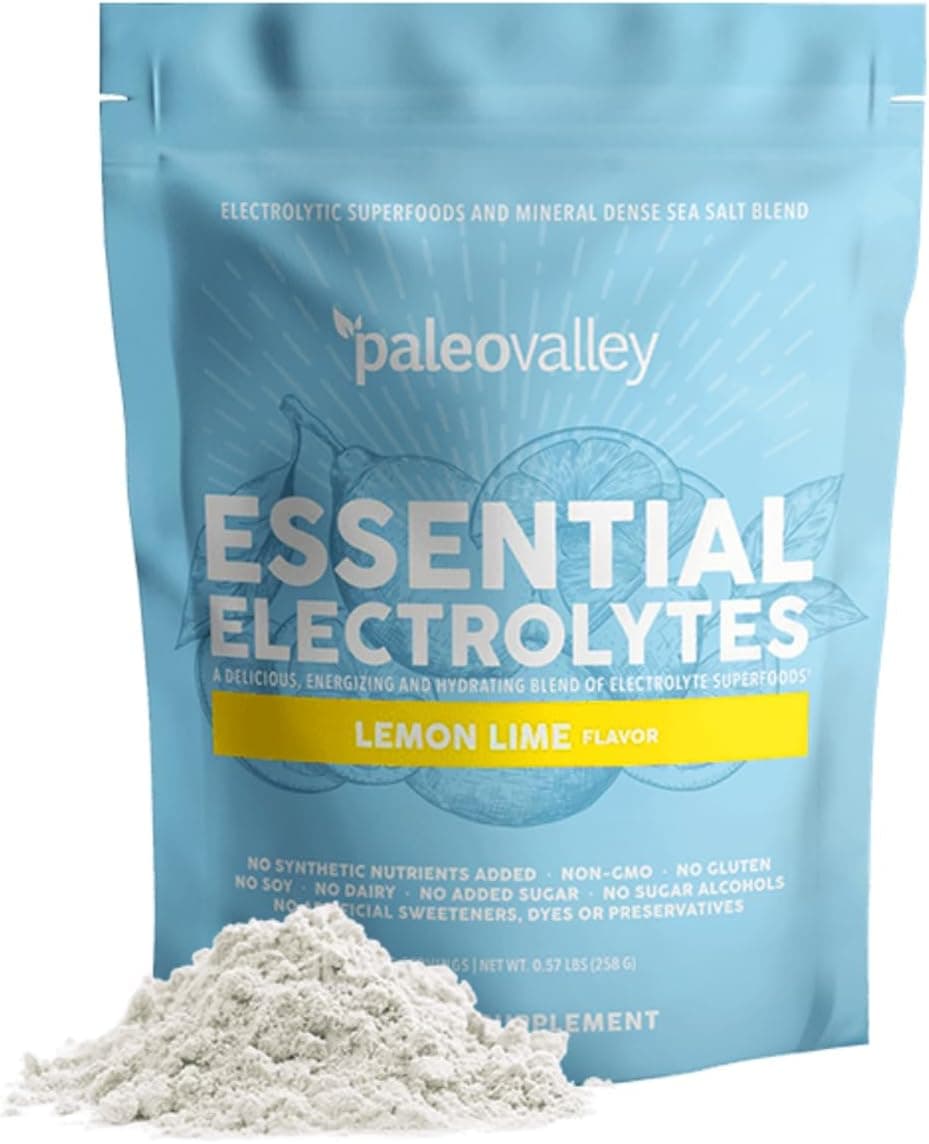
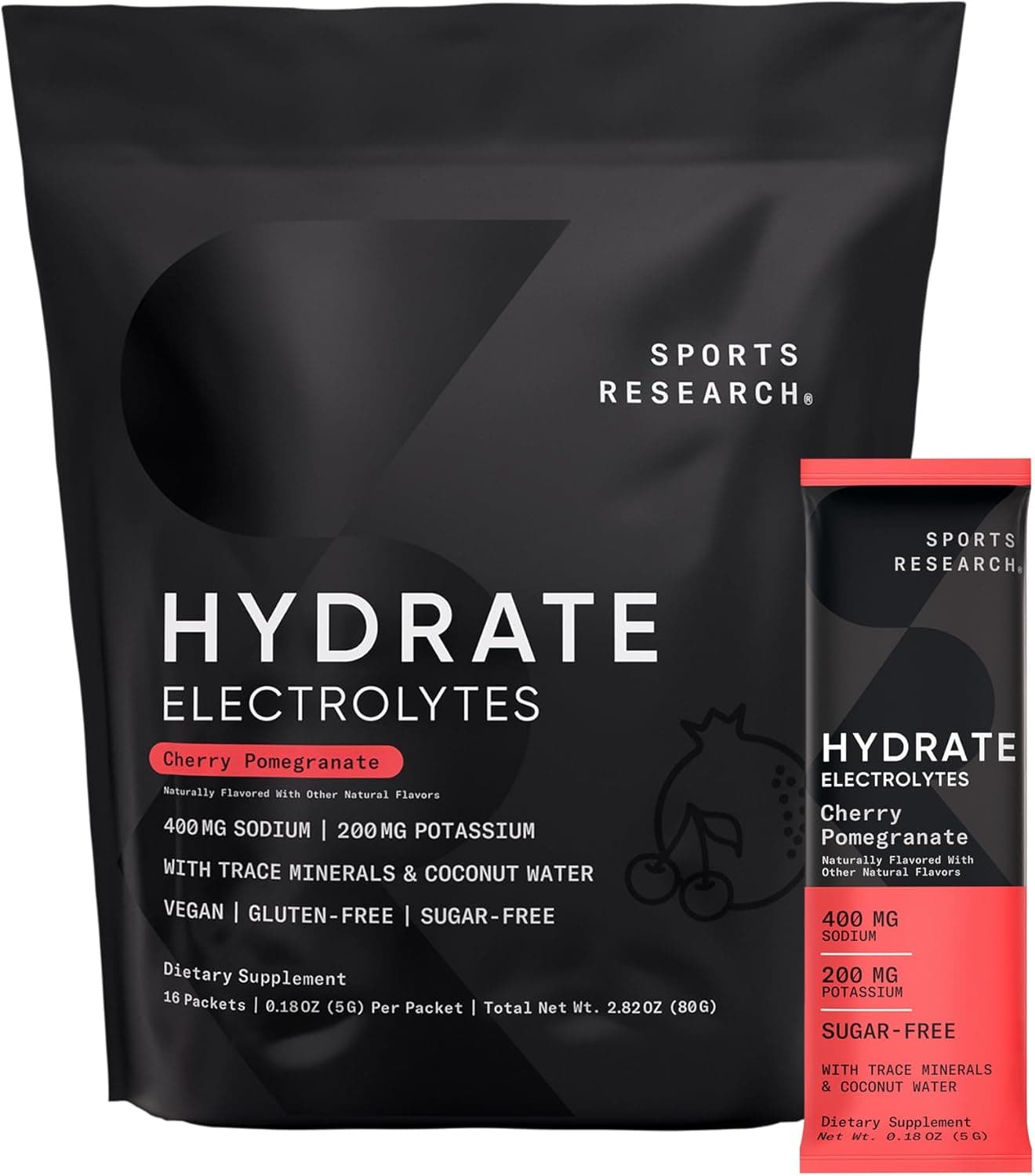
Electrolyte Powder/Tablet (e.g., LMNT, Nuun)HighCustomizable concentration — dissolve in water; many options with zero calories
Sports Drink (e.g., Gatorade, Powerade)HighCombined electrolytes + carbohydrates — best for exercise >90 minutes where fuel is also needed
Oral Rehydration Salts (ORS)HighClinical-grade rehydration — WHO formula optimized for maximum fluid absorption via sodium-glucose cotransport
Salt CapsulesHighUltra-endurance events — precise sodium dosing without flavor; popular in ironman and ultramarathon

Dosage Recommendations

General recommendation: 300-600 mg sodium per hour during exercise lasting >60 minutes, along with potassium (75-150 mg/hr) and magnesium (10-20 mg/hr)

Timing: Begin electrolyte intake within the first 15-30 minutes of exercise and continue at regular intervals

Dosage by Condition

ConditionRecommended DoseEvidence
Endurance exercise (>60 min)300-600 mg sodium/hrStrong
Heavy sweaters / hot conditions600-1000 mg sodium/hrModerate
General daily hydrationAdequate dietary sodium and potassiumStrong

Upper limit: Individualized — sweat testing can determine personal losses; up to 1500 mg sodium/hr in extreme cases

Side Effects and Safety

Safety profile: Generally Safe

Potential Side Effects

  • Nausea or GI discomfort from concentrated electrolyte solutions — dilute appropriately
  • Excessive sodium intake may raise blood pressure in sodium-sensitive individuals
  • Bloating if too much sodium consumed without adequate water

Drug & Supplement Interactions

  • ACE inhibitors and ARBs — potassium-sparing effects; monitor potassium intake to avoid hyperkalemia
  • Diuretics — increase electrolyte losses; may need increased replacement
  • Lithium — sodium intake affects lithium clearance; consistent sodium intake recommended
Check Electrolytes interactions with other supplements →
BenefitsDosage GuideSide EffectsTypes & FormsResearchFAQ

Related Supplements

Frequently Asked Questions

Do I need electrolytes for a 30-minute workout?

Generally no. For exercise under 60 minutes at moderate intensity, water alone is sufficient for most people. Electrolyte drinks become important during prolonged exercise (>60 min), intense exercise in heat, or for heavy sweaters. Exception: if exercising in extreme heat or you are a known salty sweater, electrolytes can help even in shorter sessions.

Is salt the most important electrolyte for exercise?

Yes. Sodium is by far the most abundant electrolyte lost in sweat (typically 0.5-2 g per liter). Potassium, magnesium, and calcium are lost in much smaller amounts. This is why most sports electrolyte products are sodium-dominant. The ACSM specifically recommends sodium replacement during prolonged exercise.

Can too much water without electrolytes be dangerous?

Yes. Exercise-associated hyponatremia (EAH) occurs when excessive water intake dilutes blood sodium levels below 135 mmol/L. It can cause confusion, seizures, and in severe cases death. It is most common in slower marathon runners and ultra-endurance athletes who drink large volumes of plain water. Always include sodium when hydrating during prolonged exercise.

References

  1. (). Fluid and electrolyte needs for training, competition, and recovery. Journal of Sports Sciences. DOI
  2. (). The influence of drinking fluid on endurance cycling performance: a meta-analysis. Sports Medicine. DOI
  3. (). Muscle cramps during exercise — is it fatigue or electrolyte deficit?. Current Sports Medicine Reports. DOI