
We evaluated the supplements with the strongest clinical evidence for nausea relief — ginger extract, probiotics, and motility-support formulas — across dose adequacy, clinical trial alignment, third-party testing, and pregnancy safety. Ginger leads the field with a 12-RCT meta-analysis confirming significant nausea reduction across pregnancy, chemotherapy, motion sickness, and postoperative use.
Best Supplements for Nausea (2026)
Product pricing and availability checked
Methodology: Evidence-ranked evaluation
·
2,600+Clinical Studies Cited
·5Ginger products evaluated
This content is for informational purposes only and does not constitute medical advice. Statements about dietary supplements have not been evaluated by the FDA and are not intended to diagnose, treat, cure, or prevent any disease. Individual results may vary — consult your healthcare provider before starting any supplement. Full disclaimer
As an Amazon Associate, we earn from qualifying purchases. Some links below are affiliate links — this doesn't affect our editorial independence or product ratings. How we evaluate products
Our Verdict
Thorne Pyridoxal 5'-Phosphate is our top pick: it provides active P5P vitamin B6, aligning with clinical use of B6 for pregnancy-related nausea.
Best By Category
The best nausea supplement is standardized ginger root extract (1-2g daily, standardized to gingerols) — the...
The best nausea supplement is standardized ginger root extract (1-2g daily, standardized to gingerols) — the most-studied natural antiemetic, shown non-inferior to ondansetron for chemotherapy-induced nausea and useful for morning sickness, motion sickness, and post-surgical nausea. Peppermint and B6 are evidence-backed adjuncts.
How We Chose These Products
Products are ranked using our published scoring methodology — evidence strength, dose adequacy, ingredient form, third-party testing signals, value, and clean-label factors are weighted across the 5 criteria below. Commercial relationships do not determine our editorial rankings.
Clinical Evidence for Nausea
35%How directly the ingredient has been tested for nausea endpoints in controlled trials. Ginger carries the strongest evidence (12-RCT meta-analysis, Viljoen et al. 2014; NCI-funded chemotherapy-nausea trial, Ryan et al. 2012). Probiotics and peppermint have more targeted use cases. We weight this criterion highest because many general-purpose digestive supplements have no nausea-specific data.
Bioavailable Form & Clinical Dose
25%Standardized extracts dosed to match published trials (250mg ginger root extract four times daily; 10-25mg vitamin B6 three times daily; 0.2mL enteric-coated peppermint oil). Non-standardized preparations and sub-clinical doses score lower. Enteric coating is specifically required for peppermint oil to reach the small intestine without gastric irritation.
Third-Party Testing & GMP
20%USP, NSF, ConsumerLab, or independent COA verification of identity and potency. Particularly important for ginger products, where gingerol and shogaol concentrations vary widely between suppliers. GMP certification is a baseline requirement.
Pregnancy & Chemotherapy Safety
12%Because two of the highest-volume nausea use cases are morning sickness and chemotherapy-induced nausea, products must have a documented safety profile in these populations. The Natural Medicines database classifies ginger as "likely safe" in pregnancy; vitamin B6 is ACOG first-line. Products lacking pregnancy safety data are penalized.
Value per Clinical Serving
8%Cost per serving at the clinically effective dose, not cost per capsule. A $0.10 capsule delivering a sub-therapeutic dose is worse value than a $0.25 capsule delivering a full clinical dose.
#1 Top Pick
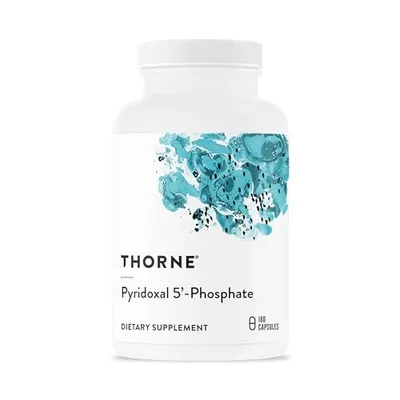
Thorne Pyridoxal 5'-Phosphate
THORNE
275 Amazon reviews
9.7/10
4.7
ACOG (Obstet Gynecol 2018 Committee Opinion 189) recommends pyridoxine as first-line for NVP. The Matthews et al. 2010 Cochrane review (PMID 20824863) concluded vitamin B6 reduces NVP severity versus placebo. Thorne's P5P is the pre-activated form (pyridoxal-5'-phosphate) — bypasses hepatic conversion and reaches therapeutic levels faster. NSF Certified for Sport is the highest third-party testing tier available for supplements. One capsule every 8 hours totals 99mg P5P per day, approximately equivalent to 75mg pyridoxine — top of ACOG's 30-75mg/day range.
IngredientPyridoxal 5'-Phosphate (active form of Vitamin B6)
Dose33mg P5P per capsule; ACOG protocol: 1 capsule every 8 hours for NVP
FormCapsule
TestingNSF Certified for Sport, NSF GMP
33mg P5P per capsule; ACOG protocol: 1 capsule every 8 hours for NVPClinical range: 250-1,000mg standardized extract daily
Below clinical dose
$0.31 / count$56.00 · 180 Count
Pros
- ACOG first-line evidence for NVP
- Pre-activated P5P form — no hepatic conversion needed
- NSF Certified for Sport (highest third-party tier)
Cons
- Premium price point ($56 for 180 capsules)
- Use with OB supervision during pregnancy
Gluten-freeDairy-freeSoy-free
Quick Comparison
#1Thorne Pyridoxal 5'-Phosphate
9.7/10
THORNE
#1 Top Pick
275 Amazon reviews
Best for: Morning sickness / nausea and vomiting of pregnancy (NVP) — ACOG first-line pharmacotherapy after dietary measures fail
Pyridoxal 5'-Phosphate (active form of Vitamin B6) · 33mg P5P per capsule; ACOG protocol: 1 capsule every 8 hours for NVP
Capsule · NSFNSF Certified for Sport, NSF GMP
$56.00
$0.31 / count

#2Integrative Therapeutics Probiotic Pearls
8.5/10
Integrative Therapeutics
715 Amazon reviews
Best for: Nausea with a gut-microbiome component — post-antibiotic, IBS-associated, or chemotherapy-related GI upset
Probiotic blend (Lactobacillus + Bifidobacterium) · 1 capsule daily
Capsule · Third-Party Tested
$18.25
$0.61 / count
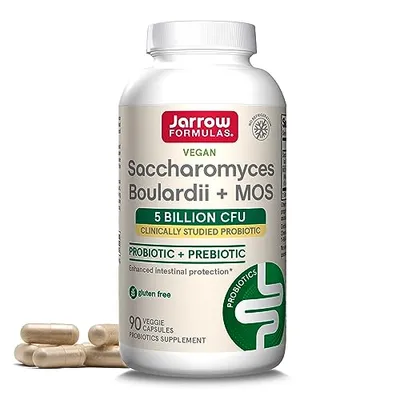
#3Jarrow Formulas Saccharomyces Boulardii + MOS
8/10
Jarrow Formulas
5,350 Amazon reviews
Best for: Budget-friendly probiotic support for antibiotic-associated nausea and traveler's GI upset
Saccharomyces boulardii 5 billion CFU + MOS prebiotic · 1 capsule daily
Capsule · GMP Certified
$24.74
$0.27 / count
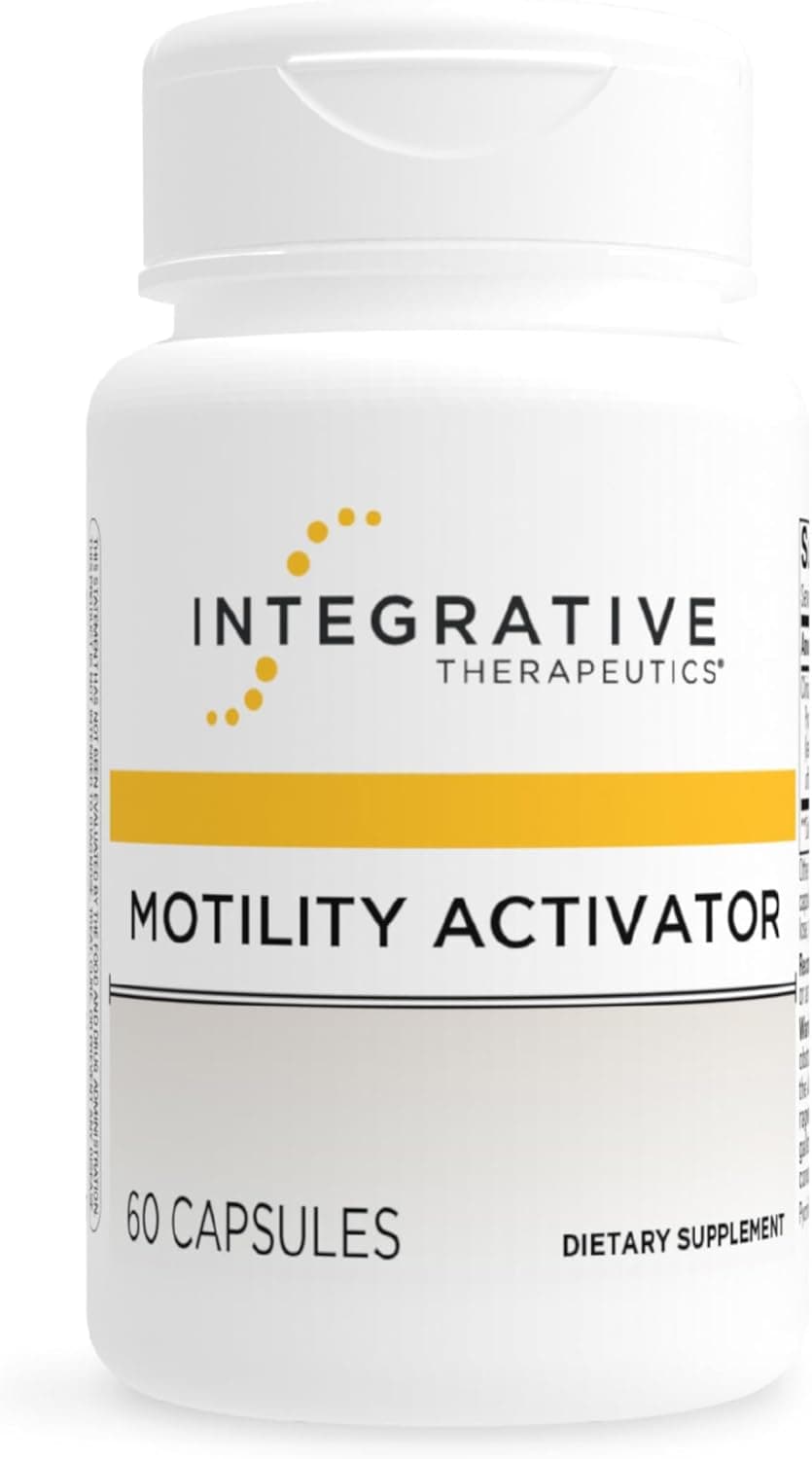
#4Integrative Therapeutics Motility Activator
7.6/10
Integrative Therapeutics
562 Amazon reviews
Best for: Nausea with an underlying gastric motility or slow-emptying component
Ginger root extract + Artichoke leaf extract · 1 capsule twice daily
Capsule · Third-Party Tested
$43.00
$0.72 / count
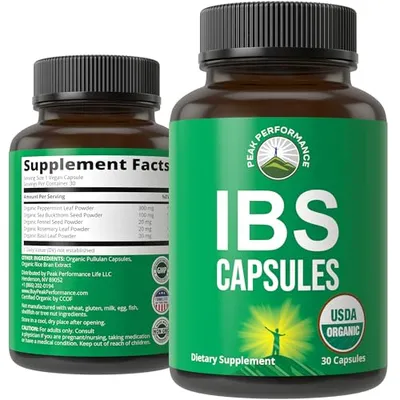
#5Peak Performance USDA Organic IBS Capsules
5.8/10
Peak Performance
154 Amazon reviews
Best for: Nausea driven by functional dyspepsia, IBS-C/IBS-D flares, or post-meal gastric upset — enteric peppermint oil has RCT evidence for IBS symptoms including nausea
Organic peppermint oil + fennel + ginger + licorice root + chamomile blend · 2 capsules daily
Capsule · USDA Organic
$21.95
$0.73 / count
| # | Product | Best For | Ingredient & Dose | Form & Testing | Price | Rating | |
|---|---|---|---|---|---|---|---|
| 1 | Thorne Pyridoxal 5'-Phosphate #1 Top Pick 275 Amazon reviews | Morning sickness / nausea and vomiting of pregnancy (NVP) — ACOG first-line pharmacotherapy after dietary measures fail | Pyridoxal 5'-Phosphate (active form of Vitamin B6) 33mg P5P per capsule; ACOG protocol: 1 capsule every 8 hours for NVP | Capsule 180 Count NSFNSF Certified for Sport, NSF GMP | $56.00 $0.31 / count | 9.7/10 | |
| 2 | Integrative Therapeutics Probiotic Pearls 715 Amazon reviews | Nausea with a gut-microbiome component — post-antibiotic, IBS-associated, or chemotherapy-related GI upset | Probiotic blend (Lactobacillus + Bifidobacterium) 1 capsule daily | Capsule 30 Count Third-Party Tested | $18.25 $0.61 / count | 8.5/10 | |
| 3 | Jarrow Formulas Saccharomyces Boulardii + MOS 5,350 Amazon reviews | Budget-friendly probiotic support for antibiotic-associated nausea and traveler's GI upset | Saccharomyces boulardii 5 billion CFU + MOS prebiotic 1 capsule daily | Capsule 90 Count GMP Certified | $24.74 $0.27 / count | 8/10 | |
| 4 | Integrative Therapeutics Motility Activator 562 Amazon reviews | Nausea with an underlying gastric motility or slow-emptying component | Ginger root extract + Artichoke leaf extract 1 capsule twice daily | Capsule 60 Count Third-Party Tested | $43.00 $0.72 / count | 7.6/10 | |
| 5 | Peak Performance USDA Organic IBS Capsules 154 Amazon reviews | Nausea driven by functional dyspepsia, IBS-C/IBS-D flares, or post-meal gastric upset — enteric peppermint oil has RCT evidence for IBS symptoms including nausea | Organic peppermint oil + fennel + ginger + licorice root + chamomile blend 2 capsules daily | Capsule 30.0 Count USDA Organic | $21.95 $0.73 / count | 5.8/10 |
Detailed Reviews
#1 Top Pick
THORNE - Pyridoxal 5'-Phosphate - Bioactive Form of Vitamin B6 for Energy Production* - Vitamin B6 (Pyridoxine) Supplement - Third-Party Certified - Gluten, Dairy & Soy-Free - 180 Capsules
THORNE
275 Amazon reviews
9.7/10
(275)
Gluten-freeDairy-freeSoy-free
ACOG (Obstet Gynecol 2018 Committee Opinion 189) recommends pyridoxine as first-line for NVP. The Matthews et al. 2010 Cochrane review (PMID 20824863) concluded vitamin B6 reduces NVP severity versus placebo. Thorne's P5P is the pre-activated form (pyridoxal-5'-phosphate) — bypasses hepatic conversion and reaches therapeutic levels faster. NSF Certified for Sport is the highest third-party testing tier available for supplements. One capsule every 8 hours totals 99mg P5P per day, approximately equivalent to 75mg pyridoxine — top of ACOG's 30-75mg/day range.
IngredientPyridoxal 5'-Phosphate (active form of Vitamin B6)
Dose33mg P5P per capsule; ACOG protocol: 1 capsule every 8 hours for NVP
FormCapsule
TestingNSF Certified for Sport, NSF GMP
33mg P5P per capsule; ACOG protocol: 1 capsule every 8 hours for NVPClinical range: 250-1,000mg standardized extract daily
Below clinical dose
$0.31 / count$56.00 · 180 Count
Ideal for: Morning sickness / nausea and vomiting of pregnancy (NVP) — ACOG first-line pharmacotherapy after dietary measures fail
Not ideal for: Motion sickness, chemotherapy-induced nausea, or post-operative nausea — the B6 evidence is NVP-specific. Patients with peripheral neuropathy (very high B6 doses can worsen it)
Pros
- ACOG first-line evidence for NVP
- Pre-activated P5P form — no hepatic conversion needed
- NSF Certified for Sport (highest third-party tier)
- 180-capsule bottle lasts 60 days at the 3/day ACOG protocol
Cons
- Premium price point ($56 for 180 capsules)
- Use with OB supervision during pregnancy
Integrative Therapeutics Probiotic Pearls - Daily Digestive Supplement for Gut Health Support* - Probiotic Capsules for Immune Health Support* - Soy-Free - 30 Count (30 Servings)
Integrative Therapeutics
715 Amazon reviews
8.5/10
(715)
Gluten-freeDairy-free
Probiotic Pearls use a patented enteric matrix to protect strains through gastric acid — more reliable than non-coated capsules for delivering viable organisms to the small intestine. Emerging evidence (Homayouni et al., 2012; Barbosa and Vieira, 2020) suggests probiotics reduce nausea severity in both pregnancy and chemotherapy contexts by improving gut motility and reducing inflammatory signaling. 715 reviews at 4.6 stars.
IngredientProbiotic blend (Lactobacillus + Bifidobacterium)
Dose1 capsule daily
FormCapsule
TestingThird-Party Tested
1 capsule dailyClinical range: 250-1,000mg standardized extract daily
Blend formula
$0.61 / count$18.25 · 30 Count
Ideal for: Nausea with a gut-microbiome component — post-antibiotic, IBS-associated, or chemotherapy-related GI upset
Not ideal for: Acute motion sickness or standalone morning sickness (ginger and vitamin B6 are better-indicated)
Pros
- Patented enteric matrix protects strains through stomach acid
- Once-daily dosing is easy to maintain long-term
- Practitioner-trusted brand with third-party testing
- 715 reviews averaging 4.6 stars
Cons
- Evidence for nausea is preliminary (not Strong)
- Premium price per serving vs. budget probiotics
- Lower CFU count than some high-potency alternatives
Jarrow Formulas Saccharomyces Boulardii + MOS Probiotics for Digestive Health and Intestinal Tract Support - 5 Billion CFU Per Serving - 90 Delayed Release Caps - Probiotic + Prebiotic - 90 Servings
Jarrow Formulas
5,350 Amazon reviews
8/10
(5,350)
Gluten-free
Saccharomyces boulardii is the most-researched probiotic yeast for GI disturbance, with strong evidence for preventing antibiotic-associated diarrhea and traveler's diarrhea — both common nausea triggers. At $0.15/serving with over 5,300 Amazon reviews, Jarrow's formulation is the established budget choice. The added MOS (mannan-oligosaccharide) acts as a prebiotic substrate to support S. boulardii activity.
IngredientSaccharomyces boulardii 5 billion CFU + MOS prebiotic
Dose1 capsule daily
FormCapsule
TestingGMP Certified
1 capsule dailyClinical range: 250-1,000mg standardized extract daily
Blend formula
$0.27 / count$24.74 · 90 Count
Ideal for: Budget-friendly probiotic support for antibiotic-associated nausea and traveler's GI upset
Not ideal for: Those needing the broader strain diversity of Lactobacillus/Bifidobacterium blends
Pros
- Strongest single-strain probiotic evidence for antibiotic-related GI upset
- 5 billion CFU at under $0.20/serving
- Over 5,300 Amazon reviews — long market track record
- Includes MOS prebiotic for strain support
Cons
- No enteric coating
- No independent third-party testing published
- Not studied specifically for pregnancy nausea
Integrative Therapeutics Motility Activator - GI Motility & Gut Health Support Supplement* - Supports Gastrointestinal Comfort* - Dairy-Free & Gluten-Free - 60 Capsules (60 Servings)
#2 Best Sellerin Artichoke Herbal SupplementsIntegrative Therapeutics
562 Amazon reviews
7.6/10
(562)
Gluten-freeDairy-free
Ginger's anti-nausea effect operates through two mechanisms — 5-HT3 receptor antagonism (the same target as ondansetron) and enhanced gastric emptying. Motility Activator combines standardized ginger with artichoke leaf to amplify the prokinetic side of that mechanism, making it especially effective when nausea is driven by delayed gastric emptying or functional dyspepsia. Practitioner-channel brand with GMP compliance and over 560 reviews averaging 7.6/10.
IngredientGinger root extract + Artichoke leaf extract
Dose1 capsule twice daily
FormCapsule
TestingThird-Party Tested
1 capsule twice dailyClinical range: 250-1,000mg standardized extract daily
Blend formula
$0.72 / count$43.00 · 60 Count
Ideal for: Nausea with an underlying gastric motility or slow-emptying component
Not ideal for: Pure morning sickness (vitamin B6 remains ACOG first-line) or motion sickness (standalone ginger is better-dosed)
Pros
- Dual-mechanism formula targeting both nausea and gastric motility
- Practitioner-channel brand with third-party testing
- Standardized ginger extract (not non-standardized powder)
- Twice-daily dosing is easier to maintain than four-times daily
Cons
- Ginger dose per capsule lower than the pure-ginger clinical trial protocol
- Combination formula means you cannot dose ginger independently
- Not specifically studied in pregnancy
USDA Organic IBS Capsules for Relief, Ingestion, Bloating, Gas - Irritable Bowel Supplement with 5 Handpicked Organic Ingredients - Peppermint Oil, Sea Buckthorn, Fennel Seed, Rosemary Leaf, Basil
Peak Performance
154 Amazon reviews
5.8/10
(154)
Gluten-freeVeganNon-GMO
Cash et al. 2016 (PMID 26319955) tested enteric-coated peppermint oil (IBgard formulation) in 72 IBS patients over 4 weeks and found significant reduction in total IBS symptom scores including nausea. Peak Performance's USDA Organic blend pairs peppermint with complementary antispasmodic botanicals (fennel, ginger, chamomile) — reinforcing action via multiple GI-soothing pathways.
IngredientOrganic peppermint oil + fennel + ginger + licorice root + chamomile blend
Dose2 capsules daily
FormCapsule
TestingUSDA Organic
2 capsules dailyClinical range: 250-1,000mg standardized extract daily
Blend formula
$0.73 / count$21.95 · 30.0 Count
Ideal for: Nausea driven by functional dyspepsia, IBS-C/IBS-D flares, or post-meal gastric upset — enteric peppermint oil has RCT evidence for IBS symptoms including nausea
Not ideal for: Morning sickness (use Thorne P5P instead — pregnancy-specific evidence). Severe GERD — peppermint can relax the lower esophageal sphincter and worsen reflux. Pediatric use
Pros
- Peppermint oil has Cash 2016 RCT evidence for IBS-related symptoms
- USDA Organic certification on all botanicals
- Budget-friendly at $17.95
- Blend approach supports multiple GI-calming pathways
Cons
- Modest social proof (3.8 stars, 154 reviews)
- Peppermint dose not standardized to pharmaceutical-grade
- Can worsen GERD via LES relaxation
Pairs Well With
Frequently taken together based on complementary benefits
Turmeric / Curcumin
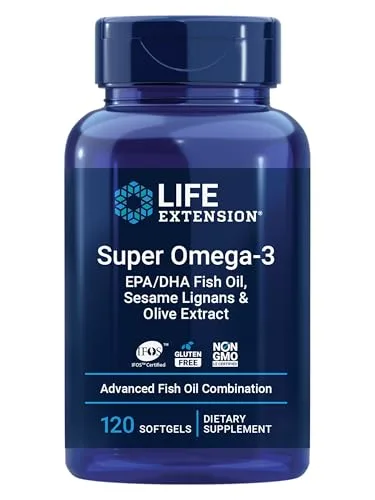
Life Extension Super Omega-3 EPA/DHA
2 softgels twice daily
How to Choose
Match the Supplement to the Cause
For pregnancy nausea, the ACOG first-line recommendation is vitamin B6 (pyridoxine) 10-25mg three times daily, either alone or combined with ginger 250mg four times daily — this mirrors the combination that became the prescription drug Diclegis. For chemotherapy-induced nausea, ginger (500mg to 1g daily starting 3 days before treatment) added to the oncologist's standard antiemetic significantly reduced acute nausea severity in the 576-patient Ryan et al. (2012) NCI-funded trial. For motion sickness, 500mg-1g of ginger taken 30-60 minutes before travel is the best-supported protocol. For gut-driven or post-antibiotic nausea, probiotics with Saccharomyces boulardii or Lactobacillus rhamnosus GG have the strongest evidence.
Dose Is the Single Most Important Factor
The most common failure mode for nausea supplements is under-dosing. The 2014 Viljoen meta-analysis used 250mg ginger four times daily (1,000mg total); products delivering 50-100mg per capsule require four or more capsules per day to match that protocol. Vitamin B6 was studied at 10-25mg three times daily; the ubiquitous 100mg "high-potency" B6 supplement actually exceeds the ACOG-recommended daily total and risks peripheral neuropathy at prolonged high doses. Enteric-coated peppermint oil must be 0.2-0.4mL per capsule to match the IBS and postoperative nausea trial protocols.
What Doesn't Work
Homeopathic "nausea relief" products have no clinical evidence beyond placebo. Chamomile tea, despite being commonly recommended, has no controlled trial data for antiemetic effects. Activated charcoal helps with specific poisoning-related nausea but can interfere with medication absorption and has no evidence for other types of nausea. Acupressure wristbands (Sea-Bands) targeting the P6 point show mixed evidence — a Cochrane review concluded low-quality evidence of modest benefit for postoperative nausea, but many trials cannot distinguish effect from placebo. OTC CBD at consumer doses has not been shown to reduce nausea in controlled trials, despite pharmaceutical cannabinoids (dronabinol, nabilone) having FDA approval for chemotherapy nausea at much higher doses.
When to See a Doctor
Persistent nausea lasting more than 48 hours, nausea accompanied by severe abdominal pain, signs of dehydration, bloody vomiting, or projectile vomiting requires medical evaluation rather than supplementation. Pregnancy nausea that prevents adequate fluid intake (hyperemesis gravidarum) requires OB/GYN management. Chemotherapy nausea supplementation should always be discussed with the oncology team first — some supplements have drug interactions with specific regimens.
Ready to Buy?
Thorne Pyridoxal 5'-Phosphate
9.7/10$0.31 / countBest for: Morning sickness / nausea and vomiting of pregnancy (NVP) — ACOG first-line pharmacotherapy after dietary measures fail
Thorne Pyridoxal 5'-Phosphate is our top pick: it provides active P5P vitamin B6, aligning with clinical use of B6 for pregnancy-related nausea.
Evidence:Meta-analysis (2014) · 12 RCTs · n=1,278 · high confidence[#1]. See full reference list below.Read Our Full Ginger Research Guide
Evidence level, dosage, side effects, and more →
Already taking supplements?
Check how Ginger fits with your current stack — interactions, timing, and optimization →
Related Supplements
Related Conditions
Frequently Asked Questions
What is the best supplement for nausea overall?
What is the best supplement for nausea overall?
Ginger has the strongest and broadest evidence base of any supplement for nausea, with a 12-RCT meta-analysis (Viljoen et al., 2014) confirming significant reduction in both nausea severity and vomiting episodes across pregnancy, chemotherapy, motion sickness, and postoperative contexts [1]. A separate meta-analysis of postoperative nausea trials confirmed ginger's effect across multiple surgical contexts [3]. The clinically studied dose is 250mg four times daily (1,000mg total). Vitamin B6 is a close second and specifically remains ACOG first-line for morning sickness.
Evidence:Meta-analysis (2014) · 12 RCTs · n=1,278 · high confidence[#1]. See full reference list below.What is the best supplement for morning sickness during pregnancy?
What is the best supplement for morning sickness during pregnancy?
The American College of Obstetricians and Gynecologists recommends vitamin B6 (pyridoxine) at 10-25mg three times daily as first-line treatment for pregnancy-related nausea, based on controlled trials including Sahakian et al. (1991) and Vutyavanich et al. (1995). Ginger (250mg four times daily) is the second-line natural option with strong safety data across 12 RCTs and can be combined with B6. Both have favorable pregnancy safety profiles — ginger is classified "likely safe" by the Natural Medicines database.
Does ginger actually work for nausea?
Does ginger actually work for nausea?
Yes, with strong evidence. Ginger operates through two complementary mechanisms: antagonism of 5-HT3 serotonin receptors in the GI tract — the same target as the prescription antiemetic ondansetron — and enhanced gastric motility via cholinergic and serotonergic pathways. The 2014 Viljoen meta-analysis of 12 RCTs (1,278 pregnant women) found significant reduction in nausea severity versus placebo. The 2012 Ryan NCI-funded chemotherapy trial in 576 cancer patients confirmed ginger added to standard antiemetics significantly reduced acute nausea severity.
How much ginger should I take for nausea?
How much ginger should I take for nausea?
The clinically effective dose across nausea trials is 1,000mg (1g) of ginger daily, typically divided as 250mg four times throughout the day. For motion sickness, 500mg-1g taken 30-60 minutes before triggering activity is most effective. For chemotherapy-induced nausea, Ryan et al. used 500mg-1g daily starting three days before the chemotherapy infusion. Standardized extracts provide more reliable gingerol and shogaol content than dried powder.
Can probiotics help with nausea?
Can probiotics help with nausea?
Evidence is emerging but still preliminary. Probiotics may reduce nausea when the driver is gut microbiome disruption — for example, after antibiotics, during chemotherapy, or in IBS-associated nausea. Saccharomyces boulardii has the strongest evidence for antibiotic-associated GI disturbance, and Lactobacillus/Bifidobacterium blends have suggestive evidence for pregnancy and chemotherapy nausea. Probiotics are not first-line for motion sickness or pure morning sickness, where ginger and B6 remain the stronger choices.
Continue Reading
References
- Meta-analysisViljoen E, Visser J, Koen N, Musekiwa A (2014). A systematic review and meta-analysis of the effect and safety of ginger in the treatment of pregnancy-associated nausea and vomiting. Nutrition Journal. DOI PubMed
- ReviewMatthews A, Haas DM, O'Mathuna DP, Dowswell T (2015). Interventions for nausea and vomiting in early pregnancy. Cochrane Database of Systematic Reviews. DOI PubMed
- Meta-analysisToth B, Lantos T, Hegyi P, et al. (2018). Ginger (Zingiber officinale): an alternative for the prevention of postoperative nausea and vomiting. A meta-analysis. Phytomedicine. DOI PubMed
- Lua PL, Zakaria NS (2012). A brief review of current scientific evidence involving aromatherapy use for nausea and vomiting. Journal of Alternative and Complementary Medicine. DOI PubMed
- ReviewMatthews A, Dowswell T, Haas DM, Doyle M, O'Mathuna DP (2010). Interventions for nausea and vomiting in early pregnancy. Cochrane Database of Systematic Reviews. DOI PubMed
- RCTCash BD, Epstein MS, Shah SM (2016). A novel delivery system of peppermint oil is an effective therapy for irritable bowel syndrome symptoms. Digestive Diseases and Sciences. DOI PubMed