Supplement ScienceSupplementScience
Nausea

Best Supplements for Nausea

Prevalence: Morning sickness affects 70-80% of pregnancies; postoperative nausea affects 30-50% of surgical patients

·

This content is for informational purposes only and does not constitute medical advice. Statements about dietary supplements have not been evaluated by the FDA and are not intended to diagnose, treat, cure, or prevent any disease. Individual results may vary — consult your healthcare provider before starting any supplement. Full disclaimer

Ginger (250mg four times daily or 1,000mg total) is the most evidence-backed supplement for nausea, with meta-analyses...

Ginger (250mg four times daily or 1,000mg total) is the most evidence-backed supplement for nausea, with meta-analyses supporting its use for pregnancy-related nausea, postoperative nausea, and motion sickness. Vitamin B6 (25mg three times daily) is specifically recommended for morning sickness.

Get the free evidence-based Nausea guide — delivered in 60 seconds.

No spam. Unsubscribe anytime.

Overview

Nausea is an extremely common symptom affecting virtually everyone at some point, with specific conditions like morning sickness (affecting 70-80% of pregnancies), chemotherapy-induced nausea, and motion sickness driving supplement research. Ginger is by far the most studied natural anti-emetic, with robust clinical trial data across multiple nausea subtypes.

Understanding Nausea

Nausea is mediated by the vomiting center in the medulla oblongata, which integrates signals from four primary inputs: the chemoreceptor trigger zone (CTZ, sensitive to blood-borne toxins and medications), the vestibular system (motion sickness), visceral afferents from the GI tract via the vagus nerve, and higher cortical centers (anticipatory nausea). The neurotransmitters involved include serotonin (5-HT3 receptors), dopamine (D2 receptors), histamine (H1 receptors), acetylcholine (muscarinic receptors), and substance P (NK1 receptors). Pharmaceutical antiemetics target these specific receptors — ondansetron (5-HT3), metoclopramide (D2), and aprepitant (NK1). Nausea has many causes: pregnancy (hyperemesis gravidarum), chemotherapy, motion sickness, postoperative recovery, gastroparesis, and medication side effects. Among supplements, ginger has an evidence base that rivals some pharmaceutical antiemetics for specific types of nausea, particularly pregnancy-related and chemotherapy-induced nausea, through mechanisms that include 5-HT3 receptor antagonism and prokinetic effects.

What the Research Shows

Ginger (Zingiber officinale) has the most robust evidence of any supplement for nausea. For pregnancy-related nausea, Viljoen et al. (2014) conducted a systematic review and meta-analysis of 12 RCTs with 1,278 pregnant women and found that ginger (250 mg four times daily) significantly reduced nausea severity compared to placebo, with a safety profile comparable to placebo for pregnancy outcomes. The most cited individual trial by Vutyavanich et al. (2001) randomized 70 women with morning sickness to 250 mg ginger four times daily or placebo and found significant improvement in nausea and vomiting episodes. For chemotherapy-induced nausea, Ryan et al. (2012) conducted a large NCI-funded trial with 576 cancer patients receiving emetogenic chemotherapy and found that ginger supplementation (0.5–1 g daily for 6 days starting 3 days before chemo) significantly reduced acute nausea severity when added to standard antiemetics. The mechanism involves antagonism of 5-HT3 receptors in the GI tract (the same target as ondansetron) and enhanced gastric motility via cholinergic and serotonergic pathways. For motion sickness, evidence is more mixed — Lien et al. (2003) found ginger (1–2 g) reduced motion-induced nausea and gastric dysrhythmia in a controlled study, but results across trials are inconsistent. Vitamin B6 (pyridoxine) is an evidence-based treatment for pregnancy nausea, separate from ginger. The ACOG recommends vitamin B6 (10–25 mg three to four times daily) as first-line treatment for nausea and vomiting of pregnancy, based on trials including Sahakian et al. (1991) and Vutyavanich et al. (1995), which found significant nausea reduction compared to placebo. Combining B6 with doxylamine (an antihistamine) forms the prescription drug Diclegis/Diclectin, but B6 alone provides meaningful benefit. Peppermint oil has evidence for postoperative nausea — Tate (1997) found that inhaled peppermint aroma significantly reduced nausea scores in postoperative patients. Oral peppermint oil capsules (enteric-coated) may also help, though the evidence is primarily for peppermint in nausea of GI origin.

What to Look For in Supplements

For ginger, standardized extracts providing 250 mg of ginger root extract (standardized to gingerols and shogaols) taken four times daily is the best-studied regimen. Alternatively, 1 g of dried ginger root powder daily can be taken in capsule form. For pregnancy nausea specifically, ginger has been studied extensively in pregnancy and shows no increase in adverse outcomes — it is classified as "likely safe" in pregnancy by the Natural Medicines database. For vitamin B6, standard pyridoxine at 10–25 mg three to four times daily (not exceeding 100 mg total) is the ACOG-recommended dose. Pyridoxal-5-phosphate (P5P), the active form, is an alternative for those with absorption concerns. For peppermint, enteric-coated capsules (0.2 mL peppermint oil per capsule) prevent gastric irritation and release in the small intestine. Third-party testing is particularly important for ginger products, as gingerol content varies widely between preparations.

What Doesn't Work (And Why)

Cannabis/CBD for nausea has a complicated evidence picture. While pharmaceutical cannabinoids (dronabinol, nabilone) have FDA approval for chemotherapy-induced nausea, OTC CBD supplements at consumer doses lack the evidence base of prescription cannabinoids and have not been shown to reduce nausea in controlled trials at typical oral doses. "Nausea relief" homeopathic preparations have no mechanism of action and no clinical evidence beyond placebo. Sea bands (acupressure wristbands) targeting the P6 acupoint have mixed results — a 2004 Cochrane review by Lee and Done found that P6 stimulation may reduce postoperative nausea but evidence quality was low, and many studies fail to distinguish acupressure effects from placebo. Chamomile tea is commonly recommended for nausea but has no controlled trial evidence for antiemetic effects. Activated charcoal is sometimes used for nausea from food poisoning but has no evidence for other types of nausea and can interfere with medication absorption.

Combination Protocol

For pregnancy nausea: vitamin B6 (25 mg three times daily) combined with ginger extract (250 mg four times daily with meals and before bed). This matches the ACOG first-line recommendation combined with the most evidence-backed natural antiemetic. Take ginger with food to prevent GI irritation. If insufficient, adding doxylamine 12.5 mg at bedtime to the B6 creates the prescription Diclegis equivalent (discuss with OB/GYN). For chemotherapy-induced nausea: ginger (500 mg–1 g daily starting 3 days before chemotherapy) added to prescribed antiemetic regimen. For general nausea or motion sickness: ginger (500 mg–1 g 30–60 minutes before travel or triggering activity). Peppermint oil capsules (0.2 mL, enteric-coated) can be added for GI-origin nausea. No existing stack page covers antiemetic protocols.

Top Evidence-Based Supplements for Nausea

#SupplementTypical DoseEvidence
1Ginger (Zingiber officinale)250mg four times daily (1,000mg total)Strong
See top ginger (zingiber officinale) picks →
2Peppermint Oil0.2-0.4mL enteric-coated capsules, or aromatherapy inhalationModerate
Top picks for Nausea →
3Vitamin B6 (Pyridoxine)25mg three times dailyStrong
Top picks for Nausea →
4Probiotics10 billion CFU dailyPreliminary
See top probiotics picks →

Top Product Picks

As an Amazon Associate, we earn from qualifying purchases. Some links below are affiliate links — this doesn't affect our editorial independence or product ratings. How we evaluate products

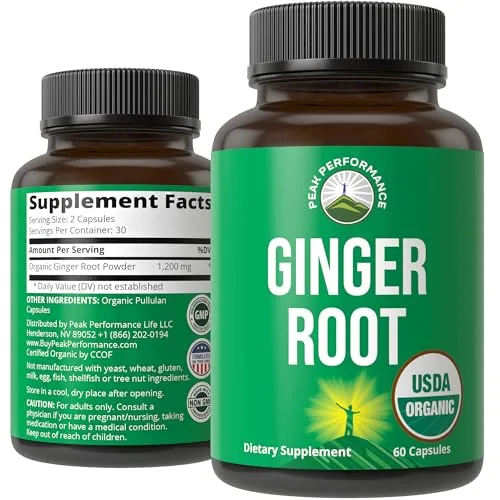
Peak Performance USDA Organic Ginger Root Capsules

Peak Performance USDA Organic Ginger Root Capsules

Peak Performance

8.3/10
Organic daily ginger supplementation$0.63/serving
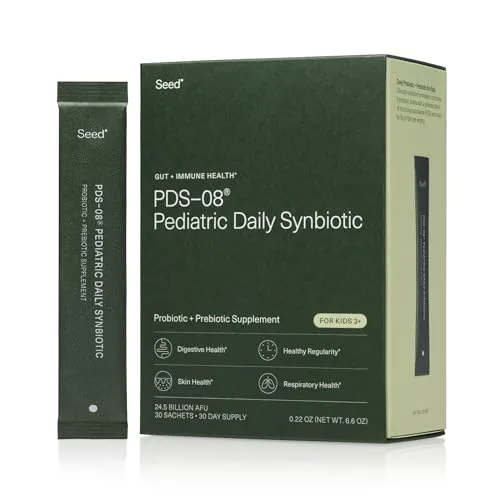
Seed PDS-08 Pediatric Daily Synbiotic

Seed PDS-08 Pediatric Daily Synbiotic

Seed

9/10
Comprehensive pediatric gut support with prebiotics and probiotics in one$1.33/serving

Detailed Ingredient Guides

Ginger
Herbal Extract
Ginger extract at 250-1,000mg daily reduces osteoarthritis pain by ~30% and lowers inflammatory markers including CRP and IL-6. It inhibits both COX-2 and 5-LOX pathways. Also highly effective for nausea. Choose standardized extracts with ≥5% gingerols.
Peppermint Oil
Herbal Antispasmodic
Enteric-coated peppermint oil is the best-evidenced herbal treatment for IBS. A 2019 meta-analysis (12 RCTs, n=835) found it significantly reduces IBS symptoms with NNT of 3. Standard dose is 180-200mg enteric-coated capsules 2-3x daily before meals. Must use enteric-coated form to avoid heartburn.
Vitamin B6 (Pyridoxine)
Water-Soluble Vitamin
Vitamin B6 is involved in 150+ enzyme reactions including neurotransmitter and amino acid metabolism. P-5-P is the active form. It helps with morning sickness (evidence level: Strong), PMS symptoms, and homocysteine reduction. Most adults need 1.3-2.0 mg daily.
Probiotics
Live Microorganisms
Probiotics are live beneficial bacteria that support gut health, immunity, and mood through the gut-brain axis. A 2018 meta-analysis found significant IBS symptom reduction with multi-strain probiotics. Benefits are strain-specific — choose based on your health goal. Typical dose: 10-50 billion CFU daily. Look for third-party tested products with guaranteed potency through expiration.
Ginger Extract
Herbal Prokinetic / Anti-Emetic
Ginger is clinically proven to reduce nausea across pregnancy, chemotherapy, and post-surgical settings. It also accelerates gastric emptying and reduces functional dyspepsia symptoms. Typical dose is 250mg standardized extract 4x daily or 1-2g fresh/dried ginger root. One of the best-evidenced natural anti-emetics.

Related Conditions

Related Research

Learn More

Frequently Asked Questions

Does ginger actually help with nausea?

Yes, ginger is the most well-studied natural anti-emetic. A meta-analysis of 12 RCTs confirmed that ginger (1,000mg daily in divided doses) significantly reduces nausea severity and vomiting episodes [1]. It is effective for pregnancy-related nausea, postoperative nausea, motion sickness, and chemotherapy-induced nausea. Ginger works by blocking serotonin receptors in the gut and accelerating gastric emptying.

Evidence:Meta-analysis (2014) · 12 RCTs · n=1,278 · high confidence[#1]. See full reference list below.

What is the best supplement for morning sickness?

The American College of Obstetricians and Gynecologists (ACOG) recommends vitamin B6 (pyridoxine) at 10-25mg three times daily as the first-line supplement for pregnancy-related nausea. Ginger (250mg four times daily) is the second recommendation and can be combined with B6. Both have strong safety profiles in pregnancy and are supported by multiple RCTs.

Is peppermint effective for nausea?

Peppermint has demonstrated anti-nausea effects, particularly through aromatherapy. Several RCTs show that inhaling peppermint essential oil significantly reduces postoperative nausea compared to placebo. Enteric-coated peppermint oil capsules (0.2-0.4mL) also help with nausea associated with IBS and functional dyspepsia by relaxing gastric smooth muscle.

How much ginger should I take for nausea?

The effective dose across clinical trials is typically 1,000mg (1g) of ginger daily, usually divided into 250mg doses taken four times throughout the day. For motion sickness, taking 500-1,000mg 30-60 minutes before travel is most effective. Fresh ginger (approximately 1-2 inches or 5-10g) can also be used, though standardized extracts provide more consistent dosing.

Continue Reading

References

  1. Meta-analysisViljoen E, Visser J, Koen N, Musekiwa A (2014). A systematic review and meta-analysis of the effect and safety of ginger in the treatment of pregnancy-associated nausea and vomiting. Nutrition Journal. DOI PubMed
  2. Meta-analysisMatthews A, Haas DM, O'Mathuna DP, Dowswell T (2015). Interventions for nausea and vomiting in early pregnancy. Cochrane Database of Systematic Reviews. DOI PubMed
  3. Meta-analysisToth B, Lantos T, Hegyi P, et al. (2018). Ginger (Zingiber officinale): an alternative for the prevention of postoperative nausea and vomiting. A meta-analysis. Phytomedicine. DOI PubMed
  4. Lua PL, Zakaria NS (2012). A brief review of current scientific evidence involving aromatherapy use for nausea and vomiting. Journal of Alternative and Complementary Medicine. DOI PubMed