Supplement ScienceSupplementScience
Irritable Bowel Syndrome (IBS)

Best Supplements for Irritable Bowel Syndrome (IBS)

Prevalence: 25-45 million Americans affected (10-15% of US population)

·

This content is for informational purposes only and does not constitute medical advice. Statements about dietary supplements have not been evaluated by the FDA and are not intended to diagnose, treat, cure, or prevent any disease. Individual results may vary — consult your healthcare provider before starting any supplement. Full disclaimer

Peppermint oil (enteric-coated, 200mg three times daily) has the strongest evidence for IBS, with a meta-analysis...

Peppermint oil (enteric-coated, 200mg three times daily) has the strongest evidence for IBS, with a meta-analysis showing a 57% responder rate. Probiotics and psyllium husk are also well-supported for specific IBS subtypes.

Get the free evidence-based Irritable Bowel Syndrome (IBS) guide — delivered in 60 seconds.

No spam. Unsubscribe anytime.

Overview

Irritable bowel syndrome affects 10-15% of the global population, making it one of the most common functional gastrointestinal disorders. Characterized by abdominal pain, bloating, and altered bowel habits, IBS significantly impairs quality of life. Several supplements have demonstrated clinically meaningful symptom reduction in randomized controlled trials.

Understanding Irritable Bowel Syndrome (IBS)

Irritable bowel syndrome (IBS) is a functional gastrointestinal disorder characterized by recurrent abdominal pain associated with altered bowel habits — diarrhea (IBS-D), constipation (IBS-C), or mixed pattern (IBS-M). It affects 10–15% of the global population and is the most common reason for gastroenterology referral. The pathophysiology involves visceral hypersensitivity (lowered pain threshold in gut nerves), altered gut motility, gut-brain axis dysregulation, intestinal barrier dysfunction, low-grade mucosal inflammation, bile acid malabsorption, and gut microbiome dysbiosis. The gut contains more serotonin (5-HT) than the brain — approximately 95% of body serotonin is in the GI tract — and 5-HT3 and 5-HT4 receptor signaling directly regulates motility, secretion, and visceral sensation. Stress activates the hypothalamic-pituitary-adrenal axis and the enteric nervous system simultaneously, explaining the strong bidirectional gut-brain relationship. Pharmaceutical options include antispasmodics, rifaximin (for IBS-D), linaclotide (for IBS-C), and low-dose antidepressants. Several supplements have meaningful evidence for IBS, particularly peppermint oil, certain probiotics, and fiber supplementation.

What the Research Shows

Peppermint oil is the most evidence-backed supplement for IBS. A meta-analysis by Alammar et al. (2019) pooled 12 RCTs with 835 IBS patients and found that peppermint oil significantly improved overall IBS symptoms (RR 2.39) and abdominal pain (RR 1.78) compared to placebo. Khanna et al. (2014) in the Journal of Clinical Gastroenterology analyzed 9 RCTs and confirmed peppermint oil as significantly superior to placebo for global IBS symptom improvement, with a number needed to treat (NNT) of 3 — meaning every 3 patients treated, 1 benefits beyond placebo. Peppermint oil works primarily through L-menthol's calcium channel blocking effect on smooth muscle, reducing intestinal spasm. It also has 5-HT3 antagonist and kappa-opioid agonist properties, addressing visceral pain. Probiotics have strain-specific evidence for IBS. Bifidobacterium infantis 35624 (marketed as Align) was studied by Whorwell et al. (2006) in a large RCT of 362 IBS patients and showed significant improvement in abdominal pain, bloating, and bowel difficulty versus placebo. A meta-analysis by Ford et al. (2018) of 53 trials found that probiotics as a class significantly improved overall IBS symptoms, though effects were driven by specific strains and multi-strain combinations. VSL#3 (now Visbiome), Saccharomyces boulardii, and Lactobacillus plantarum 299v have individual positive trials. Psyllium fiber (soluble) has evidence for IBS-C specifically. Bijkerk et al. (2009) randomized 275 IBS patients to psyllium (10 g daily), bran (10 g daily), or placebo and found psyllium significantly improved symptom severity over 12 weeks, while bran (insoluble fiber) actually worsened symptoms. Partially hydrolyzed guar gum (PHGG) showed similar benefits for bloating and transit time. L-glutamine has emerging IBS-D evidence — Zhou et al. (2019) randomized 106 post-infectious IBS-D patients to glutamine (5 g three times daily) or placebo and found glutamine significantly reduced IBS symptom severity scores, stool frequency, and intestinal permeability.

What to Look For in Supplements

For peppermint oil, choose enteric-coated capsules delivering 0.2–0.4 mL of peppermint oil per capsule — the enteric coating prevents gastric release, which causes heartburn and esophageal reflux. IBgard (marketed specifically for IBS) uses a patented triple-coated microsphere delivery. Dose: 1–2 capsules three times daily, 30–60 minutes before meals. For probiotics, choose specific studied strains rather than generic multi-strain products. B. infantis 35624 (Align) at 1 billion CFU daily is the best-studied single strain for IBS. For fiber, choose soluble fiber (psyllium husk) at 10 g daily, introduced gradually (starting at 2.5 g) to prevent worsening bloating. Avoid insoluble fiber (wheat bran), which worsens IBS symptoms. For L-glutamine, 5 g powder three times daily (dissolved in water) is the studied dose for IBS-D. A low-FODMAP diet, guided by a registered dietitian, is the most effective dietary intervention — combining it with targeted supplementation is a logical approach.

What Doesn't Work (And Why)

Digestive enzymes are widely marketed for IBS but have minimal evidence. Most IBS patients do not have enzyme deficiency (with the possible exception of lactase in lactose-intolerant subsets). A 2018 systematic review found insufficient evidence to recommend digestive enzymes for IBS. Charcoal supplements, sometimes promoted for IBS bloating, have not shown benefit in controlled trials and can cause constipation, worsening IBS-C. Aloe vera juice has weak and inconsistent evidence for IBS — a small trial by Davis et al. (2006) found no significant benefit over placebo for IBS symptoms. Apple cider vinegar, often recommended in natural health circles for IBS, has no clinical evidence for this indication and the acidity may worsen symptoms. Colostrum supplements for gut healing have insufficient evidence specifically for IBS. Insoluble fiber supplements (wheat bran, psyllium-free "fiber" products) consistently worsen IBS symptoms — the type of fiber matters enormously.

Combination Protocol

For IBS management: enteric-coated peppermint oil (0.2 mL, 1–2 capsules three times daily before meals), a targeted probiotic (B. infantis 35624 at 1 billion CFU daily), and psyllium husk (gradually increased to 10 g daily for IBS-C). For IBS-D, substitute L-glutamine (5 g three times daily) for psyllium. This combination addresses intestinal smooth muscle spasm, microbiome dysbiosis, and either transit time or intestinal permeability depending on IBS subtype. Combine with a low-FODMAP diet for maximum effect. Introduce supplements one at a time over 2-week intervals to identify individual responders. Allow 4–8 weeks for probiotic benefits to manifest. Stress management is critical — gut-brain axis activation is a primary IBS driver. See /stacks/cognitive-performance for stress-reduction strategies that overlap with gut-brain axis management.

Top Evidence-Based Supplements for Irritable Bowel Syndrome (IBS)

#SupplementTypical DoseEvidence
1Peppermint Oil (Enteric-Coated)200mg enteric-coated capsules, 3 times daily before mealsStrong
Top picks for Nausea →
2Probiotics10-20 billion CFU daily (multi-strain)Strong
See top probiotics picks →
3Psyllium Husk5-10g daily, divided into doses with mealsStrong
See top psyllium husk picks →
4L-Glutamine5g three times dailyModerate
See l-glutamine research →
5Digestive Enzymes1-2 capsules with mealsEmerging
See digestive enzymes research →

Top Product Picks

As an Amazon Associate, we earn from qualifying purchases. Some links below are affiliate links — this doesn't affect our editorial independence or product ratings. How we evaluate products

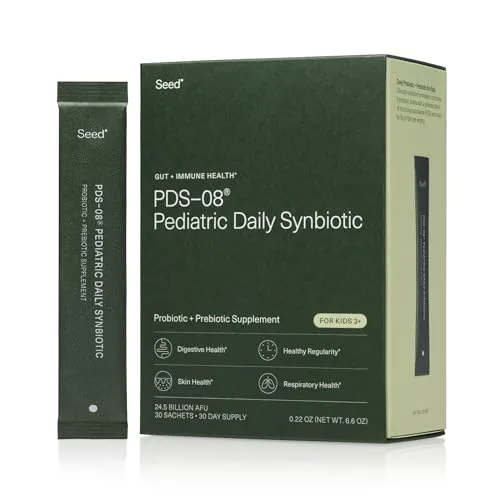
Seed PDS-08 Pediatric Daily Synbiotic

Seed PDS-08 Pediatric Daily Synbiotic

Seed

9/10
Comprehensive pediatric gut support with prebiotics and probiotics in one$1.33/serving
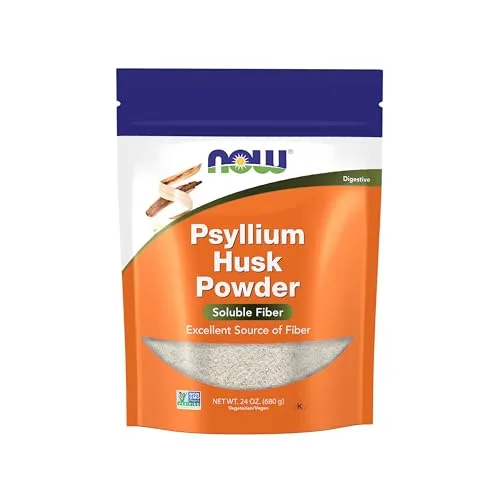
NOW Foods Psyllium Husk Powder

NOW Foods Psyllium Husk Powder

NOW Foods

9/10
Best powder for clinical-dose fiber supplementation$0.43/serving

Detailed Ingredient Guides

Probiotics
Live Microorganisms
Probiotics are live beneficial bacteria that support gut health, immunity, and mood through the gut-brain axis. A 2018 meta-analysis found significant IBS symptom reduction with multi-strain probiotics. Benefits are strain-specific — choose based on your health goal. Typical dose: 10-50 billion CFU daily. Look for third-party tested products with guaranteed potency through expiration.
Peppermint Oil
Herbal Antispasmodic
Enteric-coated peppermint oil is the best-evidenced herbal treatment for IBS. A 2019 meta-analysis (12 RCTs, n=835) found it significantly reduces IBS symptoms with NNT of 3. Standard dose is 180-200mg enteric-coated capsules 2-3x daily before meals. Must use enteric-coated form to avoid heartburn.
L-Glutamine (Gut Health)
Amino Acid
L-Glutamine is the primary fuel for intestinal cells and supports gut barrier integrity by strengthening tight junctions. Clinical studies show it can reduce intestinal permeability and support recovery from gut damage. For gut health, 5-10g daily in divided doses is the standard recommendation.
Psyllium Husk
Soluble Fiber
Psyllium husk is an FDA-recognized soluble fiber that lowers LDL cholesterol by 5-10%, improves bowel regularity, and helps manage blood sugar. Take 5-10g daily with plenty of water. It is one of the few supplements with an FDA-approved health claim for heart disease risk reduction.
Digestive Enzymes
Enzyme Supplement
Digestive enzyme supplements help break down food when natural enzyme production is insufficient. Prescription enzymes (PERT) are essential for pancreatic insufficiency. OTC enzymes may help with bloating, food intolerances (lactase for lactose, alpha-galactosidase for beans), and functional dyspepsia. Take with the first bite of each meal.
Probiotics (Bifidobacterium)
Probiotic
Bifidobacterium probiotics support gut health, immune function, and may reduce stress via the gut-brain axis. B. infantis 35624 is a first-line probiotic for IBS (Whorwell et al., 2006). B. lactis BB-12 is the most documented strain for immune health. Typical doses are 1-10 billion CFU/day.
Probiotics (Lactobacillus)
Probiotic
Lactobacillus probiotics are among the most researched beneficial bacteria. L. rhamnosus GG prevents antibiotic-associated diarrhea (NNT=7), L. plantarum 299v reduces IBS symptoms, and L. reuteri helps infantile colic. Typical doses are 1-20 billion CFU/day, but strain selection matters more than total CFU count.

Related Conditions

Related Research

Learn More

Frequently Asked Questions

What is the most effective supplement for IBS?

Enteric-coated peppermint oil has the strongest clinical evidence for IBS symptom relief. A 2019 meta-analysis of 12 RCTs showed a 57% responder rate with peppermint oil vs 27% for placebo [1]. It works by relaxing smooth muscle in the GI tract and reducing visceral hypersensitivity. The enteric coating is important to prevent heartburn and ensure delivery to the intestines.

Evidence:Meta-analysis (2019) · 12 RCTs · n=835 · high confidence[#1]. See full reference list below.

Which probiotics are best for IBS?

Multi-strain probiotics containing Lactobacillus and Bifidobacterium species have the most evidence for IBS. Specifically, Bifidobacterium infantis 35624 and VSL#3 multi-strain formulas have shown significant improvements in multiple RCTs. A 2018 meta-analysis of 53 RCTs confirmed probiotics significantly reduce global IBS symptoms. Start with 10-20 billion CFU daily and allow 4-8 weeks for full effect.

Does psyllium husk help with IBS?

Yes, psyllium husk (a soluble fiber) is one of the best-supported supplements for IBS. A BMJ meta-analysis found it significantly improves symptoms with a number needed to treat (NNT) of 7. Importantly, the same analysis found insoluble fiber (like wheat bran) can worsen IBS symptoms. Start with 2-3g daily and gradually increase to 5-10g to minimize initial bloating.

Can L-glutamine help with IBS-D (diarrhea-predominant)?

A 2019 randomized controlled trial found that L-glutamine at 5g three times daily for 8 weeks reduced IBS-D symptom severity scores by 50% compared to placebo. Glutamine supports intestinal barrier integrity and may reduce intestinal permeability ("leaky gut"), which is often elevated in post-infectious IBS-D patients.

Continue Reading

References

  1. Meta-analysisAlammar N, Wang L, Saberi B, et al. (2019). The impact of peppermint oil on the irritable bowel syndrome: a meta-analysis of the pooled clinical data. BMC Complementary and Alternative Medicine. DOI PubMed
  2. Ford AC, Harris LA, Lacy BE, et al. (2018). Systematic review with meta-analysis: the efficacy of probiotics in irritable bowel syndrome. Alimentary Pharmacology & Therapeutics. DOI PubMed
  3. Meta-analysisMoayyedi P, Quigley EM, Lacy BE, et al. (2014). The effect of fiber supplementation on irritable bowel syndrome: a systematic review and meta-analysis. American Journal of Gastroenterology. DOI PubMed
  4. RCTZhou Q, Verne ML, Fields JZ, et al. (2019). Randomised placebo-controlled trial of dietary glutamine supplements for postinfectious irritable bowel syndrome. Gut. DOI PubMed