SupplementScience
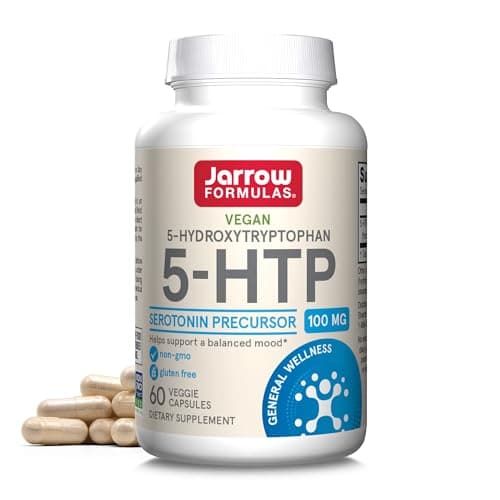
5-HTP supplement
Amino Acid Precursor

5-HTP: Benefits, Dosage, Forms & Research

Amino Acid Precursor

This content is for informational purposes only and does not constitute medical advice. Consult your healthcare provider before starting any supplement. Full disclaimer

TL;DR — Quick Answer

5-HTP is the direct precursor to serotonin (and subsequently melatonin), making it a dual mood-and-sleep supplement. It crosses the blood-brain barrier freely and increases serotonin synthesis. A GABA/5-HTP combination study showed 19 minutes faster sleep onset. Take 50-200mg daily, but avoid combining with SSRIs.

Key Facts

What it is
The direct biosynthetic precursor to serotonin, extracted from Griffonia simplicifolia seeds
Primary benefits
  • Directly increases serotonin synthesis in the brain
  • Subsequently increases melatonin production for sleep
  • GABA/5-HTP combination improved sleep in clinical study
  • May support mood in mild depression
  • Crosses blood-brain barrier without competition
Typical dosage
100-200mg daily
Evidence level
Emerging
Safety profile
Safe with Caution

What the Research Says

5-HTP has a strong biochemical rationale as a serotonin precursor, but clinical trial evidence is limited and older. Poldinger et al. (1991) provided the most significant evidence, comparing 5-HTP to fluvoxamine for depression and finding comparable efficacy. Shell et al. (2010) demonstrated sleep benefits with a GABA/5-HTP combination. Byerley et al. (1987) reviewed early clinical trials and found generally positive results for depression, though study quality was variable. The main concern is safety when combined with serotonergic medications — serotonin syndrome is a potentially life-threatening adverse reaction. For this reason, 5-HTP requires more careful clinical consideration than many other sleep/stress supplements.

Benefits of 5-HTP

  • Serotonin synthesis — 5-HTP is converted directly to serotonin by aromatic L-amino acid decarboxylase, bypassing the rate-limiting tryptophan hydroxylase step, making it a more efficient serotonin precursor than L-tryptophan
  • Sleep improvement — Shell et al. (2010) found a GABA/5-HTP combination significantly reduced sleep latency (by 19.1 min), increased sleep duration (by 64.2 min), and improved sleep quality compared to placebo in a randomized study
  • Melatonin production — serotonin is the direct precursor to melatonin via N-acetyltransferase and HIOMT enzymes in the pineal gland; increasing serotonin availability through 5-HTP may enhance natural melatonin production
  • Mood support — Poldinger et al. (1991) compared 5-HTP (300mg/day) to fluvoxamine (150mg/day) in a double-blind study of 63 depressed patients, finding comparable efficacy with fewer side effects in the 5-HTP group
  • Appetite regulation — serotonin is a key satiety signal; Cangiano et al. (1992) found 5-HTP (900mg/day) reduced caloric intake and promoted weight loss in obese subjects, suggesting potential appetite-regulating benefits
Did you know?

5-HTP has a strong biochemical rationale as a serotonin precursor, but clinical trial evidence is limited and older.

Forms of 5-HTP

FormBioavailabilityBest For
5-HTP Capsules (Griffonia simplicifolia Extract)High (70% oral bioavailability)Mood and sleep support — standard form with well-characterized absorption
Enteric-Coated 5-HTPHighReduced nausea — enteric coating delays release past the stomach, minimizing GI side effects
Time-Release 5-HTPModerate-HighSustained serotonin support — gradual release for more stable serotonin levels throughout the day

Dosage Recommendations

General recommendation: 100-200mg daily, starting with 50mg to assess tolerance

Timing: For sleep: 30-60 minutes before bed. For mood: divided doses with meals to reduce nausea. Start low (50mg) and increase gradually. • Take with food for best absorption.

Dosage by Condition

ConditionRecommended DoseEvidence
Sleep support100-200mg, 30-60 minutes before bedEmerging
Mood support100-300mg daily, divided into 2-3 dosesEmerging
Appetite regulation250-300mg, 30 min before meals (under medical supervision)Emerging

Upper limit: 400mg/day (higher doses increase risk of serotonin-related side effects; medical supervision recommended above 200mg)

Side Effects and Safety

Safety profile: Safe with Caution

Potential Side Effects

  • Nausea is the most common side effect (dose-dependent, often resolves with continued use)
  • Gastrointestinal discomfort, diarrhea
  • Drowsiness (beneficial for sleep use, take evening doses)
  • Headache (uncommon)
  • Risk of serotonin syndrome when combined with serotonergic medications (SERIOUS — see interactions)
  • Historical concern about eosinophilia-myalgia syndrome (linked to contaminated tryptophan, not 5-HTP, in 1989)

Drug & Supplement Interactions

  • SSRIs, SNRIs, MAOIs, and other serotonergic drugs — CONTRAINDICATED due to serotonin syndrome risk (potentially life-threatening)
  • Tramadol and other serotonergic pain medications — serotonin syndrome risk
  • Carbidopa — dramatically increases 5-HTP bioavailability and serotonin production; only combine under medical supervision
  • St. John's Wort — additive serotonergic effects, avoid combination
  • Triptans (sumatriptan) — serotonin syndrome risk
Check 5-HTP interactions with other supplements →
BenefitsDosage GuideSide EffectsTypes & FormsResearchFAQ

Related Conditions

Related Supplements

Frequently Asked Questions

Can I take 5-HTP with antidepressants?

NO — this is a critical safety concern. 5-HTP should never be combined with SSRIs (fluoxetine, sertraline, etc.), SNRIs (venlafaxine, duloxetine), MAOIs, or other serotonergic medications. The combination can cause serotonin syndrome, a potentially life-threatening condition characterized by agitation, confusion, rapid heart rate, high blood pressure, and hyperthermia. If you are taking any antidepressant, consult your physician before using 5-HTP.

Is 5-HTP better than L-tryptophan for serotonin?

5-HTP has pharmacological advantages over L-tryptophan: it crosses the blood-brain barrier without competing with other amino acids, and it bypasses the rate-limiting tryptophan hydroxylase enzyme step. This means 5-HTP more efficiently increases brain serotonin. However, L-tryptophan is converted to multiple products (serotonin, kynurenine, niacin) and may have broader metabolic benefits. 5-HTP is more targeted and potent for serotonin-specific effects.

Why does 5-HTP cause nausea?

About 90% of serotonin receptors are in the gut, and 5-HTP increases serotonin production peripherally as well as centrally. Excess peripheral serotonin stimulates gut serotonin receptors, causing nausea. This can be minimized by starting with low doses (50mg), taking with food, using enteric-coated formulations, or gradually increasing the dose over 1-2 weeks to allow tolerance to develop.

References

  1. (). A randomized, placebo-controlled trial of an amino acid preparation on timing and quality of sleep. American Journal of Therapeutics. DOI
  2. (). A functional-dimensional approach to depression: serotonin deficiency as a target syndrome in a comparison of 5-hydroxytryptophan and fluvoxamine. Psychopathology. DOI
  3. (). 5-Hydroxytryptophan: a review of its antidepressant efficacy and adverse effects. Journal of Clinical Psychopharmacology.
  4. (). Eating behavior and adherence to dietary prescriptions in obese adult subjects treated with 5-hydroxytryptophan. American Journal of Clinical Nutrition. DOI