Supplement ScienceSupplementScience
Depression

Best Supplements for Depression

Prevalence: 21 million US adults (8.4% of population) experience at least one major depressive episode per year

·

This content is for informational purposes only and does not constitute medical advice. Statements about dietary supplements have not been evaluated by the FDA and are not intended to diagnose, treat, cure, or prevent any disease. Individual results may vary — consult your healthcare provider before starting any supplement. Full disclaimer

Omega-3 fatty acids (1-2g EPA-dominant), saffron extract (30mg daily), and vitamin D (2,000-4,000 IU) have the...

Omega-3 fatty acids (1-2g EPA-dominant), saffron extract (30mg daily), and vitamin D (2,000-4,000 IU) have the strongest clinical evidence for supporting mood in mild-to-moderate depression. EPA-dominant omega-3s have the most robust data, with a 2019 meta-analysis showing efficacy comparable to some antidepressants for mild symptoms. Important: supplements should complement — not replace — professional treatment for diagnosed depression.

Get the free evidence-based Depression guide — delivered in 60 seconds.

No spam. Unsubscribe anytime.

Overview

Major depressive disorder affects over 21 million US adults annually and is a leading cause of disability worldwide. While supplements are not a replacement for professional mental-health care or prescribed medications, several natural compounds have demonstrated meaningful antidepressant effects in clinical trials — particularly for mild-to-moderate symptoms. Anyone experiencing persistent depressive symptoms should consult a healthcare provider.
Understanding Depression

Depression is a multifactorial disorder involving neurotransmitter imbalances (serotonin, dopamine, norepinephrine), neuroinflammation, HPA axis dysregulation, impaired neuroplasticity, and often underlying nutritional deficiencies. The monoamine hypothesis (that depression is simply 'low serotonin') has been largely superseded by more nuanced models recognizing the roles of inflammatory cytokines (IL-6, TNF-alpha), brain-derived neurotrophic factor (BDNF) depletion, gut microbiome dysbiosis, and metabolic dysfunction. This broader understanding explains why certain supplements — particularly omega-3 fatty acids (anti-inflammatory), vitamin D (serotonin synthesis), and magnesium (NMDA receptor modulation) — can meaningfully complement conventional treatment. Supplements should never replace professional treatment for moderate-to-severe depression, but they address biochemical substrates that medications alone may not fully correct.

What the Research Shows

EPA-dominant omega-3 supplementation has the strongest evidence as an adjunct to antidepressant therapy. A 2019 meta-analysis by Liao et al. in Translational Psychiatry (26 RCTs) found significant antidepressant effects for omega-3, with EPA at doses ≥1g/day showing the largest effect sizes — comparable to antidepressant monotherapy for mild-to-moderate depression. EPA's mechanism involves reducing neuroinflammatory cytokines and modulating serotonin receptor sensitivity. Vitamin D deficiency is strongly linked to depression — a 2020 meta-analysis by Cheng et al. found that people with vitamin D levels below 20 ng/mL had a 2.3x higher risk of depression. Supplementation trials show significant mood improvements in deficient individuals at 2,000-4,000 IU D3 daily. Magnesium showed remarkable results in a 2017 open-label trial by Tarleton et al.: 248mg elemental magnesium daily improved depression scores significantly within 2 weeks — faster than most antidepressants. The mechanism likely involves NMDA receptor modulation (similar to ketamine's mechanism) and restoration of HPA axis function. Folate and methylfolate enhance antidepressant response — a meta-analysis by Papakostas et al. (2012) found that folate augmentation significantly improved SSRI response rates, particularly in patients with the MTHFR C677T polymorphism.

What to Look For in Supplements

For omega-3, EPA-dominant formulations at 1-2g EPA daily (EPA:DHA ratio ≥2:1). For vitamin D, test 25(OH)D levels and supplement D3 to reach 40-60 ng/mL. For magnesium, glycinate form at 200-400mg elemental daily. For folate, methylfolate (5-MTHF) at 7.5-15mg daily as antidepressant augmentation — the prescription form (Deplin) uses 15mg, but 7.5mg is available OTC and may be sufficient.

What Doesn't Work (And Why)

St. John's wort has evidence for mild depression but dangerous interactions with SSRIs (serotonin syndrome risk), oral contraceptives, anticoagulants, and HIV medications make it unsuitable for most people on any medication. SAMe can trigger manic episodes in bipolar disorder. 5-HTP should not be combined with antidepressants due to serotonin syndrome risk. Inositol has limited evidence at practical doses. 'Happy pills' marketed with proprietary herbal blends are generally ineffective and potentially dangerous due to undisclosed interactions with prescribed antidepressants.

Combination Protocol

Depression supplement support (as adjunct to professional treatment): EPA-dominant omega-3 (1-2g EPA daily with meals), vitamin D3 (2,000-4,000 IU daily — test and adjust to 40-60 ng/mL), magnesium glycinate (200-400mg elemental with dinner). If on an SSRI/SNRI with suboptimal response, discuss methylfolate augmentation (7.5-15mg daily) with your prescribing physician. Critical: do not replace prescribed antidepressants with supplements. These are adjuncts that address biochemical foundations — professional treatment remains essential for moderate-to-severe depression.

When to See a Doctor

Supplements are adjuncts, not treatment for moderate-to-severe depression. Seek urgent care (or call/text 988 in the US; internationally, contact your local crisis line) if you are experiencing thoughts of self-harm or suicide, making plans, or have access to means; if you cannot keep yourself or dependents safe; if new depression follows a head injury, stroke symptoms, or a medication change; or if psychotic symptoms (voices, paranoia) are present. Book a clinician visit for any depression lasting two weeks or more, worsening symptoms, appetite or sleep disruption, or coexisting alcohol or substance use. First-line care is psychotherapy (CBT, IPT) and, when indicated, SSRIs/SNRIs or other prescribed antidepressants. Omega-3 EPA, vitamin D, saffron, and St. Johns Wort have RCT support as adjuncts or for mild cases — but St. Johns Wort has major interactions with SSRIs, birth control, and anticoagulants; always disclose supplement use to your prescriber.

Top Evidence-Based Supplements for Depression

#SupplementTypical DoseEvidence
1Omega-3 Fatty Acids (EPA-dominant)1-2g EPA daily (EPA:DHA ratio ≥ 2:1)Strong
See top omega-3 fatty acids (epa-dominant) picks →
2Saffron Extract30mg standardized extract dailyModerate
See top saffron extract picks →
3Vitamin D2,000-4,000 IU dailyModerate
See top vitamin d picks →

Top Product Picks

As an Amazon Associate, we earn from qualifying purchases. Some links below are affiliate links — this doesn't affect our editorial independence or product ratings. How we evaluate products

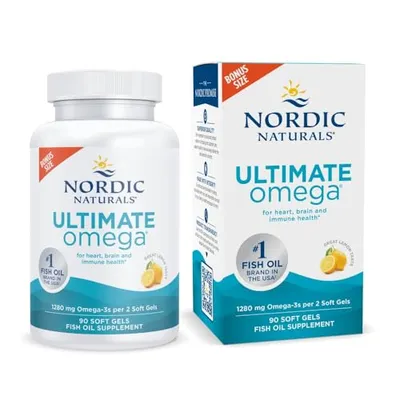
Sports Research Triple Strength Omega-3

Sports Research Triple Strength Omega-3

Sports Research

9.1/10
Heart health / EPA-predominant$0.31/serving
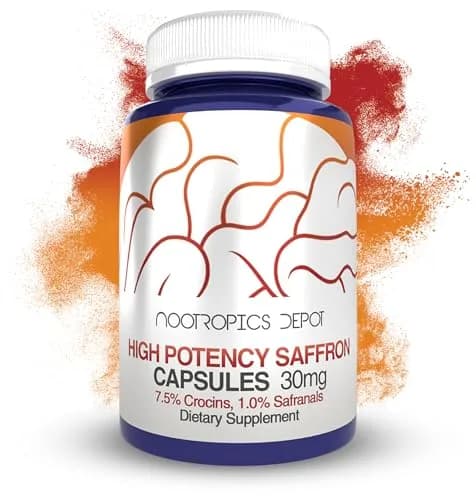
Nootropics Depot affron Saffron Extract

Nootropics Depot affron Saffron Extract

Nootropics Depot

9.2/10
Most clinically validated form for mood support$0.45/serving
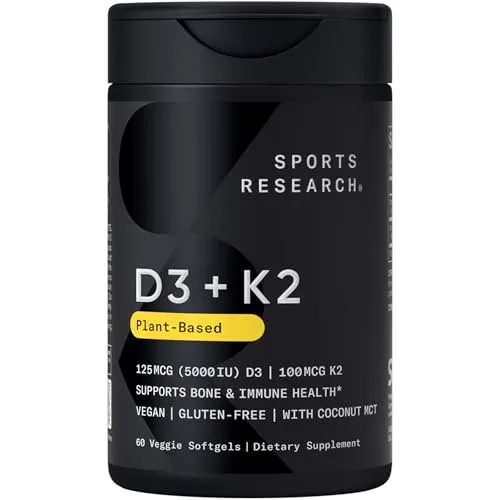
NatureWise Vitamin D3 5000 IU

NatureWise Vitamin D3 5000 IU

NatureWise

9/10
Best value vitamin D3$0.04/serving

Detailed Ingredient Guides

Omega-3
Essential Fatty Acid
Omega-3 fatty acids (EPA + DHA) reduce inflammation, support heart and brain health, and may improve mood. The REDUCE-IT trial showed high-dose EPA (4g/day) reduced cardiovascular events by 25%. Most adults benefit from 1,000-2,000mg combined EPA+DHA daily.
Saffron Extract
Botanical Extract
Saffron extract is one of the most clinically validated natural mood-support supplements, with multiple RCTs showing efficacy comparable to SSRIs for mild-to-moderate depression. The standardized extract affron at 28mg daily improved mood scores by 33% vs placebo. Saffron also shows emerging benefits for sleep quality and PMS symptoms.
Vitamin D3
Fat-Soluble Vitamin
Vitamin D3 is essential for bone health, immune function, and mood regulation. An estimated 42% of U.S. adults are deficient. Most adults benefit from 1,000-4,000 IU daily, and a 2017 meta-analysis found supplementation reduced the risk of acute respiratory infections by 12%.
5-HTP
Amino Acid
5-HTP directly increases serotonin production in the brain. At 100-300 mg/day, it is used for mood support, appetite suppression, and sleep. It has stronger acute serotonin-boosting effects than L-tryptophan but requires more caution with serotonergic medications.
Acetyl-L-Carnitine (ALCAR)
Amino Acid
ALCAR crosses the blood-brain barrier to support brain energy metabolism and acetylcholine production. Clinical evidence supports 1.5-3 g/day for neuropathic pain, cognitive decline in the elderly, and as an adjunct for depression. It is the preferred carnitine form for neurological applications.
L-Tryptophan
Amino Acid
L-Tryptophan is the essential amino acid precursor to serotonin and melatonin. At 1-3 g/day, it supports mood, sleep onset, and emotional well-being. Unlike 5-HTP, it can also feed the kynurenine pathway for immune and niacin support.
Fish Oil
Omega-3 Supplement
Fish oil provides preformed EPA and DHA omega-3s — the gold standard for cardiovascular, brain, and anti-inflammatory support. At 1-3g combined EPA+DHA daily, it reduces triglycerides by 15-30%, lowers inflammation, supports cognitive function, and improves joint pain. High-dose EPA reduces cardiovascular events by 25%.
St. John's Wort
Herbal Extract
St. John's Wort is clinically proven to match SSRIs for mild-to-moderate depression with fewer side effects, working through multi-target neurotransmitter reuptake inhibition. At 900mg daily (standardized to 0.3% hypericin), it effectively treats depression, anxiety, and mood disorders — but has extensive, serious drug interactions that require careful screening.
Athletic Performance & Recovery
4 ingredients · $40–60/month
The evidence-based athletic performance stack is creatine monohydrate (5g/day maintenance), vitamin D3 (2000–4000 IU), omega-3 (2–3g EPA+DHA), and magnesium glycinate (300–400mg post-workout). Creatine is the most studied performance supplement in existence. The other three address the foundational deficiencies that silently cap performance and slow recovery in most athletes.
Cognitive Performance & Focus
4 ingredients · $55–80/month
The most evidence-backed cognitive stack uses lion's mane (500–1000mg extract), bacopa monnieri (300mg standardized to 55% bacosides), omega-3 (2g EPA+DHA daily), and L-theanine (100–200mg with caffeine). Lion's mane and bacopa build long-term neuroplasticity; omega-3 provides structural support; L-theanine+caffeine delivers clean acute focus.
Immune Resilience
4 ingredients · $30–50/month
The most evidence-backed immune resilience stack is vitamin D3 (2000–4000 IU daily), zinc picolinate (15–25mg daily), vitamin C (500–1000mg daily), and elderberry extract (600mg during illness). Vitamin D and zinc address the most prevalent immune-relevant deficiencies. Vitamin C has decades of evidence for reducing illness duration. Elderberry has RCT support specifically for shortening respiratory illness.
Longevity & Healthy Aging
4 ingredients · $60–90/month
The most evidence-backed longevity foundation stack includes CoQ10 as ubiquinol (200–400mg), omega-3 fatty acids (2–3g EPA+DHA), vitamin D3 with K2 (2000–4000 IU D3 + 100–200mcg MK-7), and magnesium glycinate (200–400mg). These address the four most documented aging mechanisms: mitochondrial decline, inflammation, calcium dysregulation, and deficiency-driven accelerated aging.

Related Conditions

Related Research

Learn More

Frequently Asked Questions

Can supplements actually help with depression?

Several supplements have shown real antidepressant effects in clinical trials, particularly for mild-to-moderate symptoms. EPA-dominant omega-3s and saffron extract have the strongest evidence, with effect sizes comparable to first-line antidepressants in some head-to-head trials [1]. However, supplements work best as part of a broader treatment plan that includes therapy, exercise, and — when needed — medication. If you are experiencing suicidal thoughts or severe depression, please seek professional help immediately.

Evidence:Meta-analysis (2019) · 26 RCTs · high confidence[#1]. See full reference list below.

Is it safe to take supplements with antidepressants?

Omega-3s and vitamin D are generally safe alongside most antidepressants. However, some supplements (particularly St. John's Wort and high-dose 5-HTP) can interact dangerously with SSRIs and MAOIs via serotonin syndrome. Always tell your prescribing doctor about any supplements you take. Saffron extract has not shown significant interactions in studies, but caution is still warranted.

How long do supplements take to improve mood?

Most clinical trials show measurable mood improvements within 4-8 weeks of consistent supplementation. Omega-3s and saffron typically show benefits by week 4, while vitamin D may take 8-12 weeks — especially if you are starting from a deficient state. Consistency is key; sporadic dosing is unlikely to produce meaningful results.

What natural supplements help with depression and anxiety?

The most evidence-backed natural supplements for depression and anxiety include omega-3 fatty acids (2g EPA-dominant daily), SAMe (800-1600mg/day), and ashwagandha (600mg KSM-66 daily). Omega-3s have the strongest meta-analytic evidence for depression, while ashwagandha addresses both anxiety and mood. Magnesium glycinate (200-400mg) can help with both conditions, especially if you are deficient.

Continue Reading

References

  1. Meta-analysisLiao Y, Xie B, Zhang H, et al. (2019). Efficacy of omega-3 PUFAs in depression: A meta-analysis. Translational Psychiatry. DOI PubMed
  2. Meta-analysisHausenblas HA, Saha D, Dubyak PJ, Anton SD (2013). Saffron (Crocus sativus L.) and major depressive disorder: a meta-analysis of randomized clinical trials. Journal of Integrative Medicine. DOI PubMed