Supplement ScienceSupplementScience
Fertility

Best Supplements for Fertility

Prevalence: Approximately 12-15% of US couples experience infertility (6.1 million women aged 15-44)

·

This content is for informational purposes only and does not constitute medical advice. Statements about dietary supplements have not been evaluated by the FDA and are not intended to diagnose, treat, cure, or prevent any disease. Individual results may vary — consult your healthcare provider before starting any supplement. Full disclaimer

CoQ10 (200-600mg daily) improves both egg quality and sperm parameters.

CoQ10 (200-600mg daily) improves both egg quality and sperm parameters. Folate (800mcg methylfolate) is essential for preventing neural tube defects and supporting ovulation. Vitamin D and zinc also have strong evidence for both male and female fertility.

Get the free evidence-based Fertility guide — delivered in 60 seconds.

No spam. Unsubscribe anytime.

Overview

Infertility affects approximately 1 in 8 couples in the United States, with both male and female factors contributing equally. Nutritional deficiencies and oxidative stress are modifiable risk factors. Several supplements have demonstrated clinically meaningful improvements in fertility markers including sperm quality, ovulation, and pregnancy rates in randomized controlled trials.

Understanding Fertility

Fertility is influenced by egg quality, sperm quality, ovulatory function, tubal patency, uterine receptivity, and hormonal balance. In women, ovarian reserve (assessed by AMH and antral follicle count) declines with age as oocyte mitochondrial function deteriorates and oxidative damage accumulates — a 35-year-old woman's eggs have approximately twice the chromosomal abnormality rate of a 25-year-old's. In men, sperm quality depends on spermatogenesis — a 74-day process highly sensitive to oxidative stress, heat, toxins, and nutritional status. Oxidative stress is a central factor in both male and female subfertility: reactive oxygen species (ROS) damage sperm DNA, reduce motility, and impair acrosomal function, while in oocytes, oxidative damage disrupts meiotic spindle formation and mitochondrial function. The supplement approach to fertility centers on antioxidant protection, mitochondrial support for egg and sperm quality, and correction of specific nutrient deficiencies that impair reproductive function.

What the Research Shows

CoQ10 supports mitochondrial function in oocytes. Ben-Meir et al. (2015) demonstrated in an animal model that CoQ10 supplementation reversed age-related decline in oocyte quality by improving mitochondrial function. In humans, Xu et al. (2018) found that CoQ10 supplementation (600 mg daily for 2 months before IVF) improved ovarian response and embryo quality in poor responders. Bentov et al. (2014) showed that CoQ10 supplementation reduced the rate of aneuploidy in oocytes of older women undergoing IVF. For male fertility, Safarinejad et al. (2012) randomized 228 infertile men to CoQ10 (200 mg twice daily) or placebo for 26 weeks and found significant improvements in sperm concentration, motility, and morphology. Folate (as methylfolate or folic acid) is essential for DNA synthesis and is the most established fertility supplement. Neural tube defect prevention requires 400–800 mcg daily before and during early pregnancy. For male fertility, a meta-analysis by Wong et al. (2002) found that folate combined with zinc significantly improved sperm count. Antioxidant combinations for male infertility have strong evidence. A Cochrane review by Showell et al. (2014) of 48 RCTs with 4,179 subfertile men found that antioxidant supplementation significantly improved live birth and pregnancy rates compared to placebo or no treatment. Specific antioxidants studied include vitamin C (1,000 mg daily), vitamin E (400 IU daily), selenium (200 mcg daily), zinc (25–50 mg daily), and L-carnitine (2–3 g daily). Vitamin D deficiency is associated with reduced fertility in both sexes. Ozkan et al. (2010) found that vitamin D receptor expression in the endometrium correlates with implantation success, and women with higher vitamin D levels had significantly higher IVF pregnancy rates. DHEA (75 mg daily) has been studied for diminished ovarian reserve — Barad and Gleicher (2006) found improved ovarian response in poor responders, and a meta-analysis by Zhang et al. (2016) confirmed DHEA improved IVF outcomes in women with diminished ovarian reserve.

What to Look For in Supplements

For CoQ10, choose ubiquinol (the reduced, active form) over ubiquinone — ubiquinol has 3–6x better bioavailability. Dose: 200–600 mg daily, taken with a fat-containing meal. Begin at least 2–3 months before conception attempts or IVF, as oocyte maturation takes approximately 3 months. For folate, choose methylfolate (5-MTHF) rather than folic acid if you have MTHFR variants (present in 40–60% of the population), which impair folic acid conversion. Dose: 400–800 mcg daily. For male fertility antioxidants, a comprehensive formula should include zinc (25–30 mg), selenium (200 mcg), vitamin C (500–1,000 mg), vitamin E (400 IU), L-carnitine (2 g), and CoQ10 (200 mg). For DHEA, 25 mg three times daily is the studied dose for diminished ovarian reserve — use only under reproductive endocrinologist supervision, as DHEA affects multiple hormone pathways. Start all fertility supplements at least 3 months before conception attempts to cover the full spermatogenesis and folliculogenesis cycles.

What Doesn't Work (And Why)

Vitex (chasteberry), while useful for PMS-related luteal phase defects, has not demonstrated benefit for IVF outcomes or unexplained infertility in well-designed trials. Maca root is promoted for fertility but evidence is limited to small trials with methodological concerns — it has not improved objective fertility outcomes (pregnancy rates) in controlled studies. Royal jelly, despite persistent fertility marketing, has only animal data and very small, low-quality human trials. Evening primrose oil is sometimes recommended to "improve cervical mucus," but there is no controlled evidence for this claim and it should be discontinued after ovulation due to potential prostaglandin effects on implantation. "Fertility teas" and herbal blends containing red raspberry leaf, nettle, and other traditional herbs have no clinical evidence for improving fertility. Soy isoflavones, sometimes used as a "natural" alternative to clomiphene, have insufficient evidence and should not replace proven ovulation induction medications.

Combination Protocol

For female fertility (start 3 months before conception): CoQ10 as ubiquinol (200–600 mg daily), methylfolate (800 mcg daily), vitamin D3 (2,000–4,000 IU daily, targeting 40–60 ng/mL), and omega-3 (1–2 g EPA+DHA daily). For diminished ovarian reserve, add DHEA (25 mg three times daily) under RE supervision. For male fertility: CoQ10 (200 mg twice daily), zinc (30 mg daily), selenium (200 mcg daily), vitamin C (500 mg twice daily), L-carnitine (2 g daily), and vitamin E (400 IU daily). Both partners should begin supplementation at least 3 months before conception attempts. These protocols are adjuncts to — not replacements for — reproductive medicine evaluation and treatment. Monitor AMH, FSA, and semen analysis as objective response markers. See /stacks/longevity-foundation for overlapping mitochondrial support principles.

Top Evidence-Based Supplements for Fertility

#SupplementTypical DoseEvidence
1CoQ10 (Ubiquinol)200-600mg daily (ubiquinol form preferred)Strong
See top coq10 (ubiquinol) picks →
2Folate (Methylfolate)800mcg-1mg methylfolate dailyStrong
See folate (methylfolate) research →
3Vitamin D2,000-4,000 IU dailyModerate
See top vitamin d picks →
4Zinc25-50mg dailyModerate
See top zinc picks →
5Omega-3 Fatty Acids1-2g EPA+DHA dailyModerate
See top omega-3 fatty acids picks →

Top Product Picks

As an Amazon Associate, we earn from qualifying purchases. Some links below are affiliate links — this doesn't affect our editorial independence or product ratings. How we evaluate products

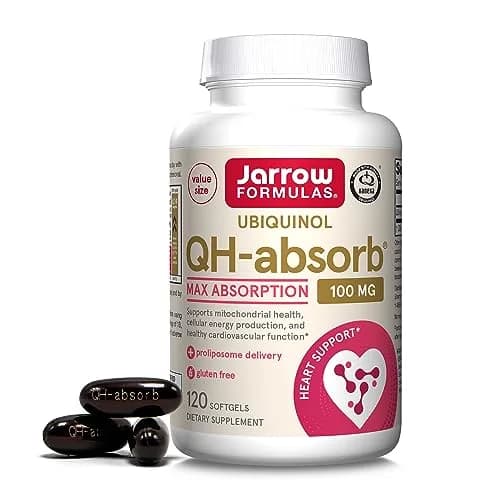
Jarrow Formulas QH-Absorb Ubiquinol 100mg

Jarrow Formulas QH-Absorb Ubiquinol 100mg

Jarrow Formulas

9.3/10
Overall best ubiquinol CoQ10$0.81/serving
NatureWise Vitamin D3 5000 IU

NatureWise Vitamin D3 5000 IU

NatureWise

9/10
Best value vitamin D3$0.04/serving
Sunergetic Elderberry Gummies Vitamin C Zinc

Sunergetic Elderberry Gummies Vitamin C Zinc

Sunergetic

8/10
Daily zinc + antioxidant support for inflammatory acne, particularly for users who prefer gummies to capsules$0.33/serving
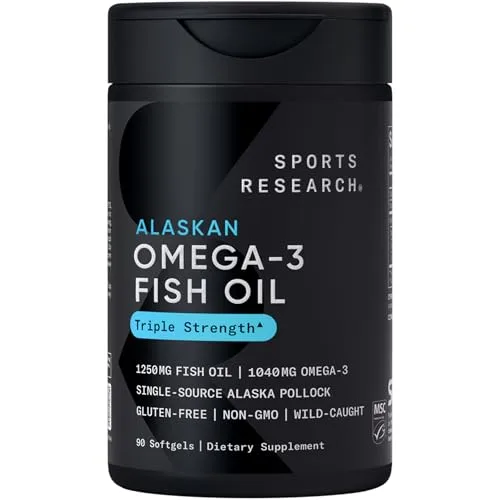
Sports Research Triple Strength Omega-3

Sports Research Triple Strength Omega-3

Sports Research

9.1/10
Heart health / EPA-predominant$0.31/serving

Detailed Ingredient Guides

Coenzyme Q10 (CoQ10)
Coenzyme / Antioxidant
CoQ10 is a mitochondrial coenzyme essential for cellular energy production and a powerful antioxidant. The landmark Q-SYMBIO trial (2014) showed CoQ10 reduced major cardiovascular events by 43% in heart failure patients. Standard dose is 100-300mg daily, with ubiquinol being approximately 2x more bioavailable than ubiquinone.
Vitamin B9 (Folate)
Water-Soluble Vitamin
Folate is essential for DNA synthesis and is critical during pregnancy to prevent neural tube defects. U.S. food fortification reduced NTDs by 28%. Methylfolate (5-MTHF) is the active form and is preferred for the 5-15% of people with MTHFR polymorphisms who cannot efficiently convert folic acid.
Vitamin D3
Fat-Soluble Vitamin
Vitamin D3 is essential for bone health, immune function, and mood regulation. An estimated 42% of U.S. adults are deficient. Most adults benefit from 1,000-4,000 IU daily, and a 2017 meta-analysis found supplementation reduced the risk of acute respiratory infections by 12%.
Zinc
Mineral
Zinc is essential for immune cell development and function, required by over 300 enzymes. A Cochrane review found zinc lozenges reduced cold duration by 33% when started within 24 hours of symptom onset. Daily doses of 15-30mg elemental zinc maintain immune function; zinc lozenges (75mg+/day) are effective for acute colds.
Omega-3
Essential Fatty Acid
Omega-3 fatty acids (EPA + DHA) reduce inflammation, support heart and brain health, and may improve mood. The REDUCE-IT trial showed high-dose EPA (4g/day) reduced cardiovascular events by 25%. Most adults benefit from 1,000-2,000mg combined EPA+DHA daily.
Myo-Inositol
Insulin Sensitizer / Vitamin-Like Compound
Myo-inositol is one of the best-studied supplements for PCOS. At 4g daily (often combined with 400mcg folic acid), it improves insulin sensitivity, reduces androgens, and restores ovulation. Multiple RCTs and a 2017 international consensus support its use. It works by restoring deficient insulin-signaling pathways in PCOS.
Maca Root
Adaptogenic Root
Maca root is a Peruvian adaptogen with moderate evidence for improving sexual desire, fertility, mood, and menopausal symptoms. It works differently from other adaptogens — not primarily through cortisol modulation. Standard dose is 1.5-3g gelatinized maca powder daily.
Mucuna Pruriens
Adaptogenic Legume
Mucuna pruriens is a natural source of L-DOPA (dopamine precursor) with evidence for improving male fertility, mood, and stress resilience. It naturally contains 3-6% L-DOPA. Standard dose is 300-600mg standardized seed extract daily. Professional guidance recommended for those on dopaminergic medications.
Royal Jelly
Bee Product
Royal jelly is a bee-produced substance uniquely rich in 10-HDA, a fatty acid with hormonal, anti-inflammatory, and immune-modulating properties. Emerging clinical evidence supports benefits for menopause symptoms, fertility, and skin health.
Athletic Performance & Recovery
4 ingredients · $40–60/month
The evidence-based athletic performance stack is creatine monohydrate (5g/day maintenance), vitamin D3 (2000–4000 IU), omega-3 (2–3g EPA+DHA), and magnesium glycinate (300–400mg post-workout). Creatine is the most studied performance supplement in existence. The other three address the foundational deficiencies that silently cap performance and slow recovery in most athletes.
Cognitive Performance & Focus
4 ingredients · $55–80/month
The most evidence-backed cognitive stack uses lion's mane (500–1000mg extract), bacopa monnieri (300mg standardized to 55% bacosides), omega-3 (2g EPA+DHA daily), and L-theanine (100–200mg with caffeine). Lion's mane and bacopa build long-term neuroplasticity; omega-3 provides structural support; L-theanine+caffeine delivers clean acute focus.
Immune Resilience
4 ingredients · $30–50/month
The most evidence-backed immune resilience stack is vitamin D3 (2000–4000 IU daily), zinc picolinate (15–25mg daily), vitamin C (500–1000mg daily), and elderberry extract (600mg during illness). Vitamin D and zinc address the most prevalent immune-relevant deficiencies. Vitamin C has decades of evidence for reducing illness duration. Elderberry has RCT support specifically for shortening respiratory illness.
Longevity & Healthy Aging
4 ingredients · $60–90/month
The most evidence-backed longevity foundation stack includes CoQ10 as ubiquinol (200–400mg), omega-3 fatty acids (2–3g EPA+DHA), vitamin D3 with K2 (2000–4000 IU D3 + 100–200mcg MK-7), and magnesium glycinate (200–400mg). These address the four most documented aging mechanisms: mitochondrial decline, inflammation, calcium dysregulation, and deficiency-driven accelerated aging.

Related Conditions

Related Research

Learn More

Frequently Asked Questions

What supplements improve fertility for both men and women?

CoQ10 is uniquely beneficial for both sexes — it improves egg quality (mitochondrial function in oocytes) and sperm parameters (concentration and motility). Vitamin D and zinc also support both male and female fertility. Folate is essential preconception for women to prevent neural tube defects. Men should consider zinc (25-50mg) and CoQ10 (200-400mg) for at least 3 months before conception, as sperm development takes approximately 74 days.

Does CoQ10 improve egg quality?

Yes. CoQ10 levels decline with age, and this decline correlates with reduced oocyte quality. A 2018 study found CoQ10 supplementation (600mg/day) improved ovarian response parameters and embryo quality in women undergoing IVF. CoQ10 supports mitochondrial energy production in eggs, which is critical for proper cell division after fertilization. The ubiquinol form is better absorbed than ubiquinone.

Evidence:Observational (2021) · n=100 · moderate confidence[#1]. See full reference list below.

How long should I take fertility supplements before trying to conceive?

Both partners should ideally begin supplementation 3-6 months before attempting conception. Sperm take approximately 74 days to mature, so male supplements (CoQ10, zinc) need at least 3 months. Women should start folate (800mcg methylfolate) at least 1 month before conception to reduce neural tube defect risk, though 3 months is preferred. Egg quality improvements from CoQ10 also require several months.

Is myo-inositol good for fertility?

Yes, particularly for women with PCOS-related subfertility. A meta-analysis found myo-inositol at 4g daily nearly quintupled ovulation rates in PCOS patients (OR 4.94). It improves insulin sensitivity and hormonal balance, both critical for regular ovulation. Even for non-PCOS women, myo-inositol (2-4g daily) has shown benefits for oocyte quality in IVF protocols.

Continue Reading

References

  1. ObservationalAlahmar AT, Sengupta P, Dutta S, Majzoub A (2021). Coenzyme Q10, oxidative stress markers, and sperm DNA damage in men with idiopathic oligoasthenospermia. Clinical and Experimental Reproductive Medicine. DOI PubMed
  2. Meta-analysisDe-Regil LM, Pena-Rosas JP, Fernandez-Gaxiola AC, Rayco-Solon P (2015). Effects and safety of periconceptional oral folate supplementation for preventing birth defects. Cochrane Database of Systematic Reviews. DOI PubMed
  3. Meta-analysisChu J, Gallos I, Tobias A, et al. (2018). Vitamin D and assisted reproductive treatment outcome: a systematic review and meta-analysis. Human Reproduction. DOI PubMed
  4. Meta-analysisZhao J, Dong X, Hu X, et al. (2016). Zinc levels in seminal plasma and their correlation with male infertility: a systematic review and meta-analysis. Scientific Reports. DOI PubMed