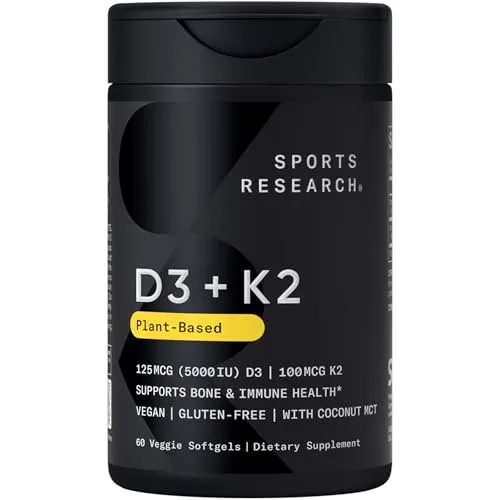
Supplements may support general hair health when nutrient gaps or telogen effluvium are contributors but are not a substitute for medical evaluation, diagnosis, or clinician-directed care for patterned hair loss, scarring alopecia, or hair loss with systemic symptoms. Seek prompt dermatology or urgent care for sudden patchy hair loss with scalp redness, swelling, drainage, pain, scarring, fever, or systemic symptoms (possible infection or autoimmune cause). Book a dermatology or primary-care visit for sudden or widespread shedding lasting more than 2-3 months, patterned thinning at the crown or hairline, scalp itching or scarring, post-pregnancy or post-surgical shedding that does not recover by 6-9 months, or hair loss with fatigue, weight change, cold intolerance, or menstrual irregularity. Evaluation may include thyroid panel, ferritin (low iron stores can drive shedding), vitamin D, B12, and review for stress, restrictive dieting, or medication causes (certain anticonvulsants, retinoids, hormonal contraceptives). Evidence-based care often includes treating any underlying nutrient deficiency, prescribed minoxidil or finasteride for androgenetic hair loss, and addressing endocrine causes; vitamin D, zinc, omega-3, biotin (only with documented deficiency), and saw palmetto have been studied as adjuncts within that framework. Disclose all supplement use to your prescriber if you are pregnant, trying to conceive, breastfeeding, or using hormonal therapy.