Supplement ScienceSupplementScience
Wound Healing

Best Supplements for Wound Healing

Prevalence: 8.2 million Americans have chronic wounds — Medicare data; acute wound care affects millions more annually

·

This content is for informational purposes only and does not constitute medical advice. Statements about dietary supplements have not been evaluated by the FDA and are not intended to diagnose, treat, cure, or prevent any disease. Individual results may vary — consult your healthcare provider before starting any supplement. Full disclaimer

The most evidence-backed supplements for wound healing are vitamin C (250-500mg twice daily, essential for collagen...

The most evidence-backed supplements for wound healing are vitamin C (250-500mg twice daily, essential for collagen synthesis), zinc (15-30mg daily, shown to accelerate wound closure by 43%), and collagen peptides (10-15g daily, which provide amino acid substrates for tissue repair).

Get the free evidence-based Wound Healing guide — delivered in 60 seconds.

No spam. Unsubscribe anytime.

Overview

Wound healing is a complex biological process involving inflammation, proliferation, and tissue remodeling. Nutritional status plays a critical role — deficiencies in vitamin C, zinc, and protein significantly impair healing. Several supplements have demonstrated the ability to accelerate wound closure, improve collagen synthesis, and reduce infection risk in clinical settings.

Understanding Wound Healing

Wound healing proceeds through four overlapping phases: hemostasis (minutes), inflammation (days 1–5), proliferation (days 5–21), and remodeling (weeks to months). Each phase requires specific nutrients as cofactors. Collagen synthesis — the backbone of wound repair — depends on vitamin C as a cofactor for prolyl and lysyl hydroxylase enzymes; without it, collagen fibers cannot cross-link properly, as dramatically demonstrated by scurvy. Zinc is required by over 300 metalloenzymes involved in cell division, immune function, and protein synthesis — all critical during wound repair. Protein provides the amino acids for new tissue construction, and deficiency is the most common nutritional barrier to wound healing in clinical settings. Vitamin A regulates epithelial cell growth and differentiation. Iron carries oxygen to healing tissues. The clinical significance is substantial: surgical patients, pressure ulcer patients, diabetic ulcer patients, and burn patients with nutritional deficiencies heal significantly slower. Supplementation in these contexts has clear evidence, while supplementation in well-nourished individuals with minor wounds has less dramatic — though still supportive — data.

What the Research Shows

Vitamin C is foundational for wound healing, as demonstrated by its absolute requirement in collagen synthesis. Ringsdorf and Cheraskin (1982) showed that vitamin C supplementation (500–1,000 mg daily) accelerated wound healing in surgical patients. A systematic review by Moores (2013) confirmed that vitamin C deficiency impairs all phases of wound repair and that supplementation accelerates healing in deficient individuals. The threshold for impaired wound healing appears to be a serum ascorbic acid level below 0.6 mg/dL. For well-nourished individuals, 200–500 mg daily supports optimal collagen synthesis. At higher doses (1–2 g daily), benefits for wound healing have not been consistently demonstrated in non-deficient populations. Zinc plays a critical role in cellular proliferation, immune defense, and collagen synthesis during wound repair. A meta-analysis by Lansdown et al. (2007) in Wound Repair and Regeneration reviewed the evidence and concluded that zinc supplementation (40–50 mg elemental zinc daily) accelerated wound healing in zinc-deficient patients, including those with venous leg ulcers and pressure ulcers. However, supplementation in zinc-replete individuals did not confer additional benefit. Zinc also has topical applications — zinc oxide in wound dressings promotes re-epithelialization. Protein and amino acid supplementation is critical in malnourished surgical patients. A large meta-analysis by Cereda et al. (2015) in Annals of Internal Medicine found that oral nutritional supplements enriched with arginine, zinc, and antioxidants significantly improved pressure ulcer healing rates compared to standard nutrition. Arginine specifically supports wound healing by serving as a substrate for nitric oxide synthesis (which improves wound perfusion) and as a precursor for proline in collagen synthesis. Typical supplemental doses in trials: 4.5–9 g arginine daily. Vitamin A (10,000–25,000 IU daily for 10 days perioperatively) has been shown to counteract the wound-healing impairment caused by corticosteroids. Ehrlich and Hunt (1968) demonstrated this in a classic study, and subsequent trials in surgical patients have confirmed that short-term vitamin A supplementation improves wound strength in steroid-treated patients.

What to Look For in Supplements

For vitamin C, standard ascorbic acid at 500–1,000 mg daily is adequate — no need for liposomal or specialized forms for wound healing purposes. For zinc, choose zinc picolinate or zinc bisglycinate for superior absorption (bioavailability 2–3x higher than zinc oxide). Dose: 30–50 mg elemental zinc daily during active wound healing, taken with food to reduce nausea. Do not exceed 50 mg daily for more than 2–3 months, as chronic high-dose zinc depletes copper. For arginine, free-form L-arginine at 4.5–9 g daily is used in clinical settings, divided into 3 doses between meals. For vitamin A, standard retinol (preformed vitamin A) at 10,000–25,000 IU daily — use only short-term (10–14 days perioperatively) and avoid in pregnancy. Beta-carotene is not a substitute as conversion is variable and insufficient for wound healing doses. Specialized wound-healing nutrition formulas (like Abbott Juven, containing arginine, glutamine, and HMB) are available by medical recommendation for chronic wounds.

What Doesn't Work (And Why)

Oral collagen supplements are heavily marketed for wound healing, but the claimed mechanism — that ingesting collagen peptides directly supports tissue collagen synthesis — oversimplifies protein metabolism. Dietary collagen is digested into individual amino acids and dipeptides, no different from any other protein source. While some small studies show modest skin-health benefits from collagen peptides, there is no robust evidence that collagen supplements accelerate wound healing more effectively than equivalent protein from any complete source. Aloe vera oral supplements have no evidence for systemic wound healing, despite aloe being useful topically for minor burns. Silica supplements, sometimes marketed for connective tissue repair, lack clinical wound-healing evidence in humans. High-dose vitamin E supplementation may actually impair wound healing — a study by Baumann and Spencer (1999) found that topical vitamin E worsened scarring in 90% of patients. Homeopathic arnica has been studied for surgical healing and consistently shows no benefit beyond placebo.

Combination Protocol

For perioperative or chronic wound support: vitamin C (500–1,000 mg daily), zinc picolinate (30–50 mg elemental daily for up to 8 weeks), and L-arginine (4.5 g daily in divided doses). Add vitamin A (10,000 IU daily for 10–14 days) if on corticosteroids. Ensure total protein intake is at least 1.2–1.5 g/kg/day — supplement with whey protein if dietary intake is insufficient. Begin the protocol 1–2 weeks before elective surgery and continue for 4–6 weeks postoperatively. For diabetic or venous ulcers, this protocol should be guided by a wound care specialist, as glucose control and compression therapy are primary interventions. Reduce zinc to 15 mg daily once the wound has closed to avoid long-term copper depletion. No existing stack page directly applies to wound healing.

Top Evidence-Based Supplements for Wound Healing

#SupplementTypical DoseEvidence
1Vitamin C250-500mg twice dailyStrong
See top vitamin c picks →
2Zinc15-30mg daily (as zinc gluconate or picolinate)Strong
See top zinc picks →
3Collagen Peptides10-15g dailyModerate
See top collagen peptides picks →
4Glutamine10-30g daily in divided dosesModerate
See glutamine research →
5Vitamin A10,000-25,000 IU daily (short-term)Moderate
See top vitamin a picks →

Top Product Picks

As an Amazon Associate, we earn from qualifying purchases. Some links below are affiliate links — this doesn't affect our editorial independence or product ratings. How we evaluate products

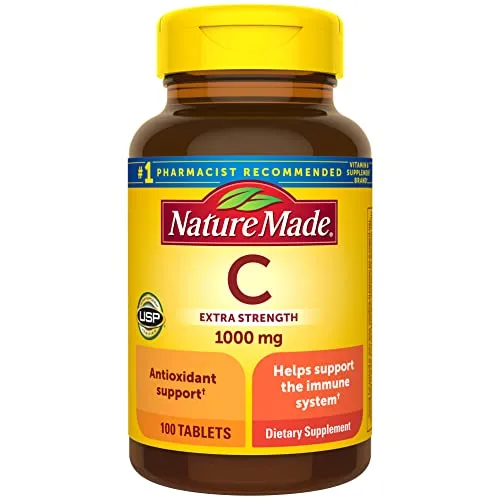
Nature Made Vitamin C 1000mg

Nature Made Vitamin C 1000mg

Nature Made

9/10
Overall best for most people$0.10/serving
Sunergetic Elderberry Gummies Vitamin C Zinc

Sunergetic Elderberry Gummies Vitamin C Zinc

Sunergetic

8/10
Daily zinc + antioxidant support for inflammatory acne, particularly for users who prefer gummies to capsules$0.33/serving
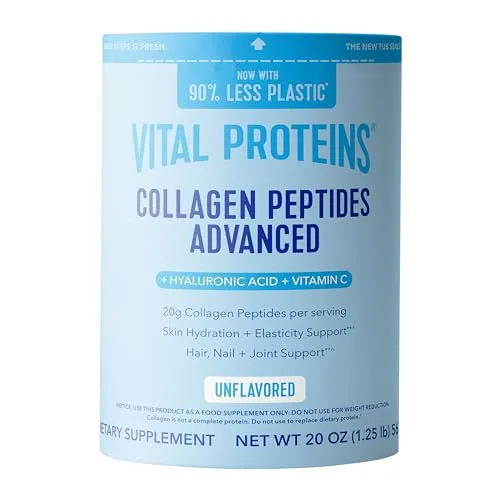
Vital Proteins Collagen Peptides

Vital Proteins Collagen Peptides

Vital Proteins

9.3/10
Overall / Skin and hair$0.93/serving
Nordic Naturals Vitamin A + D3

Nordic Naturals Vitamin A + D3

Nordic Naturals

8.9/10
Best vitamin A + D combination$0.14/serving

Detailed Ingredient Guides

Vitamin C
Vitamin
Vitamin C is essential for immune cell function, accumulating at high concentrations in neutrophils and lymphocytes. Meta-analyses show regular supplementation reduces cold duration by 8% in adults and 14% in children. Doses of 200mg-1g daily maintain optimal immune function; higher doses (1-2g) may help during acute illness.
Zinc
Mineral
Zinc is essential for immune cell development and function, required by over 300 enzymes. A Cochrane review found zinc lozenges reduced cold duration by 33% when started within 24 hours of symptom onset. Daily doses of 15-30mg elemental zinc maintain immune function; zinc lozenges (75mg+/day) are effective for acute colds.
Collagen
Structural Protein
Collagen peptides (hydrolyzed collagen) provide the amino acids glycine, proline, and hydroxyproline needed for connective tissue repair. A 2019 meta-analysis found collagen supplementation significantly improved skin elasticity and reduced joint pain in osteoarthritis. Standard dosing is 5-15g hydrolyzed collagen daily, with type-specific targeting: type I/III for skin, type II for cartilage.
Glutamine
Amino Acid / Recovery
Glutamine is the most abundant amino acid in muscle but its supplementation benefits for athletes are limited. Plasma glutamine drops 10-30% after prolonged intense exercise, potentially compromising immune function. Supplementation at 5-10 g post-exercise may reduce infection rates in endurance athletes (Castell et al., 1996) but does not improve muscle growth or strength in well-fed individuals.
Vitamin A
Fat-Soluble Vitamin
Vitamin A is essential for vision, immune function, and skin health. Preformed retinol (from animal sources) is the most bioavailable form, while beta-carotene from plants must be converted. Most adults need 700-900 mcg RAE daily. Deficiency impairs night vision and immune defense.
Collagen Peptides
Protein
Collagen peptides are well-absorbed protein fragments that stimulate your skin to produce more collagen. A 2019 meta-analysis of 11 RCTs found that oral collagen supplementation significantly improved skin hydration, elasticity, and wrinkle depth compared to placebo, with benefits typically appearing after 4-8 weeks at doses of 2.5-10 g daily.
Hyaluronic Acid
Glycosaminoglycan
Oral hyaluronic acid supplementation at 120-240 mg daily has been shown in multiple RCTs to significantly increase skin moisture content and reduce wrinkle depth. A 2017 meta-analysis found that HA intake improved skin hydration in all included studies, with benefits appearing after 4-6 weeks of consistent use.
Serrapeptase
Proteolytic Enzyme
Serrapeptase at 10-60mg (60,000-120,000 SPU) daily may reduce post-surgical swelling, sinusitis symptoms, and inflammatory pain. It works by degrading fibrin and inflammatory proteins. Evidence is emerging — take on an empty stomach for systemic absorption.
Vitamin C
Vitamin
Vitamin C is essential for collagen synthesis and serves as a primary antioxidant in the skin. Oral supplementation at 500-1,000 mg daily, combined with topical application, has been shown to reduce photoaging, improve skin texture, and support wound healing. A meta-analysis confirmed that higher vitamin C intake is associated with better skin appearance.
Vitamin E
Vitamin
Vitamin E is the skin's primary fat-soluble antioxidant, protecting cell membranes from UV-induced oxidative damage. Supplementation at 400 IU daily, particularly combined with vitamin C, has been shown to reduce sunburn severity and support skin barrier function. Evidence is strongest for photoprotection and antioxidant support.
Zinc
Mineral
Zinc is essential for skin cell turnover, wound healing, and immune defense in the skin. Supplementation at 30-50 mg daily has been shown to reduce inflammatory acne lesions by 33-50% in clinical trials, and zinc-deficient individuals experience dramatic skin improvements with repletion. It is one of the best-studied minerals for dermatological health.

Related Conditions

Related Research

Learn More

Frequently Asked Questions

What vitamins help wounds heal faster?

Vitamin C is the most critical vitamin for wound healing — it is an essential cofactor for collagen synthesis, and deficiency severely impairs all phases of repair. Vitamin A supports epithelial cell growth and immune function at the wound site. Zinc is also crucial, as it is required for cell division and protein synthesis during tissue repair. Most wound care protocols recommend supplementing all three.

Evidence:Review (2009) · moderate confidence[#1]. See full reference list below.

Does collagen supplementation help with wound healing?

Yes. Collagen peptides (10-15g daily) provide the amino acid building blocks (glycine, proline, hydroxyproline) needed for new collagen formation in wound tissue. An RCT found collagen supplementation improved pressure ulcer healing rates, and it is widely used in clinical nutrition protocols for surgical and chronic wound patients.

How much zinc should I take for wound healing?

Clinical studies typically use 15-30mg of elemental zinc daily (as zinc gluconate or picolinate) for wound healing. An RCT in surgical patients found zinc supplementation accelerated healing by 43%. Higher doses may be used short-term under medical supervision, but long-term intake above 40mg/day can cause copper depletion.

Is glutamine good for recovery after surgery?

Yes. Glutamine is the most abundant amino acid in the body and becomes conditionally essential during surgical stress. A meta-analysis of surgical patients found glutamine supplementation (10-30g/day) reduced infectious complications and shortened hospital stays. It supports immune cell function and provides fuel for rapidly dividing cells at the wound site.

Continue Reading

References

  1. ReviewEllinger S, Stehle P (2009). Efficacy of vitamin supplementation in situations with wound healing disorders: results from clinical intervention studies. Current Opinion in Clinical Nutrition and Metabolic Care. DOI PubMed
  2. ReviewLansdown AB, Mirastschijski U, Stubbs N, Scanlon E, Agren MS (2007). Zinc in wound healing: theoretical, experimental, and clinical aspects. Wound Repair and Regeneration. DOI PubMed
  3. Meta-analysisWischmeyer PE, Dhaliwal R, McCall M, et al. (2014). Parenteral glutamine supplementation in critical illness: a systematic review. Critical Care. DOI PubMed