SupplementScience

Sea Moss — Research Profile

Sea Vegetable

Reviewed by·PharmD, BCPS

This content is for informational purposes only and does not constitute medical advice. Consult your healthcare provider before starting any supplement. Full disclaimer

Sea moss is a mineral-rich red algae containing iodine, potassium, and bioactive polysaccharides.

Sea moss is a mineral-rich red algae containing iodine, potassium, and bioactive polysaccharides. It supports thyroid function through iodine content and shows prebiotic potential, but most health claims lack human clinical trial evidence.

Key Facts

What it is
Red algae (Chondrus crispus or Gracilaria species) harvested from Atlantic and Caribbean coastlines, consumed as gel, powder, or capsule
Primary benefits
  • Rich natural source of iodine for thyroid hormone production
  • Contains potassium, calcium, magnesium, zinc, and trace minerals
  • Sulfated polysaccharides show prebiotic and immune-modulating activity in vitro
  • Mucilaginous gel supports digestive lining and may soothe gut inflammation
  • Traditional use for respiratory health and skin conditions
Typical dosage
1-2 tablespoons gel or 1-2g powder daily
Evidence level
Emerging
Safety profile
Safe with Caution

Time to Effect

Hours
Days
Weeks
Months
2-6 weekstypical onset

Thyroid-related effects from iodine may be noticeable within 2-4 weeks. Gut health and skin improvements are typically reported after 4-6 weeks of consistent use. Mineral repletion timelines vary by individual deficiency status.

What the Research Says

Sea moss research is largely preclinical and compositional, with very few human clinical trials directly studying Chondrus crispus or Gracilaria supplementation. The strongest evidence relates to its iodine content — seaweed is a well-established natural iodine source, and iodine's role in thyroid health is thoroughly documented (Teas et al., 2004; Zava & Zava, 2011). Pereira (2011) published comprehensive mineral analyses confirming that red seaweeds contain significant concentrations of essential macro- and trace minerals. The bioactive polysaccharides (carrageenans) have been studied extensively in vitro: Liu et al. (2015) demonstrated prebiotic effects on beneficial gut bacteria, while Leibbrandt et al. (2010) showed carrageenan-derived compounds inhibited influenza virus entry into cells. However, the '92 minerals' marketing claim lacks peer-reviewed verification, and carrageenan itself has generated controversy — degraded carrageenan (poligeenan) causes inflammation in animal models, though food-grade carrageenan appears safe at typical intakes (McKim, 2014). The primary research gap is the near-total absence of randomized controlled trials in humans studying sea moss supplementation for any specific health outcome.

Benefits of Sea Moss

  • Thyroid support — sea moss is one of the richest natural sources of iodine, an essential mineral for thyroid hormone synthesis. Adequate iodine intake is critical for preventing hypothyroidism and goiter, and seaweed-derived iodine is well-absorbed (Teas et al., 2004)
  • Mineral density — analysis of Chondrus crispus confirms significant concentrations of potassium, calcium, magnesium, phosphorus, zinc, iron, and selenium, providing broad-spectrum mineral supplementation from a single whole-food source (Pereira, 2011)
  • Prebiotic and gut health — sulfated polysaccharides (carrageenans) from red algae have demonstrated prebiotic effects by promoting Bifidobacterium and Lactobacillus growth in vitro, supporting gut microbiome diversity (Liu et al., 2015)
  • Immune modulation — carrageenan oligosaccharides from sea moss species have shown immunostimulatory and antiviral activity in cell culture studies, including inhibition of herpes simplex and influenza virus attachment (Leibbrandt et al., 2010)
  • Skin hydration — the mucilaginous polysaccharides in sea moss form a hydrating film when applied topically, and its mineral content (zinc, sulfur, selenium) supports skin barrier function and wound healing
Did you know?

Sea moss research is largely preclinical and compositional, with very few human clinical trials directly studying Chondrus crispus or Gracilaria supplementation.

Forms of Sea Moss

Sea Moss supplement forms compared by bioavailability and best use
FormBioavailabilityBest For
Raw Gel (prepared from dried sea moss)HighWhole-food supplementation — soak and blend dried sea moss into gel for smoothies, soups, or topical use; preserves full polysaccharide and mineral content
PowderModerateConvenience and dosing precision — dried and ground sea moss easily added to beverages or capsules; long shelf life
CapsulesModerateStandardized supplementation — pre-measured doses avoid the taste and texture of gel; most practical for daily use

Dosage Recommendations

General recommendation: 1-2 tablespoons gel (about 4-8g) or 1-2g powder daily

Timing: Can be taken any time of day; commonly added to morning smoothies or meals • Take with food for best absorption.

Dosage by Condition

General mineral supplementation
1-2 tablespoons gel or 1-2g powder dailyEmerging
Thyroid support (iodine)
1 tablespoon gel daily (provides ~50-100mcg iodine)Emerging
Gut health / prebiotic
1-2 tablespoons gel dailyPreliminary
Skin health
1-2g powder daily or topical gel applicationPreliminary

Upper limit: 4 tablespoons gel or 4g powder daily (higher doses risk excessive iodine intake)

Our Top Sea Moss Picks

As an Amazon Associate, we earn from qualifying purchases. Some links below are affiliate links — this doesn't affect our editorial independence or product ratings. How we evaluate products

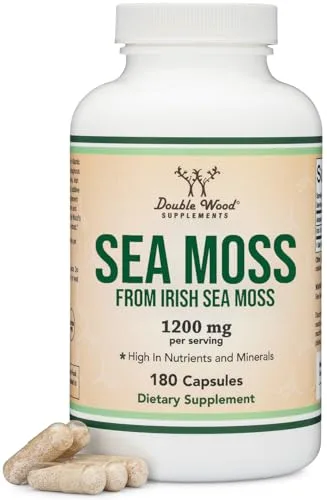
Double Wood Irish Sea Moss Capsules
Double Wood Supplements
OverallForm: CapsulePrice: $0.22/serving
Buy Now on Amazon
NatureBell 3-in-1 Sea Moss Complex 240ct
NatureBell
BudgetForm: CapsulePrice: $0.15/serving
Buy Now on Amazon
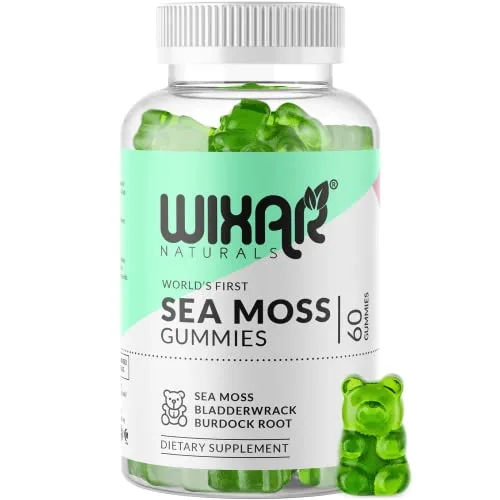
Wixar Naturals Sea Moss Gummies
Wixar Naturals
Best GummyForm: GummyPrice: $0.77/serving
Buy Now on Amazon
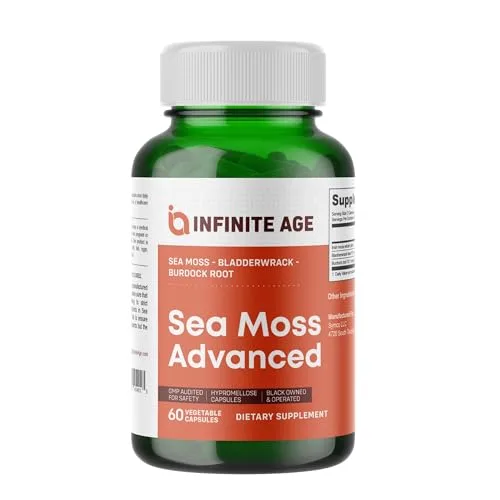
Infinite Age Sea Moss Advanced Superfood Capsules
Infinite Age
Best 3-in-1 BlendForm: CapsulePrice: $1.47/serving
Buy Now on Amazon
TrueSeaMoss Irish Sea Moss Gummies
TrueSeaMoss
Best TastingForm: GummyPrice: $0.67/serving
Buy Now on Amazon

Medication Interactions & Contraindications

Drug Interactions

Levothyroxine
major
Thyroid hormone
Consult endocrinologist before use. Sea moss contains variable and potentially high amounts of iodine that can interfere with thyroid hormone levels and medication dosing. Thyroid function tests may be affected.
Warfarin
moderate
Anticoagulant
Monitor INR. Some seaweed polysaccharides have mild anticoagulant properties that may have additive effects with warfarin. Maintain consistent intake.
Lisinopril
moderate
ACE Inhibitor
Monitor potassium levels. Sea moss is high in potassium; combined with ACE inhibitors, this may increase risk of hyperkalemia, especially in patients with renal impairment.
Lithium
moderate
Mood stabilizer
Monitor thyroid function. High iodine intake from sea moss may affect thyroid function, which can alter lithium metabolism and therapeutic levels.

Who Should NOT Take This

Hyperthyroidism or Graves' disease(absolute)
Sea moss is very high in iodine. Excess iodine in hyperthyroid conditions can worsen thyrotoxicosis, trigger thyroid storm, or interfere with antithyroid medications. Must be avoided.
Hashimoto's thyroiditis(relative)
While iodine is needed for thyroid function, excess iodine can exacerbate autoimmune thyroid inflammation in Hashimoto's patients. Use only under endocrinologist supervision with regular thyroid monitoring.
Chronic kidney disease(relative)
Sea moss is high in potassium, iodine, and other minerals that are poorly cleared by impaired kidneys. Excessive intake may lead to dangerous hyperkalemia or mineral imbalances.
Seaweed or marine product allergy(absolute)
Individuals with known allergies to seaweed, carrageenan, or marine products should avoid sea moss to prevent allergic reactions.

This information is for educational purposes only. Always consult your healthcare provider before starting or stopping any supplement, especially if you take prescription medications.

Side Effects and Safety

Safety profile: Safe with Caution

Potential Side Effects

  • Excessive iodine intake — sea moss iodine content is highly variable; overconsumption can cause thyroid dysfunction including hyperthyroidism or thyroiditis
  • GI discomfort — bloating, gas, or loose stools from carrageenan content, especially at higher doses
  • Heavy metal contamination — seaweeds bioaccumulate heavy metals from their environment; source quality is critical
  • Unpleasant oceanic taste and gelatinous texture may cause nausea in sensitive individuals
  • Allergic reactions — rare but possible in individuals sensitive to seaweed or marine products

Drug & Supplement Interactions

  • Thyroid medications (levothyroxine) — high iodine content may interfere with thyroid hormone dosing and management
  • Anticoagulants (warfarin, heparin) — some seaweed polysaccharides have mild anticoagulant properties; theoretical additive effect
  • Antihypertensives — sea moss is high in potassium; may potentiate blood pressure lowering effects
  • Lithium — iodine-rich foods may affect thyroid function and alter lithium's therapeutic effects
Check Sea Moss interactions with other supplements →
BenefitsDosage GuideSide EffectsTypes & FormsResearchFAQ

Related Conditions

Related Supplements

Frequently Asked Questions

Does sea moss really contain 92 minerals?

This widely repeated claim originates from the observation that seawater contains approximately 92 naturally occurring elements, and seaweeds concentrate minerals from their environment. While mineral analyses of Chondrus crispus confirm it contains a broad spectrum of minerals — including potassium, calcium, magnesium, iodine, iron, zinc, and selenium — the specific '92 minerals' number has not been verified in peer-reviewed research. The mineral profile is genuinely impressive, but the exact count is marketing, not science.

Is sea moss safe for people with thyroid conditions?

It depends on the condition. For hypothyroidism due to iodine deficiency, sea moss may provide beneficial iodine. However, for hyperthyroidism, Graves' disease, or Hashimoto's thyroiditis, the high and variable iodine content can worsen the condition. Anyone on thyroid medication should consult their endocrinologist before using sea moss, as it can interfere with levothyroxine dosing and thyroid function tests.

Is carrageenan from sea moss harmful?

Food-grade carrageenan (the type found in sea moss and used as a food additive) is generally recognized as safe by the FDA. The confusion stems from studies on degraded carrageenan (poligeenan), a chemically different substance that causes intestinal inflammation in animals. Whole sea moss gel contains native carrageenan in its intact polysaccharide form, which has not been shown to cause the same inflammatory effects. However, individuals with sensitive GI tracts may experience bloating or discomfort.

How do I tell if my sea moss is wildcrafted vs. pool-grown?

Wildcrafted sea moss is harvested from the ocean and tends to have a varied appearance with natural color variation (gold, purple, dark red) and an ocean smell. Pool-grown or farmed sea moss is often more uniform in color, may be lighter or more translucent, and can have a less pronounced mineral profile. Neither is inherently unsafe, but wildcrafted is generally preferred for nutrient density. Always source from reputable suppliers who test for heavy metals.

Can sea moss help with weight loss?

Sea moss has not been studied in clinical trials for weight loss. The proposed mechanisms include its iodine content supporting thyroid-driven metabolism and its mucilaginous fiber promoting satiety. While these are plausible, there is no direct evidence that sea moss supplementation causes meaningful weight loss. It may be a useful addition to a nutrient-dense diet but should not be relied upon as a weight loss supplement.

How much iodine is in sea moss?

Iodine content in sea moss varies dramatically depending on species, growing conditions, and preparation method — ranging from approximately 20 to 300 mcg per gram of dried seaweed. A typical 1-tablespoon serving of sea moss gel may provide 50-100 mcg of iodine, close to or exceeding the recommended daily allowance of 150 mcg. This variability makes overconsumption a real risk and is why dosing consistency is important.

Can I take sea moss every day?

Daily use at moderate doses (1-2 tablespoons gel or 1-2g powder) appears safe for most healthy adults. However, because iodine content is highly variable, daily long-term use should be accompanied by periodic thyroid function monitoring, especially if you consume other iodine-rich foods or have a history of thyroid issues. Starting with a lower dose and gradually increasing is advisable.

Is sea moss safe during pregnancy?

While sea moss provides valuable minerals including iodine (important for fetal brain development), the variable iodine content poses a risk of excessive intake, which can affect both maternal and fetal thyroid function. Heavy metal contamination is also a concern with marine-sourced products. Pregnant women should consult their OB-GYN before using sea moss and, if approved, use only tested, standardized products at conservative doses.

Continue Reading

References

  1. Teas J, Pino S, Critchley A, Braverman LE (2004). Variability of iodine content in common commercially available edible seaweeds. Thyroid. DOI PubMed
  2. Pereira L (2011). A review of the nutrient composition of selected edible seaweeds. Seaweed: Ecology, Nutrient Composition and Medicinal Uses (Nova Science Publishers).
  3. Liu J, Kandasamy S, Zhang J, Kirber CW, Kidber JN, Hafting JT, Critchley AT, Prithiviraj B (2015). Prebiotic effects of diet supplemented with the cultivated red seaweed Chondrus crispus or with fructo-oligo-saccharide on host immunity, colonic microbiota and gut microbial metabolites. BMC Complementary and Alternative Medicine. DOI PubMed
  4. Leibbrandt A, Meier C, König-Schuster M, Weinmüllner R, Kalthoff D, Nürnberger B, Lipber M, Mahony TJ, Grassauer A (2010). Iota-carrageenan is a potent inhibitor of influenza A virus infection. PLoS One. DOI PubMed
  5. McKim JM (2014). Food additive carrageenan: Part I: A critical review of carrageenan in vitro studies, potential pitfalls, and implications for human health and safety. Critical Reviews in Toxicology. DOI PubMed
  6. Zava TT, Zava DT (2011). Assessment of Japanese iodine intake based on seaweed consumption in Japan: a literature-based analysis. Thyroid Research. DOI PubMed