
We evaluated 28 sea moss supplements on source species, heavy metal testing, iodine content disclosure, third-party testing, and value per serving. Our recommendations span capsules and gummies, from pure Chondrus crispus to 3-in-1 blends with bladderwrack and burdock root.
Best Sea Moss Supplements (2026)
Product pricing and availability checked
Methodology: Evidence-ranked evaluation
·
2,600+Clinical Studies Cited
·7Sea Moss products evaluated
This content is for informational purposes only and does not constitute medical advice. Statements about dietary supplements have not been evaluated by the FDA and are not intended to diagnose, treat, cure, or prevent any disease. Individual results may vary — consult your healthcare provider before starting any supplement. Full disclaimer
As an Amazon Associate, we earn from qualifying purchases. Some links below are affiliate links — this doesn't affect our editorial independence or product ratings. How we evaluate products
Our Verdict
Choose wildcrafted Irish sea moss (Chondrus crispus) from clean Atlantic waters with third-party heavy-metal testing, as dried fronds, gel, or capsules at 1000-2000mg daily.
Best By Category
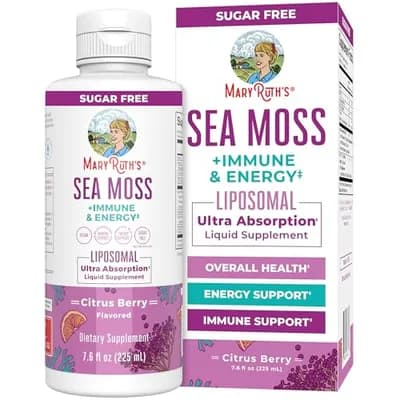
#3Not Recommended
Mary Ruth's MaryRuth Organics Sea Moss + Immune & Energy Liposomal | Irish Sea Moss | Vitamin B12 |The best sea moss is wildcrafted Chondrus crispus (Irish moss) from clean Atlantic waters — St.
The best sea moss is wildcrafted Chondrus crispus (Irish moss) from clean Atlantic waters — St. Lucia, Jamaica, or Ireland — with published heavy-metal and iodine testing. Typical serving is 1000-2000mg of dried or gel form daily; iodine content varies widely, so moderation matters if you have thyroid conditions.
How We Chose These Products
Products are ranked using our published scoring methodology — evidence strength, dose adequacy, ingredient form, third-party testing signals, value, and clean-label factors are weighted across the 5 criteria below. Commercial relationships do not determine our editorial rankings.
Source Species
25%Chondrus crispus (true Irish sea moss) is the traditional species with the strongest mineral profile. Gracilaria is cheaper and more commonly farmed but has a different nutrient composition. Wildcrafted sourcing is preferred over pool-grown.
Heavy Metal Testing
25%Sea moss bioaccumulates heavy metals (lead, arsenic, cadmium, mercury) from ocean water. Products that publish Certificates of Analysis with heavy metal panels score highest. This is non-negotiable for a seaweed supplement.
Iodine Content Disclosure
15%Iodine content in sea moss varies 10-50x between batches. Products that disclose iodine per serving allow users to monitor intake and avoid exceeding the 1,100mcg/day upper limit, which is critical for thyroid safety.
Third-Party Testing
20%Independent lab verification of identity, potency, and contaminants. Especially important for sea moss because species substitution (Gracilaria sold as Chondrus crispus) is common in the supply chain.
Value per Serving
15%Cost per serving adjusted for serving size, count, and blend complexity. A 240-count bottle at $18 delivers better value than a 60-count at $20, even if per-capsule cost seems similar.
#1 Top Pick
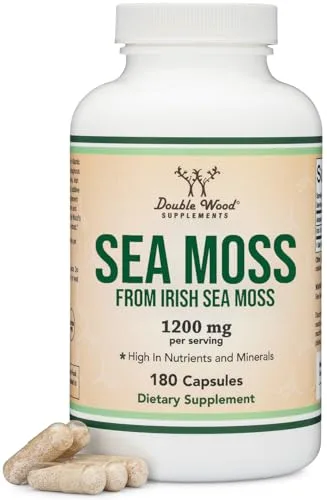
Stand-alone wildcrafted Chondrus crispus with a published Certificate of Analysis and heavy metal testing. Double Wood is one of the few brands that tests and discloses contaminant levels. 180 capsules provide a full 90-day supply at clinical dosing.
IngredientWildcrafted Chondrus crispus (Irish Sea Moss)
Dose1200mg per serving (2 capsules)
FormCapsule
TestingThird-Party Tested
1200mg per serving (2 capsules)Clinical range: 1-2 tablespoons gel or 1-2g powder daily
Therapeutic dose
$0.11 / count$19.95 · 180 Count
Pros
- Wildcrafted Chondrus crispus (true Irish sea moss)
- Published Certificate of Analysis
- Heavy metal tested
Cons
- No bladderwrack or burdock root blend
- Iodine content not disclosed per serving
Non-GMOGluten-free
Quick Comparison
#1Double Wood Irish Sea Moss Capsules
9.2/10
Double Wood Supplements
#1 Top Pick
3,541 Amazon reviews
Best for: Pure sea moss without bladderwrack blend
Wildcrafted Chondrus crispus (Irish Sea Moss) · 1200mg per serving (2 capsules)
Capsule · Third-Party Tested
$19.95
$0.11 / count
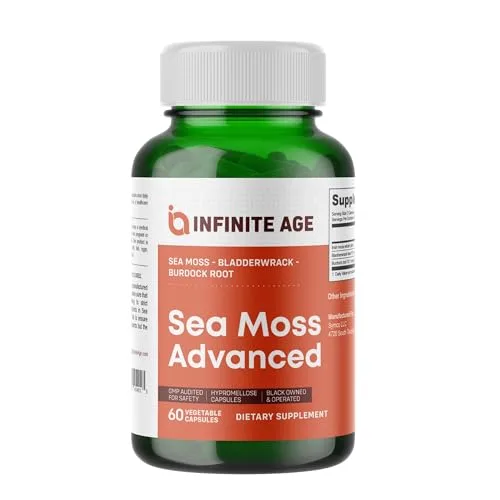
#2Infinite Age Sea Moss Advanced Superfood Capsules
8.6/10
INFINITE AGE
9,280 Amazon reviews
Best for: 3-in-1 sea moss blend (sea moss + bladderwrack + burdock root)
Sea Moss + Bladderwrack + Burdock Root (3-in-1) · 1250mg per serving (2 capsules)
Capsule · Third-Party Tested
$43.00
$0.72 / count
#3Mary Ruth's MaryRuth Organics Sea Moss + Immune & Energy Liposomal | Irish Sea Moss | Vitamin B12 |
8.6/10
MARYRUTH'S
139 Amazon reviews
Best for: Not Recommended
Sea Moss · 1 tbsp
Liquid · USDA Organic, Non-GMO Project Verified
$22.95
$3.02 / fluid ounce
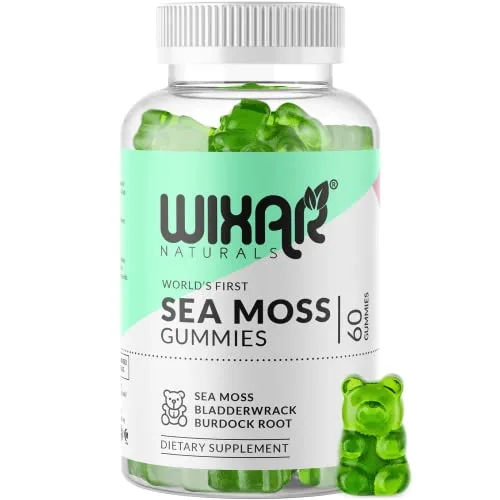
#4Wixar Naturals Sea Moss Gummies
8.4/10
WIXAR NATURALS
5,882 Amazon reviews
Best for: Gummy format with highest sea moss dose
Sea Moss 1600mg + Bladderwrack 1000mg + Burdock Root 240mg · 1600mg sea moss + 1000mg bladderwrack + 240mg burdock root (2 gummies)
Gummy · Third-Party Tested
$22.99
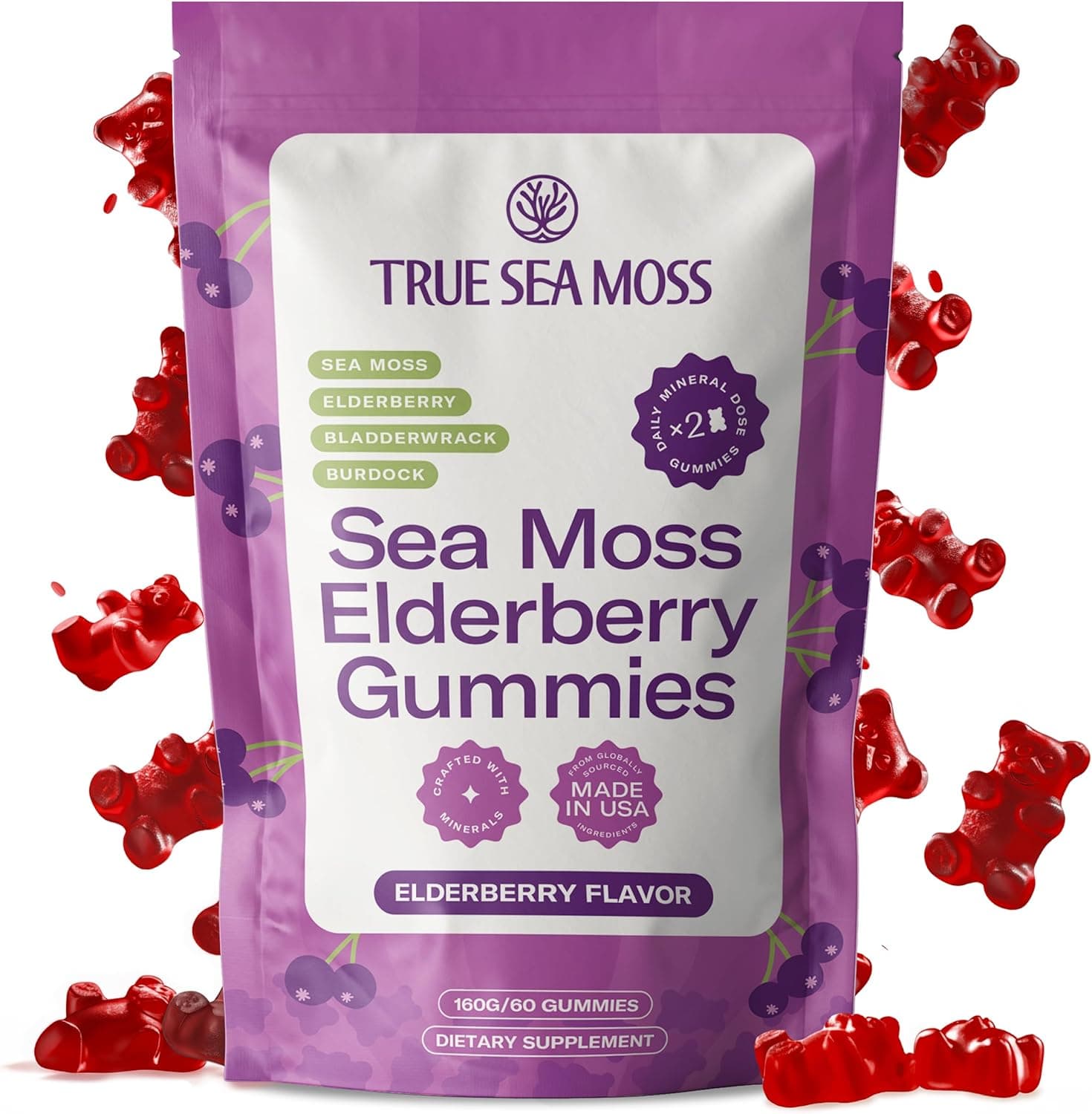
#5TrueSeaMoss Elderberry Sea Moss Gummies — #2 Sea Vegetables
8.4/10
TrueSeaMoss
326 Amazon reviews
Best for: Top-ranked sea moss gummy pick — #2 in Amazon Sea Vegetables with concentrated extract blend and the strongest verified review signal in the TrueSeaMoss lineup
Sea Moss Extract + Elderberry Extract · 60mg Elderberry Extract + 60mg Sea Moss Extract + 20mg Burdock + 20mg Bladderwrack per 2-gummy serving
Gummy · Non-GMO
$27.99
$0.47 / count
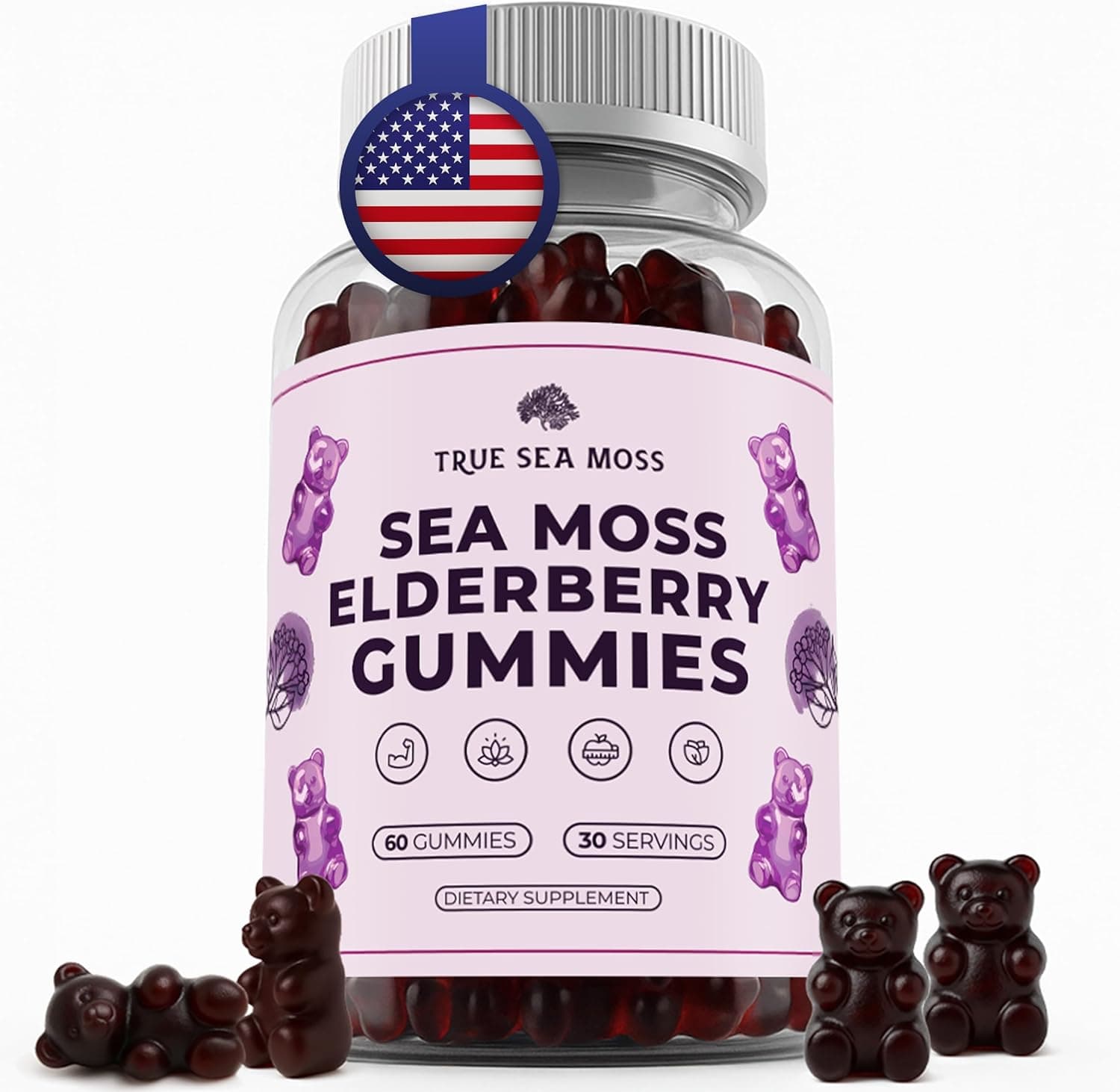
#6TrueSeaMoss Elderberry Sea Moss Gummies (Organic)
8.2/10
TrueSeaMoss
403 Amazon reviews
Best for: Families wanting certified organic sea moss gummies — 1000mg sea moss + 450mg elderberry in a kid-friendly format for ages 4+
Irish Sea Moss + Elderberry · 1000mg Sea Moss + 450mg Elderberry + Burdock Root + Bladderwrack per 2-gummy serving
Gummy · Certified Organic
$22.99
$0.38 / count
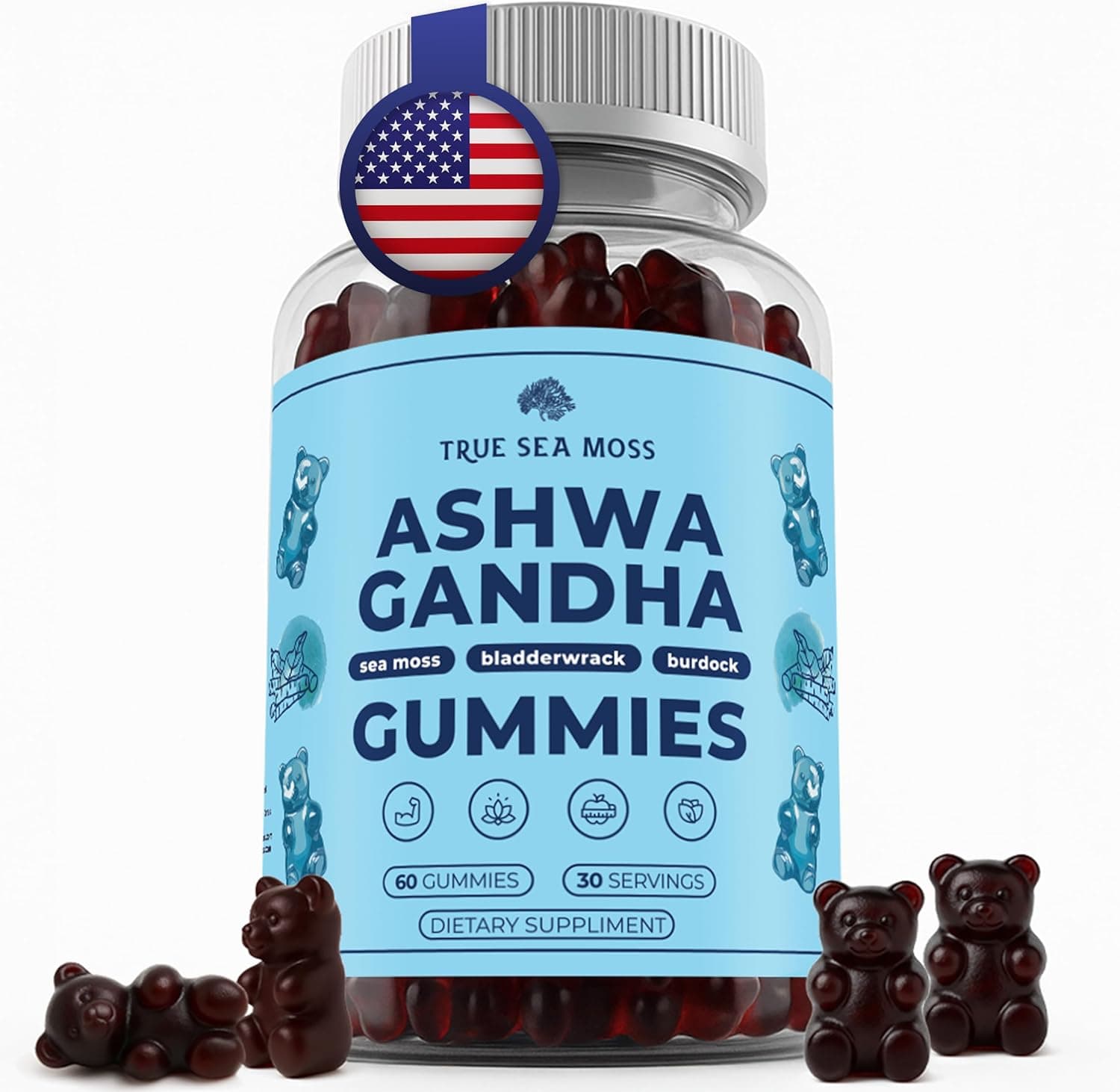
#7TrueSeaMoss Ashwagandha Sea Moss Gummies
7.3/10
TrueSeaMoss
12 Amazon reviews
Best for: Adults wanting a stress-plus-sea-moss combination in gummy format — ashwagandha + sea moss + burdock + bladderwrack in one daily serving
Ashwagandha + Irish Sea Moss · 60mg Ashwagandha Extract + 60mg Sea Moss Extract + 20mg Burdock + 20mg Bladderwrack per 2-gummy serving
Gummy · Not disclosed
$23.99
$0.40 / count
| # | Product | Best For | Ingredient & Dose | Form & Testing | Price | Rating | |
|---|---|---|---|---|---|---|---|
| 1 | Double Wood Irish Sea Moss Capsules #1 Top Pick 3,541 Amazon reviews | Pure sea moss without bladderwrack blend | Wildcrafted Chondrus crispus (Irish Sea Moss) 1200mg per serving (2 capsules) | Capsule 180 Count Third-Party Tested | $19.95 $0.11 / count | 9.2/10 | |
| 2 | Infinite Age Sea Moss Advanced Superfood Capsules 9,280 Amazon reviews | 3-in-1 sea moss blend (sea moss + bladderwrack + burdock root) | Sea Moss + Bladderwrack + Burdock Root (3-in-1) 1250mg per serving (2 capsules) | Capsule 60 Count Third-Party Tested | $43.00 $0.72 / count | 8.6/10 | |
| 3 | Mary Ruth's MaryRuth Organics Sea Moss + Immune & Energy Liposomal | Irish Sea Moss | Vitamin B12 | 139 Amazon reviews | Not Recommended | Sea Moss 1 tbsp | Liquid USDA Organic, Non-GMO Project Verified | $22.95 $3.02 / fluid ounce | 8.6/10 | |
| 4 | Wixar Naturals Sea Moss Gummies 5,882 Amazon reviews | Gummy format with highest sea moss dose | Sea Moss 1600mg + Bladderwrack 1000mg + Burdock Root 240mg 1600mg sea moss + 1000mg bladderwrack + 240mg burdock root (2 gummies) | Gummy 60 Gummies Third-Party Tested | $22.99 | 8.4/10 | |
| 5 | TrueSeaMoss Elderberry Sea Moss Gummies — #2 Sea Vegetables 326 Amazon reviews | Top-ranked sea moss gummy pick — #2 in Amazon Sea Vegetables with concentrated extract blend and the strongest verified review signal in the TrueSeaMoss lineup | Sea Moss Extract + Elderberry Extract 60mg Elderberry Extract + 60mg Sea Moss Extract + 20mg Burdock + 20mg Bladderwrack per 2-gummy serving | Gummy 60 Count Non-GMO | $27.99 $0.47 / count | 8.4/10 | |
| 6 | TrueSeaMoss Elderberry Sea Moss Gummies (Organic) 403 Amazon reviews | Families wanting certified organic sea moss gummies — 1000mg sea moss + 450mg elderberry in a kid-friendly format for ages 4+ | Irish Sea Moss + Elderberry 1000mg Sea Moss + 450mg Elderberry + Burdock Root + Bladderwrack per 2-gummy serving | Gummy 60 Count Certified Organic | $22.99 $0.38 / count | 8.2/10 | |
| 7 | TrueSeaMoss Ashwagandha Sea Moss Gummies 12 Amazon reviews | Adults wanting a stress-plus-sea-moss combination in gummy format — ashwagandha + sea moss + burdock + bladderwrack in one daily serving | Ashwagandha + Irish Sea Moss 60mg Ashwagandha Extract + 60mg Sea Moss Extract + 20mg Burdock + 20mg Bladderwrack per 2-gummy serving | Gummy 60 Count Not disclosed | $23.99 $0.40 / count | 7.3/10 |
Detailed Reviews
#1 Top Pick
Irish Sea Moss Capsules, More Potent Than Sea Moss Gel Extract (180 Count, 1,200mg per Serving) (from Wildcrafted and Raw Chondrus Crispus) Nutrient Rich Superfood High in Minerals by Double Wood
Double Wood Supplements
3,541 Amazon reviews
9.2/10
(3,541)
Non-GMOGluten-free
Stand-alone wildcrafted Chondrus crispus with a published Certificate of Analysis and heavy metal testing. Double Wood is one of the few brands that tests and discloses contaminant levels. 180 capsules provide a full 90-day supply at clinical dosing.
IngredientWildcrafted Chondrus crispus (Irish Sea Moss)
Dose1200mg per serving (2 capsules)
FormCapsule
TestingThird-Party Tested
1200mg per serving (2 capsules)Clinical range: 1-2 tablespoons gel or 1-2g powder daily
Therapeutic dose
$0.11 / count$19.95 · 180 Count
Ideal for: Pure sea moss without bladderwrack blend
Not ideal for: Those wanting a 3-in-1 blend with bladderwrack and burdock root.
Pros
- Wildcrafted Chondrus crispus (true Irish sea moss)
- Published Certificate of Analysis
- Heavy metal tested
- 180 capsules (90 servings)
- Stand-alone formula for controlled dosing
Cons
- No bladderwrack or burdock root blend
- Iodine content not disclosed per serving
- Requires 2 capsules per serving
INFINITE AGE 1250mg Sea Moss Advanced Superfood Capsules, 60 Count - High-Potency, Vegan, Made in The USA - Irish Seamoss, Bladderwrack, Burdock Root - Overall Health, Immunity Support
INFINITE AGE
9,280 Amazon reviews
8.6/10
(9,280)
Non-GMOGluten-freeVegan
The most popular 3-in-1 capsule blend combining sea moss, bladderwrack, and burdock root in a single serving. Third-party tested with a loyal customer base. Bladderwrack adds extra iodine and fucoidans, while burdock root contributes prebiotic inulin for gut health.
IngredientSea Moss + Bladderwrack + Burdock Root (3-in-1)
Dose1250mg per serving (2 capsules)
FormCapsule
TestingThird-Party Tested
1250mg per serving (2 capsules)Clinical range: 1-2 tablespoons gel or 1-2g powder daily
Therapeutic dose
$0.72 / count$43.00 · 60 Count
Ideal for: 3-in-1 sea moss blend (sea moss + bladderwrack + burdock root)
Not ideal for: Budget-conscious buyers or those wanting pure sea moss only.
Pros
- 3-in-1 blend: sea moss + bladderwrack + burdock root
- Third-party tested
- Well-established brand in the sea moss category
- Synergistic formula for thyroid and gut support
Cons
- Highest price per serving ($1.47)
- Only 30 servings per bottle
- Individual ingredient doses not listed
- Proprietary blend obscures ratios
MARYRUTH'S Organics Sea Moss + Immune & Energy Liposomal | Irish Sea Moss | Vitamin B12 | Vitamin E | Elderberry | Rose Hip Oil | Orange Oil | Immune Support Supplement | Vegan | Sugar Free | 7.6 oz
MARYRUTH'S
139 Amazon reviews
8.6/10
(139)
Customer rating of 4.3★ flags quality/efficacy concerns versus higher-rated alternatives on this page.
IngredientSea Moss
Dose1 tbsp
FormLiquid
TestingUSDA Organic, Non-GMO Project Verified
1 tbspClinical range: 1-2 tablespoons gel or 1-2g powder daily
Blend formula
$3.02 / fluid ounce
Ideal for: Not Recommended
Not ideal for: Most users — see customer reviews
Low Amazon rating (4.3★/139 reviews).
WIXAR NATURALS Sea Moss Gummies - Natural Irish Sea Moss and Bladderwrack with Burdock Gummy - 60 Gummies - Vegan - Healthy Immune, Gut & Overall Wellness Support - Herbal Alkaline Supplements
WIXAR NATURALS
5,882 Amazon reviews
8.4/10
(5,882)
VeganNon-GMOGluten-free
Pioneer of the sea moss gummy category with the highest sea moss dose (1600mg) of any gummy we reviewed. Fully vegan formula with transparent individual ingredient doses. Third-party tested and one of the few gummies that discloses exact bladderwrack and burdock root amounts.
IngredientSea Moss 1600mg + Bladderwrack 1000mg + Burdock Root 240mg
Dose1600mg sea moss + 1000mg bladderwrack + 240mg burdock root (2 gummies)
FormGummy
TestingThird-Party Tested
1600mg sea moss + 1000mg bladderwrack + 240mg burdock root (2 gummies)Clinical range: 1-2 tablespoons gel or 1-2g powder daily
Therapeutic dose
$22.99 · 60 Gummies
Ideal for: Gummy format with highest sea moss dose
Not ideal for: Those avoiding added sugars or wanting capsule precision.
Pros
- Highest sea moss dose in a gummy (1600mg)
- Transparent labeling with individual doses listed
- Vegan formula
- Third-party tested
- Pioneer in sea moss gummy category
Cons
- Only 30 servings per bottle
- Contains added sugars typical of gummies
- Higher cost per serving than capsule alternatives
- Potency may degrade faster in gummy matrix
TrueSeaMoss Sea Moss Elderberry Gummies for Adults & Kids - with Burdock Root, Bladderwrack - 60 Gummies
#2 Best Sellerin Sea VegetablesTrueSeaMoss
326 Amazon reviews
8.4/10
(326)
The #2 Amazon Sea Vegetables ranking and 4.6-star rating across 326 reviews make this TrueSeaMoss's most validated product on the platform. Precise per-serving extract doses shown on the Supplement Facts panel provide more dosing transparency than proprietary-blend competitors.
IngredientSea Moss Extract + Elderberry Extract
Dose60mg Elderberry Extract + 60mg Sea Moss Extract + 20mg Burdock + 20mg Bladderwrack per 2-gummy serving
FormGummy
TestingNon-GMO
60mg Elderberry Extract + 60mg Sea Moss Extract + 20mg Burdock + 20mg Bladderwrack per 2-gummy servingClinical range: 1-2 tablespoons gel or 1-2g powder daily
Below clinical dose
$0.47 / count$27.99 · 60 Count
Ideal for: Top-ranked sea moss gummy pick — #2 in Amazon Sea Vegetables with concentrated extract blend and the strongest verified review signal in the TrueSeaMoss lineup
Not ideal for: Shoppers wanting raw whole-plant sea moss quantities rather than standardized extract doses
Pros
- Amazon #2 in Sea Vegetables — highest category ranking in the TrueSeaMoss lineup
- Concentrated extract blend with precise doses on Supplement Facts panel
- 326 reviews at 4.6 stars — strongest per-review rating in the brand
- Non-GMO, replaces messy powders or large capsules for adults and kids 4+
Cons
- Extract concentration ratio not publicly disclosed — can't confirm mg-to-whole-plant equivalence
- Lower absolute mg doses vs the organic SKU (extracts vs whole-plant grams)
- No organic certification on this SKU
TrueSeaMoss Sea Moss Gummies with Elderberry, Burdock Root & Bladderwrack - for Adults & Kids 4+ - Fruity Flavor - 60 Gummies
TrueSeaMoss
403 Amazon reviews
8.2/10
(403)
The certified organic designation plus the 1000mg sea moss + 450mg elderberry combination makes this a strong entry for families who want both immune and thyroid/digestive support in a format kids will actually take. 403 reviews at 4.4 stars reflects solid repeat-purchase satisfaction.
IngredientIrish Sea Moss + Elderberry
Dose1000mg Sea Moss + 450mg Elderberry + Burdock Root + Bladderwrack per 2-gummy serving
FormGummy
TestingCertified Organic
1000mg Sea Moss + 450mg Elderberry + Burdock Root + Bladderwrack per 2-gummy servingClinical range: 1-2 tablespoons gel or 1-2g powder daily
Therapeutic dose
$0.38 / count$22.99 · 60 Count
Ideal for: Families wanting certified organic sea moss gummies — 1000mg sea moss + 450mg elderberry in a kid-friendly format for ages 4+
Not ideal for: Adults seeking high-concentration extract doses rather than whole-food gram-level servings
Pros
- 1000mg whole sea moss + 450mg elderberry — one of the higher gram-level doses in gummy format
- Certified Organic — no synthetic pesticides or artificial sweeteners
- Family-friendly for ages 4+, mild fruity flavor
- 403 reviews at 4.4 stars with thyroid, digestive, and immune support noted
Cons
- Whole-plant sea moss (not standardized extract) — potency per batch may vary
- Lower review count than top-ranked SKU in same brand lineup
- Gummy format adds sugars absent in capsule or powder alternatives
TrueSeaMoss Sea Moss Gummies with Ashwagandha, Burdock Root & Bladderwrack - for Adults & Kids 4+, Fruity Flavor - 60 Gummies
TrueSeaMoss
12 Amazon reviews
7.3/10
(12)
A genuinely novel format pairing sea moss and ashwagandha in a gummy — suitable for adults who want both adaptogens and sea moss minerals in one daily serving without capsules. Best suited for light supplementation or those already taking standalone ashwagandha at therapeutic doses who want sea moss added.
IngredientAshwagandha + Irish Sea Moss
Dose60mg Ashwagandha Extract + 60mg Sea Moss Extract + 20mg Burdock + 20mg Bladderwrack per 2-gummy serving
FormGummy
TestingNot disclosed
60mg Ashwagandha Extract + 60mg Sea Moss Extract + 20mg Burdock + 20mg Bladderwrack per 2-gummy servingClinical range: 1-2 tablespoons gel or 1-2g powder daily
Below clinical dose
$0.40 / count$23.99 · 60 Count
Ideal for: Adults wanting a stress-plus-sea-moss combination in gummy format — ashwagandha + sea moss + burdock + bladderwrack in one daily serving
Not ideal for: Buyers seeking strong third-party testing evidence or a large review base — this is a newer SKU launched March 2025 with 12 reviews
Pros
- Unique ashwagandha + sea moss combination not common in the gummy category
- Precise doses disclosed on Supplement Facts — no proprietary blends
- Fruity flavor with no artificial colors — family-friendly format for ages 4+
- Lower price point ($23.99) vs the elderberry SKUs
Cons
- Only 12 reviews at 4.1 stars — insufficient data for strong recommendation
- 60mg ashwagandha extract is likely subtherapeutic vs clinical 300-600mg KSM-66 doses
- No organic certification or third-party testing disclosed
Pairs Well With
Frequently taken together based on complementary benefits
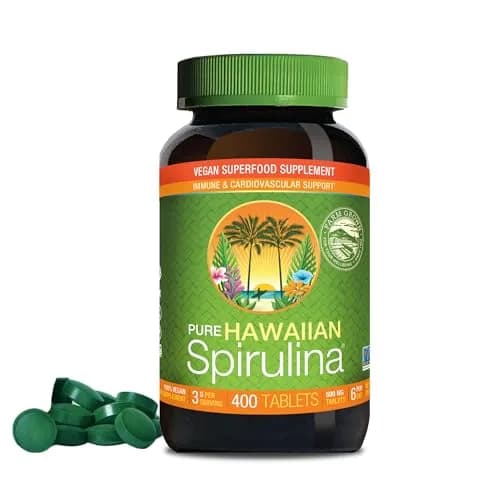
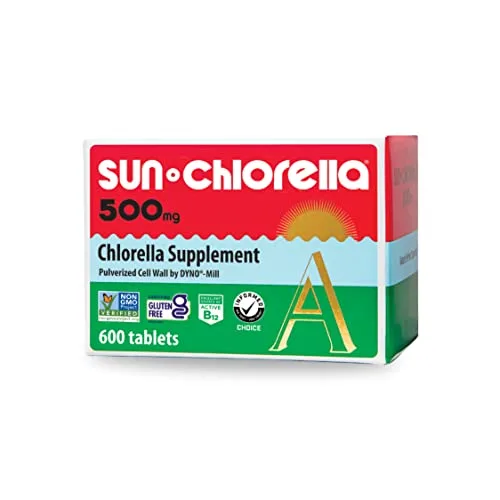
Spirulina
Nutrex Hawaii Pure Hawaiian Spirulina 500mg
3g per serving (6 tablets)
How to Choose
Chondrus crispus vs Gracilaria: Know the Species
True Irish sea moss (Chondrus crispus) grows wild on rocky Atlantic coastlines and contains 92 of the 102 minerals the body needs. Gracilaria is a tropical genus that is pool-farmed, cheaper, and nutritionally different. Many brands sell Gracilaria as 'sea moss' without disclosing the species. Look for products that explicitly name Chondrus crispus on the label or in their sourcing documentation.
Wildcrafted vs Farm-Raised Sourcing
Wildcrafted sea moss is hand-harvested from natural ocean environments, which proponents argue produces a superior mineral profile because the algae absorb minerals directly from seawater. Farm-raised (pool-grown) sea moss is cultivated in controlled environments, often with added salts. While farm-raised is more sustainable and consistent, wildcrafted is generally considered higher quality for supplementation.
Iodine Monitoring for Thyroid Safety
Sea moss is one of the richest natural sources of iodine, but content varies enormously — from 16mcg to over 800mcg per gram depending on species, harvest location, and season. The recommended daily allowance for iodine is 150mcg, and the tolerable upper limit is 1,100mcg. Excess iodine can trigger or worsen both hypothyroidism and hyperthyroidism. If you take thyroid medication, consult your doctor before starting sea moss and consider brands that disclose iodine content per serving.
Capsule vs Gummy vs Gel: Choose Your Format
Capsules offer the most precise dosing and longest shelf stability. Gummies are more palatable but contain added sugars and may have lower bioavailability due to the gummy matrix. Raw sea moss gel (homemade from dried moss) is the traditional format with the broadest nutrient profile but requires preparation and refrigeration. For most people, capsules are the practical choice; gummies are better for those who cannot swallow capsules.
Ready to Buy?
Double Wood Irish Sea Moss Capsules
9.2/10$0.11 / countBest for: Pure sea moss without bladderwrack blend
Choose wildcrafted Irish sea moss (Chondrus crispus) from clean Atlantic waters with third-party heavy-metal testing, as dried fronds, gel, or capsules at 1000-2000mg daily.
Evidence:Observational (2004) · moderate confidence[#1]. See full reference list below.Read Our Full Sea Moss Research Guide
Evidence level, dosage, side effects, and more →
Already taking supplements?
Check how Sea Moss fits with your current stack — interactions, timing, and optimization →
Related Supplements
SpirulinaModerate
Bottom line: Spirulina is a nutrient-dense algae that lowers LDL cholesterol, fights inflammation, and boosts immune function — backed by meta-analyses.
Top picks →Related Conditions
Frequently Asked Questions
What is the difference between sea moss and Irish sea moss?
What is the difference between sea moss and Irish sea moss?
Irish sea moss specifically refers to Chondrus crispus, a red algae species native to the cold Atlantic coasts of Ireland, Britain, and North America. 'Sea moss' is a broader term that often includes Gracilaria, a tropical species that is pool-farmed and nutritionally different. For supplementation, Chondrus crispus is considered the gold standard due to its richer mineral profile and traditional use.
How much sea moss should I take daily?
How much sea moss should I take daily?
Most supplements provide 1,000-2,000mg per serving, which aligns with the traditional dose of 1-2 tablespoons of sea moss gel (roughly 1-2g dried equivalent). Start with the lower end of the dosing range and increase after 1-2 weeks if tolerated well. Monitor for signs of excess iodine intake such as neck swelling, heart palpitations, or unexplained weight changes.
Can sea moss affect my thyroid?
Can sea moss affect my thyroid?
Yes. Sea moss is rich in iodine, which is essential for thyroid hormone production but can be harmful in excess. Both too little and too much iodine can disrupt thyroid function. If you have Hashimoto's thyroiditis, Graves' disease, or take thyroid medication (levothyroxine, methimazole), consult your endocrinologist before taking sea moss. The variable iodine content makes monitoring especially important.
Is sea moss safe to take every day?
Is sea moss safe to take every day?
For most healthy adults, daily sea moss at recommended doses (1-2g) appears safe based on traditional use and emerging research. The primary safety concern is iodine overload — the tolerable upper limit is 1,100mcg/day from all sources. Heavy metal contamination is the other risk, which is why third-party tested products are strongly recommended. Pregnant and nursing women should consult their doctor first.
What are the benefits of adding bladderwrack and burdock root?
What are the benefits of adding bladderwrack and burdock root?
Bladderwrack (Fucus vesiculosus) adds additional iodine and fucoidans — sulfated polysaccharides with anti-inflammatory and anticoagulant properties studied for immune modulation. Burdock root (Arctium lappa) contributes prebiotic inulin for gut health and has been traditionally used for skin support and detoxification. The 3-in-1 combination is rooted in Caribbean and African traditional medicine, though clinical trials on the specific combination are limited.
Are sea moss gummies as effective as capsules?
Are sea moss gummies as effective as capsules?
Gummies can deliver comparable doses of sea moss but have trade-offs: they contain added sugars (2-4g per serving), the gummy matrix may slow nutrient release, and shelf stability is generally shorter than capsules. Some active compounds may degrade during the high-heat gummy manufacturing process. Capsules are preferred for precise dosing and long-term use; gummies are a reasonable alternative for those who dislike swallowing pills.
How do I know if my sea moss is real Chondrus crispus?
How do I know if my sea moss is real Chondrus crispus?
Legitimate Chondrus crispus is dark purple to reddish-brown, has a fan-like branching structure, and is typically harvested from Atlantic waters. Pool-grown Gracilaria is golden-tan with thin, string-like strands. For supplements, look for brands that name the species on the label, disclose the harvest origin (Ireland, Canada, or northeastern US coast), and provide Certificates of Analysis confirming species identity.
Does sea moss really contain 92 minerals?
Does sea moss really contain 92 minerals?
The '92 minerals' claim is widely repeated but originates from a general analysis of seaweed mineral content, not a specific study on sea moss. What is well-established is that Chondrus crispus contains significant amounts of iodine [1], potassium, calcium, magnesium, zinc, iron, and sulfur, along with trace minerals. A 2011 review by Pereira confirmed the broad mineral density of red algae, but the exact count depends on the species, harvest location, and analytical method used.
Evidence:Observational (2004) · moderate confidence[#1]. See full reference list below.Continue Reading
References
- ObservationalTeas J, Pino S, Critchley A, Braverman LE (2004). Variability of iodine content in common commercially available edible seaweeds. Thyroid. DOI PubMed
- Pereira L (2011). A review of the nutrient composition of selected edible seaweeds. Seaweed: Ecology, Nutrient Composition and Medicinal Uses.
- In-vitroLeibbrandt A, Meier C, Konig-Schuster M, Zimmermann E, Pfefferle L, Steindl F, Grassauer A (2010). Iota-carrageenan is a potent inhibitor of influenza A virus infection. PLOS ONE. DOI PubMed
- ReviewCherry P, O'Hara C, Magee PJ, McSorley EM, Allsopp PJ (2019). Risks and benefits of consuming edible seaweeds. Nutrition Reviews. DOI PubMed
- ObservationalZava TT, Zava DT (2011). Assessment of Japanese iodine intake based on seaweed consumption in Japan: A literature-based analysis. Thyroid Research. DOI PubMed
- Bixler HJ, Porse H (2011). A decade of change in the seaweed hydrocolloids industry. Journal of Applied Phycology. DOI
- ReviewJiao G, Yu G, Zhang J, Ewart HS (2011). Chemical structures and bioactivities of sulfated polysaccharides from marine algae. Marine Drugs. DOI PubMed