Supplement ScienceSupplementScience
Thyroid Health

Best Supplements for Thyroid Health

Prevalence: 20 million Americans affected by thyroid disorders; 4-10% of adults have subclinical thyroid dysfunction

·

This content is for informational purposes only and does not constitute medical advice. Statements about dietary supplements have not been evaluated by the FDA and are not intended to diagnose, treat, cure, or prevent any disease. Individual results may vary — consult your healthcare provider before starting any supplement. Full disclaimer

The most important nutrients for thyroid health are iodine (150mcg daily, essential for T3/T4 synthesis), selenium...

The most important nutrients for thyroid health are iodine (150mcg daily, essential for T3/T4 synthesis), selenium (200mcg daily, needed for T4-to-T3 conversion), and zinc (15-30mg daily, supports TSH signaling). Desiccated thyroid glandulars provide thyroid-specific nutritional support but should not replace prescribed thyroid medication. Always consult an endocrinologist for diagnosed thyroid conditions.

Get the free evidence-based Thyroid Health guide — delivered in 60 seconds.

No spam. Unsubscribe anytime.

Overview

The thyroid gland produces hormones (T3 and T4) that regulate metabolism, energy, body temperature, and virtually every organ system. Thyroid disorders affect an estimated 20 million Americans, with up to 60% of those unaware of their condition. Subclinical thyroid dysfunction — where TSH is mildly elevated but free T4 remains normal — is even more common, affecting 4-10% of adults. While clinical thyroid disease requires medical treatment, certain nutritional supplements may support thyroid function in healthy individuals or those with subclinical concerns. IMPORTANT: Thyroid conditions require medical supervision. Supplements are not replacements for prescription thyroid medication.
Understanding Thyroid Health

The thyroid gland produces hormones (T4 and T3) that regulate metabolism, energy production, body temperature, and mood in every cell of the body. Thyroid dysfunction — both hypothyroidism (underactive) and hyperthyroidism (overactive) — affects approximately 20 million Americans, with women 5-8x more likely to be affected than men. The thyroid requires specific nutrients as raw materials: iodine (the literal building block of T4 and T3 molecules), selenium (essential for the deiodinase enzymes that convert T4 to the active T3 form), zinc (required for TSH receptor signaling), and iron (necessary for thyroid peroxidase, the enzyme that synthesizes thyroid hormones). Deficiency in any of these minerals directly impairs thyroid function, and supplementation can restore it — but only when deficiency is the underlying cause.

What the Research Shows

Selenium has the strongest evidence for thyroid support. A 2010 Cochrane review and subsequent meta-analyses found that selenium supplementation (200mcg daily as selenomethionine) significantly reduced thyroid peroxidase antibodies (TPO-Ab) in Hashimoto's thyroiditis by 40-60% over 3-12 months. Selenium is required for the glutathione peroxidase system that protects the thyroid from oxidative damage and for the deiodinase enzymes that convert T4 to active T3. Iodine is the most fundamental thyroid nutrient — each T4 molecule contains four iodine atoms and each T3 contains three. However, iodine supplementation is a double-edged sword: deficiency causes hypothyroidism, but excess iodine (>1,100mcg daily) can trigger autoimmune thyroiditis or worsen Hashimoto's. The WHO recommends 150mcg daily for adults, achievable through iodized salt and sea vegetables. Zinc deficiency impairs TSH synthesis and T3 receptor binding. An RCT by Mahmoodianfard et al. (2015) showed that zinc supplementation (30mg daily) significantly improved T3 and T4 levels in hypothyroid patients over 12 weeks. Iron deficiency impairs thyroid peroxidase activity and is a commonly overlooked cause of persistent hypothyroid symptoms despite adequate levothyroxine therapy.

What to Look For in Supplements

For selenium, selenomethionine at 200mcg daily — do not exceed 400mcg (upper limit). Brazil nuts provide approximately 70-90mcg per nut, making them a food-first option. For iodine, 150-300mcg daily from kelp or potassium iodide — test urinary iodine before supplementing, as excess causes harm. For zinc, picolinate or bisglycinate at 15-30mg daily. For iron, test ferritin and TSH together — supplement iron only if ferritin <50 and always take iron 4 hours away from thyroid medication (levothyroxine).

What Doesn't Work (And Why)

Thyroid glandular supplements (desiccated animal thyroid extracts sold as supplements) are unpredictable in thyroid hormone content, potentially dangerous, and should only be used under medical supervision. Ashwagandha is often marketed for thyroid support but evidence is limited to one small trial with methodological concerns. Bladderwrack (Fucus vesiculosus) has uncontrolled iodine content that makes it risky. Over-the-counter 'thyroid support' complexes often combine excessive iodine with untested herbals in proprietary blends — a formula for harm, not health.

Combination Protocol

The thyroid support protocol begins with testing: TSH, free T4, free T3, TPO antibodies, ferritin, selenium (or glutathione peroxidase), zinc, and urinary iodine. Supplement only documented deficiencies: selenium 200mcg daily (selenomethionine), zinc picolinate 15-30mg daily, and iodine 150mcg daily only if urinary iodine confirms deficiency. If ferritin is below 50, add iron bisglycinate 18-36mg with vitamin C, taken at least 4 hours from any thyroid medication. Critical: never self-treat thyroid conditions with supplements alone — these support thyroid function but do not replace medical management.

Top Evidence-Based Supplements for Thyroid Health

#SupplementTypical DoseEvidence
1Desiccated Bovine Thyroid500-1500mg dailyPreliminary
See top desiccated bovine thyroid picks →
2Zinc15-30mg dailyModerate
See top zinc picks →

Top Product Picks

As an Amazon Associate, we earn from qualifying purchases. Some links below are affiliate links — this doesn't affect our editorial independence or product ratings. How we evaluate products

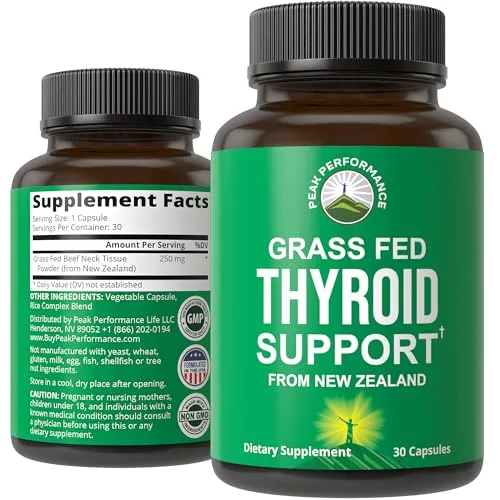
Peak Performance Grass Fed Beef Thyroid

Peak Performance Grass Fed Beef Thyroid

Peak Performance

8.9/10
Premium grass-fed New Zealand sourcing$0.90/serving
Sunergetic Elderberry Gummies Vitamin C Zinc

Sunergetic Elderberry Gummies Vitamin C Zinc

Sunergetic

8/10
Daily zinc + antioxidant support for inflammatory acne, particularly for users who prefer gummies to capsules$0.33/serving

Frequently Asked Questions

Can supplements fix thyroid problems?

Supplements cannot cure or treat diagnosed thyroid conditions like hypothyroidism, hyperthyroidism, or Hashimoto thyroiditis. These conditions require medical treatment, typically with prescription thyroid hormones (levothyroxine) or antithyroid medications. However, nutritional supplements like selenium, iodine, and zinc can support thyroid function in healthy individuals and may be recommended alongside medical treatment by endocrinologists to address specific nutrient deficiencies that affect thyroid health.

What supplements support thyroid function?

The three most important thyroid-supporting nutrients are: (1) Iodine — essential for T3 and T4 hormone synthesis; deficiency directly causes hypothyroidism. (2) Selenium — required by the deiodinase enzymes that convert inactive T4 into active T3; also reduces thyroid peroxidase antibodies in autoimmune thyroiditis. (3) Zinc — supports TSH signaling and thyroid hormone production. Desiccated thyroid glandulars provide these cofactors in their natural matrix. Always test your levels before supplementing, as excess iodine can worsen autoimmune thyroid conditions.

Are thyroid glandular supplements safe?

Properly processed, dehormonalized thyroid glandulars from reputable brands have a good safety profile for healthy individuals. The primary concern is products containing residual thyroid hormones (T3/T4) — a 2013 study found 9 of 10 commercial thyroid supplements contained detectable hormone levels. Choose brands that explicitly certify hormone removal and undergo third-party testing. Anyone with a diagnosed thyroid condition should consult their endocrinologist before using any thyroid supplement.

Evidence:Observational (2013) · n=10 · moderate confidence[#2]. See full reference list below.

Continue Reading

References

  1. ObservationalKang GY, Parks JR, Fileta B, et al. (2013). Thyroxine and Triiodothyronine Content in Commercially Available Thyroid Health Supplements. Thyroid. DOI PubMed
  2. ReviewZimmermann MB, Boelaert K (2015). Iodine deficiency and thyroid disorders. The Lancet Diabetes & Endocrinology. DOI PubMed