
What the Research Says
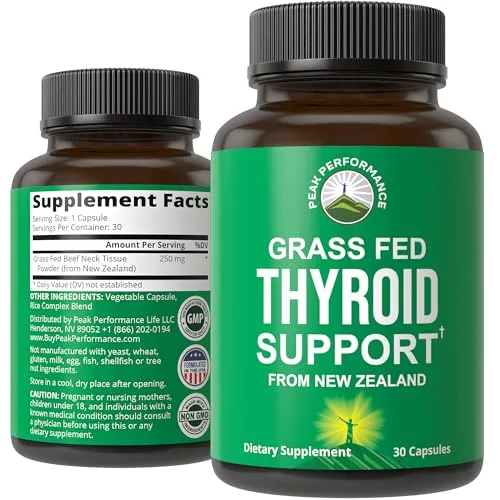
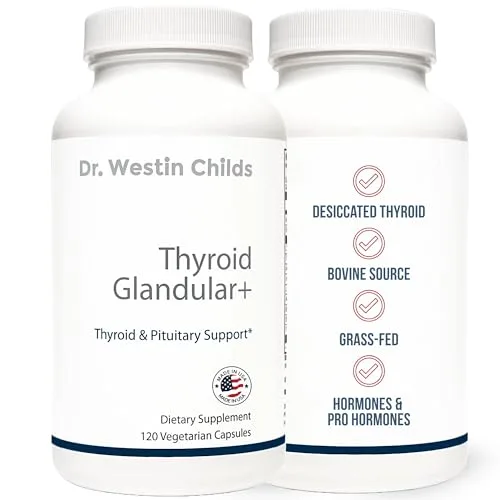
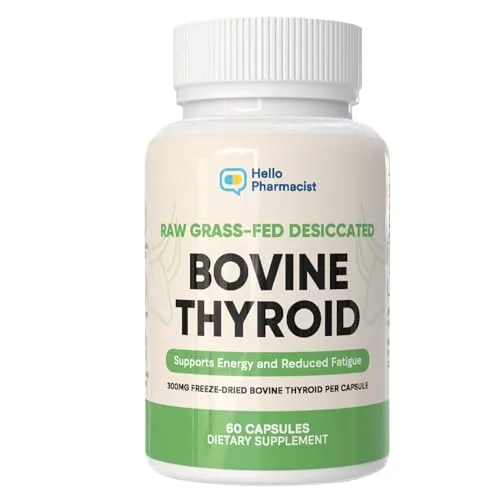
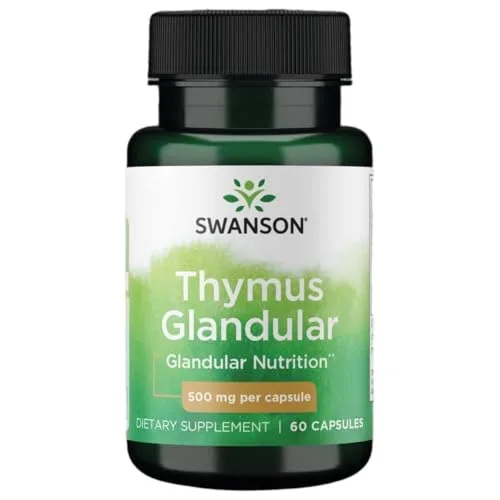
Desiccated Thyroid is a supplement derived from bovine thyroid glandular tissue, often used to support thyroid function. Clinical evidence for its efficacy is limited due to sparse peer-reviewed research on whole bovine thyroid glandular supplements. However, the broader understanding of organ-specific nutrition and cofactors like iodine, selenium, and zinc provides some foundation for its use.
Selenium supplementation has strong independent evidence for supporting thyroid function. A 2017 study by Ventura et al. found that selenium supplementation reduced thyroid peroxidase antibodies in autoimmune thyroiditis (Ventura et al., 2017). Iodine is essential for thyroid hormone synthesis, with the WHO recommending 150mcg daily for adults (Zimmermann & Boelaert, 2015).
A 2013 analysis by Kang et al. tested 10 commercially available thyroid supplements and found that 9 of 10 contained detectable T3 and/or T4, highlighting the importance of choosing products from brands that explicitly certify hormone removal (Kang et al., 2013). This is a supplement category where brand reputation and manufacturing transparency are critical.
Recent systematic reviews have evaluated the effectiveness of desiccated thyroid extract compared to other treatments for hypothyroidism. A 2024 meta-analysis by Nassar et al. found that combined T4+T3 therapy and desiccated thyroid extract improve T3 levels but not quality of life or lipid profiles in hypothyroidism compared to T4 alone (Nassar et al., 2024). Another systematic review by Riis et al. found no significant difference in quality of life or symptom scores between desiccated thyroid extract and other treatments for hypothyroidism, but evidence was limited by study design flaws (Riis et al., 2024).
Overall, while there is some evidence supporting the use of desiccated thyroid extract in certain contexts, more high-quality research is needed to fully understand its benefits and risks.