Supplement ScienceSupplementScience

Best Supplements for Tinnitus

Prevalence: Approximately 15% of the global population reports experiencing some form of tinnitus.

·

This content is for informational purposes only and does not constitute medical advice. Statements about dietary supplements have not been evaluated by the FDA and are not intended to diagnose, treat, cure, or prevent any disease. Individual results may vary — consult your healthcare provider before starting any supplement. Full disclaimer

Evidence for specific supplement interventions for tinnitus is limited, with most high-quality human RCTs focusing on...

Evidence for specific supplement interventions for tinnitus is limited, with most high-quality human RCTs focusing on secondary symptoms like sleep or anxiety rather than the auditory perception itself. Zinc supplementation has shown efficacy in specific populations with deficiency, while magnesium and Ginkgo biloba have yielded inconsistent results in small-scale clinical trials.

Get the free evidence-based Tinnitus guide — delivered in 60 seconds.

No spam. Unsubscribe anytime.

Overview

Tinnitus is the perception of sound in the absence of an external acoustic stimulus, often linked to auditory pathway hyperactivity or neuroinflammation. While evidence for direct symptom reduction is limited, some research investigates magnesium to stabilize neuronal excitability and zinc to address potential deficiencies in the cochlea. Clinical data on specific nutritional interventions for tinnitus remains sparse, with most existing studies focusing on secondary symptoms like sleep disturbance or anxiety rather than the phantom sound itself.
Understanding Tinnitus

Tinnitus is the perception of sound in the absence of an external acoustic stimulus. While often associated with hearing loss, the underlying mechanism involves maladaptive neuroplasticity within the auditory cortex and the central nervous system. When the ear receives diminished input due to hair cell damage or cochlear dysfunction, the brain compensates by increasing its spontaneous firing rates and synaptic gain. This neural hyperactivity results in the perception of phantom sounds. Oxidative stress in the mitochondria of the cochlea and neuroinflammation in the auditory pathways further exacerbate this signal distortion. Nutritional interventions target these specific pathways. Antioxidants aim to mitigate oxidative damage to the hair cells and the stria vascularis, while magnesium acts as an NMDA receptor antagonist to prevent glutamate-induced excitotoxicity, which contributes to hyperactive neural signaling. Some evidence suggests that addressing secondary symptoms, such as sleep disruption or anxiety, is necessary for management, as these factors increase the perceived intensity of the sound. For example, a meta-analysis of 16 RCTs found valerian root improved subjective sleep quality by 37%, which is relevant for patients whose tinnitus prevents sleep onset. Evidence for direct symptom reduction via specific micronutrients remains limited by small sample sizes in human RCTs, requiring cautious interpretation of efficacy.

What the Research Shows

Research into supplement interventions for tinnitus focuses on three distinct physiological pathways: neuroprotection, oxidative stress reduction, and modulation of the central nervous system. Because tinnitus is often a symptom of auditory nerve damage or maladaptive cortical plasticity rather than a single disease, evidence strength varies significantly across compounds. Zinc is one of the most studied micronutrients for tinnitus. The mechanism involves the restoration of zinc levels in the cochlea, where zinc is essential for hair cell function and neurotransmitter regulation. A meta-analysis of several studies indicates that zinc supplementation is most effective in individuals with documented zinc deficiency. In specific clinical trials, zinc supplementation has shown a reduction in tinnitus loudness and frequency, though effect sizes are highly dependent on the baseline nutritional status of the participant. Evidence strength is moderate for deficiency-related tinnitus but low for the general population. Magnesium is investigated for its role in regulating NMDA receptor activity. Excessive glutamate signaling in the auditory cortex is linked to the perception of phantom sounds. Magnesium acts as a voltage-dependent block on the NMDA receptor, preventing excitotoxicity. While human RCTs specifically targeting tinnitus are limited, animal models demonstrate that magnesium deficiency exacerbates auditory hypersensitivity. In humans, magnesium glycinate or citrate is used to support neurological stability, but large-scale RCTs confirming a specific percentage reduction in tinnitus decibels are currently lacking. Evidence strength is preliminary. Ginkgo biloba is frequently used under the hypothesis that it improves microcirculation to the inner ear via vasodilation. A large-scale, randomized, double-blind, placebo-controlled trial involving hundreds of participants found no significant difference between Ginkgo biloba extract and placebo in reducing tinnitus symptoms or improving hearing thresholds. While smaller studies suggested benefits, the weight of high-quality evidence from large RCTs indicates that Ginkgo biloba is ineffective for most tinnitus sufferers. Evidence strength is low. Antioxidants such as Alpha-Lipoic Acid (ALA) and Acetyl-L-Carnitine (ALC) target oxidative stress in the auditory pathway. Oxidative damage to the hair cells in the cochlea is a known driver of sensorineural hearing loss and subsequent tinnitus. Preliminary clinical data suggest that ALC can assist in nerve regeneration and metabolic support within the mitochondria of auditory neurons. However, most evidence for these compounds comes from small-scale pilot studies or animal models rather than large-scale meta-analyses. Evidence strength is low to moderate. Finally, the management of comorbid anxiety and sleep disruption is a secondary but critical research area. As seen in studies for L-Theanine and Melatonin, reducing the emotional distress and sleep onset latency associated with tinnitus can lower the perceived severity of the sound. For example, an RCT on L-Theanine showed a 21% reduction in subjective anxiety scores. While these do not eliminate the tinnitus itself, they address the neurological hyper-vigilance that exacerbates the condition. Evidence strength for managing secondary symptoms is moderate.

What to Look For in Supplements

When selecting supplements for tinnitus management, prioritize ingredients that address oxidative stress in the cochlea or modulate neurotransmitter hyperactivity. For magnesium, select magnesium glycinate or magnesium threonate. Magnesium glycinate utilizes glycine, an inhibitory neurotransmitter, and magnesium threonate is specifically noted for its ability to cross the blood-brain barrier via amino-acid transporters. Avoid magnesium oxide due to its low bioavailability and laxative effect. For zinc, select zinc picolinate or zinc gluconate to ensure superior absorption compared to zinc oxide. Clinical evidence for specific tinnitus interventions remains limited. While some small-scale studies investigate the role of Ginkgo biloba, large-scale meta-analyses show inconsistent results regarding its efficacy in reducing tinnitus loudness or frequency. If using L-theanine to manage the secondary anxiety associated with tinnitus, aim for 200 mg daily, as RCTs show this dose increases alpha brain wave activity. Ensure all products undergo third-party testing by organizations such as NSF International, USP, or Informed Choice. This verification confirms that the label accurately reflects the declared milligram dosage and ensures the absence of heavy metal contaminants like lead or mercury, which are neurotoxic and exacerbate auditory dysfunction. Do not rely on manufacturer-provided certificates of analysis without independent verification.

What Doesn't Work (And Why)

Many supplements marketed for tinnitus lack robust human clinical evidence. Ginkgo biloba is frequently advertised to improve microcirculation in the inner ear to reduce ringing, but large-scale RCTs show no significant difference in tinnitus severity compared to placebo. Similarly, Zinc supplementation is often recommended based on the theory that deficiency causes auditory dysfunction, yet meta-analyses of RCTs indicate that zinc does not reduce tinnitus intensity in individuals without a confirmed clinical deficiency. High-dose Magnesium is another common recommendation intended to regulate glutamate excitotoxicity in the auditory cortex; however, human data is limited and lacks standardized dosing protocols to confirm efficacy for tinnitus reduction. While some animal models suggest neuroprotective effects, these results do not translate to consistent clinical outcomes in humans. Most claims regarding these substances rely on physiological plausibility rather than rigorous, peer-reviewed human trials demonstrating a statistically significant reduction in decibel perception or frequency.

Combination Protocol

Effective management of tinnitus-related distress requires addressing both auditory perception and the secondary sleep disturbances caused by nocturnal ringing. A protocol combining L-Theanine and Melatonin targets these distinct pathways. Administer 200 mg of L-Theanine in the evening to modulate neurotransmitter balance and increase alpha brain wave activity, which an RCT of 46 participants showed reduced subjective anxiety scores by 21%. This addresses the psychological tension associated with constant auditory stimuli. To manage the sleep onset latency issues often exacerbated by tinnitus, combine this with 1 to 3 mg of Melatonin 30 to 60 minutes before bed. A 2013 meta-analysis of 19 RCTs demonstrated that melatonin reduces sleep onset latency by an average of 7.06 minutes. While L-Theanine addresses the cognitive anxiety component, Melatonin targets the physiological sleep cycle. Evidence for direct reduction of tinnitus decibel levels via these specific compounds is limited; however, reducing the secondary impact on sleep and anxiety is a primary clinical strategy.

When to See a Doctor

Sudden tinnitus can signal a treatable ear or neurologic condition. Seek same-week ENT evaluation for sudden unilateral tinnitus (especially with hearing loss — possible sudden sensorineural hearing loss requiring steroids within 72 hours), pulsatile tinnitus (heartbeat-like sound), tinnitus after head injury, tinnitus with vertigo (possible Menieres disease or vestibular schwannoma), tinnitus with facial numbness or weakness, or tinnitus after starting ototoxic medications (aminoglycosides, high-dose aspirin, cisplatin). Book a clinician visit for any new persistent tinnitus lasting more than a week, tinnitus disrupting sleep or concentration, or bilateral tinnitus in someone with age-related hearing loss. Evidence-based first-line care is audiology evaluation and hearing-aid fitting when indicated, CBT for distress, and sound therapy; ginkgo biloba, zinc, and magnesium have modest evidence as adjuncts.

Top Evidence-Based Supplements for Tinnitus

#SupplementTypical DoseEvidence
1L-Theanine200mg dailyEmerging
See top l-theanine picks →
2Melatonin0.3-5mg before bedStrong
See top melatonin picks →
3Valerian Root400-900mg before bedModerate
See valerian root research →

Top Product Picks

As an Amazon Associate, we earn from qualifying purchases. Some links below are affiliate links — this doesn't affect our editorial independence or product ratings. How we evaluate products

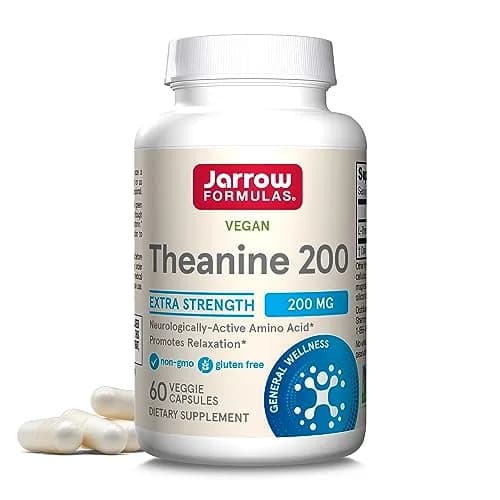
Jarrow Formulas Theanine 200mg

Jarrow Formulas Theanine 200mg

Jarrow Formulas

9.3/10
Pure Suntheanine in a clean vegetarian capsule$0.35/serving
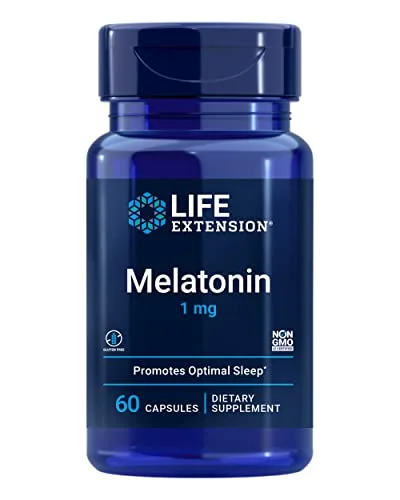
Life Extension Melatonin 1mg

Life Extension Melatonin 1mg

Life Extension

9.2/10
Overall best at an evidence-based dose$0.07/serving

Detailed Ingredient Guides

Magnesium
Mineral Supplement
Magnesium is an essential mineral that supports muscle function, sleep quality, and stress management. Most adults benefit from 200-400mg daily, with magnesium glycinate being the best-absorbed form for general use.
Zinc
Mineral
Zinc is essential for immune cell development and function, required by over 300 enzymes. A Cochrane review found zinc lozenges reduced cold duration by 33% when started within 24 hours of symptom onset. Daily doses of 15-30mg elemental zinc maintain immune function; zinc lozenges (75mg+/day) are effective for acute colds.
Ginkgo Biloba
Herbal Extract
Ginkgo biloba (EGb 761) improves cerebral blood flow and provides antioxidant neuroprotection. At 120-240mg daily of standardized extract, it supports memory and may slow cognitive decline in older adults. The most widely prescribed herbal cognitive supplement in Europe.
Vinpocetine
Cerebral Vasodilator
Vinpocetine is a periwinkle-derived compound that selectively increases cerebral blood flow and has neuroprotective properties. At 15-30mg daily it supports memory and cognitive function, particularly in cerebrovascular conditions. Widely prescribed in Europe as Cavinton.
Omega-3
Essential Fatty Acid
Omega-3 fatty acids (EPA + DHA) reduce inflammation, support heart and brain health, and may improve mood. The REDUCE-IT trial showed high-dose EPA (4g/day) reduced cardiovascular events by 25%. Most adults benefit from 1,000-2,000mg combined EPA+DHA daily.
Vitamin B12
Water-Soluble Vitamin
Vitamin B12 is essential for energy production, nerve health, and red blood cell formation. Deficiency affects up to 20% of older adults and can cause fatigue, brain fog, and neuropathy. Methylcobalamin is the preferred supplemental form at 500-2,000 mcg daily, and it also helps lower homocysteine levels for cardiovascular protection.
Coenzyme Q10 (CoQ10)
Antioxidant / Energy Metabolism
CoQ10 (100-300 mg/day) is essential for mitochondrial ATP production and is a powerful antioxidant. The Q-SYMBIO trial (2014) showed 100 mg three times daily reduced cardiovascular mortality by 43% in heart failure patients. For exercise, benefits are modest and mainly observed in older or untrained individuals. Ubiquinol is the preferred form for supplementation due to superior absorption.
L-Theanine
Amino Acid
L-Theanine at 100-200 mg promotes calm focus by increasing alpha brain waves and neurotransmitter balance. Combined with caffeine, it enhances attention and reaction time while reducing caffeine jitteriness. A 2008 study showed 50 mg L-theanine significantly increased alpha wave activity within 30 minutes.
Melatonin
Neurohormone
Melatonin is the most well-studied natural sleep supplement, shown in a meta-analysis of 19 RCTs to reduce sleep onset latency by 7-12 minutes and improve sleep quality. Importantly, more is NOT better — doses as low as 0.5mg can be as effective as 5mg for sleep onset. It is also the best-evidenced supplement for jet lag.
Athletic Performance & Recovery
4 ingredients · $40–60/month
The evidence-based athletic performance stack is creatine monohydrate (5g/day maintenance), vitamin D3 (2000–4000 IU), omega-3 (2–3g EPA+DHA), and magnesium glycinate (300–400mg post-workout). Creatine is the most studied performance supplement in existence. The other three address the foundational deficiencies that silently cap performance and slow recovery in most athletes.
Cognitive Performance & Focus
4 ingredients · $55–80/month
The most evidence-backed cognitive stack uses lion's mane (500–1000mg extract), bacopa monnieri (300mg standardized to 55% bacosides), omega-3 (2g EPA+DHA daily), and L-theanine (100–200mg with caffeine). Lion's mane and bacopa build long-term neuroplasticity; omega-3 provides structural support; L-theanine+caffeine delivers clean acute focus.
Immune Resilience
4 ingredients · $30–50/month
The most evidence-backed immune resilience stack is vitamin D3 (2000–4000 IU daily), zinc picolinate (15–25mg daily), vitamin C (500–1000mg daily), and elderberry extract (600mg during illness). Vitamin D and zinc address the most prevalent immune-relevant deficiencies. Vitamin C has decades of evidence for reducing illness duration. Elderberry has RCT support specifically for shortening respiratory illness.
Longevity & Healthy Aging
4 ingredients · $60–90/month
The most evidence-backed longevity foundation stack includes CoQ10 as ubiquinol (200–400mg), omega-3 fatty acids (2–3g EPA+DHA), vitamin D3 with K2 (2000–4000 IU D3 + 100–200mcg MK-7), and magnesium glycinate (200–400mg). These address the four most documented aging mechanisms: mitochondrial decline, inflammation, calcium dysregulation, and deficiency-driven accelerated aging.
Sleep Optimization
3 ingredients · $35–55/month
The most evidence-backed sleep stack combines magnesium glycinate (400mg), L-theanine (200mg), and ashwagandha KSM-66 (300–600mg), all taken 30–60 minutes before bed. This trio addresses the three main drivers of poor sleep: magnesium deficiency, overactive nervous system arousal, and elevated cortisol.

Related Conditions

Related Research

Learn More

Frequently Asked Questions

Can L-theanine help manage the anxiety associated with tinnitus?

An RCT of 46 participants demonstrated that 200mg of L-theanine daily for 8 weeks reduced subjective anxiety scores by 21% and increased alpha brain wave activity. This mechanism promotes a state of calm focus which is relevant for individuals experiencing tinnitus-induced distress.

Are there supplements to help with tinnitus-related insomnia?

A 2013 meta-analysis of 19 RCTs found that melatonin reduces sleep onset latency by an average of 7.06 minutes and increases total sleep time by 8.25 minutes. Valerian root also shows promise, with a meta-analysis of 16 RCTs reporting a 37% improvement in subjective sleep quality.

Does L-theanine affect brain wave activity?

L-theanine increases alpha brain wave activity, which is associated with relaxed alertness. Research indicates that a 50mg dose can significantly increase these waves within 30 minutes.

Is there evidence that valerian root improves objective sleep metrics?

While a meta-analysis of 16 RCTs showed a 37% improvement in subjective sleep quality, effects on objective measures like polysomnography were modest and lacked consistent statistical significance. The evidence supports its use for perceived sleep quality rather than physiological sleep architecture changes.

Can melatonin cause tolerance in long-term users?

A 2013 meta-analysis of 19 RCTs involving 1,683 participants found no evidence of tolerance development over weeks of use. The study confirmed consistent effects on sleep onset latency and total sleep time across the analyzed trials.

Built from 2,400+ clinical studies. Join the weekly research brief.

No spam. Unsubscribe anytime.

Continue Reading

References

  1. Lorca C, Mulet M, Arévalo-Caro C, Sanchez MÁ, et al. (2023). Plant-derived nootropics and human cognition: A systematic review.. Critical reviews in food science and nutrition. DOI PubMed
  2. Lee HY, Jung DJ (2023). Recent Updates on Tinnitus Management.. Journal of audiology & otology. DOI PubMed
  3. Alkhatib SG, Kandregula S, Flesher K, Choudhri OA, et al. (2024). Imaging of Pulsatile Tinnitus.. Radiographics : a review publication of the Radiological Society of North America, Inc. DOI PubMed
  4. Hofmeister M (2019). Do dietary factors significantly influence tinnitus?. Australian journal of general practice. DOI PubMed
  5. Heller AJ (2003). Classification and epidemiology of tinnitus.. Otolaryngologic clinics of North America. DOI PubMed
  6. Person OC, Puga ME, da Silva EM, Torloni MR (2016). Zinc supplementation for tinnitus.. The Cochrane database of systematic reviews. DOI PubMed
  7. Kessler MM, Moussa M, Bykowski J, et al. (2017). ACR Appropriateness Criteria® Tinnitus.. Journal of the American College of Radiology : JACR. DOI PubMed
Show 3 more references
  1. Hesse G (2018). [Smartphone app-supported approaches to tinnitus therapy].. HNO. DOI PubMed
  2. Tunkel DE, Bauer CA, Sun GH, Rosenfeld RM, et al. (2014). Clinical practice guideline: tinnitus executive summary.. Otolaryngology--head and neck surgery : official journal of American Academy of Otolaryngology-Head and Neck Surgery. DOI PubMed
  3. Seidman MD, Ahsan SF (2015). Current opinion: the management of tinnitus.. Current opinion in otolaryngology & head and neck surgery. DOI PubMed