SupplementScience
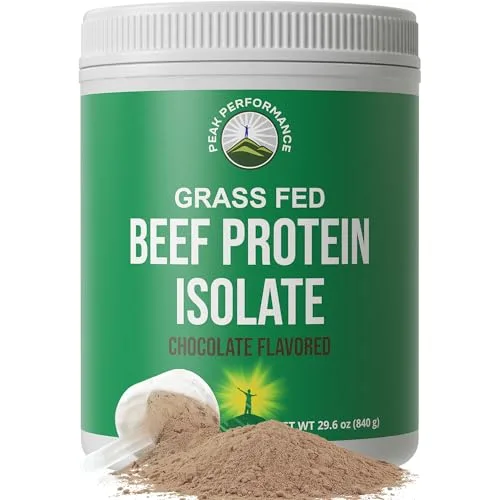
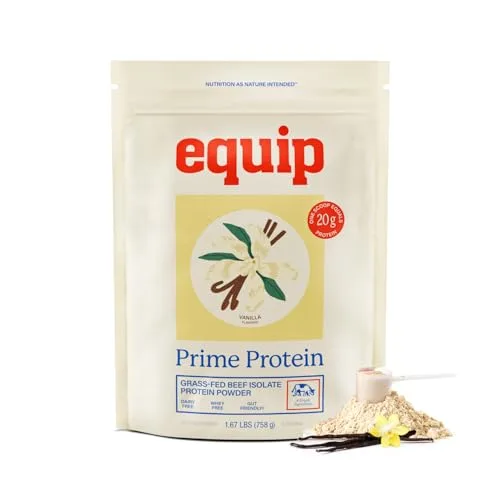
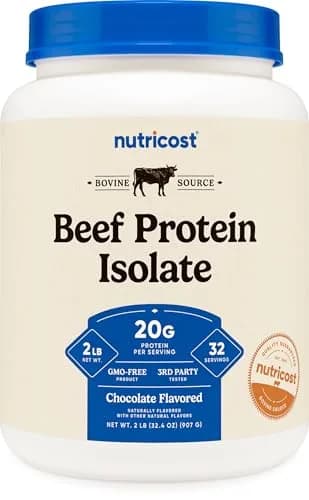
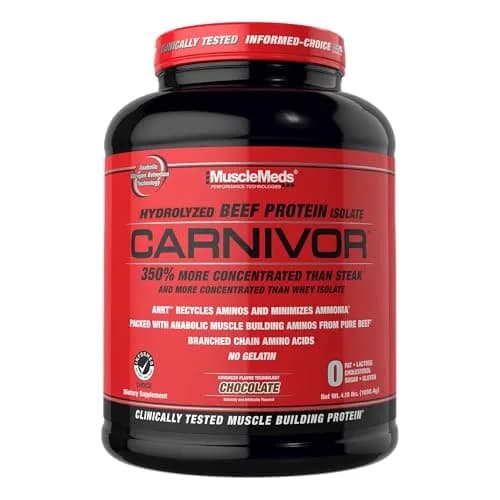
Beef Protein supplement
Protein Supplement

Beef Protein: Benefits, Dosage, Forms & Research

Protein Supplement

DJP
Reviewed by , MD, Board Certified Internal Medicine

This content is for informational purposes only and does not constitute medical advice. Consult your healthcare provider before starting any supplement. Full disclaimer

TL;DR — Quick Answer

Beef protein isolate is a dairy-free, lactose-free complete protein providing 23-27g protein per serving. A 2015 study found no significant difference in muscle gains between beef protein and whey protein over 8 weeks of resistance training. It is ideal for paleo, carnivore, and dairy-sensitive dieters.

Key Facts

  • What it is: A hydrolyzed complete protein derived from beef, free of dairy, lactose, and soy
  • Primary benefits:
    • Complete amino acid profile
    • Dairy-free and lactose-free alternative to whey
    • High bioavailability
    • Rich in collagen peptides (some formulations)
    • Suitable for paleo and carnivore diets
    • Easy digestion for dairy-sensitive individuals
  • Typical dosage: 1-2 scoops daily (23-27g protein per serving)
  • Evidence level: Moderate
  • Safety: Generally Safe

What the Research Says

Beef protein isolate is a relatively newer entrant in the protein supplement market but has emerging clinical validation. Sharp et al. (2015) conducted a randomized controlled trial comparing beef protein isolate to whey protein isolate in resistance-trained men over 8 weeks, finding no significant differences in body composition or strength outcomes. Naclerio & Larumbe-Zabala (2016) reviewed protein supplementation broadly and confirmed that animal-derived protein sources, including beef, effectively support lean mass gains when combined with resistance training. The amino acid profile of beef protein is comparable to whey, with adequate leucine content to stimulate muscle protein synthesis.

Benefits of Beef Protein

  • Complete amino acid profile — beef protein isolate provides all 9 essential amino acids, including high levels of leucine (key trigger for muscle protein synthesis) comparable to whey protein
  • Dairy-free alternative — ideal for individuals with lactose intolerance, casein allergy, or dairy sensitivity who cannot tolerate whey or casein protein powders
  • Muscle building efficacy — a 2015 study by Sharp et al. found no significant difference in lean mass or strength gains between beef protein isolate and whey protein isolate over 8 weeks of resistance training
  • Collagen peptide content — many beef protein formulations include naturally occurring collagen peptides, supporting joint, skin, and connective tissue health
  • Digestive comfort — highly hydrolyzed beef protein is broken down into smaller peptides, making it easier to digest than whole food beef for many individuals

Forms of Beef Protein

FormBioavailabilityBest For
Beef Protein Isolate Powder (Flavored)HighPost-workout shakes — chocolate, vanilla, and other flavors mask any beef taste
Beef Protein Isolate Powder (Unflavored)HighVersatility — mix into recipes, smoothies, or stack with other supplements
Beef Protein + Collagen BlendHighJoint and skin support — combines muscle-building protein with collagen peptides
Beef Bone Broth ProteinModerate-HighGut health — provides gelatin and amino acids for intestinal lining support
Beef Protein BarsModerateOn-the-go — convenient snack form for travel and busy schedules

Dosage Recommendations

General recommendation: 1-2 scoops daily (23-27g protein per serving), post-workout or as a meal supplement

Timing: Post-workout within 2 hours for optimal muscle protein synthesis; or any time to supplement dietary protein

Dosage by Condition

ConditionRecommended DoseEvidence
Muscle building1-2 scoops (25-50g protein) post-workoutModerate
Meal replacement1 scoop with healthy fats and carbsModerate
Daily protein target1-3 scoops throughout the day to meet protein goalsModerate

Upper limit: No specific upper limit; align total daily protein with individual needs (0.7-1g per lb body weight for active individuals)

Side Effects and Safety

Safety profile: Generally Safe

Potential Side Effects

  • Rare — mild digestive adjustment during initial use
  • Taste preference varies — some users find beef protein flavors less palatable than whey
  • Possible bloating if consuming large servings quickly

Drug & Supplement Interactions

  • No significant drug interactions known for beef protein isolate
BenefitsDosage GuideSide EffectsTypes & FormsResearchFAQ

Related Conditions

Related Supplements

Looking for the best beef protein supplement?

We analyzed and ranked the top products based on form, dosage, third-party testing, and value.

See Our Top Picks

Frequently Asked Questions

Is beef protein as good as whey?

Beef protein isolate has a comparable amino acid profile to whey and similar bioavailability. A 2015 study by Sharp et al. found no significant difference in muscle gains or strength improvements between beef protein and whey protein over 8 weeks of resistance training. The primary advantage of beef protein is for those who cannot tolerate dairy.

Does beef protein taste like beef?

Modern beef protein isolate is highly processed and hydrolyzed, removing the taste and smell of beef. Flavored varieties (chocolate, vanilla, peanut butter) taste similar to other protein powders. Unflavored versions have a mild, neutral taste that blends easily into smoothies and recipes.

Is beef protein good for the carnivore diet?

Yes, beef protein isolate is one of the most popular protein supplements for carnivore dieters since it contains no plant ingredients, dairy, or soy. It provides a convenient way to meet high protein targets (often 1g+ per lb body weight) on a carnivore diet without cooking additional meals.

References

  1. (). The effects of beef protein isolate and whey protein isolate supplementation on lean mass and strength in resistance trained individuals. Journal of the International Society of Sports Nutrition.
  2. (). Effects of Whey Protein Alone or as Part of a Multi-ingredient Formulation on Strength, Fat-Free Mass, or Lean Body Mass in Resistance-Trained Individuals: A Meta-analysis. Sports Medicine. DOI