Supplement ScienceSupplementScience
Colostrum supplement
Immune / Gut Support

Colostrum — Research Profile

Evidence:Moderate
·

This content is for informational purposes only and does not constitute medical advice. Statements about dietary supplements have not been evaluated by the FDA and are not intended to diagnose, treat, cure, or prevent any disease. Individual results may vary — consult your healthcare provider before starting any supplement. Full disclaimer

Bovine colostrum provides concentrated immunoglobulins and growth factors that strengthen the gut barrier and support...

Bovine colostrum provides concentrated immunoglobulins and growth factors that strengthen the gut barrier and support immune defense. Studies show it reduces NSAID-induced intestinal permeability and exercise-induced gut damage. Typical dose is 500mg-10g daily. Well-tolerated but avoid with dairy allergy.

Bottom line: Bovine colostrum provides immunoglobulins and growth factors that repair the gut barrier — especially useful for NSAID users and athletes.

Evidence:Meta-analysis (2023) · moderate confidence[#2]. See full reference list below.

Key Facts

What it is
First milk produced after birth, concentrated in immunoglobulins (IgG), lactoferrin, and growth factors (IGF-1, TGF-beta)
Primary benefits
  • Strengthens gut barrier integrity (reduces intestinal permeability)
  • Prevents NSAID-induced gut damage
  • Provides passive immune defense (IgG, IgA)
  • Supports exercise recovery and immune function in athletes
Typical dosage
500mg-10g daily, depending on concentration
Evidence level
Moderate
Safety profile
Generally Safe

Get the free evidence-based Colostrum guide — delivered in 60 seconds.

No spam. Unsubscribe anytime.

What the Research Says

Colostrum is a nutrient-rich milk produced by mammals immediately after birth, with bovine colostrum being a common source for human supplementation. It contains immunoglobulins, growth factors, and other bioactive compounds that support immune function and gut health. Research indicates that bovine colostrum has moderate clinical evidence for gut barrier support, particularly in reducing exercise-related gut permeability (Marchbank et al., 2011). Additionally, it has been shown to mitigate the increase in intestinal permeability caused by non-steroidal anti-inflammatory drugs (NSAIDs) (Playford et al., 2001).

Recent studies have highlighted the potential benefits of colostrum in neonatal care. A systematic review and meta-analysis of 21 studies involving 2393 preterm neonates found that oropharyngeal colostrum therapy significantly reduces culture-proven sepsis (RR: 0.78, 95% CI: 0.65-0.94) with high certainty of evidence (Anne et al., 2024). Similarly, a meta-analysis of 17 RCTs involving 4106 preterm infants demonstrated that oropharyngeal application of colostrum/mother's milk reduces sepsis, necrotizing enterocolitis (NEC), and accelerates enteral feeding initiation (Kumar et al., 2023).

Despite these benefits, limitations remain. Small study sizes, variability in product quality, and the insufficient survival of IgG through gastric transit for systemic immunity are notable concerns. Furthermore, heat treatment of colostrum can reduce immunoglobulin concentrations, although this may increase serum immunoglobulins (Malik et al., 2022). Overall, while colostrum shows promise in gut barrier protection and neonatal care, further research is needed to address these limitations and optimize its therapeutic applications.
Benefits of Colostrum

  • NSAID gut protection — Playford et al. (2001, n=7, crossover RCT) demonstrated bovine colostrum prevented the 3-fold increase in intestinal permeability caused by indomethacin (NSAID)
  • Gut barrier in athletes — Marchbank et al. (2011, n=12) found bovine colostrum (20g/day × 14 days) prevented the rise in intestinal permeability caused by heavy exercise in hot conditions
  • Immune support — bovine colostrum IgG survives gastric transit and provides passive immune defense in the GI tract; Saad et al. (2016) reviewed evidence for preventing GI infections
  • Growth factor delivery — colostrum contains IGF-1 and TGF-beta which promote intestinal epithelial cell proliferation and mucosal repair (Playford et al., 2000)

Our Top Colostrum Picks

As an Amazon Associate, we earn from qualifying purchases. Some links below are affiliate links — this doesn't affect our editorial independence or product ratings. How we evaluate products

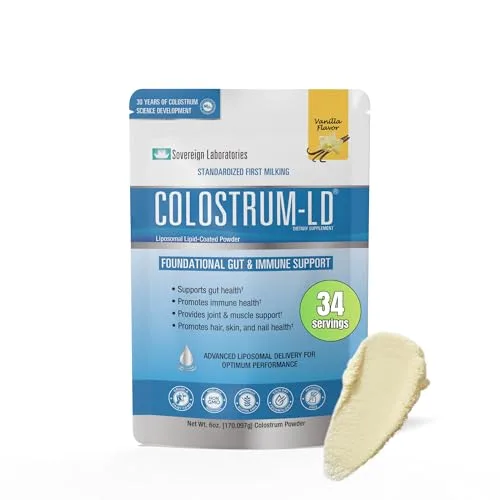
Sovereign Laboratories Colostrum-LD
Colostrum-LD
#1 Top Pick
OverallForm: PowderPrice: $1.69/serving
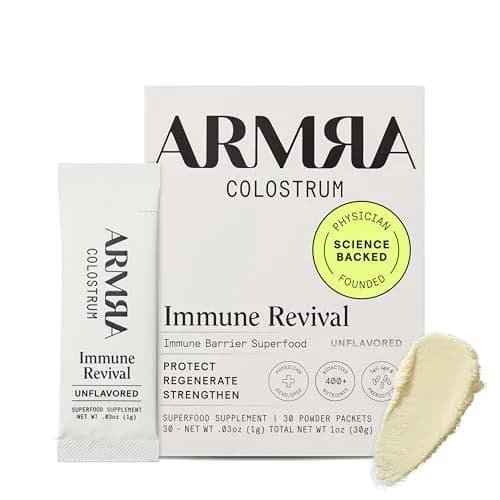
ARMRA Colostrum
ARMRA Colostrum
ARMRA
Premium / BrandForm: Powder (single-serve sticks)Price: $1.33/serving
PureNative Colostrum Powder
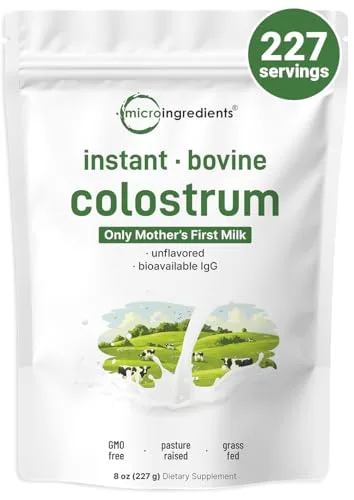
Micro Ingredients
AthletesForm: PowderPrice: $1.00/serving
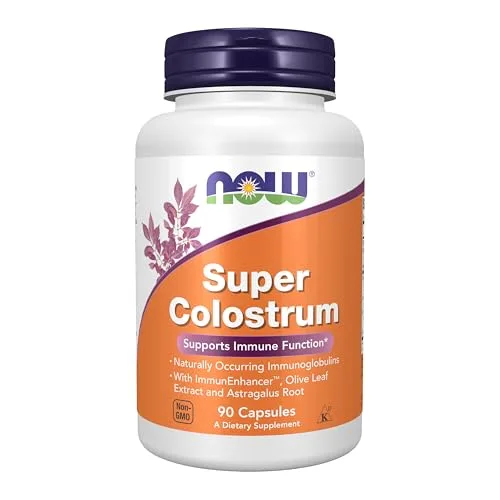
NOW Foods Colostrum 500mg
NOW Foods
BudgetForm: CapsulePrice: $0.20/serving
Did you know?

Colostrum is a nutrient-rich milk produced by mammals immediately after birth, with bovine colostrum being a common source for human supplementation.

Forms of Colostrum

Colostrum supplement forms compared by bioavailability and best use
FormBioavailabilityBest For
Colostrum PowderModerateHigher doses (5-20g) — most cost-effective; can be mixed into drinks or smoothies
Colostrum CapsulesModerateConvenience for lower doses (500mg-2g)
Liposomal ColostrumHighEnhanced delivery — liposomal coating may protect immunoglobulins through stomach acid

Dosage Recommendations

General recommendation: 500mg-10g daily, depending on product concentration and indication

Timing: On an empty stomach or before meals for gut barrier benefits

Dosage by Condition

Gut barrier support
5-10g dailyModerate
NSAID gut protection
500mg-2g daily alongside NSAID useModerate
Exercise-induced gut permeability
10-20g daily during heavy trainingModerate

Upper limit: 20g/day used in clinical studies; no established upper limit

Side Effects and Safety

Safety profile: Generally Safe

Potential Side Effects

  • Generally well tolerated
  • Mild GI discomfort (bloating, nausea) in some individuals
  • Contraindicated in dairy/cow milk protein allergy
  • Contains trace lactose — may affect severely lactose intolerant individuals

Drug & Supplement Interactions

  • No major drug interactions documented
  • May theoretically interact with immunosuppressants due to immune-stimulating properties
  • Dairy allergy — strict contraindication
Check Colostrum interactions with other supplements →
BenefitsDosage GuideSide EffectsTypes & FormsResearchFAQ

Related Conditions

Commonly Taken Together

Related Guides

Related Supplements

Looking for the best colostrum supplement?

We analyzed and ranked the top products based on form, dosage, third-party testing, and value.

See Our Top Picks

Frequently Asked Questions

Is bovine colostrum safe for people with dairy allergies?

No. Bovine colostrum contains cow milk proteins (casein, whey) and should be strictly avoided by individuals with dairy/cow milk protein allergy. Those with lactose intolerance may tolerate colostrum (which contains less lactose than regular milk) but should start with a low dose to assess tolerance.

Does colostrum survive stomach acid?

Partially. Bovine IgG has been shown to survive gastric transit to some degree, especially when consumed with food or in large enough quantities. Liposomal delivery and enteric-coated products may improve survival. The growth factors (IGF-1) are more susceptible to acid degradation but some remain bioactive.

Can colostrum help with leaky gut?

Clinical evidence supports this. Playford et al. (2001) showed colostrum prevented the increase in intestinal permeability caused by NSAIDs, and Marchbank et al. (2011) showed similar protection against exercise-induced permeability. The growth factors and immunoglobulins in colostrum support epithelial repair and barrier integrity. Typical dose for gut barrier support is 5-10g daily.

What is the best form of Colostrum to take?

The best form of colostrum depends on your specific health goals, absorption needs, and tolerance. Chelated and standardized extract forms generally offer higher bioavailability than raw or unstandardized versions. Check the product label for third-party testing to ensure potency and purity.

What are the proven benefits of Colostrum?

Colostrum has been studied for multiple health applications with varying levels of clinical evidence. Meta-analyses show that oropharyngeal colostrum administration improves clinical outcomes in preterm infants — including reduced sepsis and accelerated enteral feeding initiation [2][3]. The strongest evidence typically comes from randomized controlled trials and meta-analyses published in peer-reviewed journals. Individual responses can vary based on baseline status, dosage, and duration of use.

Evidence:Meta-analysis (2023) · moderate confidence[#2]. See full reference list below.

How much Colostrum should I take per day?

Colostrum dosage depends on the specific form, your health goals, and individual factors such as body weight and baseline nutrient status. Following the dose used in clinical trials is generally the most evidence-based approach. Starting at the lower end of the recommended range and adjusting upward is advisable.

When is the best time to take Colostrum?

Colostrum timing depends on whether it is fat-soluble or water-soluble and whether it causes digestive sensitivity. Consistency in timing is more important than the specific hour of the day. Taking supplements at the same time daily helps maintain steady levels.

What are the side effects of Colostrum?

Colostrum is generally well tolerated at recommended doses, with gastrointestinal discomfort being the most commonly reported side effect. Side effects are typically mild and dose-dependent, resolving with dose reduction or taking with food. Serious adverse effects are rare at standard supplemental doses.

Does Colostrum interact with any medications?

Colostrum may interact with certain prescription medications by affecting absorption, metabolism, or pharmacological effects. Always inform your healthcare provider about all supplements you take, especially before surgery or when starting new medications. Spacing supplements and medications by 2 hours reduces most absorption interactions.

Who should consider taking Colostrum?

Colostrum is most appropriate for individuals with confirmed deficiency, suboptimal levels, or specific health conditions supported by clinical evidence. People in higher-risk demographics, including older adults and those with restricted diets, may benefit most. Testing baseline levels before supplementing provides the best guidance.

How long does Colostrum take to show results?

Colostrum effects vary by the specific health outcome being targeted, with some benefits appearing within days and others requiring weeks to months of consistent daily use. Correcting a deficiency typically shows improvement within 2-4 weeks. A minimum 8-12 week trial at the recommended dose is advisable before evaluating effectiveness.

Is Colostrum safe for long-term daily use?

Colostrum is considered safe for long-term use at recommended doses based on available clinical data. Staying within established upper intake limits minimizes the risk of adverse effects over time. Periodic reassessment with a healthcare provider is recommended, especially if health conditions change.

Can you take too much Colostrum?

Exceeding the recommended dose of colostrum increases the risk of adverse effects without providing additional benefit. Toxicity risk varies by form and individual factors such as kidney and liver function. Mega-dosing is not supported by clinical evidence and should be avoided.

Can I combine Colostrum with other supplements?

Colostrum can generally be combined with complementary supplements, though some combinations may affect absorption or create additive effects. Spacing different supplements by 1-2 hours can reduce absorption competition. Consulting a healthcare professional is advisable when combining multiple supplements targeting the same health pathway.

What should I look for when buying a Colostrum supplement?

Third-party testing from USP, NSF, or ConsumerLab is the most important quality indicator when purchasing colostrum supplements. Look for products that clearly state the specific form, dose per serving, and any relevant standardization percentages. Avoid proprietary blends that hide individual ingredient amounts.

Continue Reading

References

  1. Meta-analysisSerhal L, Ariza JM, Bareille N (2025). Systematic review and meta-analysis of biomarkers measured in colostrum and transition milk of beef and dairy cows following maternal dietary supplementation during the dry period.. Preventive veterinary medicine. DOI PubMed
  2. Meta-analysisFu ZY, Huang C, Lei L, Chen LC, et al. (2023). The effect of oropharyngeal colostrum administration on the clinical outcomes of premature infants: A meta-analysis.. International journal of nursing studies. DOI PubMed
  3. Meta-analysisKumar J, Meena J, Ranjan A, Kumar P (2023). Oropharyngeal application of colostrum or mother's own milk in preterm infants: a systematic review and meta-analysis.. Nutrition reviews. DOI PubMed
  4. Meta-analysisColonetti T, de Carvalho Florêncio I, Figueiredo P, Colonetti L, et al. (2022). Colostrum Use and the Immune System of Premature Newborns: A Systematic Review and Meta-Analysis.. Journal of human lactation : official journal of International Lactation Consultant Association. DOI PubMed
  5. Meta-analysisMalik MI, Rashid MA, Raboisson D (2022). Heat treatment of colostrum at 60°C decreases colostrum immunoglobulins but increases serum immunoglobulins and serum total protein: A meta-analysis.. Journal of dairy science. DOI PubMed
  6. Xavier Ramos MS, Martins CDC, Souza ES, Vieira GO, et al. (2021). Oropharyngeal colostrum immunotherapy and nutrition in preterm newborns: meta-analysis.. Revista de saude publica. DOI PubMed