
We evaluated coconut oil softgel supplements on virgin/cold-pressed certification, MCT content, organic certification, third-party testing, and value per serving. Our recommendations cover pure coconut oil capsules and MCT-focused options for keto dieters.
Best Coconut Oil Supplements (2026)
Product pricing and availability checked
Methodology: Evidence-ranked evaluation
·
2,600+Clinical Studies Cited
·5Coconut Oil products evaluated
This content is for informational purposes only and does not constitute medical advice. Statements about dietary supplements have not been evaluated by the FDA and are not intended to diagnose, treat, cure, or prevent any disease. Individual results may vary — consult your healthcare provider before starting any supplement. Full disclaimer
As an Amazon Associate, we earn from qualifying purchases. Some links below are affiliate links — this doesn't affect our editorial independence or product ratings. How we evaluate products
Our Verdict
The best coconut oil supplement is USDA Organic, cold-pressed virgin (extra-virgin) oil from non-GMO coconuts, delivered as unhydrogenated liquid oil or softgels.
Best By Category
The best coconut oil supplement is organic cold-pressed extra-virgin oil — not refined, bleached, or hydrogenated —...
The best coconut oil supplement is organic cold-pressed extra-virgin oil — not refined, bleached, or hydrogenated — which preserves the lauric acid and medium-chain triglycerides. 1-2 tablespoons daily is typical; MCT-enriched products offer faster ketone conversion for cognitive or keto use.
How We Chose These Products
Products are ranked using our published scoring methodology — evidence strength, dose adequacy, ingredient form, third-party testing signals, value, and clean-label factors are weighted across the 5 criteria below. Commercial relationships do not determine our editorial rankings.
Virgin/Cold-Pressed Certification
25%Cold-pressed extra virgin coconut oil retains more MCTs, polyphenols, and lauric acid than refined or expeller-pressed alternatives. Heat processing degrades beneficial compounds.
MCT Content
25%Coconut oil is approximately 50% MCTs by weight, primarily lauric acid (C12). Products that specify MCT concentration or use fractionated MCT oil (C8/C10) deliver more rapid ketone production per serving.
Organic Certification
20%USDA Organic certification ensures coconut oil is sourced from farms without synthetic pesticides or fertilizers. Organic coconuts tend to have cleaner lipid profiles and lower contaminant risk.
Third-Party Testing
15%Independent lab testing verifies purity, potency, and absence of contaminants including heavy metals and rancid oils. Look for NSF, USP, or documented third-party lab verification.
Value per Serving
15%Cost per serving adjusted for capsule count and dose. Higher capsule counts reduce per-serving cost but must be weighed against quality certifications and oil type.
#1 Top Pick
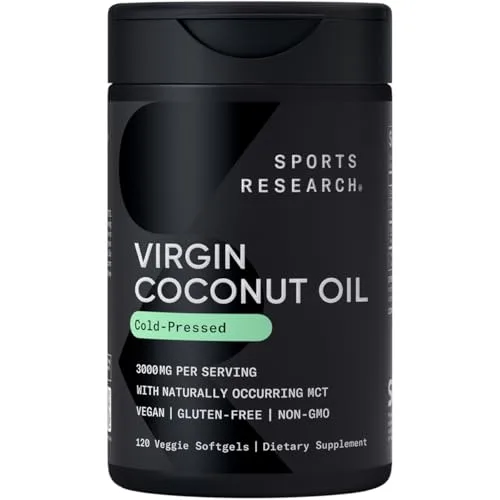
The gold standard for coconut oil softgels. USDA Organic, cold-pressed extra virgin oil preserves MCTs and lauric acid. Vegan softgels (plant-based shell) are rare in this category. Non-GMO Project Verified adds another layer of quality assurance.
IngredientUSDA Organic Cold-Pressed Extra Virgin Coconut Oil
Dose3000mg per serving (3 softgels)
FormVegan Softgel
TestingNon-GMO Project Verified
3000mg per serving (3 softgels)Clinical range: 1-2 tablespoons (14-28g) daily
Below clinical dose
$0.17 / count$19.95 · 120 Softgels
Pros
- USDA Organic certified
- Cold-pressed extra virgin processing
- Vegan softgel capsules (plant-based shell)
Cons
- Requires 3 softgels per serving
- Higher price than Carlyle or BioSchwartz
VeganNon-GMOGluten-freeTree nut free (coconut is a drupe)
Quick Comparison
#1Sports Research Organic Coconut Oil Capsules 3000mg
9.2/10
Sports Research
#1 Top Pick
1,857 Amazon reviews
Best for: Overall quality and certifications
USDA Organic Cold-Pressed Extra Virgin Coconut Oil · 3000mg per serving (3 softgels)
Vegan Softgel · Non-GMO Project Verified
$19.95
$0.17 / count
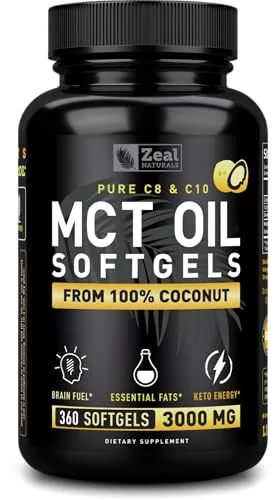
#2Zeal Naturals Pure MCT Oil Capsules 3000mg
8.6/10
Zeal Naturals
4,646 Amazon reviews
Best for: Keto dieters and those seeking rapid ketone production
MCT Oil (60% C8 Caprylic Acid + 40% C10 Capric Acid) · 3000mg per serving (3 softgels)
Softgel · None listed
$39.99
$0.11 / count
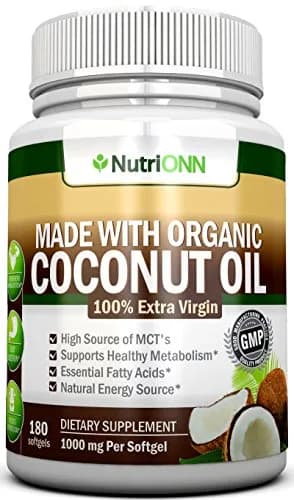
#3NutriONN Organic Coconut Oil Capsules 180ct
8.4/10
NutriONN
448 Amazon reviews
Best for: Highest daily dose at 4000mg
USDA Organic Extra Virgin Coconut Oil · 4000mg daily (4 softgels)
Softgel · GMP / FDA-Registered Facility
$22.95
$0.13 / count
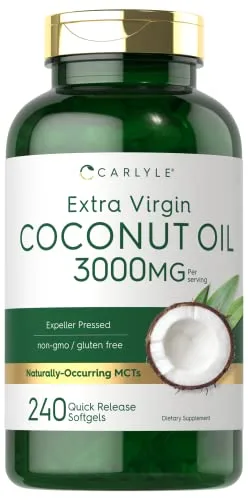
#4Carlyle Coconut Oil Extra Virgin Softgels 3000mg 240ct
8.2/10
Carlyle
1,132 Amazon reviews
Best for: value — largest capsule count at lowest price
Extra Virgin Coconut Oil · 3000mg per serving (3 softgels)
Softgel · Lab Tested
$14.99
$0.06 / count
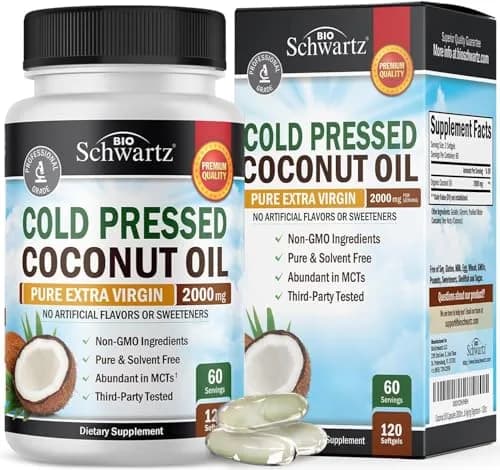
#5BioSchwartz Coconut Oil Softgels 2000mg
8/10
BioSchwartz
3,608 Amazon reviews
Best for: Fewest capsules per serving (2-cap convenience)
Organic Pure Extra Virgin Unrefined Cold-Pressed Coconut Oil · 2000mg per serving (2 softgels)
Softgel · Third-Party Tested
$15.97
$0.13 / count
| # | Product | Best For | Ingredient & Dose | Form & Testing | Price | Rating | |
|---|---|---|---|---|---|---|---|
| 1 | Sports Research Organic Coconut Oil Capsules 3000mg #1 Top Pick 1,857 Amazon reviews | Overall quality and certifications | USDA Organic Cold-Pressed Extra Virgin Coconut Oil 3000mg per serving (3 softgels) | Vegan Softgel 120 Softgels Non-GMO Project Verified | $19.95 $0.17 / count | 9.2/10 | |
| 2 | Zeal Naturals Pure MCT Oil Capsules 3000mg 4,646 Amazon reviews | Keto dieters and those seeking rapid ketone production | MCT Oil (60% C8 Caprylic Acid + 40% C10 Capric Acid) 3000mg per serving (3 softgels) | Softgel 360 Softgels None listed | $39.99 $0.11 / count | 8.6/10 | |
| 3 | NutriONN Organic Coconut Oil Capsules 180ct 448 Amazon reviews | Highest daily dose at 4000mg | USDA Organic Extra Virgin Coconut Oil 4000mg daily (4 softgels) | Softgel 180 Softgels GMP / FDA-Registered Facility | $22.95 $0.13 / count | 8.4/10 | |
| 4 | Carlyle Coconut Oil Extra Virgin Softgels 3000mg 240ct 1,132 Amazon reviews | value — largest capsule count at lowest price | Extra Virgin Coconut Oil 3000mg per serving (3 softgels) | Softgel 240 Count Lab Tested | $14.99 $0.06 / count | 8.2/10 | |
| 5 | BioSchwartz Coconut Oil Softgels 2000mg 3,608 Amazon reviews | Fewest capsules per serving (2-cap convenience) | Organic Pure Extra Virgin Unrefined Cold-Pressed Coconut Oil 2000mg per serving (2 softgels) | Softgel Third-Party Tested | $15.97 $0.13 / count | 8/10 |
Detailed Reviews
#1 Top Pick
Sports Research® Organic Coconut Oil Capsules 3000MG - Cold Pressed Extra Virgin Coconut Oil with Medium Chain Triglycerides (MCTs) - Vegan Friendly & Non-GMO Verified - 120 Softgels
Sports Research
1,857 Amazon reviews
9.2/10
(1,857)
VeganNon-GMOGluten-freeTree nut free (coconut is a drupe)
The gold standard for coconut oil softgels. USDA Organic, cold-pressed extra virgin oil preserves MCTs and lauric acid. Vegan softgels (plant-based shell) are rare in this category. Non-GMO Project Verified adds another layer of quality assurance.
IngredientUSDA Organic Cold-Pressed Extra Virgin Coconut Oil
Dose3000mg per serving (3 softgels)
FormVegan Softgel
TestingNon-GMO Project Verified
3000mg per serving (3 softgels)Clinical range: 1-2 tablespoons (14-28g) daily
Below clinical dose
$0.17 / count$19.95 · 120 Softgels
Ideal for: Overall quality and certifications
Not ideal for: Those seeking the lowest price per capsule or MCT-concentrated formula.
Pros
- USDA Organic certified
- Cold-pressed extra virgin processing
- Vegan softgel capsules (plant-based shell)
- Non-GMO Project Verified
- MCT-rich whole coconut oil
Cons
- Requires 3 softgels per serving
- Higher price than Carlyle or BioSchwartz
- Whole oil, not concentrated MCT
Zeal Naturals Pure MCT Oil Capsules - 3000mg, 360 Softgels |C10, C8 MCT Oil Unrefined Coconut | Energy Support & Brain Fuel Supplement | Gluten-Free
Zeal Naturals
4,646 Amazon reviews
8.6/10
(4,646)
Non-GMOGluten-freeKeto-friendly
The only MCT-concentrated option in our roundup. The 60/40 C8/C10 blend bypasses liver processing for rapid ketone production — ideal for keto dieters and cognitive support. A 360-count bottle provides a 4-month supply, making it excellent long-term value.
IngredientMCT Oil (60% C8 Caprylic Acid + 40% C10 Capric Acid)
Dose3000mg per serving (3 softgels)
FormSoftgel
TestingNone listed
3000mg per serving (3 softgels)Clinical range: 1-2 tablespoons (14-28g) daily
Below clinical dose
$0.11 / count$39.99 · 360 Softgels
Ideal for: Keto dieters and those seeking rapid ketone production
Not ideal for: Those wanting whole coconut oil benefits including lauric acid and antimicrobial properties.
Pros
- Concentrated MCT (C8/C10) for rapid ketones
- 360-count bottle (4-month supply)
- Keto-optimized formula
- Good long-term value
Cons
- No lauric acid (C12) — lacks antimicrobial benefits
- No listed third-party testing
- Not organic certified
ORGANIC COCONUT OIL Capsules - 180 Softgels - 4000 MG Daily - Cold-Pressed Extra Virgin Coconut Oil - Certified USDA Organic - Great For Hair, Skin And Acne
NutriONN
448 Amazon reviews
8.4/10
(448)
Non-GMOGluten-free
Delivers the highest daily dose at 4000mg from 4 softgels — closest to the clinical range used in coconut oil research. USDA Organic certified and manufactured in an FDA-registered, GMP-compliant facility. Good value at 45 servings per bottle.
IngredientUSDA Organic Extra Virgin Coconut Oil
Dose4000mg daily (4 softgels)
FormSoftgel
TestingGMP / FDA-Registered Facility
4000mg daily (4 softgels)Clinical range: 1-2 tablespoons (14-28g) daily
Below clinical dose
$0.13 / count$22.95 · 180 Softgels
Ideal for: Highest daily dose at 4000mg
Not ideal for: Those who dislike taking 4 capsules per serving or want third-party lab certification.
Pros
- Highest daily dose (4000mg)
- USDA Organic certified
- GMP and FDA-registered facility
- Competitive price per serving
Cons
- Requires 4 softgels per serving
- No named third-party testing lab
- Gelatin capsules (not vegan)
Carlyle Coconut Oil Extra Virgin Softgel Capsules | 3000mg | 240 Count | Naturally Occurring MCTs | Non-GMO and Gluten Free Supplement
Carlyle
1,132 Amazon reviews
8.2/10
(1,132)
Non-GMOGluten-free
The best budget pick with 240 softgels (80 servings) at roughly $15. Lab-tested for quality and uses extra virgin coconut oil. At $0.19 per serving, it costs less than half the price of Sports Research while delivering the same 3000mg dose.
IngredientExtra Virgin Coconut Oil
Dose3000mg per serving (3 softgels)
FormSoftgel
TestingLab Tested
3000mg per serving (3 softgels)Clinical range: 1-2 tablespoons (14-28g) daily
Below clinical dose
$0.06 / count$14.99 · 240 Count
Ideal for: value — largest capsule count at lowest price
Not ideal for: Those who prioritize organic certification or vegan capsules.
Pros
- Largest count (240 softgels, 80 servings)
- Lowest price per serving ($0.19)
- Extra virgin coconut oil
- Lab tested for quality
Cons
- Not organic certified
- Gelatin capsules (not vegan)
- Less sourcing transparency
Coconut Oil Capsules 2000mg - Organic Pure Extra Virgin Unrefined Cold Pressed MCT Rich & Non-GMO for Healthy Skin Nails Hair Growth Support Bloating Anti Aging Digestion - 120ct (2 Month Supply)
BioSchwartz
3,608 Amazon reviews
8/10
(3,608)
Non-GMOGluten-free
The only product in our roundup requiring just 2 softgels per serving, making it the most convenient option. Organic, cold-pressed, unrefined, and extra virgin — hitting all the quality markers. Third-party tested for purity and potency.
IngredientOrganic Pure Extra Virgin Unrefined Cold-Pressed Coconut Oil
Dose2000mg per serving (2 softgels)
FormSoftgel
TestingThird-Party Tested
2000mg per serving (2 softgels)Clinical range: 1-2 tablespoons (14-28g) daily
Below clinical dose
$0.13 / count
Ideal for: Fewest capsules per serving (2-cap convenience)
Not ideal for: Those seeking the highest dose or largest capsule count per bottle.
Pros
- Only 2 softgels per serving
- Organic, cold-pressed, unrefined
- Third-party tested
- Extra virgin quality
Cons
- Lower dose (2000mg vs 3000-4000mg)
- Fewer servings per bottle (60)
- May need higher serving for full clinical dose
Pairs Well With
Frequently taken together based on complementary benefits
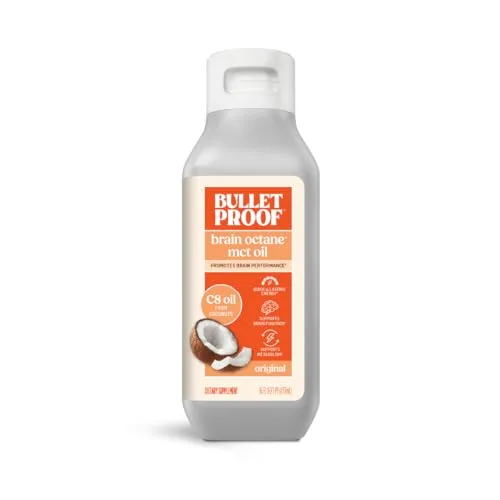
MCT Oil
Bulletproof Brain Octane C8 MCT Oil
14g pure C8 per tablespoon
How to Choose
Virgin Cold-Pressed vs Refined Coconut Oil
Always choose virgin (unrefined) cold-pressed coconut oil in supplement form. Cold pressing at temperatures below 120°F preserves MCTs, polyphenol antioxidants, and lauric acid content. Refined coconut oil is bleached and deodorized at high heat, stripping beneficial compounds. Look for 'extra virgin' or 'cold-pressed' on the label — if neither appears, assume it is refined.
Supplement Softgels vs Cooking Oil
Coconut oil softgels deliver 2000-4000mg (2-4g) per serving, well below the 14-28g (1-2 tablespoons) used in dietary studies. Softgels are designed for convenience and standardized dosing, not as a cooking oil replacement. If you already cook with coconut oil, a softgel supplement may be redundant. Softgels make sense for those who want the MCT and lauric acid benefits without the taste or calories of spooning oil.
The LDL Concern and AHA Position
Coconut oil is roughly 82% saturated fat. While it raises HDL ('good') cholesterol, it also raises LDL ('bad') cholesterol — a 2020 Circulation meta-analysis by Neelakantan et al. confirmed both effects. The American Heart Association advises against coconut oil as a health food, recommending unsaturated fats instead. If you have elevated LDL, heart disease, or cardiovascular risk factors, consult your physician before supplementing with coconut oil.
MCT Content Comparison: Whole Oil vs Fractionated
Whole coconut oil is about 50% MCTs, dominated by lauric acid (C12) which behaves partly like a long-chain fat during digestion. Fractionated MCT oil (like Zeal Naturals) concentrates caprylic acid (C8) and capric acid (C10), which are absorbed directly into the portal vein for rapid ketone production. For keto dieters and cognitive support via ketones, fractionated MCT is more efficient per gram. For antimicrobial benefits from lauric acid, whole virgin coconut oil is superior.
Who Benefits Most from Coconut Oil Supplements
Coconut oil softgels are best suited for people following ketogenic diets, those seeking convenient MCT intake without adding oil to food, individuals interested in lauric acid's antimicrobial properties, and people looking for a plant-based fat supplement. They are not a replacement for a balanced diet and should be avoided by those with coconut allergies (rare but serious) or unmanaged high LDL cholesterol.
Ready to Buy?
Sports Research Organic Coconut Oil Capsules 3000mg
9.2/10$0.17 / countBest for: Overall quality and certifications
The best coconut oil supplement is USDA Organic, cold-pressed virgin (extra-virgin) oil from non-GMO coconuts, delivered as unhydrogenated liquid oil or softgels.
Evidence:Meta-analysis (2020) · high confidence[#6]. See full reference list below.Read Our Full Coconut Oil Research Guide
Evidence level, dosage, side effects, and more →
Already taking supplements?
Check how Coconut Oil fits with your current stack — interactions, timing, and optimization →
Related Supplements
MCT OilModerate
Bottom line: MCT oil (especially C8) provides rapid ketone fuel for brain and body. Start slow — 1 tsp daily, building to 1-2 tbsp.
Top picks →Related Conditions
Frequently Asked Questions
Is coconut oil a good supplement for brain health?
Is coconut oil a good supplement for brain health?
Coconut oil's MCTs are converted to ketones, which can serve as an alternative brain fuel. A 2004 study by Reger et al. [1] found that MCT supplementation improved cognitive performance in adults with memory impairment. However, the evidence is emerging — not strong enough to recommend coconut oil as a primary brain health supplement. MCT-concentrated formulas (C8/C10) produce ketones more efficiently than whole coconut oil.
Evidence:RCT (2004) · moderate confidence[#1]. See full reference list below.How much coconut oil should I take daily in softgel form?
How much coconut oil should I take daily in softgel form?
Most coconut oil softgel products recommend 2000-4000mg daily, taken with meals. This is significantly less than the 14-28g (1-2 tablespoons) used in dietary studies. Start with the manufacturer's recommended serving and increase gradually to assess GI tolerance. Taking softgels with food reduces the risk of stomach upset.
Does coconut oil raise cholesterol?
Does coconut oil raise cholesterol?
Yes — coconut oil raises both HDL and LDL cholesterol. A 2020 meta-analysis by Neelakantan et al. in Circulation confirmed that coconut oil significantly increases LDL compared to non-tropical vegetable oils. It also raises HDL more than other fats. The net cardiovascular effect is debated, but the AHA recommends limiting coconut oil intake, especially for those with elevated LDL.
What is the difference between coconut oil softgels and MCT oil capsules?
What is the difference between coconut oil softgels and MCT oil capsules?
Coconut oil softgels contain whole virgin coconut oil with all its fatty acids — about 50% MCTs (mostly lauric acid C12) plus longer-chain fats. MCT oil capsules contain fractionated oil concentrated in C8 (caprylic) and C10 (capric) acids, which produce ketones faster. Choose whole coconut oil for lauric acid's antimicrobial benefits; choose MCT oil for keto support and rapid ketone production.
Are coconut oil supplements safe to take every day?
Are coconut oil supplements safe to take every day?
At standard softgel doses (2-4g daily), coconut oil is generally safe for healthy adults. Common side effects include mild GI discomfort or loose stools, especially when starting. The main safety concern is the effect on LDL cholesterol — people with cardiovascular risk factors should consult their doctor. Coconut oil may also interact with cholesterol-lowering medications.
Is organic coconut oil worth the extra cost in supplements?
Is organic coconut oil worth the extra cost in supplements?
USDA Organic certification ensures coconuts were grown without synthetic pesticides and the oil was processed without chemical solvents. For a product you ingest daily, organic certification provides meaningful peace of mind. The price difference is typically $2-5 per bottle. If budget is tight, prioritize virgin/cold-pressed processing over organic — the extraction method affects MCT content more than farming practices.
Can coconut oil help with weight loss?
Can coconut oil help with weight loss?
MCTs in coconut oil have modest thermogenic effects — a 2002 study by St-Onge and Jones found MCTs increased energy expenditure compared to long-chain fats. However, coconut oil softgels provide only 2-4g daily, far below the 15-30g doses used in weight loss studies. At supplement doses, the caloric impact is negligible. Coconut oil should not be relied upon as a weight loss tool.
Do coconut oil supplements cause digestive issues?
Do coconut oil supplements cause digestive issues?
Some people experience nausea, stomach cramps, or loose stools when starting coconut oil or MCT supplements. This is more common with MCT oil capsules (C8/C10) than whole coconut oil. Start with one softgel and increase gradually over a week. Taking capsules with meals significantly reduces GI side effects.
Continue Reading
References
- RCTReger MA, Henderson ST, Hale C, Cholerton B, Baker LD, Watson GS, Hyde K, Chapman D, Craft S (2004). Effects of beta-hydroxybutyrate on cognition in memory-impaired adults. Neurobiology of Aging. DOI PubMed
- Lieberman S, Enig MG, Batmanghelidj F (2006). A review of monolaurin and lauric acid: natural virucidal and bactericidal agents. Alternative and Complementary Therapies. DOI
- ObservationalCardoso DA, Moreira AS, de Oliveira GM, Raggio Luiz R, Rosa G (2015). A coconut extra virgin oil-rich diet increases HDL cholesterol and decreases waist circumference and body mass in coronary artery disease patients. Nutricion Hospitalaria. DOI PubMed
- ReviewSt-Onge MP, Jones PJ (2002). Physiological effects of medium-chain triglycerides: potential agents in the prevention of obesity. Journal of Nutrition. DOI PubMed
- Nevin KG, Rajamohan T (2010). Effect of topical application of virgin coconut oil on skin components and antioxidant status during dermal wound healing in young rats. Skin Pharmacology and Physiology. DOI PubMed
- Meta-analysisNeelakantan N, Seah JYH, van Dam RM (2020). The effect of coconut oil consumption on cardiovascular risk factors: a systematic review and meta-analysis of clinical trials. Circulation. DOI PubMed
- ReviewEyres L, Eyres MF, Chisholm A, Brown RC (2016). Coconut oil consumption and cardiovascular risk factors in humans. Nutrition Reviews. DOI PubMed
Show 2 more references
- Dayrit FM (2015). The properties of lauric acid and their significance in coconut oil. Journal of the American Oil Chemists' Society. DOI
- RCTSt-Onge MP, Bosarge A, Goree LL, Darnell B (2008). Medium chain triglyceride oil consumption as part of a weight loss diet does not lead to an adverse metabolic profile when compared to olive oil. Journal of the American College of Nutrition. DOI PubMed