SupplementScience
NMN supplement
NAD+ Precursor / Longevity

NMN: Benefits, Dosage, Forms & Research

NAD+ Precursor / Longevity

This content is for informational purposes only and does not constitute medical advice. Consult your healthcare provider before starting any supplement. Full disclaimer

TL;DR — Quick Answer

NMN is a NAD+ precursor that combats age-related NAD+ decline. Human trials show 250-500mg/day increases blood NAD+ by 40-90% within 12 weeks, with a 2021 trial demonstrating improved insulin sensitivity in premenopausal women. Standard dose is 250-500mg daily.

Key Facts

What it is
A nucleotide that serves as a direct biosynthetic precursor to NAD+
Primary benefits
  • Raises cellular NAD+ levels
  • Supports DNA repair pathways
  • Activates sirtuins (longevity enzymes)
  • Improves mitochondrial function
  • May enhance insulin sensitivity
Typical dosage
250-500mg daily
Evidence level
Emerging
Safety profile
Generally Safe

What the Research Says

NMN research has progressed rapidly from animal models to human trials. Yi et al. (2022) confirmed oral NMN bioavailability and NAD+ elevation in humans. Yoshino et al. (2021) published the first placebo-controlled trial showing metabolic benefits (improved insulin sensitivity) in postmenopausal women. Liao et al. (2022) demonstrated exercise performance improvements in recreational runners. The NMN vs NR (nicotinamide riboside) debate continues — both raise NAD+, but NMN may have a slight edge in direct conversion efficiency since it is one enzymatic step closer to NAD+. David Sinclair's work at Harvard has driven public interest, though his research is primarily in mice. The field awaits larger, longer-duration human trials to confirm longevity-specific outcomes.
Benefits of NMN

  • NAD+ restoration — a 2022 clinical trial (Yi et al.) demonstrated that 250mg NMN daily for 12 weeks significantly increased blood NAD+ levels in healthy middle-aged adults, confirming oral bioavailability in humans
  • Insulin sensitivity — a randomized controlled trial by Yoshino et al. (2021) in postmenopausal women with prediabetes found that 250mg NMN daily for 10 weeks improved skeletal muscle insulin sensitivity by approximately 25%
  • Muscle function and aerobic capacity — Liao et al. (2022) reported that NMN supplementation at 600-1200mg daily improved aerobic capacity and endurance in recreational runners over a 6-week period
  • DNA repair and sirtuin activation — NAD+ is a required cofactor for SIRT1-SIRT7 enzymes, which regulate DNA repair, inflammation, and metabolic homeostasis; restoring NAD+ levels reactivates these pathways
  • Mitochondrial health — preclinical studies consistently show NMN rescues age-related mitochondrial dysfunction, though human confirmation is ongoing
Did you know?

NMN research has progressed rapidly from animal models to human trials.

Forms of NMN

FormBioavailabilityBest For
Sublingual NMNHighFastest absorption — bypasses first-pass liver metabolism for direct entry into bloodstream
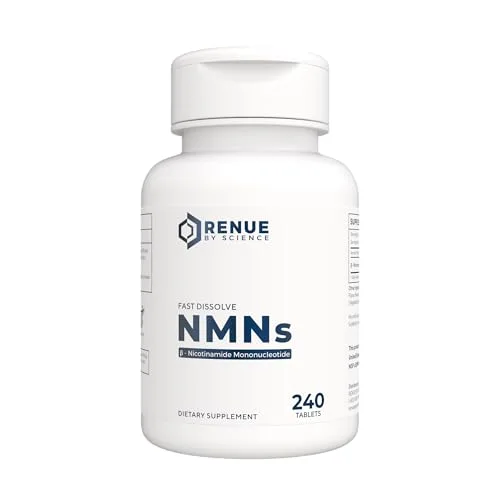
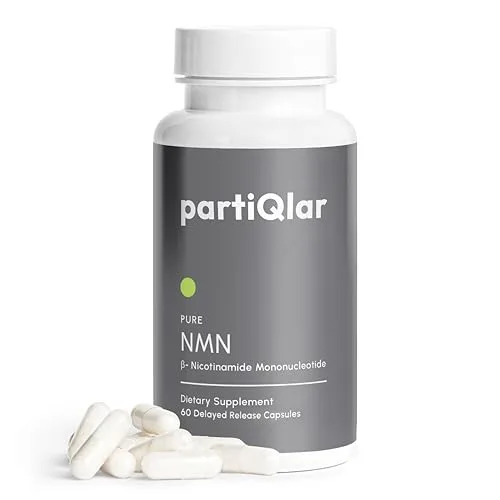
NMN CapsulesModerate-HighConvenience and consistent dosing — the most studied form in clinical trials
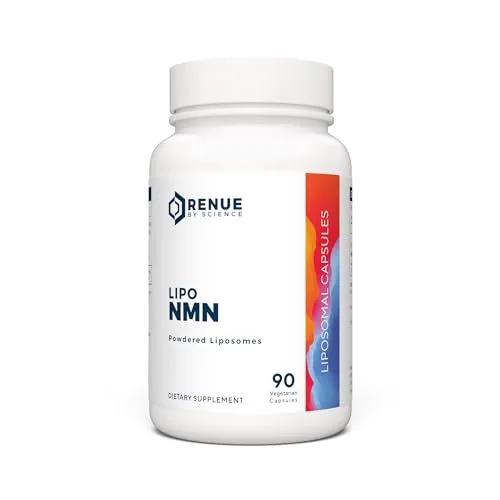
Liposomal NMNHighEnhanced absorption — lipid encapsulation protects NMN through the GI tract

Dosage Recommendations

General recommendation: 250-500mg daily, taken in the morning

Timing: Morning on an empty stomach; sublingual forms taken under the tongue for 60-90 seconds before swallowing

Dosage by Condition

ConditionRecommended DoseEvidence
General longevity / NAD+ support250-500mg dailyEmerging
Insulin sensitivity250mg dailyModerate
Exercise performance600-1200mg dailyEmerging

Upper limit: 1200mg/day (doses above this have not been studied for safety in humans)

Our Top NMN Pick

Our recommendations are based on published research, not commission rates. Some links below are affiliate links — we may earn a commission at no extra cost to you. How we evaluate products

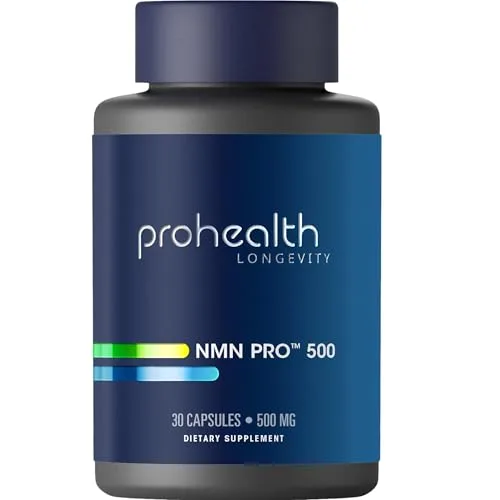
ProHealth Longevity NMN Pro 500

ProHealth Longevity NMN Pro 500

ProHealth Longevity

9.3/10
Overall — verified purity with enteric-coated delivery$1.33/serving

Side Effects and Safety

Safety profile: Generally Safe

Potential Side Effects

  • Generally well-tolerated in human trials at doses up to 1200mg/day
  • Mild GI discomfort (nausea, bloating) reported by a small number of participants
  • Flushing at higher doses due to downstream niacin pathway activity
  • Long-term safety data beyond 12 weeks is limited in humans

Drug & Supplement Interactions

  • No significant drug interactions identified in clinical trials to date
  • Theoretical concern with chemotherapy agents — NAD+ supports DNA repair in all cells, including potentially cancerous ones; consult oncologist before use
  • May interact with NAD+-depleting medications; discuss with your healthcare provider
Check NMN interactions with other supplements →
BenefitsDosage GuideSide EffectsTypes & FormsResearchFAQ

Related Conditions

Related Supplements

Looking for the best nmn supplement?

We analyzed and ranked the top products based on form, dosage, third-party testing, and value.

See Our Top Picks

Frequently Asked Questions

What is the difference between NMN and NR?

Both NMN (nicotinamide mononucleotide) and NR (nicotinamide riboside) are NAD+ precursors, but they enter the NAD+ biosynthesis pathway at different points. NMN is one enzymatic step closer to NAD+ than NR, which theoretically makes it a more direct precursor. However, NR has more published human clinical trials (notably by ChromaDex/Niagen). NMN must be converted to NR before cellular uptake in some tissues, though a dedicated NMN transporter (Slc12a8) has been identified. In practice, both effectively raise NAD+ levels, and head-to-head human comparisons are limited.

Does NMN actually slow aging?

NMN consistently reverses age-related biomarkers in animal studies — improving mitochondrial function, insulin sensitivity, and physical endurance. In humans, short-term trials confirm that NMN raises NAD+ levels and improves specific metabolic markers. However, no human trial has yet demonstrated that NMN extends lifespan or reverses biological aging clock measures. The evidence is promising but still in its early stages for longevity-specific claims.

How much NMN should I take daily?

Most human trials have used 250-500mg daily, which is sufficient to significantly elevate blood NAD+ levels. Some exercise studies have used 600-1200mg. Starting at 250mg and assessing tolerance before increasing is a practical approach. Taking NMN in the morning aligns with the body's natural circadian NAD+ rhythm.

References

  1. (). The efficacy and safety of beta-nicotinamide mononucleotide (NMN) supplementation in healthy middle-aged adults: a randomized, multicenter, double-blind, placebo-controlled, parallel-group, dose-dependent clinical trial. GeroScience. DOI
  2. (). Nicotinamide mononucleotide increases muscle insulin sensitivity in prediabetic women. Science. DOI
  3. (). Nicotinamide mononucleotide supplementation enhances aerobic capacity in amateur runners: a randomized, double-blind study. Journal of the International Society of Sports Nutrition. DOI