Supplement ScienceSupplementScience
Migraines

Best Supplements for Migraines

Prevalence: 39 million Americans affected; 3rd most prevalent illness globally

·

This content is for informational purposes only and does not constitute medical advice. Statements about dietary supplements have not been evaluated by the FDA and are not intended to diagnose, treat, cure, or prevent any disease. Individual results may vary — consult your healthcare provider before starting any supplement. Full disclaimer

Magnesium (400-600mg daily), CoQ10 (100mg three times daily), and riboflavin/vitamin B2 (400mg daily) are the three...

Magnesium (400-600mg daily), CoQ10 (100mg three times daily), and riboflavin/vitamin B2 (400mg daily) are the three most evidence-backed supplements for migraine prevention. Magnesium has the strongest support, with guideline-level recommendations from the American Academy of Neurology. Most people see a reduction in migraine frequency within 3 months of consistent use.

Get the free evidence-based Migraines guide — delivered in 60 seconds.

No spam. Unsubscribe anytime.

Overview

Migraines affect roughly 39 million Americans and over 1 billion people worldwide, making them the third most prevalent illness globally. Preventive supplementation can reduce migraine frequency and severity, with several compounds now recommended in clinical guidelines from the American Academy of Neurology and the American Headache Society.

Understanding Migraines

Migraines are a neurological disorder involving cortical spreading depression (a wave of neuronal depolarization across the brain), trigeminovascular activation, and neurogenic inflammation. They affect approximately 15% of the global population and are three times more common in women. Three supplements — magnesium, riboflavin (vitamin B2), and CoQ10 — have sufficient evidence to be recommended in the American Academy of Neurology and American Headache Society treatment guidelines. The common thread among these three is mitochondrial support: migraineurs consistently show impaired mitochondrial energy metabolism in brain tissue, and all three supplements enhance mitochondrial function through different mechanisms.

What the Research Shows

Magnesium deficiency is found in up to 50% of migraine patients, and supplementation at 400-600mg daily (usually as oxide for its high elemental content, or citrate/glycinate for better tolerance) has been shown to reduce migraine frequency by 41% in a landmark RCT by Peikert et al. (1996). A 2016 meta-analysis confirmed the finding. The mechanism involves NMDA receptor blockade and stabilization of neuronal excitability. Riboflavin (vitamin B2) at 400mg daily reduced migraine frequency by 50% in a seminal RCT by Schoenen et al. (1998), published in Neurology. The effect takes 2-3 months to fully develop, consistent with its mechanism of enhancing mitochondrial complex I and II activity. A 2017 meta-analysis by Thompson and Saluja confirmed the migraine-preventive effect. CoQ10 at 100mg three times daily (300mg total) reduced migraine frequency by 48% compared to placebo in a 2005 RCT by Sandor et al. in Neurology. Like riboflavin, CoQ10 supports mitochondrial electron transport chain function. The combination of all three — magnesium + riboflavin + CoQ10 — has shown synergistic benefits in clinical practice, though head-to-head combination trials are limited.

What to Look For in Supplements

For magnesium, 400-600mg daily as citrate or glycinate (better tolerated than oxide for long-term use). For riboflavin, 400mg daily — this is far above the RDA (1.3mg) and requires a standalone B2 supplement rather than a multivitamin. For CoQ10, ubiquinol 100-150mg twice daily with fat-containing meals. All three require 2-3 months of consistent daily use before maximum migraine reduction occurs.

What Doesn't Work (And Why)

Butterbur (Petasites hybridus) was previously recommended but concerns about pyrrolizidine alkaloid hepatotoxicity led to product recalls in multiple countries. Only PA-free butterbur is considered safe, and product availability is limited. Feverfew has inconsistent evidence — a 2015 Cochrane review found no convincing evidence of benefit. CBD oil lacks RCT evidence for migraine prevention despite anecdotal popularity. Supplemental oxygen and various herbal migraine blends have insufficient evidence.

Combination Protocol

The evidence-based migraine prevention stack combines magnesium citrate or glycinate (400-600mg elemental daily, split into two doses), riboflavin (400mg daily with breakfast), and CoQ10 ubiquinol (100-150mg twice daily with meals). This triple combination targets mitochondrial dysfunction from three complementary angles. Begin all three simultaneously — the full benefit takes 2-3 months to develop, and stopping prematurely is the most common reason for perceived treatment failure. Keep a migraine diary to track frequency reduction objectively. This stack is endorsed by the American Academy of Neurology guidelines for migraine prophylaxis.

When to See a Doctor

Supplements can reduce migraine frequency as prophylaxis; they do not treat the red-flag headaches that signal neurological emergencies. Call 911 for a sudden "thunderclap" headache that peaks within seconds, any headache with facial droop, arm weakness, slurred speech, or vision loss (stroke rule-out), headache with fever and stiff neck (meningitis), headache after head trauma with confusion or vomiting, or a new severe headache in someone over 50 or during pregnancy. Book same-week neurology evaluation for headaches that are new, worsening in frequency or severity, not responding to usual medications, accompanied by new neurologic symptoms, or associated with papilledema on fundoscopy. First-line prophylaxis includes topiramate, propranolol, amitriptyline, CGRP monoclonal antibodies, or Botox — evidence-backed supplements (magnesium 400-600mg, riboflavin 400mg, CoQ10 300mg, butterbur with PA-free standardization) are reasonable adjuncts, especially when prescription options are contraindicated.

Top Evidence-Based Supplements for Migraines

#SupplementTypical DoseEvidence
1Magnesium (Citrate or Glycinate)400-600mg dailyStrong
See top magnesium (citrate or glycinate) picks →
2Coenzyme Q10 (CoQ10)100mg three times daily (300mg total)Moderate
See top coenzyme q10 (coq10) picks →
3Vitamin B12 (with Riboflavin)1,000mcg B12 + 400mg riboflavin dailyModerate
See top vitamin b12 (with riboflavin) picks →

Top Product Picks

As an Amazon Associate, we earn from qualifying purchases. Some links below are affiliate links — this doesn't affect our editorial independence or product ratings. How we evaluate products

Doctor's Best High Absorption Magnesium Glycinate

Doctor's Best High Absorption Magnesium Glycinate

Doctor's BEST

9.2/10
Overall / Sleep support$0.17/serving
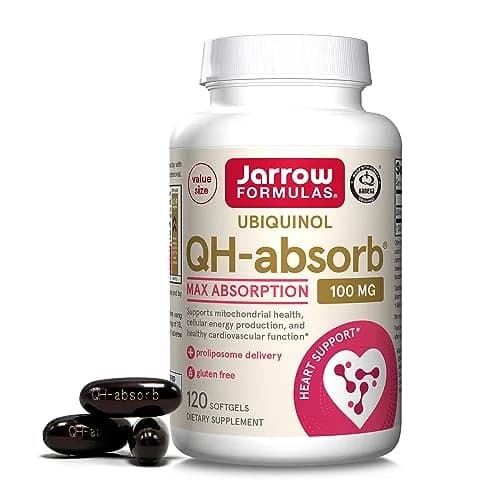
Jarrow Formulas QH-Absorb Ubiquinol 100mg

Jarrow Formulas QH-Absorb Ubiquinol 100mg

Jarrow Formulas

9.3/10
Overall best ubiquinol CoQ10$0.81/serving
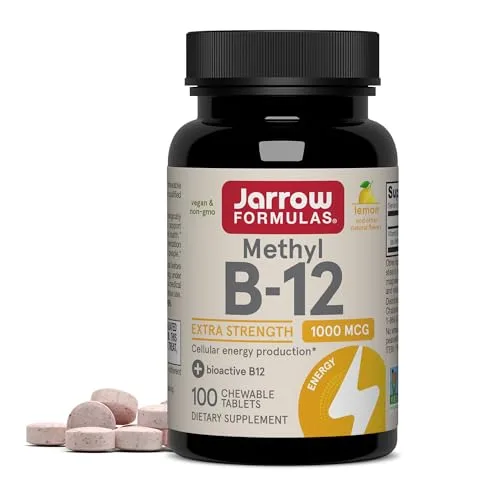
Jarrow Formulas Methyl B-12 1000mcg

Jarrow Formulas Methyl B-12 1000mcg

Jarrow Formulas

9.3/10
Overall best methylcobalamin sublingual$0.12/serving

Related Conditions

Related Research

Learn More

Frequently Asked Questions

What is the best supplement for preventing migraines?

Magnesium is the single best-supported supplement for migraine prevention. The American Academy of Neurology gives it a Level B recommendation (probably effective), and RCTs show it reduces migraine frequency by roughly 41% [1]. A Cochrane systematic review of 58 migraine prophylaxis trials confirms the evidence base for preventive treatment [1]. Magnesium citrate or glycinate at 400-600mg daily is the standard dose. Effects typically become noticeable after 6-12 weeks of consistent use.

Evidence:Meta-analysis (2004) · 58 RCTs · n=5,072 · high confidence[#1]. See full reference list below.

Can CoQ10 help with migraines?

Yes. A randomized controlled trial found that CoQ10 at 300mg daily reduced migraine frequency by nearly 48% over three months, compared to just 14% with placebo. CoQ10 is thought to work by improving mitochondrial energy production in brain cells, which may be impaired in migraine sufferers. It is well-tolerated and can be combined safely with magnesium.

How long does it take for migraine supplements to work?

Most migraine-preventive supplements require 2-3 months of consistent daily use before significant benefits appear. This is similar to prescription preventive medications. Clinical trials typically measure outcomes at the 3-month mark. If you see no improvement after 3 months at the recommended dose, the supplement may not be effective for your migraine pattern.

What natural remedies help prevent migraines?

Three supplements have strong clinical evidence for migraine prevention: magnesium (400-600mg daily, especially glycinate or threonate), riboflavin/vitamin B2 (400mg daily), and CoQ10 (100-300mg daily). A meta-analysis found magnesium reduced migraine frequency by 22%. Butterbur extract (150mg daily) also showed strong results but has been withdrawn in some markets due to liver safety concerns.

Built from 2,400+ clinical studies. Join the weekly research brief.

No spam. Unsubscribe anytime.

Continue Reading

References

  1. Meta-analysisLinde K, Rossnagel K (2004). Propranolol for migraine prophylaxis. Cochrane Database of Systematic Reviews. DOI PubMed
  2. RCTSándor PS, Di Clemente L, Coppola G, et al. (2005). Efficacy of coenzyme Q10 in migraine prophylaxis: a randomized controlled trial. Neurology. DOI PubMed