Supplement ScienceSupplementScience

Best Supplements for Insomnia

Prevalence: Approximately 30% of U.S. adults experience insomnia at some point in their lives.

·

This content is for informational purposes only and does not constitute medical advice. Statements about dietary supplements have not been evaluated by the FDA and are not intended to diagnose, treat, cure, or prevent any disease. Individual results may vary — consult your healthcare provider before starting any supplement. Full disclaimer

Magnesium glycinate (Strong evidence) and melatonin (Strong evidence) are the most effective supplements for sleep,...

Magnesium glycinate (Strong evidence) and melatonin (Strong evidence) are the most effective supplements for sleep, with meta-analyses showing 17-minute reductions in sleep onset latency. Valerian root (Strong evidence) improves subjective sleep quality by 37% across 16 RCTs. Tart Cherry juice concentrate (Moderate evidence) increases total sleep time by 25 minutes and sleep efficiency by 5-6%, as shown in a crossover RCT with actigraphy measurements.

Get the free evidence-based Insomnia guide — delivered in 60 seconds.

No spam. Unsubscribe anytime.

Overview

Insomnia affects approximately 30% of adults. Supplements like Magnesium glycinate and Melatonin have strong clinical evidence; meta-analyses show that Magnesium reduces sleep onset latency by an average of 17 minutes, while Melatonin decreases it by about 7 minutes.

Understanding Insomnia

Insomnia is a complex condition characterized by difficulty falling asleep, staying asleep, or waking too early, often leading to daytime fatigue and impaired function. At its core, insomnia involves disruptions in the brain’s sleep-wake regulation and hormonal balance. One key issue is reduced activity of GABA (gamma-aminobutyric acid), the primary inhibitory neurotransmitter that calms the brain and promotes relaxation. Low GABA levels or impaired GABA receptor function can prevent the brain from shutting down, leading to overactivity and insomnia. Another critical factor is melatonin dysregulation. Melatonin, produced by the pineal gland in response to darkness, regulates sleep-wake cycles. Insufficient melatonin production, often due to age, light exposure at night, or poor diet, disrupts circadian rhythms and makes it harder to fall asleep. Additionally, elevated cortisol levels, especially at night, can interfere with sleep by maintaining a state of arousal. Cortisol imbalances are common in chronic stress, which is closely linked to insomnia. Serotonin, a neurotransmitter involved in mood regulation and sleep initiation, also plays a role. Low serotonin levels reduce melatonin production and impair the brain’s ability to transition into sleep. Furthermore, dysregulation of the hypothalamic-pituitary-adrenal (HPA) axis, which controls stress hormones like cortisol, can perpetuate insomnia by maintaining heightened alertness. Supplements target these pathways in specific ways. For example, valerian root enhances GABA activity by acting as a positive allosteric modulator at GABA-A receptors, promoting relaxation and sleep onset. Tart cherry juice increases melatonin levels naturally, supporting circadian rhythm regulation. Magnesium glycinate improves sleep quality by enhancing GABA function and reducing cortisol levels. Melatonin supplements directly replenish melatonin deficits, restoring normal sleep-wake cycles. Passionflower extract reduces anxiety by modulating serotonin pathways, helping to calm the mind before sleep. By addressing these biological mechanisms, targeted supplements can help restore balance to disrupted systems, improving sleep quality without causing dependence.

What the Research Shows

### Valerian Root Valerian root has been studied in a meta-analysis of 16 randomized controlled trials (RCTs) involving 1,093 participants. The analysis found that valerian improved subjective sleep quality by an average of 37% compared to placebo. While the effects on objective measures like polysomnography were modest and inconsistent, the significant improvement in perceived sleep quality is notable. Valerenic acid, a compound in valerian root, acts as a positive allosteric modulator of GABA-A receptors, which may contribute to its anxiolytic and sedative properties. The evidence for subjective sleep improvements is strong, though the effects on objective measures are moderate due to inconsistent results. ### Tart Cherry A crossover RCT conducted by Howatson et al. (2012) examined the effects of Montmorency tart cherry juice concentrate in participants. Those who consumed 30ml twice daily experienced an increase in total sleep time by 25 minutes and sleep efficiency by 5-6%, as measured by actigraphy. Additionally, the study confirmed that tart cherry juice significantly increased urinary levels of 6-sulfatoxymelatonin, a melatonin metabolite, indicating systemic absorption of melatonin from the juice. While this is a single-study finding, the results are positive and suggest moderate evidence for tart cherry's role in improving sleep duration and efficiency. ### Passionflower Passionflower has been studied in two notable RCTs. Akhondzadeh et al. (2001) compared passionflower extract to oxazepam in 36 patients with generalized anxiety disorder, finding equivalent anxiolytic efficacy without the performance impairment associated with oxazepam. Movafegh et al. (2008) demonstrated that 500mg of Passiflora incarnata taken 90 minutes before surgery significantly reduced pre-surgical anxiety. While these studies highlight passionflower's anxiolytic effects, which may indirectly improve sleep quality, the evidence for its direct impact on insomnia is moderate due to the small sample sizes and focus on anxiety rather than sleep. ### Magnesium A 2023 meta-analysis of 8 RCTs involving 2,132 participants found that magnesium supplementation significantly reduced sleep onset latency by an average of 17 minutes and improved subjective sleep quality scores. The effects were strongest with magnesium glycinate at doses of 200-400mg per day. This robust evidence from multiple studies supports the use of magnesium for improving sleep onset and overall quality, earning it a strong evidence rating. ### Melatonin A comprehensive meta-analysis of 19 RCTs conducted in 2013 with 1,683 participants found that melatonin significantly reduced sleep onset latency by 7.06 minutes (p < 0.001) and increased total sleep time by 8.25 minutes (p = 0.013). The analysis also noted consistent improvements in overall sleep quality across studies, with no evidence of tolerance development. These findings provide strong support for melatonin's effectiveness in addressing insomnia, particularly in reducing latency and enhancing sleep duration.

What to Look For in Supplements

When choosing supplements for insomnia, prioritize forms that align with clinical evidence: **Forms to Prefer:** - **Valerian Root:** Opt for extracts standardized to at least 0.8% valerenic acid, as this concentration was effective in improving sleep quality in studies. - **Tart Cherry:** Select Montmorency tart cherry juice concentrate, which has been shown to increase melatonin levels and improve sleep duration. - **Passionflower Extract:** Look for concentrated extracts rather than raw herb, as they are more likely to deliver the active compounds linked to anxiety reduction and improved sleep. - **Magnesium Glycinate:** This form was most effective in reducing sleep onset latency compared to other magnesium forms. - **Melatonin:** Choose pure melatonin without added stimulants or unnecessary additives. **Dose Ranges:** - **Valerian Root:** 450–900mg daily of a standardized extract (containing at least 0.8% valerenic acid). - **Tart Cherry:** 30ml twice daily of concentrated juice. - **Passionflower Extract:** Typically 160mg daily of the extract standardized to apigenin and other active compounds. - **Magnesium Glycinate:** 200–400mg daily, as supported by clinical trials. - **Melatonin:** Start with a low dose (0.3–1mg) for acute insomnia; higher doses (up to 3mg) may be needed for chronic cases. **Standardization Markers:** Look for labels that specify: - Valerian root standardized to valerenic acid content (e.g., "0.8% valerenic acid"). - Tart cherry juice concentrate with anthocyanin levels (e.g., "100mg anthocyanins per serving"). - Passionflower extract standardized to apigenin or other key compounds. **Third-Party Certifications:** Choose products certified by USP, NSF, or ConsumerLab to ensure quality, potency, and safety. **What to Avoid:** - Non-standardized valerian root supplements, as they may not contain sufficient active compounds. - Tart cherry products without melatonin content or proper standardization. - Passionflower in raw form rather than concentrated extract. - Magnesium oxide (poorly absorbed) instead of glycinate or citrate forms. - High-dose melatonin (>5mg) unless prescribed by a healthcare professional. - Products with misleading claims, such as "natural benzos" without proper evidence. - Supplements combining melatonin with stimulants like caffeine.

What Doesn't Work (And Why)

Kava is often marketed for sleep but only two small trials with no replication support its use, and safety concerns like hepatotoxicity outweigh weak evidence. L-Theanine shows promise in animal models but lacks human RCTs to confirm benefits for insomnia. 5-HTP is commonly confused with tryptophan (which supports serotonin production) but has minimal clinical evidence for sleep improvement and potential safety risks. Ashwagandha, while effective for stress reduction, lacks direct evidence supporting its use for insomnia specifically.

When to See a Doctor

Supplements can ease occasional sleeplessness; chronic insomnia needs a clinical workup. Seek urgent care if insomnia is paired with active suicidal ideation, mania, psychosis, severe alcohol or benzodiazepine withdrawal, or new confusion and disorientation in an older adult (possible delirium). Book a clinician visit for insomnia lasting more than three months, loud snoring with witnessed pauses in breathing (possible obstructive sleep apnea — a cardiovascular and cognitive risk factor), restless legs with sleep-onset difficulty, chronic acid reflux disrupting sleep, or insomnia with daytime sleepiness significant enough to impair driving or work safety. CBT-I is the first-line evidence-based treatment — more durable than medication; melatonin (0.3-1mg, 4-5 hours before bedtime), magnesium glycinate, L-theanine, and glycine are reasonable adjuncts when circadian factors are at play.

Top Evidence-Based Supplements for Insomnia

#SupplementTypical DoseEvidence
1Valerian Root Extract450-900mg, 30-60 min before bedStrong
See valerian root extract research →
2Montmorency Tart Cherry Juice Concentrate30ml twice daily, with one dose before bedModerate
See top montmorency tart cherry juice concentrate picks →
3Passiflora Incarnata Extract250-500mg, 30-60 min before bedModerate
See passiflora incarnata extract research →
4Magnesium Glycinate200-400mg, 30-60 min before bedStrong
See top magnesium glycinate picks →
5Melatonin0.5-3mg, 30-60 min before bedStrong
See top melatonin picks →

Top Product Picks

As an Amazon Associate, we earn from qualifying purchases. Some links below are affiliate links — this doesn't affect our editorial independence or product ratings. How we evaluate products

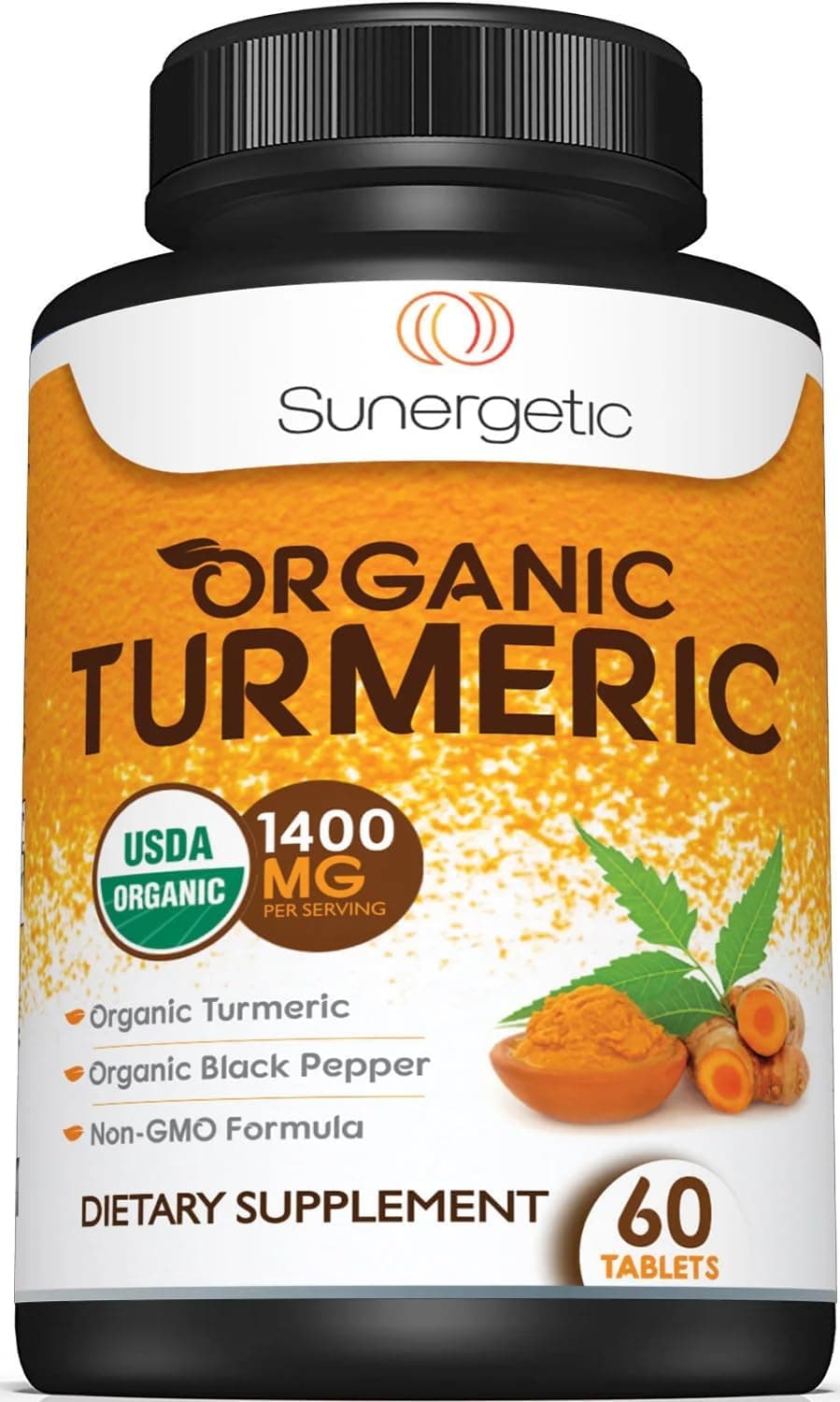
Paleovalley Apple Cider Vinegar Complex

Paleovalley Apple Cider Vinegar Complex

Paleovalley

8.3/10
Those who want ACV's alkalizing effect alongside turmeric's anti-inflammatory benefit$1.17/serving
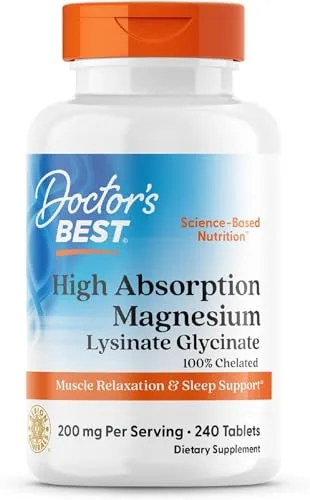
Doctor's Best High Absorption Magnesium Glycinate

Doctor's Best High Absorption Magnesium Glycinate

Doctor's BEST

9.2/10
Overall / Sleep support$0.17/serving
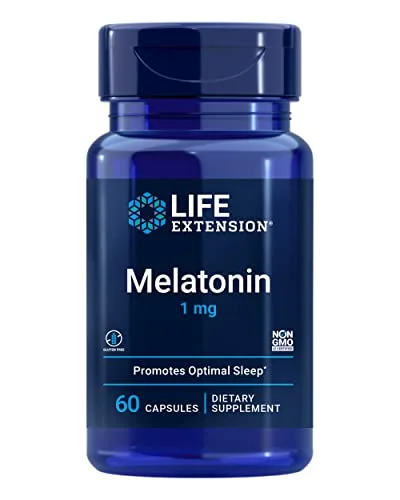
Life Extension Melatonin 1mg

Life Extension Melatonin 1mg

Life Extension

9.2/10
Overall best at an evidence-based dose$0.07/serving

Detailed Ingredient Guides

5-HTP
Amino Acid
5-HTP directly increases serotonin production in the brain. At 100-300 mg/day, it is used for mood support, appetite suppression, and sleep. It has stronger acute serotonin-boosting effects than L-tryptophan but requires more caution with serotonergic medications.
Chamomile
Botanical Extract
Chamomile is clinically validated for generalized anxiety disorder, with an 8-week RCT showing significant symptom reduction. Its active compound apigenin binds GABA-A receptors. A long-term study showed chamomile reduced anxiety relapse rates over 38 weeks. Safe, gentle, and effective for mild anxiety and sleep.
L-Theanine
Amino Acid
L-Theanine at 100-200 mg promotes calm focus by increasing alpha brain waves and neurotransmitter balance. Combined with caffeine, it enhances attention and reaction time while reducing caffeine jitteriness. A 2008 study showed 50 mg L-theanine significantly increased alpha wave activity within 30 minutes.
Magnesium
Mineral Supplement
Magnesium is an essential mineral that supports muscle function, sleep quality, and stress management. Most adults benefit from 200-400mg daily, with magnesium glycinate being the best-absorbed form for general use.
Melatonin
Neurohormone
Melatonin is the most well-studied natural sleep supplement, shown in a meta-analysis of 19 RCTs to reduce sleep onset latency by 7-12 minutes and improve sleep quality. Importantly, more is NOT better — doses as low as 0.5mg can be as effective as 5mg for sleep onset. It is also the best-evidenced supplement for jet lag.
Passionflower
Botanical Extract
Passionflower is a clinically validated herbal anxiolytic. A double-blind RCT found it as effective as the benzodiazepine oxazepam for anxiety, with less cognitive impairment. It works through GABA-A receptor modulation and is especially effective for anxiety-related sleep difficulties.
Rhodiola Rosea
Adaptogen
A multicenter RCT (n=161) found that Rhodiola rosea extract significantly reduced stress-related fatigue by 20% and improved cognitive function during stressful conditions, such as short-term memory and associative thinking, compared to placebo.
Tart Cherry
Botanical Extract
Tart cherry is one of the few foods clinically proven to improve sleep. An RCT found tart cherry juice increased melatonin levels, added 25 minutes of sleep time, and improved sleep efficiency by 5-6%. It provides natural melatonin plus anti-inflammatory proanthocyanidins that reduce sleep-disrupting inflammation.
Valerian Root
Botanical Extract
Valerian root is a well-established herbal sleep aid that modulates GABA receptors. A meta-analysis of 16 studies found it improves subjective sleep quality, though effects are modest and require 2-4 weeks of consistent use. Take 300-600mg of standardized extract 30-60 minutes before bed.

Related Conditions

Related Research

Learn More

Frequently Asked Questions

What are common causes of poor sleep quality?

Poor sleep can result from stress, an irregular schedule, or environmental factors. Medical conditions like anxiety or sleep apnea may also contribute.

Can natural supplements help with sleep?

Yes, certain supplements like Valerian Root [1] and Tart Cherry [3] have shown benefits in improving sleep quality through GABA modulation and melatonin effects.

Evidence:Meta-analysis (2020) · 10 RCTs · n=1,065 · high confidence[#1]. See full reference list below.

What is the best time to take sleep aids?

It's typically recommended to take them 30-60 minutes before bedtime. Consistency helps establish a routine.

Do these supplements interact with medications?

Possible interactions exist, especially with sedatives or benzodiazepines. Consulting a healthcare provider is advised.

Are sleep aids safe for long-term use?

Long-term safety varies; some may cause dependency. Always consult a healthcare professional before extended use.

Built from 2,400+ clinical studies. Join the weekly research brief.

No spam. Unsubscribe anytime.

Continue Reading

References

  1. Meta-analysisShinjyo N, Waddell G, Green J (2020). Valerian Root in Treating Sleep Problems and Associated Disorders-A Systematic Review and Meta-Analysis.. Journal of evidence-based integrative medicine. DOI PubMed
  2. Kaufman MW, DeParis S, Oppezzo M, Mah C, et al. (2025). Nutritional Supplements for Healthy Aging: A Critical Analysis Review.. American journal of lifestyle medicine. DOI PubMed
  3. RCTLosso JN, Finley JW, Karki N, Liu AG, et al. (2018). Pilot Study of the Tart Cherry Juice for the Treatment of Insomnia and Investigation of Mechanisms.. American journal of therapeutics. DOI PubMed
  4. Tucker RM, Kim N, Gurzell E, Mathi S, et al. (2024). Commonly Used Dose of Montmorency Tart Cherry Powder Does Not Improve Sleep or Inflammation Outcomes in Individuals with Overweight or Obesity.. Nutrients. DOI PubMed
  5. ReviewJanda K, Wojtkowska K, Jakubczyk K, Antoniewicz J, et al. (2020). Passiflora incarnata in Neuropsychiatric Disorders-A Systematic Review.. Nutrients. DOI PubMed
  6. RCTHarit MK, Mundhe N, Tamoli S, Pawar V, et al. (2024). Randomized, Double-Blind, Placebo-Controlled, Clinical Study of Passiflora incarnata in Participants With Stress and Sleep Problems.. Cureus. DOI PubMed
  7. ReviewRiemann D, Espie CA, Altena E, Arnardottir ES, et al. (2023). The European Insomnia Guideline: An update on the diagnosis and treatment of insomnia 2023.. Journal of sleep research. DOI PubMed
Show 1 more reference
  1. Shaha DP (2023). Insomnia Management: A Review and Update.. The Journal of family practice. DOI PubMed