
What the Research Says
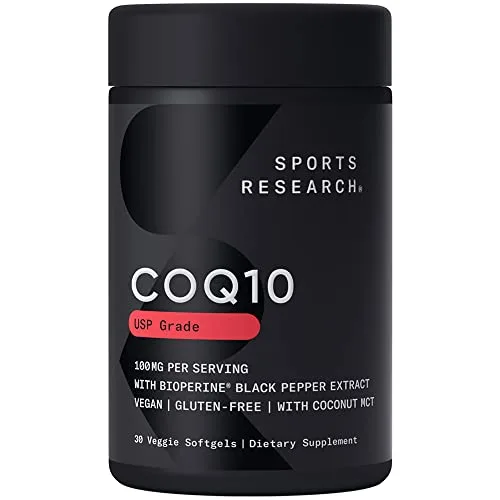
Coenzyme Q10 (CoQ10) is a well-researched compound with diverse applications supported by robust evidence. The Q-SYMBIO trial (Mortensen et al., 2014), a multicenter, randomized, double-blind study involving 420 heart failure patients, demonstrated that daily supplementation with 300mg of CoQ10 over two years significantly reduced major cardiovascular events and mortality. Rosenfeldt et al. (2007) conducted a meta-analysis of 17 randomized controlled trials (684 participants), confirming CoQ10's blood pressure-lowering effects, particularly in patients with metabolic diseases.
Recent studies have expanded CoQ10's benefits beyond cardiovascular health. Shang et al. (2024) reviewed 20 RCTs (n=2617) and found that CoQ10 supplementation improves fertility outcomes in women with ovarian aging by enhancing oocyte retrieval and embryo quality. Additionally, Daei et al. (2024) conducted a systematic review of 12 studies (n=489), showing that CoQ10 supplementation significantly improves flow-mediated dilation in a dose-dependent manner after eight weeks.
CoQ10 has also been studied for its anti-inflammatory properties. Hou et al. (2023) analyzed 31 RCTs involving 1517 participants and found that CoQ10 supplementation significantly reduces levels of inflammation-related biomarkers, including CRP, IL-6, and TNF-α. Furthermore, Salekzamani et al. (2025) reviewed six studies (n=195) and concluded that 500mg/day of CoQ10 may improve oxidative stress, inflammation, and clinical symptoms in multiple sclerosis patients.
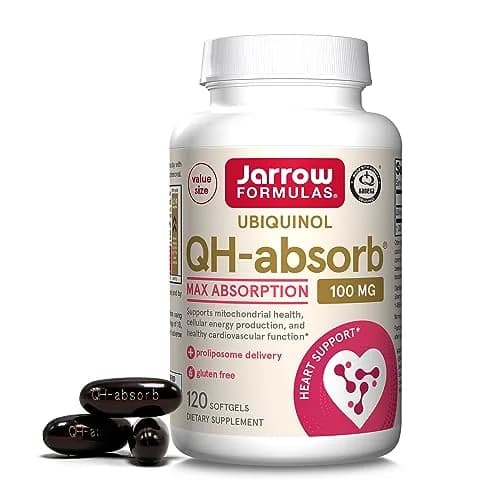
The debate between ubiquinol and ubiquinone forms centers on bioavailability, with ubiquinol being approximately twice as bioavailable. This makes it the preferred form for older adults who may have reduced conversion capacity.