SupplementScience

Best Supplements for Urinary Tract Infections (UTIs)

Prevalence: Approximately 150 million cases worldwide annually; 50-60% of women experience at least one UTI

This content is for informational purposes only and does not constitute medical advice. Consult your healthcare provider before starting any supplement. Full disclaimer

TL;DR — Quick Answer

D-mannose (2g daily for prevention) and cranberry extract (36mg proanthocyanidins/day) have the strongest evidence for UTI prevention, with RCTs showing significant reductions in recurrence rates comparable to low-dose antibiotics.

Overview

Urinary tract infections are among the most common bacterial infections, affecting approximately 150 million people worldwide annually. Women are disproportionately affected, with 50-60% experiencing at least one UTI in their lifetime. Several supplements have shown evidence for prevention of recurrent UTIs in clinical trials.
Top Evidence-Based Supplements for Urinary Tract Infections (UTIs)

#SupplementTypical DoseEvidence
1D-Mannose2g daily (prevention); 1.5g three times daily (acute)Moderate
2Cranberry Extract36mg proanthocyanidins (PACs) dailyModerate
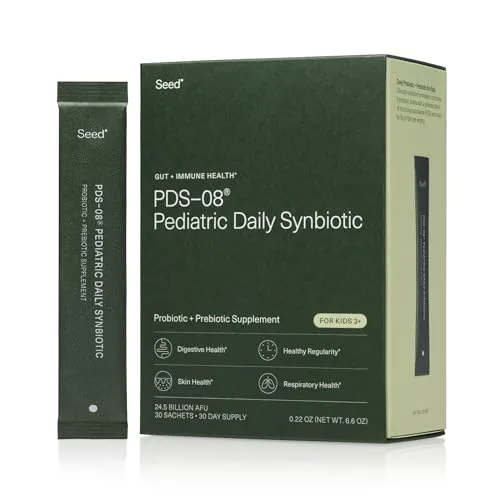
3Probiotics (Lactobacillus strains)1-10 billion CFU daily (L. rhamnosus, L. reuteri)Preliminary
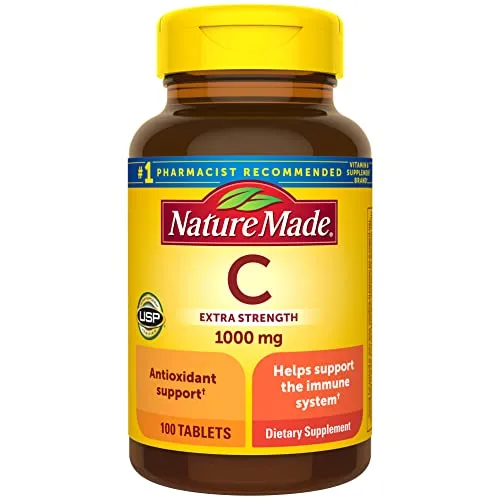
4Vitamin C500-1,000mg dailyPreliminary

Top Product Picks

Our recommendations are based on published research, not commission rates. Some links below are affiliate links — we may earn a commission at no extra cost to you. How we evaluate products

Garden of Life Dr. Formulated Probiotics Once Daily 30 Billion

Garden of Life Dr. Formulated Probiotics Once Daily 30 Billion

Garden of Life

9.2/10
Overall daily probiotic$0.43/serving
Nature Made Vitamin C 1000mg

Nature Made Vitamin C 1000mg

Nature Made

9/10
Overall best for most people$0.06/serving

Frequently Asked Questions

Does D-mannose really prevent UTIs?

Yes. A randomized controlled trial compared 2g D-mannose daily to the antibiotic nitrofurantoin for preventing recurrent UTIs over 6 months. D-mannose was equally effective, with 15% recurrence in the D-mannose group vs 20% with antibiotics, and significantly fewer side effects. D-mannose works by binding to E. coli bacteria and preventing them from adhering to the urinary tract wall.

Do cranberry supplements actually work for UTIs?

A 2023 updated Cochrane review of 50 RCTs with over 8,850 participants concluded that cranberry products reduce the risk of recurrent UTIs by about 26%, particularly in women with recurrent infections. The key is getting enough proanthocyanidins (PACs) -- at least 36mg daily. Cranberry extract capsules are more reliable than juice for delivering consistent PAC doses.

What is the best supplement to prevent recurrent UTIs?

D-mannose (2g daily) has the most compelling evidence, performing comparably to prophylactic antibiotics without promoting antibiotic resistance. Combining D-mannose with cranberry extract (36mg PACs) targets two different bacterial adhesion mechanisms and may provide superior prevention. Probiotics (Lactobacillus strains) add a third layer of defense by maintaining healthy urogenital flora.

Can vitamin C help prevent UTIs?

Vitamin C (500-1,000mg daily) has modest supporting evidence. It works by acidifying the urine, creating an inhospitable environment for bacteria, and boosting immune function. A study in pregnant women showed daily vitamin C supplementation reduced UTI incidence. While not as potent as D-mannose or cranberry for prevention, vitamin C is a reasonable addition to a comprehensive UTI prevention strategy.

References

  1. (). D-mannose powder for prophylaxis of recurrent urinary tract infections in women: a randomized clinical trial. World Journal of Urology. DOI
  2. (). Cranberries for preventing urinary tract infections. Cochrane Database of Systematic Reviews. DOI
  3. (). Probiotics for preventing urinary tract infections in adults and children. Cochrane Database of Systematic Reviews. DOI
  4. (). Daily intake of 100 mg ascorbic acid as urinary tract infection prophylactic agent during pregnancy. Acta Obstetricia et Gynecologica Scandinavica. DOI