Supplement ScienceSupplementScience
Black Cohosh supplement
Herbal Extract

Black Cohosh — Research Profile

Evidence:Strong
·

This content is for informational purposes only and does not constitute medical advice. Statements about dietary supplements have not been evaluated by the FDA and are not intended to diagnose, treat, cure, or prevent any disease. Individual results may vary — consult your healthcare provider before starting any supplement. Full disclaimer

Black cohosh is the most clinically studied herbal remedy for menopausal hot flashes.

Black cohosh is the most clinically studied herbal remedy for menopausal hot flashes. The Remifemin extract at 20-40mg daily has been shown to reduce hot flash frequency by 26-56% in clinical trials. It does not appear to act as a phytoestrogen. Effects are typically seen within 4-8 weeks.

Bottom line: Black cohosh (Remifemin) reduces menopausal hot flashes by 26-56% via serotonergic mechanisms, not estrogen. Use 20-40mg daily for 4+ weeks.

Evidence:RCT (2005) · high confidence[#2]. See full reference list below.

Key Facts

What it is
Root/rhizome extract from Actaea racemosa containing triterpene glycosides (actein) and phenolic compounds
Primary benefits
  • Reduces hot flash frequency and severity
  • Improves menopausal sleep disturbance
  • May reduce menopausal mood symptoms
  • Non-estrogenic mechanism of action
Typical dosage
20-40mg standardized root extract daily (Remifemin or equivalent)
Evidence level
Strong
Safety profile
Safe with Caution

Get the free evidence-based Black Cohosh guide — delivered in 60 seconds.

No spam. Unsubscribe anytime.

What the Research Says

Black Cohosh is well-supported by clinical evidence for alleviating menopausal symptoms. A Cochrane review by Leach and Moore (2012) analyzed 16 randomized controlled trials, concluding that black cohosh significantly reduces vasomotor symptoms compared to placebo, despite variability in study quality. Osmers et al. (2005) conducted a rigorous RCT involving 304 menopausal women, demonstrating that isopropanolic black cohosh extract (iCR), the basis of Remifemin, improved menopausal complaints over 12 weeks.

Recent studies further validate these findings. Sadahiro et al. (2023) conducted a meta-analysis of 22 studies involving 2,310 women, confirming that black cohosh extracts significantly improved overall menopausal symptoms, hot flashes, and somatic symptoms compared to placebo. Castelo-Branco et al. (2021) reviewed and analyzed data from 43 studies, reinforcing the efficacy of isopropanolic black cohosh extract in managing menopausal symptoms.

Regarding safety, Naser et al. (2011) performed a meta-analysis of five randomized controlled trials involving 1,117 women, finding no evidence of hepatotoxicity associated with isopropanolic black cohosh extract. Both the American Herbal Products Association and the European Medicines Agency have concluded that hepatotoxicity risk is very low when using standardized extracts.

These studies collectively highlight the efficacy and safety of black cohosh in managing menopausal symptoms, supported by rigorous clinical evidence.
Benefits of Black Cohosh

  • Hot flash reduction — the Cochrane review by Leach & Moore (2012) evaluated 16 RCTs and found that black cohosh significantly reduced vasomotor symptoms vs placebo, with the Remifemin extract showing the most consistent results
  • Menopausal symptom complex — Osmers et al. (2005) conducted a large RCT of 304 women and found that 40mg of isopropanolic black cohosh extract significantly improved the Menopause Rating Scale score compared to placebo over 12 weeks
  • Sleep improvement — by reducing hot flashes and night sweats, black cohosh indirectly improves sleep quality during the menopausal transition
  • Non-estrogenic safety — modern research has demonstrated that black cohosh does not stimulate estrogen receptors or increase endometrial thickness, making it potentially safe for women with estrogen-sensitive conditions (though always consult oncology)

Our Top Black Cohosh Picks

As an Amazon Associate, we earn from qualifying purchases. Some links below are affiliate links — this doesn't affect our editorial independence or product ratings. How we evaluate products

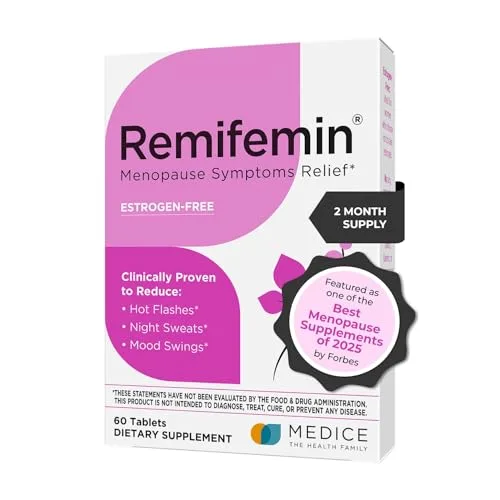
Remifemin Menopause Relief
Remifemin
#1 Top Pick
Best OverallForm: TabletPrice: $0.30/serving
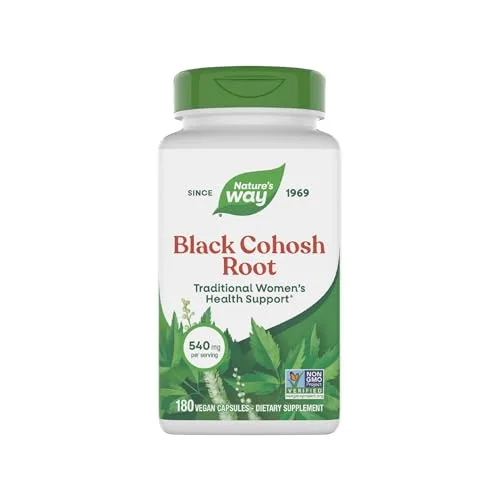
Nature's Way Black Cohosh Root 540mg
Nature's Way
Best ValueForm: CapsulePrice: $0.08/serving
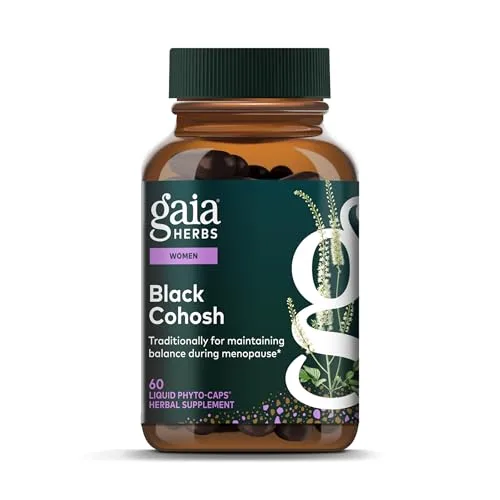
Gaia Herbs Black Cohosh
Gaia Herbs
Best OrganicForm: Liquid Phyto-CapPrice: $0.49/serving
Did you know?

Black Cohosh is well-supported by clinical evidence for alleviating menopausal symptoms.

Forms of Black Cohosh

Black Cohosh supplement forms compared by bioavailability and best use
FormBioavailabilityBest For
Isopropanolic Extract (Remifemin)HighMenopausal symptoms — a better-studied form with over 30 years of research and safety data
Ethanolic Root ExtractModerate-HighAlternative to Remifemin — other standardized extracts using ethanol extraction; ensure triterpene glycoside standardization
Dried Root PowderModerateTraditional use — less consistent results; standardization to triterpene glycosides is important for reliability

Dosage Recommendations

General recommendation: 20-40mg standardized root extract daily (standardized to triterpene glycosides)

Timing: Morning or split into two doses (morning and evening); consistent daily use is important • Take with food for best absorption.

Dosage by Condition

Menopausal hot flashes
20-40mg standardized extract daily for 8-12 weeksStrong
Perimenopausal symptoms
20mg dailyModerate
Menopausal mood and sleep
40mg dailyEmerging

Upper limit: 40mg standardized extract daily; do not exceed 6 months of continuous use without medical review

Side Effects and Safety

Safety profile: Safe with Caution

Potential Side Effects

  • GI upset — stomach discomfort, nausea, or diarrhea (most common)
  • Headache and dizziness (occasional)
  • Musculoskeletal complaints — joint or muscle pain reported in some trials
  • Rare hepatotoxicity — isolated case reports of liver injury, though causality is debated; monitor liver function if using long-term

Drug & Supplement Interactions

  • Hepatotoxic medications — potential additive liver stress; avoid combining with known hepatotoxic drugs
  • Hormone replacement therapy — effects may overlap; consult physician before combining
  • Tamoxifen and aromatase inhibitors — while black cohosh appears non-estrogenic, discuss with oncologist before use in breast cancer patients
  • Statins — both may affect liver function; monitor liver enzymes
  • Pregnancy and breastfeeding — not recommended during pregnancy because uterine-stimulating activity has been reported in traditional and observational use; avoid while breastfeeding unless specifically directed by a clinician.

Do not exceed: 40mg standardized extract daily; do not exceed 6 months of continuous use without medical review

Check Black Cohosh interactions with other supplements →
BenefitsDosage GuideSide EffectsTypes & FormsResearchFAQ

Related Conditions

Commonly Taken Together

Form Comparisons

Related Guides

Related Supplements

Looking for the best black cohosh supplement?

We analyzed and ranked the top products based on form, dosage, third-party testing, and value.

See Our Top Picks

Frequently Asked Questions

Is black cohosh safe for breast cancer survivors?

This is a nuanced question. Modern research indicates that black cohosh does not have direct estrogenic activity and does not increase estrogen levels or stimulate breast tissue. Some observational studies even suggest a possible protective association. However, given the seriousness of breast cancer, any use of black cohosh by breast cancer patients or survivors should be discussed with their oncologist. Do not self-prescribe.

Can black cohosh damage the liver?

Rare case reports of liver injury have been associated with black cohosh use, but large-scale safety reviews have not confirmed a causal link. The European Medicines Agency reviewed the evidence and concluded that the risk is very low. Many suspected cases involved contaminated or misidentified products. As a precaution, avoid black cohosh if you have existing liver disease, limit continuous use to 6 months, and report any symptoms like dark urine or jaundice to your doctor.

How does black cohosh compare to hormone replacement therapy?

Black cohosh is not as potent as HRT for menopausal symptoms. HRT typically reduces hot flashes by 80-90%, while black cohosh reduces them by 26-56%. However, black cohosh has a much more favorable side effect profile and does not carry the cardiovascular and breast cancer risks associated with long-term HRT. It is best suited for women with mild-to-moderate symptoms or those who cannot or prefer not to use HRT.

What is the best form of Black Cohosh to take?

The best-evidenced forms are standardized root/rhizome extracts, particularly the isopropanolic extract (iCR, sold as Remifemin) and ethanolic extracts, which are what most controlled trials used. The isopropanolic extract in particular was the form pooled in liver-safety and efficacy meta-analyses at 40 to 128 mg per day. There is no good evidence that raw powdered herb or non-standardized preparations perform as well as these characterized extracts.

Evidence:Meta-analysis (2011) · high confidence[#5]. See full reference list below.

What are the proven benefits of Black Cohosh?

The evidence points mainly to menopausal symptom relief. A 2023 meta-analysis found black cohosh extracts significantly improved overall menopausal symptoms (Hedges' g = 0.575) and hot flashes (Hedges' g = 0.315), but not anxiety or depressive symptoms. This picture is not unanimous: the 2012 Cochrane review found insufficient evidence to support or oppose its use, so benefit for hot flashes is plausible but not firmly proven, and evidence for any other indication is weaker still.

Evidence:Meta-analysis (2023) · high confidence[#3]. See full reference list below.

How much Black Cohosh should I take per day?

No single standardized dose is established, but menopausal-symptom trials clustered around 40 mg of root/rhizome equivalent per day, with the broader trial range spanning roughly 6.5 to 160 mg daily (the 2012 Cochrane review reported a median of 40 mg/day). Products standardized to at least 1 mg of triterpene glycosides per daily dose reflect the amount typically studied. Higher doses within this range have not been shown to work better.

Evidence:Review (2024) · high confidence[#13]. See full reference list below.

When is the best time to take Black Cohosh?

Time of day has not been compared in trials, and no evidence suggests morning versus evening dosing changes results. Studies typically split the amount across the day, for example the Remifemin regimen of one tablet twice daily (two tablets total). If it causes mild stomach upset, taking it with food may help.

Evidence:Review (2024) · high confidence[#13]. See full reference list below.

What are the side effects of Black Cohosh?

The most commonly reported side effects in clinical trials are gastrointestinal upset and skin rashes, both generally mild and transient, and overall reported rates were low. The dropout rate in trials was similar to placebo (odds ratio 0.911). The serious but rare safety signal is liver injury, reported in a number of cases without a proven causal link; warning signs to watch for include dark urine and unusual fatigue.

Evidence:Meta-analysis (2023) · high confidence[#3]. See full reference list below.

Does Black Cohosh interact with any medications?

Black cohosh is not known to have any clinically relevant medication interactions, but ODS cautions that this has not been systematically studied, so a clean record partly reflects a lack of investigation. The most relevant caution is around the liver: people taking medications that can stress the liver, or who have a liver disorder, should avoid black cohosh. Anyone on prescription medicine should clear it with a clinician before starting, since undisclosed herb mixtures in some products add uncertainty.

Evidence:Review (2024) · high confidence[#13]. See full reference list below.

Who should consider taking Black Cohosh?

Black cohosh is most relevant for women seeking non-hormonal relief of menopausal symptoms, especially hot flashes, where a 2023 meta-analysis found a modest benefit. It should be avoided in pregnancy (except under supervision) and by anyone with a liver disorder, and its safety in hormone-sensitive conditions such as breast or uterine cancer remains uncertain. It is not an evidence-based choice for anxiety or depressive symptoms, which did not improve in pooled trials.

Evidence:Meta-analysis (2023) · high confidence[#3]. See full reference list below.

How long does Black Cohosh take to show results?

The onset of benefit for black cohosh has not been directly established, and no source defines a reliable time-to-effect. Clinical trials for menopausal symptoms typically dosed daily and measured outcomes over roughly 3 to 6 months, with improvements in overall symptom scores and hot flashes captured over those windows rather than at a defined starting point. If several months of consistent daily use produce no change in hot flashes, further use is unlikely to help.

Evidence:Meta-analysis (2023) · high confidence[#3]. See full reference list below.

Is Black Cohosh safe for long-term daily use?

Long-term safety is not established. Most trials examined black cohosh for 6 months or less, and NCCIH notes it has been used in research lasting up to one year, but no published studies assess safety beyond about a year of continuous use. Because rare reports of liver injury exist without a proven causal link, people using it for extended periods should be alert to symptoms such as dark urine or fatigue.

Evidence:Review (2024) · high confidence[#13]. See full reference list below.

Can you take too much Black Cohosh?

No tolerable upper limit has been set for black cohosh, and trials have used doses ranging from about 6.5 to 160 mg per day without acute toxicity. The most common adverse effects are mild, transient gastrointestinal upset and rashes. The more serious concern is not overdose per se but rare reports of liver damage (at least 83 cases have been described) for which a causal role of black cohosh has not been proven and which may involve impurities or misidentified species.

Evidence:Review (2024) · high confidence[#13]. See full reference list below.

Can I combine Black Cohosh with other supplements?

Black cohosh is often sold in combination products alongside other botanicals, and many menopause trials tested such blends rather than the isolated extract. However, interactions between black cohosh and other supplements have not been systematically studied, so combined safety cannot be assumed. Given the theoretical liver concern, it is prudent to avoid stacking it with other products that carry hepatotoxicity signals.

Evidence:Review (2024) · high confidence[#13]. See full reference list below.

What should I look for when buying a Black Cohosh supplement?

Choose a product made from the root or rhizome and standardized to its triterpene glycoside content; ODS notes products are frequently standardized to provide at least 1 mg of triterpene glycosides per daily dose. The most-studied option, Remifemin, is standardized to be equivalent to 40 mg of black cohosh root/rhizome per daily two-tablet dose. Product quality is a genuine issue: some commercial black cohosh supplements have been found to contain the wrong Actaea species or undisclosed mixtures of other herbs, so third-party verification of identity matters.

Evidence:Review (2024) · high confidence[#13]. See full reference list below.

Continue Reading

References

  1. ReviewLeach MJ, Moore V (2012). Black cohosh (Cimicifuga spp.) for menopausal symptoms. Cochrane Database of Systematic Reviews. DOI PubMed
  2. RCTOsmers R, Friede M, Liske E, et al. (2005). Efficacy and safety of isopropanolic black cohosh extract for climacteric symptoms. Obstetrics & Gynecology. DOI PubMed
  3. Meta-analysisSadahiro R, Matsuoka LN, Zeng BS, Chen KH, et al. (2023). Black cohosh extracts in women with menopausal symptoms: an updated pairwise meta-analysis.. Menopause (New York, N.Y.). DOI PubMed
  4. Castelo-Branco C, Gambacciani M, Cano A, Minkin MJ, et al. (2021). Review & meta-analysis: isopropanolic black cohosh extract iCR for menopausal symptoms - an update on the evidence.. Climacteric : the journal of the International Menopause Society. DOI PubMed
  5. Meta-analysisNaser B, Schnitker J, Minkin MJ, de Arriba SG, et al. (2011). Suspected black cohosh hepatotoxicity: no evidence by meta-analysis of randomized controlled clinical trials for isopropanolic black cohosh extract.. Menopause (New York, N.Y.). DOI PubMed
  6. Meta-analysisShams T, Setia MS, Hemmings R, McCusker J, et al. (2010). Efficacy of black cohosh-containing preparations on menopausal symptoms: a meta-analysis.. Alternative therapies in health and medicine. PubMed
  7. Fan CW, Cieri-Hutcherson NE, Hutcherson TC (2022). Systematic Review of Black Cohosh (Cimicifuga racemosa) for Management of Polycystic Ovary Syndrome-Related Infertility.. Journal of pharmacy practice. DOI PubMed
Show 7 more references
  1. Naser B, Castelo-Branco C, Meden H, Minkin MJ, et al. (2022). Weight gain in menopause: systematic review of adverse events in women treated with black cohosh.. Climacteric : the journal of the International Menopause Society. DOI PubMed
  2. Peng J, Xu W, Li X, Wu Q (2020). [Efficacy of black cohosh extracts for improving low estrogen status induced by postoperative GnRHa treatment in patients with endometriosis: a systematic review].. Zhejiang da xue xue bao. Yi xue ban = Journal of Zhejiang University. Medical sciences. DOI PubMed
  3. Ruan X, Mueck AO, Beer AM, Naser B, et al. (2019). Benefit-risk profile of black cohosh (isopropanolic Cimicifuga racemosa extract) with and without St John's wort in breast cancer patients.. Climacteric : the journal of the International Menopause Society. DOI PubMed
  4. Fritz H, Seely D, McGowan J, Skidmore B, et al. (2014). Black cohosh and breast cancer: a systematic review.. Integrative cancer therapies. DOI PubMed
  5. Palacio C, Masri G, Mooradian AD (2009). Black cohosh for the management of menopausal symptoms : a systematic review of clinical trials.. Drugs & aging. DOI PubMed
  6. ReviewNational Institutes of Health, Office of Dietary Supplements (2024). Black Cohosh: Fact Sheet for Health Professionals. NIH Office of Dietary Supplements.
  7. ReviewNational Center for Complementary and Integrative Health (2024). Black Cohosh. NCCIH.