
We evaluated royal jelly supplements on 10-HDA content, form (fresh vs freeze-dried), standardization, third-party testing, and value per serving. Our recommendations prioritize the bioactive fatty acid 10-HDA as the primary quality marker.
Best Royal Jelly Supplements (2026)
Product pricing and availability checked
Methodology: Evidence-ranked evaluation
·
2,600+Clinical Studies Cited
·5Royal Jelly products evaluated
This content is for informational purposes only and does not constitute medical advice. Statements about dietary supplements have not been evaluated by the FDA and are not intended to diagnose, treat, cure, or prevent any disease. Individual results may vary — consult your healthcare provider before starting any supplement. Full disclaimer
As an Amazon Associate, we earn from qualifying purchases. Some links below are affiliate links — this doesn't affect our editorial independence or product ratings. How we evaluate products
Our Verdict
NOW Foods Royal Jelly is the best overall pick for its 10-HDA standardization, GMP certification, and trusted quality at a fair price.
Best By Category
The best royal jelly supplement delivers 500-1000mg per serving with verified 10-HDA (10-hydroxy-2-decenoic acid)...
The best royal jelly supplement delivers 500-1000mg per serving with verified 10-HDA (10-hydroxy-2-decenoic acid) content, sourced from reputable apiaries, and third-party or cGMP certified for purity. Fresh freeze-dried royal jelly preserves the most 10-HDA — the bioactive fatty acid unique to royal jelly.
How We Chose These Products
Products are ranked using our published scoring methodology — evidence strength, dose adequacy, ingredient form, third-party testing signals, value, and clean-label factors are weighted across the 5 criteria below. Commercial relationships do not determine our editorial rankings.
10-HDA Content
30%10-hydroxy-2-decenoic acid (10-HDA) is the unique bioactive fatty acid in royal jelly responsible for its anti-inflammatory and estrogen-like activity. Products standardized to a specific 10-HDA percentage ensure consistent potency.
Form & Bioavailability
25%Fresh royal jelly retains the full spectrum of bioactives but requires refrigeration. Freeze-dried concentrates offer convenience while preserving most 10-HDA content. Heat-processed products may degrade sensitive compounds.
Third-Party Testing
20%Independent testing verifies 10-HDA content, purity from contaminants, and absence of antibiotics sometimes found in beekeeping products. GMP certification provides baseline manufacturing quality.
Value per Serving
15%Cost per serving adjusted for 10-HDA content and serving count. A higher count container at a moderate price delivers better long-term value.
Clean Label & Allergen Transparency
10%Clear allergen warnings for bee product sensitivity, absence of unnecessary fillers, and dietary certifications (Non-GMO, Kosher, vegan capsule) add to product quality.
#1 Top Pick
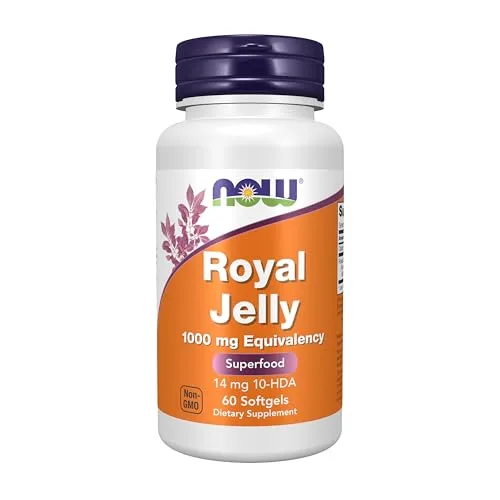
NOW Foods is a GMP-certified, NPA A-rated manufacturer with decades of quality history. This product provides standardized 10-HDA content in a convenient freeze-dried softgel, backed by Non-GMO and Kosher certifications.
IngredientFreeze-Dried Royal Jelly (10-HDA standardized)
Dose1000mg equivalent (14mg 10-HDA per softgel)
FormSoftgel
TestingThird-Party Tested
1000mg equivalent (14mg 10-HDA per softgel)Clinical range: 300-3000mg daily
Therapeutic dose
$0.27 / count$15.91 · 60 Softgels
Pros
- GMP-certified, NPA A-rated facility
- Standardized 14mg 10-HDA per serving
- Non-GMO and Kosher certified
Cons
- Only 60 softgels per bottle
- 10-HDA percentage lower than Lovita (6%)
Contains bee productsNon-GMOKosher
Quick Comparison
#1NOW Foods Royal Jelly 1000mg
9.2/10
NOW
#1 Top Pick
1,443 Amazon reviews
Best for: Overall quality and trusted daily royal jelly supplementation
Freeze-Dried Royal Jelly (10-HDA standardized) · 1000mg equivalent (14mg 10-HDA per softgel)
Softgel · Third-Party Tested
$15.91
$0.27 / count
#2Y.S. Eco Bee Farms Royal Jelly 2000mg
8.4/10
YS Organic
840 Amazon reviews
Best for: Those wanting the highest dose per capsule from a pioneer in organic beekeeping
100% Pure Freeze-Dried Royal Jelly · 2000mg equivalent per capsule
Capsule · None
$32.59
$0.43 / count
#3Carlyle Royal Jelly Capsule 120ct
8.2/10
Carlyle
1,102 Amazon reviews
Best for: Budget-friendly royal jelly from a trusted supplement brand
Royal Jelly (freeze-dried) · 500mg royal jelly per capsule
Capsule · None
$17.38
$0.14 / count
#4HEALTHFARM Royal Jelly 1000mg
7.8/10
HEALTHFARM
3 Amazon reviews
Best for: Budget-conscious users wanting the most servings per dollar
Royal Jelly with 10-HDA · 1000mg equivalent per softgel (with 10-HDA)
Softgel · None
$69.99
$69.99 / count
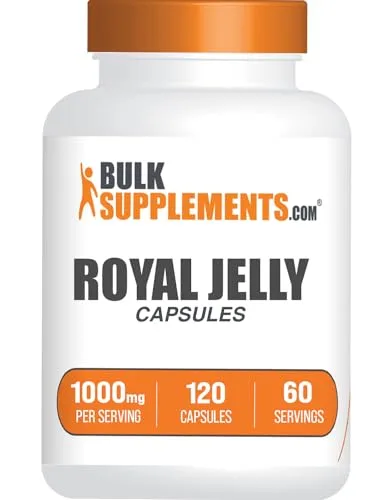
#5BulkSupplements Royal Jelly Capsules 500mg
7.6/10
BulkSupplements
45 Amazon reviews
Best for: Those who prioritize third-party tested purity and cGMP manufacturing
Royal Jelly (freeze-dried, 1000mg per 2-capsule serving) · 1000mg royal jelly per serving (2 capsules)
Capsule · Third-Party Tested
$23.96
$0.20 / count
| # | Product | Best For | Ingredient & Dose | Form & Testing | Price | Rating | |
|---|---|---|---|---|---|---|---|
| 1 | NOW Foods Royal Jelly 1000mg #1 Top Pick 1,443 Amazon reviews | Overall quality and trusted daily royal jelly supplementation | Freeze-Dried Royal Jelly (10-HDA standardized) 1000mg equivalent (14mg 10-HDA per softgel) | Softgel 60 Softgels Third-Party Tested | $15.91 $0.27 / count | 9.2/10 | |
| 2 | Y.S. Eco Bee Farms Royal Jelly 2000mg 840 Amazon reviews | Those wanting the highest dose per capsule from a pioneer in organic beekeeping | 100% Pure Freeze-Dried Royal Jelly 2000mg equivalent per capsule | Capsule None | $32.59 $0.43 / count | 8.4/10 | |
| 3 | Carlyle Royal Jelly Capsule 120ct 1,102 Amazon reviews | Budget-friendly royal jelly from a trusted supplement brand | Royal Jelly (freeze-dried) 500mg royal jelly per capsule | Capsule 120 Count None | $17.38 $0.14 / count | 8.2/10 | |
| 4 | HEALTHFARM Royal Jelly 1000mg 3 Amazon reviews | Budget-conscious users wanting the most servings per dollar | Royal Jelly with 10-HDA 1000mg equivalent per softgel (with 10-HDA) | Softgel 200 Softgel None | $69.99 $69.99 / count | 7.8/10 | |
| 5 | BulkSupplements Royal Jelly Capsules 500mg 45 Amazon reviews | Those who prioritize third-party tested purity and cGMP manufacturing | Royal Jelly (freeze-dried, 1000mg per 2-capsule serving) 1000mg royal jelly per serving (2 capsules) | Capsule 2 Capsules Third-Party Tested | $23.96 $0.20 / count | 7.6/10 |
Detailed Reviews
#1 Top Pick
NOW Foods Supplements, Royal Jelly 1000 mg with 10-HDA (Hydroxy-D-Decenoic Acid), 60 Softgels
#3 Best Sellerin Royal Jelly NutritionalNOW
1,443 Amazon reviews
9.2/10
(1,443)
Contains bee productsNon-GMOKosher
NOW Foods is a GMP-certified, NPA A-rated manufacturer with decades of quality history. This product provides standardized 10-HDA content in a convenient freeze-dried softgel, backed by Non-GMO and Kosher certifications.
IngredientFreeze-Dried Royal Jelly (10-HDA standardized)
Dose1000mg equivalent (14mg 10-HDA per softgel)
FormSoftgel
TestingThird-Party Tested
1000mg equivalent (14mg 10-HDA per softgel)Clinical range: 300-3000mg daily
Therapeutic dose
$0.27 / count$15.91 · 60 Softgels
Ideal for: Overall quality and trusted daily royal jelly supplementation
Not ideal for: Those wanting the highest 10-HDA concentration or fresh form.
Pros
- GMP-certified, NPA A-rated facility
- Standardized 14mg 10-HDA per serving
- Non-GMO and Kosher certified
- Trusted brand with 50+ year track record
Cons
- Only 60 softgels per bottle
- 10-HDA percentage lower than Lovita (6%)
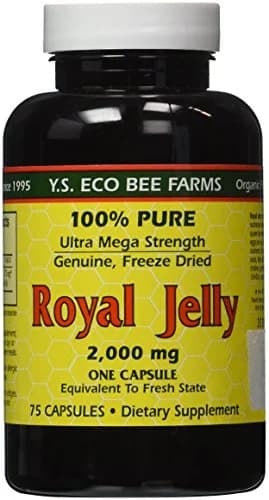
100% Pure Freeze Dried Fresh Royal Jelly - 2000 mg YS Eco Bee Farms 75 Caps
YS Organic
840 Amazon reviews
8.4/10
(840)
Contains bee products
Y.S. Eco Bee Farms is a four-generation organic beekeeping pioneer offering the highest dose at 2000mg equivalent per capsule. Ideal for users wanting maximum royal jelly intake without multiple pills.
Ingredient100% Pure Freeze-Dried Royal Jelly
Dose2000mg equivalent per capsule
FormCapsule
TestingNot verified
2000mg equivalent per capsuleClinical range: 300-3000mg daily
Therapeutic dose
$0.43 / count
Ideal for: Those wanting the highest dose per capsule from a pioneer in organic beekeeping
Not ideal for: Those who need third-party tested or 10-HDA standardized products.
Pros
- Highest dose at 2000mg per capsule
- 4-generation organic beekeeping heritage
- 100% pure freeze-dried royal jelly
- 75 capsules per bottle
Cons
- No third-party testing listed
- 10-HDA content not standardized
- Higher cost per bottle
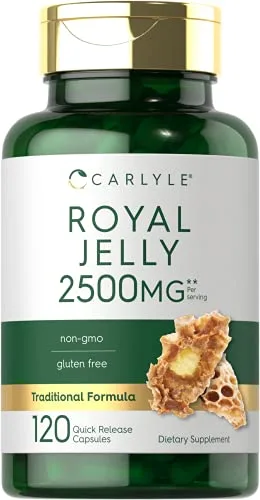
Carlyle Royal Jelly Capsule | 120 Count | Non-GMO and Gluten Free Formula | Traditional Supplement
#1 Best Sellerin Royal Jelly NutritionalCarlyle
1,102 Amazon reviews
8.2/10
(1,102)
Contains bee productsNon-GMOGluten-Free
Carlyle delivers 120 capsules at an excellent $0.14/serving price point, making it the most affordable option in this roundup. Non-GMO and gluten-free with 1,100+ Amazon reviews averaging 4.6 stars.
IngredientRoyal Jelly (freeze-dried)
Dose500mg royal jelly per capsule
FormCapsule
TestingNot verified
500mg royal jelly per capsuleClinical range: 300-3000mg daily
Therapeutic dose
$0.14 / count$17.38 · 120 Count
Ideal for: Budget-friendly royal jelly from a trusted supplement brand
Not ideal for: Those needing standardized 10-HDA content or high-dose therapy.
Pros
- 120 capsules — best value per bottle
- Trusted brand with 4.6-star Amazon rating
- Non-GMO and gluten-free
- Subscribe & Save available
Cons
- 10-HDA not standardized
- Lower 500mg dose per capsule
- No third-party certifications listed
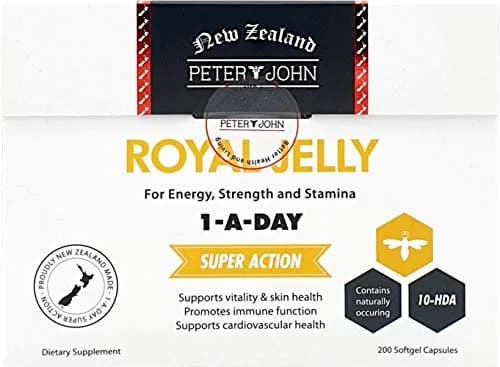
HEALTHFARM Royal Jelly 1000mg 200 Softgel Capsules 10-HDA Nutritional Supplements (1 Pack)
HEALTHFARM
3 Amazon reviews
7.8/10
(3)
Contains bee products
At 200 softgels per bottle, HEALTHFARM delivers the best count in this category at roughly $0.10 per serving. Contains 10-HDA though the exact percentage is not standardized, making it a strong budget option for daily use.
IngredientRoyal Jelly with 10-HDA
Dose1000mg equivalent per softgel (with 10-HDA)
FormSoftgel
TestingNot verified
1000mg equivalent per softgel (with 10-HDA)Clinical range: 300-3000mg daily
Therapeutic dose
$69.99 / count$69.99 · 200 Softgel
Ideal for: Budget-conscious users wanting the most servings per dollar
Not ideal for: Those who prioritize third-party testing or high 10-HDA standardization.
Pros
- 200 softgels — best count in class
- Lowest cost per serving (~$0.10)
- Contains 10-HDA
- Over 6 months supply per bottle
Cons
- No third-party testing listed
- 10-HDA not quantified on label
- Less established brand
BulkSupplements.com Royal Jelly Capsules - Royal Jelly Supplement, Nutritional Supplement - Gluten Free, 2 Capsules per Serving, 120 Count (Pack of 1)
BulkSupplements
45 Amazon reviews
7.6/10
(45)
Contains bee productsGluten-Free
BulkSupplements manufactures in a cGMP-compliant facility with third-party testing for purity and potency. The 2-capsule serving delivers a full 1000mg dose. Their transparent formulation approach appeals to ingredient-conscious consumers.
IngredientRoyal Jelly (freeze-dried, 1000mg per 2-capsule serving)
Dose1000mg royal jelly per serving (2 capsules)
FormCapsule
TestingThird-Party Tested
1000mg royal jelly per serving (2 capsules)Clinical range: 300-3000mg daily
Therapeutic dose
$0.20 / count$23.96 · 2 Capsules
Ideal for: Those who prioritize third-party tested purity and cGMP manufacturing
Not ideal for: Those wanting the lowest price or a single-capsule serving.
Pros
- Third-party tested for purity
- cGMP-compliant manufacturing
- Full 1000mg clinical dose per serving
- Gluten-free formula
Cons
- 2 capsules per serving
- Fewer reviews (newer product)
- Higher price per serving
Pairs Well With
Frequently taken together based on complementary benefits
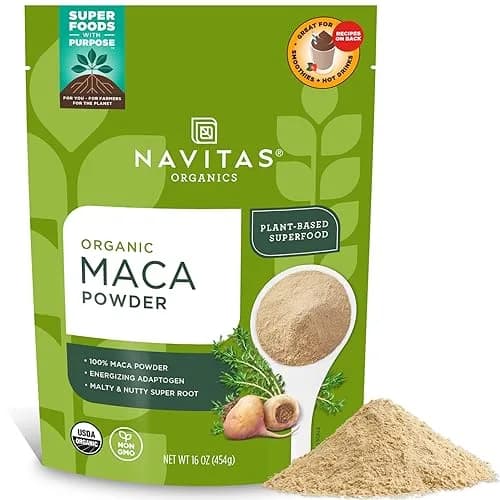
Maca Root
Navitas Organics Maca Powder
3000mg (1 tablespoon) gelatinized maca per serving
How to Choose
Why 10-HDA Matters
10-hydroxy-2-decenoic acid (10-HDA) is the signature bioactive compound in royal jelly, responsible for its anti-inflammatory effects via NF-kB inhibition and its estrogen-like activity that supports hormonal balance. Products standardized to a specific 10-HDA percentage (typically 5-6%) ensure you receive a consistent, effective dose. Generic royal jelly without 10-HDA standardization may contain variable and potentially subtherapeutic amounts.
Fresh vs Freeze-Dried
Fresh royal jelly preserves the complete matrix of proteins (including royalactin), lipids, vitamins, and bioactive compounds in their natural state. However, it must be refrigerated and consumed within weeks. Freeze-drying removes water while preserving most bioactives including 10-HDA, extending shelf life to months. Both forms are effective — the choice depends on whether you prioritize whole-food purity or daily convenience.
Bee Allergy Warning
Royal jelly can cause severe allergic reactions in people with bee venom allergies, asthma, or atopic dermatitis. Reported reactions range from mild skin irritation to anaphylaxis. If you have any history of bee sting allergies or allergic conditions, consult an allergist before trying royal jelly. Start with a very small dose and monitor for 24 hours before taking a full serving.
Storage Requirements
Fresh royal jelly must be refrigerated (ideally below 5C/41F) and used within the timeframe indicated on the label. Freeze-dried capsules and softgels should be stored in a cool, dry place away from direct sunlight. Heat and moisture degrade 10-HDA and other bioactive compounds over time. Never leave royal jelly products in a hot car or humid bathroom.
Clinical Dosing
Human clinical trials have used royal jelly doses ranging from 300mg to 3000mg daily. For menopausal symptom relief, studies like Asama et al. (2018) used 800mg of enzyme-treated royal jelly. For cholesterol reduction, Guo et al. (2007) used 3000mg daily. Most general wellness doses fall in the 1000-2000mg range. Match your dose to your specific health goal and start at the lower end.
Ready to Buy?
NOW Foods Royal Jelly 1000mg
9.2/10$0.27 / countBest for: Overall quality and trusted daily royal jelly supplementation
NOW Foods Royal Jelly is the best overall pick for its 10-HDA standardization, GMP certification, and trusted quality at a fair price.
Evidence:RCT (2007) · n=15 · high confidence[#4]. See full reference list below.Read Our Full Royal Jelly Research Guide
Evidence level, dosage, side effects, and more →
Already taking supplements?
Check how Royal Jelly fits with your current stack — interactions, timing, and optimization →
Related Supplements
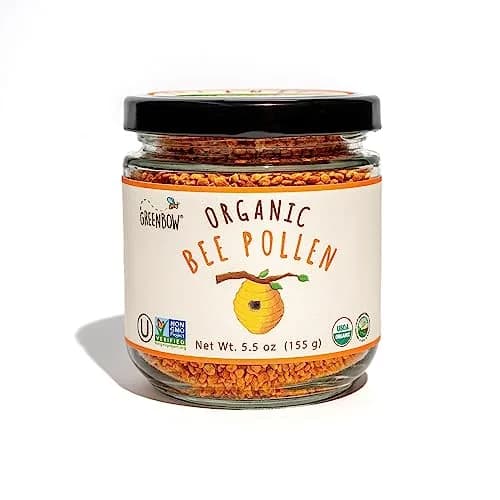
Bee PollenEmerging
Bottom line: Bee pollen is a nutrient-dense antioxidant source with promising anti-inflammatory properties, but human clinical evidence remains limited.
Top picks →Related Conditions
Frequently Asked Questions
What is 10-HDA and why is it important in royal jelly?
What is 10-HDA and why is it important in royal jelly?
10-HDA (10-hydroxy-2-decenoic acid) is a unique fatty acid found exclusively in royal jelly. It has demonstrated anti-inflammatory activity through NF-kB pathway inhibition, estrogen-like effects that may support hormonal balance during menopause, and immunomodulatory properties. 10-HDA content is the most reliable quality marker for royal jelly supplements — products standardized to 5-6% 10-HDA deliver the most consistent therapeutic benefit.
Is fresh royal jelly better than freeze-dried?
Is fresh royal jelly better than freeze-dried?
Fresh royal jelly contains the complete bioactive profile in its natural matrix, which some researchers believe offers superior bioavailability. However, properly freeze-dried royal jelly retains most bioactive compounds including 10-HDA. The key difference is convenience versus purity — freeze-dried products are shelf-stable and easier to dose, while fresh products require refrigeration but may contain heat-sensitive compounds lost during processing.
Can I take royal jelly if I'm allergic to bees?
Can I take royal jelly if I'm allergic to bees?
No. Royal jelly can trigger severe allergic reactions including anaphylaxis in people with bee venom allergies. People with asthma, atopic dermatitis, or other allergic conditions are also at higher risk. If you have any history of bee-related allergies, do not take royal jelly supplements without consulting an allergist first.
How much royal jelly should I take daily?
How much royal jelly should I take daily?
Clinical studies have used doses ranging from 300mg to 3000mg daily depending on the health goal. For general wellness, 1000mg daily is a common starting dose. For menopausal symptoms, 800mg of enzyme-treated royal jelly was effective in clinical trials. For cholesterol management, doses up to 3000mg daily have been studied. Start at the lower end and adjust based on your response.
Evidence:RCT (2007) · n=15 · high confidence[#4]. See full reference list below.Does royal jelly help with menopause symptoms?
Does royal jelly help with menopause symptoms?
Emerging evidence suggests royal jelly may help with menopausal symptoms. Asama et al. (2018) found that enzyme-treated royal jelly improved anxiety, backache, and low back pain in menopausal women. The 10-HDA in royal jelly has estrogen-like activity that may partially explain these effects. However, the evidence is still emerging and more large-scale trials are needed.
How should I store royal jelly supplements?
How should I store royal jelly supplements?
Fresh royal jelly must be refrigerated at all times (below 5C/41F) and used before the expiration date. Freeze-dried capsules and softgels should be stored in a cool, dry place away from direct sunlight and heat. Never store any royal jelly product in a hot car, humid bathroom, or near a stove. Proper storage preserves the 10-HDA content and overall potency.
Can royal jelly interact with medications?
Can royal jelly interact with medications?
Royal jelly may interact with blood-thinning medications (warfarin) by potentially enhancing their effects. It may also interact with blood pressure medications due to its own mild hypotensive properties. If you take any prescription medications, especially anticoagulants or antihypertensives, consult your healthcare provider before adding royal jelly to your regimen.
What makes NOW Foods Royal Jelly the top pick over fresh options?
What makes NOW Foods Royal Jelly the top pick over fresh options?
NOW Foods offers the best combination of quality assurance (GMP-certified, NPA A-rated), standardized 10-HDA content (14mg per softgel), and convenience at a reasonable price. While fresh royal jelly may contain a broader bioactive profile, the lack of standardization, refrigeration requirements, and shorter shelf life make it less practical for most users. NOW Foods delivers reliable, tested quality with every softgel.
Continue Reading
References
- RCTGuo H, Saiga A, Sato M, et al. (2007). Royal jelly supplementation improves lipoprotein metabolism in humans. Journal of Nutritional Science and Vitaminology. DOI PubMed
- ReviewPasupuleti VR, Sammugam L, Ramesh N, Gan SH. (2017). Honey, propolis, and royal jelly: a comprehensive review of their biological actions and health benefits. Oxidative Medicine and Cellular Longevity. DOI PubMed