
We evaluated flaxseed oil supplements on ALA omega-3 content, organic/cold-pressed sourcing, third-party testing, lignan content, and value per serving. Our picks span liquid and softgel formats for every budget.
Best Flaxseed Oil Supplements (2026)
Product pricing and availability checked
Methodology: Evidence-ranked evaluation
·
2,600+Clinical Studies Cited
·5Flaxseed Oil products evaluated
This content is for informational purposes only and does not constitute medical advice. Statements about dietary supplements have not been evaluated by the FDA and are not intended to diagnose, treat, cure, or prevent any disease. Individual results may vary — consult your healthcare provider before starting any supplement. Full disclaimer
As an Amazon Associate, we earn from qualifying purchases. Some links below are affiliate links — this doesn't affect our editorial independence or product ratings. How we evaluate products
Our Verdict
The best flaxseed oil supplement is cold-pressed organic oil delivering at least 1000mg ALA per softgel, packaged in dark glass or nitrogen-flushed softgels to prevent oxidation.
Best By Category
The best flaxseed oil provides 1000-1200mg per softgel of cold-pressed organic ALA (alpha-linolenic acid) — the...
The best flaxseed oil provides 1000-1200mg per softgel of cold-pressed organic ALA (alpha-linolenic acid) — the plant-derived omega-3. Because ALA oxidizes rapidly, look for dark amber glass, nitrogen flushing, and added vitamin E. Conversion to EPA/DHA is modest (5-10%), so vegans needing direct EPA/DHA should consider algal omega-3.
How We Chose These Products
Products are ranked using our published scoring methodology — evidence strength, dose adequacy, ingredient form, third-party testing signals, value, and clean-label factors are weighted across the 5 criteria below. Commercial relationships do not determine our editorial rankings.
ALA Content per Serving
30%ALA (alpha-linolenic acid) is the primary bioactive omega-3 in flaxseed oil. Higher ALA per serving means fewer capsules or smaller doses needed to reach clinical thresholds.
Organic & Cold-Pressed Sourcing
25%Cold-pressing preserves ALA integrity — heat extraction damages omega-3 fatty acids. Organic certification ensures no pesticide residues in the oil.
Third-Party Testing
20%Independent testing (USP, NSF, or lab certificates) verifies omega-3 content and screens for oxidation, heavy metals, and contaminants. USP Verified is the gold standard.
Lignan Content
10%Flax lignans (SDG) provide additional cardiovascular and hormonal benefits beyond ALA alone. Most refined oils remove lignans unless specifically retained.
Value per Serving
15%Cost per effective serving of ALA omega-3. Liquid formats generally deliver far more ALA per dollar than softgels.
#1 Top Pick
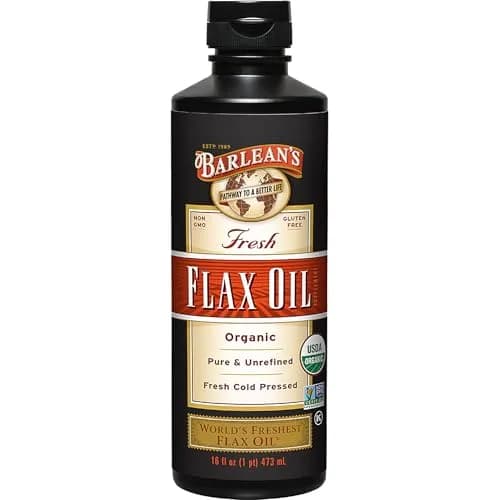
Industry pioneer since 1989 with the highest ALA content per serving of any flaxseed oil. Cold-pressed in a light-protected facility within hours of pressing to preserve freshness. Delivers over 10x the ALA of a single softgel.
IngredientOrganic Cold-Pressed Flaxseed Oil
Dose1 tbsp (15mL): 7,640mg ALA omega-3
FormLiquid
TestingUSDA Organic, Non-GMO Project Verified
1 tbsp (15mL): 7,640mg ALA omega-3Clinical range: 1-2 tablespoons (15-30 mL) daily or 1-3g softgels
Clinical dose
$1.75 / ounce
Pros
- Highest ALA content (7,640mg per tbsp)
- USDA Organic and Non-GMO Verified
- Cold-pressed for omega-3 integrity
Cons
- Requires refrigeration after opening
- Less portable than softgels
VeganGluten-freeNon-GMO
Quick Comparison
#1Barlean's Organic Flaxseed Oil Liquid 16oz
9.4/10
Barlean's
#1 Top Pick
12,561 Amazon reviews
Best for: Maximum ALA omega-3 intake
Organic Cold-Pressed Flaxseed Oil · 1 tbsp (15mL): 7,640mg ALA omega-3
Liquid · USDA Organic, Non-GMO Project Verified
$27.99
$1.75 / ounce
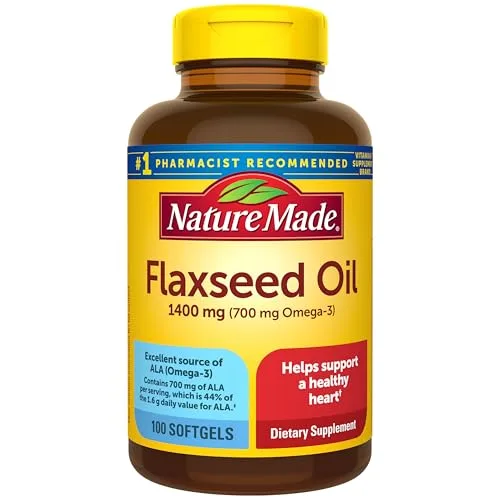
#2Nature Made Extra Strength Flaxseed Oil 1400mg
8.5/10
Nature Made
13,407 Amazon reviews
Best for: Budget pick with gold-standard USP verification
Flaxseed Oil · 1 softgel: 1,400mg oil / 700mg ALA omega-3
Softgel · USPUSP Verified
$10.88
$0.11 / count
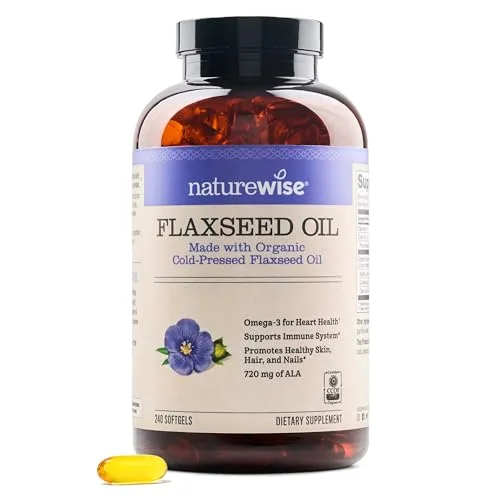
#3NatureWise Organic Flaxseed Oil 1242mg
8.6/10
NatureWise
9,573 Amazon reviews
Best for: long-term softgel value (8-month supply)
Organic Cold-Pressed Flaxseed Oil · 1 softgel: 1,242mg oil / 720mg ALA omega-3
Softgel · Third-Party Tested
$18.99
$0.08 / count
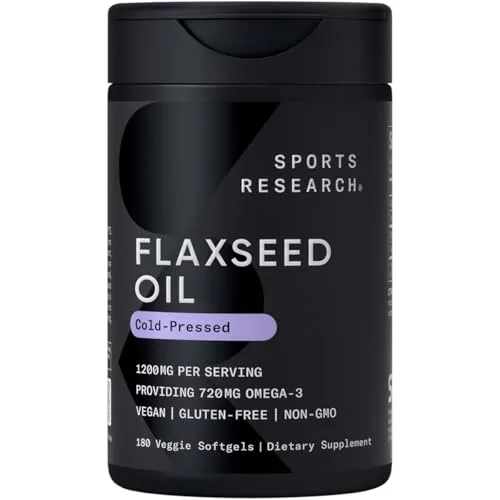
#4Sports Research Vegan Flaxseed Oil 1200mg
8.4/10
Sports Research
1,623 Amazon reviews
Best for: Vegans and vegetarians wanting omega-3 softgels
Organic Cold-Pressed Flaxseed Oil · 1 veggie softgel: 1,200mg oil / 720mg ALA omega-3
Veggie Softgel · Vegan Certified, Non-GMO Project Verified
$24.95
$0.14 / count
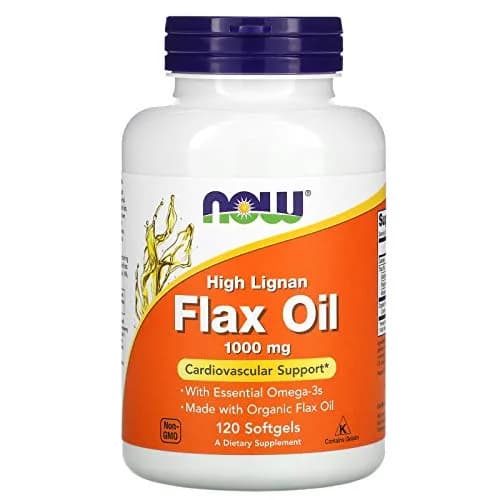
#5NOW Foods High Lignan Flax Oil 1000mg
8.2/10
NOW
381 Amazon reviews
Best for: Cardiovascular support with added lignan benefits
Organic Flaxseed Oil (High Lignan) · 1 softgel: 1,000mg organic flax oil (high lignan content)
Softgel · GMP Certified, Third-Party Tested
$13.05
$0.11 / count
| # | Product | Best For | Ingredient & Dose | Form & Testing | Price | Rating | |
|---|---|---|---|---|---|---|---|
| 1 | Barlean's Organic Flaxseed Oil Liquid 16oz #1 Top Pick 12,561 Amazon reviews | Maximum ALA omega-3 intake | Organic Cold-Pressed Flaxseed Oil 1 tbsp (15mL): 7,640mg ALA omega-3 | Liquid USDA Organic, Non-GMO Project Verified | $27.99 $1.75 / ounce | 9.4/10 | |
| 2 | Nature Made Extra Strength Flaxseed Oil 1400mg 13,407 Amazon reviews | Budget pick with gold-standard USP verification | Flaxseed Oil 1 softgel: 1,400mg oil / 700mg ALA omega-3 | Softgel 100 Softgels USPUSP Verified | $10.88 $0.11 / count | 8.5/10 | |
| 3 | NatureWise Organic Flaxseed Oil 1242mg 9,573 Amazon reviews | long-term softgel value (8-month supply) | Organic Cold-Pressed Flaxseed Oil 1 softgel: 1,242mg oil / 720mg ALA omega-3 | Softgel 240 Softgels Third-Party Tested | $18.99 $0.08 / count | 8.6/10 | |
| 4 | Sports Research Vegan Flaxseed Oil 1200mg 1,623 Amazon reviews | Vegans and vegetarians wanting omega-3 softgels | Organic Cold-Pressed Flaxseed Oil 1 veggie softgel: 1,200mg oil / 720mg ALA omega-3 | Veggie Softgel Vegan Certified, Non-GMO Project Verified | $24.95 $0.14 / count | 8.4/10 | |
| 5 | NOW Foods High Lignan Flax Oil 1000mg 381 Amazon reviews | Cardiovascular support with added lignan benefits | Organic Flaxseed Oil (High Lignan) 1 softgel: 1,000mg organic flax oil (high lignan content) | Softgel 120 Softgels GMP Certified, Third-Party Tested | $13.05 $0.11 / count | 8.2/10 |
Detailed Reviews
#1 Top Pick
Barlean's Organic Flaxseed Oil Liquid from Fresh Cold Pressed Flax Seeds, 7,640mg ALA Omega 3 Fatty Acid Supplement for Healthy Hair and Skin, Vegan and Gluten Free, 16 oz
#1 Best Sellerin Flaxseed OilsBarlean's
12,561 Amazon reviews
9.4/10
(12,561)
VeganGluten-freeNon-GMO
Industry pioneer since 1989 with the highest ALA content per serving of any flaxseed oil. Cold-pressed in a light-protected facility within hours of pressing to preserve freshness. Delivers over 10x the ALA of a single softgel.
IngredientOrganic Cold-Pressed Flaxseed Oil
Dose1 tbsp (15mL): 7,640mg ALA omega-3
FormLiquid
TestingUSDA Organic, Non-GMO Project Verified
1 tbsp (15mL): 7,640mg ALA omega-3Clinical range: 1-2 tablespoons (15-30 mL) daily or 1-3g softgels
Clinical dose
$1.75 / ounce
Ideal for: Maximum ALA omega-3 intake
Not ideal for: Those who dislike the taste of flaxseed oil or need portable supplements.
Pros
- Highest ALA content (7,640mg per tbsp)
- USDA Organic and Non-GMO Verified
- Cold-pressed for omega-3 integrity
- Industry pioneer since 1989
Cons
- Requires refrigeration after opening
- Less portable than softgels
- Some users dislike the taste
Nature Made Extra Strength Flaxseed Oil 1400 mg, Fish Free Omega 3 Supplement, Dietary Supplement for Heart Health Support, 100 Softgels, 100 Day Supply
#1 Best Sellerin Flax Seed OilNature Made
13,407 Amazon reviews
8.5/10
(13,407)
Gluten-freeNo artificial flavors
The only flaxseed oil supplement on our list with USP Verified certification — the gold standard for supplement testing that verifies potency, purity, and dissolution. Highest oil content per softgel (1,400mg) at an affordable price.
IngredientFlaxseed Oil
Dose1 softgel: 1,400mg oil / 700mg ALA omega-3
FormSoftgel
TestingUSP Verified
1 softgel: 1,400mg oil / 700mg ALA omega-3Clinical range: 1-2 tablespoons (15-30 mL) daily or 1-3g softgels
Therapeutic dose
$0.11 / count$10.88 · 100 Softgels
Ideal for: Budget pick with gold-standard USP verification
Not ideal for: Those seeking organic or cold-pressed sourcing, or lignan content.
Pros
- USP Verified (gold standard testing)
- Highest oil per softgel (1,400mg)
- Trusted pharmacy brand
- Affordable price point
Cons
- Not organic or cold-pressed
- Only 100-count bottle
- No lignan content
NatureWise Flaxseed Oil 1,242 mg, Fish Free Omega 3 6 9 with 720mg ALA, Dietary Supplement for Heart Health Support - Organic, Cold Pressed, Non-GMO - 240 Softgels[8-Month Supply]
#1 Best Sellerin Flaxseed Herbal SupplementsNatureWise
9,573 Amazon reviews
8.6/10
(9,573)
Gluten-freeNon-GMO
Outstanding value at 240 softgels per bottle — a full 8-month supply at one softgel daily. Organic, cold-pressed flaxseed oil with 720mg ALA per capsule. Third-party tested for purity.
IngredientOrganic Cold-Pressed Flaxseed Oil
Dose1 softgel: 1,242mg oil / 720mg ALA omega-3
FormSoftgel
TestingThird-Party Tested
1 softgel: 1,242mg oil / 720mg ALA omega-3Clinical range: 1-2 tablespoons (15-30 mL) daily or 1-3g softgels
Therapeutic dose
$0.08 / count$18.99 · 240 Softgels
Ideal for: long-term softgel value (8-month supply)
Not ideal for: Those seeking the highest ALA per serving or lignan content.
Pros
- 240-count bottle (8-month supply)
- Organic cold-pressed oil
- Third-party tested
- Excellent per-serving value
Cons
- Gelatin softgels (not vegan)
- Much less ALA than liquid format
- No lignan content
Sports Research Vegan Flaxseed Oil (1200mg) Herbal Supplement with Plant-Based ALA Omega 3 - Vegan Certified & Non-GMO Verified - Gluten, Soy & Carrageenan Free (180 Veggie Softgels)
Sports Research
1,623 Amazon reviews
8.4/10
(1,623)
VeganGluten-freeNon-GMOSoy-free
The only flaxseed oil softgel on our list using plant-based Plantgel capsules instead of gelatin. Vegan Certified and Non-GMO Verified with 720mg ALA per serving. Ideal for strict plant-based diets.
IngredientOrganic Cold-Pressed Flaxseed Oil
Dose1 veggie softgel: 1,200mg oil / 720mg ALA omega-3
FormVeggie Softgel
TestingVegan Certified, Non-GMO Project Verified
1 veggie softgel: 1,200mg oil / 720mg ALA omega-3Clinical range: 1-2 tablespoons (15-30 mL) daily or 1-3g softgels
Therapeutic dose
$0.14 / count
Ideal for: Vegans and vegetarians wanting omega-3 softgels
Not ideal for: Those on a tight budget or seeking maximum ALA per dollar.
Pros
- 100% vegan Plantgel capsules
- Vegan Certified and Non-GMO Verified
- 720mg ALA per serving
- Cold-pressed organic oil
Cons
- Higher price than gelatin softgels
- 180-count vs competitors' larger bottles
- Partial clinical dose per capsule
NOW Supplements, Flax Oil 1000 mg made with Organic Flax Oil, High Lignan, 120 Softgels
NOW
381 Amazon reviews
8.2/10
(381)
Gluten-freeNon-GMO
Unique high-lignan formula retains the beneficial SDG lignans that most flaxseed oil processing removes. Lignans provide additional cardiovascular and hormonal benefits beyond ALA alone. GMP certified with third-party testing at an affordable price.
IngredientOrganic Flaxseed Oil (High Lignan)
Dose1 softgel: 1,000mg organic flax oil (high lignan content)
FormSoftgel
TestingGMP Certified, Third-Party Tested
1 softgel: 1,000mg organic flax oil (high lignan content)Clinical range: 1-2 tablespoons (15-30 mL) daily or 1-3g softgels
Therapeutic dose
$0.11 / count$13.05 · 120 Softgels
Ideal for: Cardiovascular support with added lignan benefits
Not ideal for: Those wanting the highest ALA per capsule or vegan capsules.
Pros
- High lignan content (SDG retained)
- GMP certified facility
- Third-party tested
- Budget-friendly price
Cons
- Lower oil dose (1,000mg vs 1,200mg+)
- Only 120-count bottle
- Gelatin softgels (not vegan)
Pairs Well With
Frequently taken together based on complementary benefits
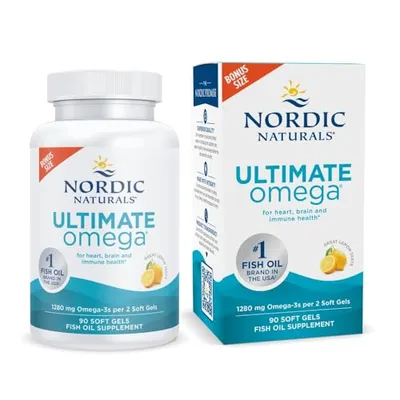
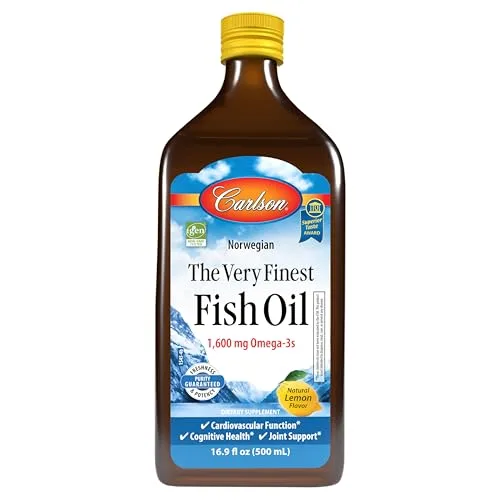
Fish Oil
Carlson The Very Finest Fish Oil Liquid
Staff Pick
1,600mg omega-3s per tsp (EPA 800mg + DHA 600mg + DPA 70mg)How to Choose
Liquid vs. Softgels: The ALA Trade-Off
One tablespoon of liquid flaxseed oil delivers 7,640mg of ALA — you would need 10+ softgels to match that. Liquid is the clear winner for maximizing ALA intake. However, softgels offer convenience, portability, and no taste. If you struggle with the nutty flavor of liquid flax oil or travel frequently, softgels at 2-3 per day provide a reasonable 1,400-2,160mg ALA dose.
Why Cold-Pressed Matters
ALA omega-3 is highly sensitive to heat and light. Cold-pressed (or expeller-pressed) extraction keeps temperatures below 120°F, preserving the ALA structure. Heat-extracted oils may contain oxidized fatty acids that are less beneficial and potentially harmful. Look for 'cold-pressed' or 'expeller-pressed' on the label. Barlean's presses and bottles within hours to minimize oxidation.
ALA Conversion Limitation
The body converts only 5-10% of ALA to EPA and less than 1% to DHA — the omega-3s with the strongest cardiovascular evidence. This means flaxseed oil is not a direct substitute for fish oil. However, ALA has its own independent benefits for blood pressure, LDL cholesterol, and inflammation. If you need EPA/DHA specifically, consider algae oil (vegan) or fish oil alongside flaxseed oil.
Storage and Light Protection
Flaxseed oil is highly prone to oxidation (rancidity). Liquid oil must be refrigerated after opening and used within 6-8 weeks. Look for dark bottles that block UV light. Never cook with flaxseed oil — heat destroys the ALA. Softgels have a longer shelf life because the capsule shell protects the oil from air and light, but should still be stored in a cool, dry place.
Ready to Buy?
Barlean's Organic Flaxseed Oil Liquid 16oz
9.4/10$1.75 / ounceBest for: Maximum ALA omega-3 intake
The best flaxseed oil supplement is cold-pressed organic oil delivering at least 1000mg ALA per softgel, packaged in dark glass or nitrogen-flushed softgels to prevent oxidation.
Evidence:Meta-analysis (2009) · 28 RCTs · moderate confidence[#2]. See full reference list below.Read Our Full Flaxseed Oil Research Guide
Evidence level, dosage, side effects, and more →
Already taking supplements?
Check how Flaxseed Oil fits with your current stack — interactions, timing, and optimization →
Related Supplements
Omega-3Strong
Bottom line: Omega-3s have strong evidence for heart, brain, and joint health. Take 1,000-2,000mg EPA+DHA daily — choose triglyceride form fish oil or algal oil for vegans.
Top picks →Fish OilStrong
Bottom line: Fish oil is the omega-3 gold standard — proven to cut triglycerides, reduce inflammation, support brain health, and lower cardiovascular risk.
Top picks →Krill OilModerate
Bottom line: Krill oil delivers omega-3s in phospholipid form for superior absorption — supporting heart health, inflammation, and PMS at 1-3g daily.
Top picks →Related Conditions
Learn More
Frequently Asked Questions
How much flaxseed oil should I take daily?
How much flaxseed oil should I take daily?
The typical dose is 1-2 tablespoons of liquid (7,640-15,280mg ALA) or 1-3 softgels (700-2,160mg ALA) daily. Clinical trials showing blood pressure and cholesterol benefits used doses providing 2,000-7,000mg ALA per day. Start with 1 tablespoon or 2 softgels and adjust based on tolerance.
Can flaxseed oil replace fish oil?
Can flaxseed oil replace fish oil?
Not directly. Flaxseed oil provides ALA omega-3, which converts to EPA at only 5-10% and to DHA at less than 1%. Fish oil provides preformed EPA and DHA. However, ALA has independent benefits for blood pressure, LDL cholesterol, and inflammation. If you need EPA/DHA specifically (for triglycerides or brain health), add algae oil or fish oil rather than relying on flaxseed oil alone.
Does flaxseed oil help lower blood pressure?
Does flaxseed oil help lower blood pressure?
Yes. A 2014 meta-analysis by Khalesi et al. found flaxseed supplementation reduced systolic blood pressure by 2.85 mmHg. The effect was stronger with whole flaxseed than oil alone, and more pronounced when taken for more than 12 weeks. The blood pressure benefit is modest but clinically meaningful for borderline hypertension.
What are lignans in flaxseed oil and why do they matter?
What are lignans in flaxseed oil and why do they matter?
Lignans (primarily SDG — secoisolariciresinol diglucoside) are polyphenol compounds with antioxidant and phytoestrogenic properties. Sturgeon et al. (2008) found flax lignans modulate estrogen metabolism, which may benefit hormonal balance. Most refined flaxseed oils remove lignans during processing — only products like NOW Foods High Lignan specifically retain them.
How should I store flaxseed oil?
How should I store flaxseed oil?
Liquid flaxseed oil must be refrigerated after opening and used within 6-8 weeks. Keep it in the original dark bottle to block UV light. Never heat flaxseed oil or use it for cooking — heat destroys ALA. Softgels can be stored at room temperature in a cool, dry place away from direct sunlight, but refrigeration extends their shelf life.
Is flaxseed oil safe for everyone?
Is flaxseed oil safe for everyone?
Flaxseed oil is generally safe for most adults. However, it may slow blood clotting — discontinue 2 weeks before surgery. The phytoestrogenic lignans in unrefined flaxseed oil may affect hormone-sensitive conditions. Pregnant and nursing women should consult their doctor. High doses (above 3 tablespoons daily) may cause digestive discomfort.
Does flaxseed oil improve skin health?
Does flaxseed oil improve skin health?
Research suggests yes. Neukam et al. (2011) found that daily flaxseed oil supplementation for 12 weeks significantly improved skin hydration, reduced roughness, and decreased scaling. The ALA in flaxseed oil supports the skin's lipid barrier. Both liquid and softgel formats can provide skin benefits at adequate ALA doses.
Evidence:RCT (2011) · n=45 · moderate confidence[#3]. See full reference list below.Why does flaxseed oil need to be cold-pressed?
Why does flaxseed oil need to be cold-pressed?
ALA omega-3 fatty acids are chemically fragile and degrade when exposed to heat above 120°F. Cold-pressing extracts the oil mechanically without heat, preserving the full ALA content and preventing formation of harmful oxidized fatty acids. Heat-extracted or solvent-extracted oils may have reduced omega-3 content and increased peroxide values.
Continue Reading
References
- Meta-analysisPan A, Yu D, Demark-Wahnefried W, Franco OH, Lin X (2009). Meta-analysis of the effects of flaxseed interventions on blood lipids. American Journal of Clinical Nutrition. DOI PubMed
- RCTNeukam K, De Spirt S, Stahl W, Bejot M, Maurette JM, Tronnier H, Heinrich U (2011). Supplementation of flaxseed oil diminishes skin sensitivity and improves skin barrier function and condition. Skin Pharmacology and Physiology. DOI PubMed
- RCTZhao G, Etherton TD, Martin KR, West SG, Gillies PJ, Kris-Etherton PM (2004). Dietary alpha-linolenic acid reduces inflammatory and lipid cardiovascular risk factors in hypercholesterolemic men and women. Journal of Nutrition. DOI PubMed
- RCTSturgeon SR, Heersink JL, Volpe SL, Bertone-Johnson ER, Puleo E, Stanczyk FZ, Sabelawski S, Wahala K, Kurzer MS, Bigelow C (2008). Effect of dietary flaxseed on serum levels of estrogens and androgens in postmenopausal women. Nutrition and Cancer. DOI PubMed
- Bloedon LT, Szapary PO (2004). Flaxseed and cardiovascular risk. Nutrition Reviews. DOI PubMed
- Meta-analysisBrenna JT, Salem N Jr, Sinclair AJ, Cunnane SC (2009). Alpha-linolenic acid supplementation and conversion to n-3 long-chain polyunsaturated fatty acids in humans. Prostaglandins, Leukotrienes and Essential Fatty Acids. DOI PubMed